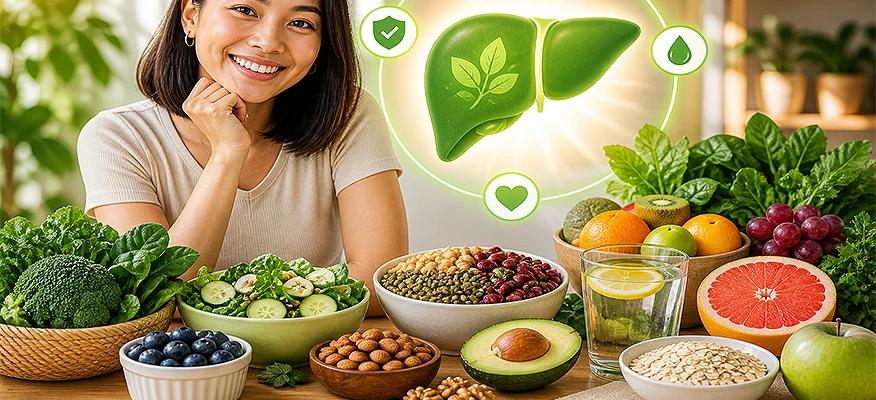
Your liver is already designed to detox your body; but what you eat determines how well it does that job. The most effective way to support liver detoxification is not through ‘cleansing’ products, but through nutrient-rich foods that help reduce liver fat, improve metabolism, and support natural repair processes.
Across Southeast Asia and Africa, liver health is becoming a growing concern due to rising rates of metabolic conditions, processed food consumption, and sedentary lifestyles. Research published in Frontiers in Nutrition shows that adherence to a plant-forward dietary pattern can reduce the risk of fatty liver disease by up to 33%, reinforcing the role of everyday food choices in long-term liver health.
At the same time, experts are increasingly pushing back against the idea of quick “detox” fixes. As highlighted in public health discussions, there is no scientific evidence that detox drinks or supplements can cleanse the liver. Instead, consistent dietary habits remain the most effective approach.
Even hepatology experts echo this. Saurabh Sethi, a Harvard- and Stanford-trained specialist, and popularly knows as the gut doctor, has often noted that diets high in sugar and processed fats are a major driver of fatty liver disease, even among non-drinkers, while whole foods like greens, berries, and healthy fats can support liver function.
Scientific evidence also supports this shift toward food-first strategies. Dietary patterns such as Mediterranean-style or plant-rich diets that are high in fiber, antioxidants, and healthy fats have been shown to improve liver fat levels, reduce inflammation, and support metabolic health.
The takeaway is simple: your liver doesn’t need a detox: it needs the right nutrition. The foods you eat every day can either burden your liver or actively help it function better, repair itself, and stay resilient over time.
In the sections ahead, we’ll break down the best foods for liver health that actually work: backed by science and designed for real, everyday lifestyles.
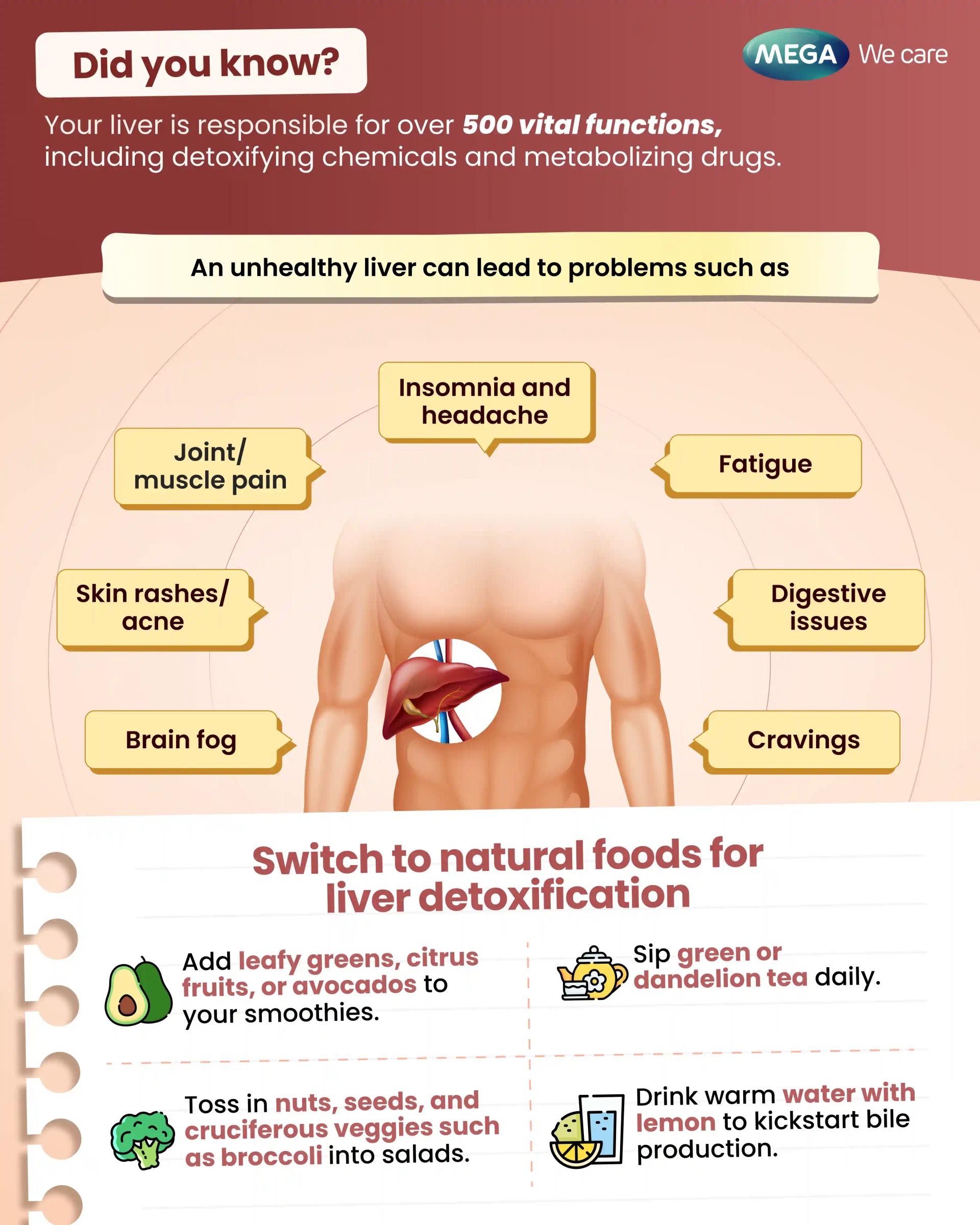
Why supporting liver health is essential
The liver is an extraordinary organ that plays a significant role in our health. Its primary duty is to filter blood coming from the digestive tract before it's circulated to the rest of the body. Alongside this, it metabolizes drugs and produces proteins needed for blood clotting.
Maintaining liver health is essential because:
- A healthy liver supports metabolism, hormonal balance, a robust immune system, and the efficient removal of waste.
- A healthy diet supports the liver’s natural detoxification pathways. When the liver is strained, you may experience symptoms such as fatigue, jaundice (yellowing of the skin/eyes), dark urine, or abdominal swelling.
- Maintaining liver health may reduce the risk of certain liver conditions, such as cirrhosis, alcoholic hepatitis, and nonalcoholic fatty liver disease.
- When we talk about how to aid natural detoxification processes, we are referring to the intake of specific nutrients that help the liver perform its job efficiently.
Best foods to support liver health
Incorporating certain foods into your diet can help promote liver health naturally.
1. Fruits
Fruits are full of vitamins and antioxidants that support organ function.
- Grapefruit: High in vitamin C and antioxidants, grapefruit supports the natural functions of the liver.
- Lemons and limes: These citrus fruits have high vitamin C content that supports liver health.
- Avocado: Contains compounds that help protect cells against oxidation.
- Berries (blueberries, cranberries): Rich in antioxidants, which support liver function.
2. Vegetables
Vegetables, particularly those high in certain compounds, can also help cleanse the liver.
- Beets: Contain betalains that help protect the liver from oxidative stress.
- Broccoli and Brussels sprouts: These are rich in compounds that aid natural detoxification processes and help the liver process various compounds.
- Spinach and leafy greens: High in chlorophyll, these greens help neutralize heavy metals and chemicals, supporting the liver's role in filtering the blood.
- Carrots: Contain beta-carotene, which acts as a protective antioxidant.
3. Herbs and Spices
Herbs and spices not only add flavor to your dishes but also aid in liver cleansing.
- Turmeric: Contains anti-inflammatory properties that help protect liver cells from damage.
- Garlic: Loaded with sulfur compounds that activate enzymes responsible for the natural processing of waste.
- Ginger: Known for its anti-inflammatory properties, ginger can support overall liver vitality.
4. Nuts and Seeds
Nuts and seeds provide healthy fats, fiber, and a host of other benefits.
- Walnuts: Rich in omega-3 fatty acids and arginine, which support liver health.
- Flaxseeds: High in fiber and omega-3s, which help maintain a healthy lipid profile in the liver.
5. Other Foods
- Apples: Rich in pectin, which helps the digestive tract release toxins, reducing the workload on the liver.
- Cruciferous vegetables (like cauliflower): Support the production of enzymes that aid natural detoxification processes.
- Olive oil: Provides beneficial fats and antioxidants that help reduce fat accumulation in the liver.
Best liver cleanse drinks
Certain drinks can enhance the liver's ability to function.
The best drinks for liver health are simple, everyday options like water, green tea, and coffee, and not commercial detox drinks. These help support hydration, metabolism, and the liver’s natural detoxification process when consumed consistently.
- Green tea is rich in antioxidants called catechins, which have been linked to reduced liver fat and improved liver enzyme levels.
- Similarly, regular coffee consumption without sugar has been associated with a lower risk of liver fibrosis and cirrhosis, with studies showing protective effects even in people with existing liver disease.
- In Southeast Asia and Africa, traditional drinks like ginger tea, turmeric-infused water, and warm lemon water also play a supportive role by aiding digestion and reducing inflammation.
- The key is to keep these drinks low in sugar and free from additives.
There’s no single ‘cleanse’ drink — the real benefit comes from staying hydrated and choosing natural, nutrient-rich beverages daily.
Foods to avoid
To protect your liver, consider limiting the following:
- Alcohol: Alcohol can cause liver damage, leading to fatty liver disease, cirrhosis, and liver inflammation.
- Fried and fatty foods: Foods that are high in unhealthy fats, like deep-fried items and processed snacks, can lead to fatty liver disease and strain the liver.
- Refined sugars and carbs: Foods with added sugars and refined carbs, such as sugary drinks, pastries, and white bread, can contribute to fatty liver disease.
- High-sodium foods: Excessive salt, often found in processed snacks, canned foods, and fast food, can lead to water retention and worsen liver conditions.
- Artificial additives: Many processed foods contain artificial colors, flavors, and preservatives that can put extra strain on the liver.
- Excessive caffeine: While moderate coffee intake is good for the liver, too much caffeine from sugary or flavored beverages can have a negative effect.
Lifestyle tips for a healthy liver
Here are some lifestyle tips to keep your liver healthy:
- Eat a balanced diet: Focus on whole foods like fruits, vegetables, whole grains, and lean proteins. Incorporate healthy fats like those from avocados, olive oil, and nuts to provide essential nutrients.
- Stay hydrated: Drink plenty of water throughout the day to support the liver's ability to process and move waste through your system.
- Exercise regularly: Aim for at least 30 minutes of moderate exercise most days of the week. Physical activity helps reduce liver fat and supports overall liver health.
- Limit alcohol consumption: If you drink, do so in moderation. To best promote liver health, it is often recommended to avoid alcohol altogether, as it is a primary cause of liver strain.
- Avoid smoking: Smoking can increase the risk of certain liver conditions and oxidative stress, so quitting is crucial for long-term organ health.
- Maintain a healthy weight: Excess weight can lead to fat accumulation in the liver. A balanced diet and regular activity are the most effective ways to manage this risk.
- Get enough sleep: Quality sleep is essential for the body's natural repair cycles, including those of the liver. Aim for 7–9 hours each night.
Conclusion
Maintaining a healthy liver is paramount for overall well-being. By incorporating nutrient-dense foods into your diet, avoiding harmful substances, and adopting healthy lifestyle habits, you can support your liver’s natural detoxification processes and boost your health.
Incorporating foods such as leafy greens, berries, turmeric, and healthy fats can aid liver function and help the organ operate optimally. At the same time, reducing or eliminating processed foods, excess sugar, alcohol, and unhealthy fats helps prevent unnecessary strain on this hardworking organ.
Beyond diet, adopting healthy lifestyle habits like staying hydrated, exercising regularly, managing stress, and avoiding environmental toxins plays a crucial role in keeping your liver in peak condition. Small, mindful changes can make a significant impact, ensuring your liver remains strong and resilient for years to come.
Your liver does so much for you; why not return the favor? Prioritize its health today, and enjoy better energy, improved digestion, and overall vitality for a lifetime.
Meet our expert

Meet our expert
Dr Adwoa Agyei-Nkansah is a fellow of the West African College of Physicians, a fellow of the Royal College of Physicians, London and a member of the American College of physicians.
How was the experience with article?
We'd love to know!