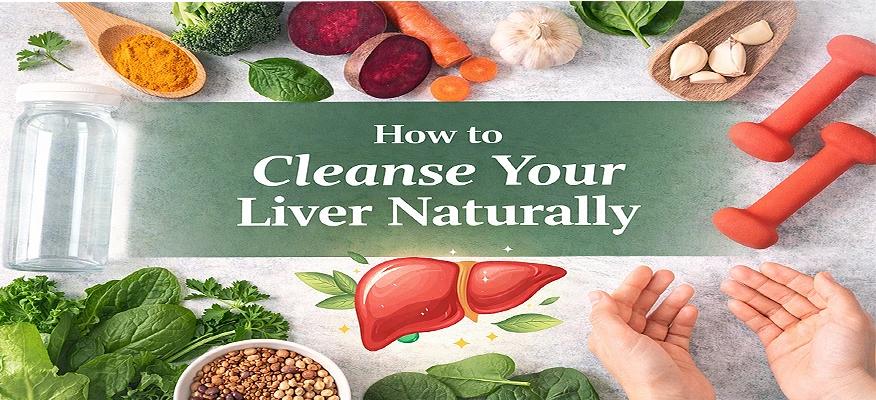
You may not think about your liver often, but it’s quietly working around the clock to keep you healthy. Every minute, this remarkable organ filters toxins from your blood, processes the food you eat, and helps regulate energy and metabolism.
Yet modern lifestyles — from highly processed diets to increasing alcohol consumption and sedentary habits — are placing unprecedented pressure on liver health across Southeast Asia and Africa.
With liver diseases now responsible for around 2 million deaths globally each year, more people are asking an important question: how can you clean and cleanse your liver naturally and support it before problems begin?
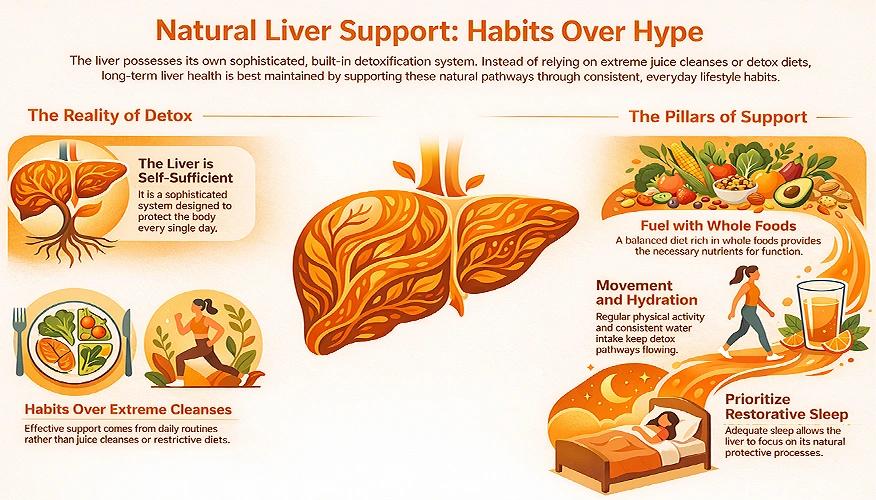
The liver is a self-cleaning organ; no juice, tea, or supplement can clean it faster. Rather than extreme detox diets or juice cleanses, the most effective way to support liver health is through everyday habits — including a balanced diet rich in whole foods, regular physical activity, good hydration, and adequate sleep.
Understanding how to cleanse your liver naturally is really about supporting the liver’s natural detox pathways so it can continue doing what it does best: protecting the body every single day.
The answer may be simpler than most detox trends suggest.

What does it mean to cleanse your liver?
Your liver is a self-cleaning organ, neutralizing and eliminating harmful substances from both external sources (like xenobiotics from pollutants and pesticides) and internal metabolic byproducts. This “cleansing” happens through a three-phase enzymatic system that transforms toxic fat-soluble substances into water-soluble compounds to be extracted through urine, bile, and stool.
Phase 1 detoxification breaks down toxins through an enzyme called cytochrome P450 that oxidizes, reduces, and performs multiple chemical reactions. Toxic intermediates that are created in this process are quickly processed by phase 2 detoxification. The phase 2 detox makes these toxic substances water-soluble and harmless to your body. Vitamin B, C, magnesium, and specific amino acids are required throughout the process.
Phase 3 transports the water-soluble molecules through the bloodstream. Under normal, healthy conditions, this chain reaction is enough to cleanse your liver automatically. The concept of "needing a cleanse" suggests the liver requires external intervention to function properly.
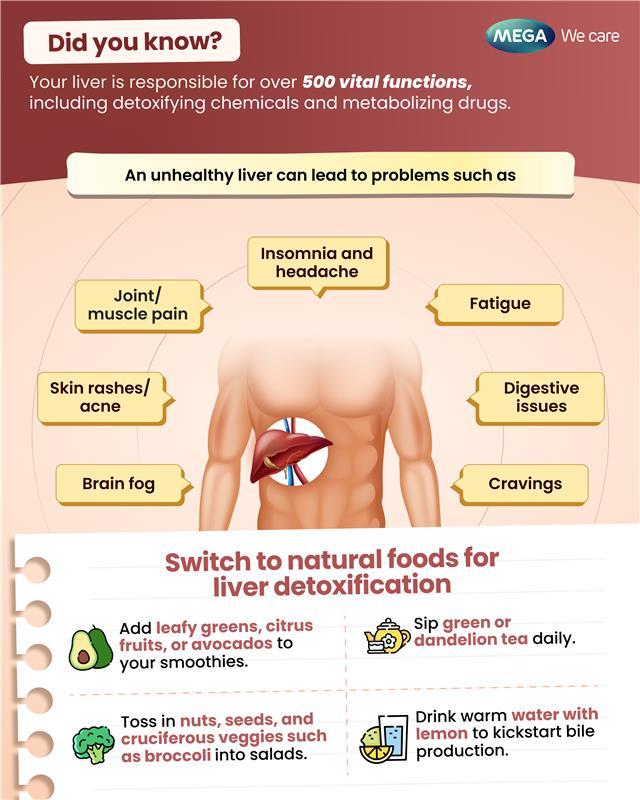
Signs your liver may need support
The liver is known as a “silent organ,” which essentially means that it works silently, but it also rarely produces any symptoms until significant damage has occurred. However, certain signs indicate that your liver might be under stress and would benefit from intervention.
These include:
- Persistent fatigue that does not improve with rest. This happens because toxin buildup forces other organs to compensate.
- Nausea and reduced appetite can develop along with unexplained weight loss.
- Bloating or constipation may occur. Indigestion can follow when bile production is insufficient.
- Upper right abdominal pain or pressure.
- Yellowing of the skin or eyes may indicate jaundice.
- Persistent itching can develop when bile salts build up in the skin.
- Mood and cognitive changes may appear due to toxin buildup in the brain.
- Muscle weakness or cramps can occur because nutrient processing is disrupted.
- Severe red flag symptoms include abdominal pain, blood in vomit or stool, confusion, or sudden irritability.
At this point, when you’ve started seeing warning signs, it’s essential that you can separate “quick fixes” from evidence-backed liver care strategies.
Liver detox – facts vs myths
What is a billion-dollar industry today, the liver detox supplements, juices, teas, and fad diets often fail to produce any significant results. Here’s what science has to say about them:
1. Do liver detox products really work?
The short answer is no, most commercial liver detox products lack scientific evidence demonstrating they work. Moreover, most of these are just magnesium or vitamin supplements with blanket claims of “elimination of toxins, enhance liver function, and boost digestive health.”
A 2025 analysis of top-selling liver supplements on Amazon found that most liver supplements rely on limited research, small sample sizes, and poorly designed studies, funded by the manufacturers themselves.
2. Juice cleanses vs real liver function
One of the most pervasive detox myths is that drinking fruit and vegetable juices improves liver function. There is no scientific evidence supporting this claim.
While whole fruits are not inherently harmful, processed versions often contain excessive sugar. Moreover, when these products are used during extended fasting, overall calorie intake can drop too low, which may place additional stress on the body.
Most weight loss during a “juice cleanse” is exclusively water weight and doesn’t improve fatty liver disease more effectively than standard dietary approaches.
3. What science says about liver detox
Scientific reviews from the National Center for Complementary and Integrative Health show that detox diets do not enhance toxin removal in healthy livers. The Food and Drug Administration does not preapprove supplements. Therefore, evidence does not support detox claims, while safety and contamination risks remain.
What works, however, is eating more healthy food and making lifestyle changes before fatal symptoms appear.
How to cleanse your liver naturally
While many products promise a quick “liver cleanse,” the truth is that the liver already has its own highly efficient detoxification system. Rather than extreme detox diets or short-term cleanses, the most effective way to support liver health is through consistent daily habits and nutrient-rich foods that help the liver perform its natural detox processes.
If you want to cleanse your liver naturally, the goal should be to reduce the burden on the liver while providing the nutrients it needs to function efficiently over time.
Best natural liver cleanse foods
Certain whole foods contain compounds that support the liver’s natural detox pathways and help reduce inflammation or oxidative stress.
1. Cruciferous vegetables such as broccoli and cabbage
These vegetables contain sulfur compounds that support Phase II detoxification enzymes, which help the liver break down and eliminate toxins more effectively.
2. Leafy greens
Spinach, kale, and other leafy greens contain chlorophyll and antioxidants that may help bind certain toxins and support overall liver function.
3. Beets and carrots
These colorful vegetables are rich in antioxidants and plant compounds that help reduce oxidative stress and may improve markers associated with fatty liver.
4. Garlic and turmeric
Garlic contains sulfur compounds that help activate detox enzymes, while turmeric contains curcumin, a powerful anti-inflammatory compound that may support liver health.
Simple takeaway:
Aim to include a variety of colorful vegetables and whole foods in your daily meals. Diets rich in plant foods naturally support the liver’s detox processes.
To know more about what to eat for your liver
How to detox your liver naturally at home
In addition to food choices, several everyday habits can help maintain optimal liver function and reduce the risk of liver stress over time.
1. Stay well hydrated
Water plays a crucial role in the body’s detoxification processes. Adequate hydration helps the kidneys and liver efficiently remove waste products from the body.
2. Exercise regularly
Physical activity supports metabolism and helps reduce fat accumulation in the liver. Experts recommend 20 to 60 minutes of exercise most days of the week, combining aerobic activity with strength training where possible.
3. Prioritize quality sleep
During sleep, the body carries out essential metabolic and repair processes. Consistently getting 7–9 hours of sleep per night helps support overall liver function and metabolic balance.
4. Choose whole foods more often
A diet rich in whole grains, fruits, vegetables, legumes, and healthy fats provides nutrients that support both liver detoxification and gut health, which are closely connected.
5. Limit or avoid alcohol
Alcohol is metabolized almost entirely by the liver and produces acetaldehyde, a toxic compound that can damage liver cells. Reducing alcohol intake is one of the most effective ways to protect liver health.
6. Manage daily stress
Chronic stress can contribute to inflammation and metabolic imbalance. Simple practices such as deep breathing, meditation, or gentle movement like yoga may help support overall liver health.
Simple takeaway:
Small daily habits — hydration, movement, balanced meals, sleep, and stress management — can make a significant difference in supporting your liver over time.
Are liver cleanse supplements safe?
No, liver cleanse supplements are not exactly “safe”. Unlike prescription drugs regulated by the FDA, supplements enter the market without proof of safety or even effectiveness. However, herbs like berberine, milk thistle, and curcumin show measurable improvements in liver function during clinical trials.
Who should avoid liver detoxes?
People with existing liver disease, kidney disease, diabetes, or a history of supplement-related reactions should avoid detox products. Pregnant or breastfeeding women and those taking medications processed by liver enzymes are also at higher risk. Medical supervision is strongly advised.
Conclusion
In the end, your liver already detoxifies your body efficiently and continuously. However, it works best when you support it consistently and gently through nourishing food, regular movement, adequate sleep, and mindful habits. Therefore, long-term care matters far more than quick fixes or aggressive cleanses.
Choose evidence-based lifestyle changes that support your liver naturally and safely. By acting gradually and intentionally, you protect your health more reliably and sustainably over time.
Meet our expert

Meet our expert
She holds a Bachelor of Nutrition & Community Health with Distinction from Universiti Putra Malaysia and has been a dedicated healthcare professional since 2014. As the Customer Care Manager, she leads a team of skilled dietitians and nutritionists, committed to serving the community.
How was the experience with article?
We'd love to know!