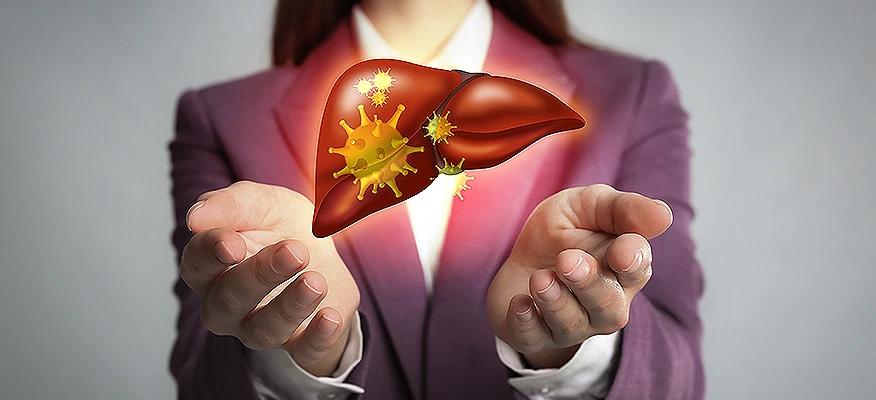
Did you know your liver performs more than 500 essential functions every day — yet many people don’t realize it’s under stress until problems appear?
Unlike many other organs, the liver rarely signals distress early. Liver disease can develop quietly for years, often without obvious symptoms. What may seem like everyday issues — fatigue, digestive discomfort, or unexplained nausea — can sometimes be early warning signs that your liver health needs attention.
Today, liver conditions such as fatty liver disease, hepatitis, and cirrhosis are becoming increasingly common worldwide. Diet, alcohol intake, metabolic health, and lifestyle habits all play a role in how well your liver functions over time.
The encouraging news is that the liver also has a remarkable ability to heal when given the right support. Understanding the early signs of liver problems and making small but consistent lifestyle changes can go a long way in protecting your liver health.
In this guide, we’ll explore what liver disease is, the early symptoms, what causes liver problems, and how you can protect your liver with a few simple, natural lifestyle habits.
What is liver disease?
Any condition that harms or weakens the liver is liver disease. Some conditions develop rapidly, while others grow over time. Most of the time, symptoms may not show up early, as the liver can repair itself. But when the damage continues, liver cells develop inflammation, and scar tissue starts to form. Even though, liver can heal itself, this, in turn, leads to how the liver functions.
How the liver works and why it’s essential
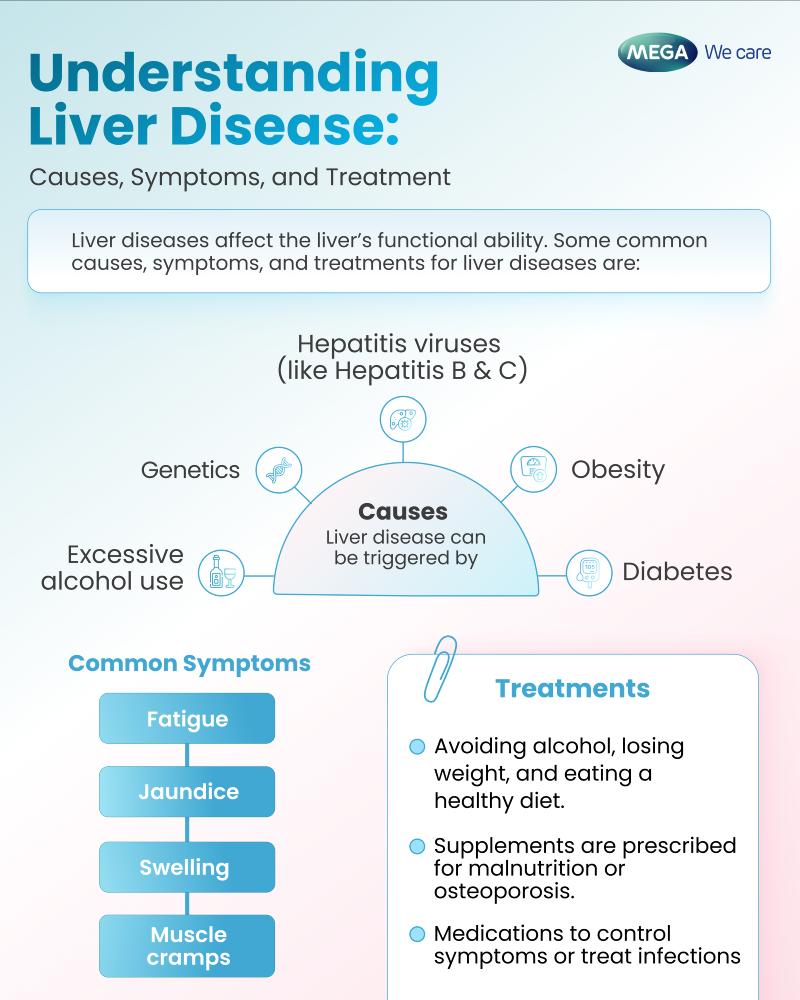
The liver sits under your ribs, on the right side of your body. It performs hundreds of functions that keep you healthy, including:
- Filtering toxins and waste from your blood
- Supporting the digestion of fats and nutrients
- Balancing energy through carbohydrate, protein, and fat metabolism
- Storing vitamins and minerals
- Producing bile for digestion
- Helping your immune system protect you from infections
A healthy liver supports clear skin, steady energy, digestion, and overall wellness.
What happens when the liver is damaged
When the liver is injured continually through unhealthy habits such as drinking alcohol, sustaining infections, or fat buildup, it forms scar tissue. The scarring slows blood flow and reduces liver function. Mild scarring is called fibrosis, and severe scarring is cirrhosis, which is harder to reverse. You will learn more about these in this article.
Catching liver issues early gives the liver a better chance to heal and improve.
Common types of liver disease
Understanding the major types of liver disease can help you recognize risk factors early. Here’s a list of the common types of liver disease:
Non-Alcoholic Fatty Liver Disease (NAFLD/MASLD)
One of the most common liver conditions that is identified globally is NAFLD/MASLD. It is usually linked when excess fat building up in the liver due to poor diet, low physical activity, high cholesterol, or excess weight. Most of us don’t notice the symptoms in the early stages.
Alcohol-Associated Liver Disease (ALD)
This condition is due to excessive drinking of alcohol. Identifying ALD early can help improve the health of the liver if you seek immediate medical attention and when alcohol intake is stopped. Long-term heavy drinking can lead to cirrhosis.
Hepatitis (A, B, C, D, and E)
Inflammation of the liver is Hepatitis, often caused by a viral infection. The word “Hepat” derives from the Latin and Greek language, meaning liver, and “itis” simply means inflammation. There are five types of hepatitis:
- Hepatitis A: Spreads through contaminated food or water. It is usually short-term and does not cause chronic liver disease. Most individuals recover fully with rest and proper care, as the liver heals on its own.
- Hepatitis B: Spreads through infected blood or bodily fluids. This includes exposure during medical procedures, unprotected contact, or from mother to child at birth. Some individuals clear the infection naturally, while others develop chronic hepatitis, which can slowly damage the liver over time.
- Hepatitis C: Spreads through infected blood. Many individuals do not notice symptoms for years, making it a common cause of long-term liver damage. Without treatment, hepatitis C can lead to cirrhosis or liver cancer.
- Hepatitis D: Occurs in individuals who already have hepatitis B. It can worsen liver damage and increase the risk of complications. Because it depends on hepatitis B, preventing hepatitis B also prevents hepatitis D.
- Hepatitis E: Spreads through contaminated water, similar to hepatitis A. It is usually short-term, but it can be more serious in individuals with weakened immune systems.
Chronic hepatitis B or C can cause long-term inflammation, scarring, and liver failure if untreated. Vaccination, early testing, and timely treatment with a healthy diet can help protect and improve your liver health.
Cirrhosis
Cirrhosis is advanced scarring of the liver. It can result from alcohol abuse, fatty liver disease, hepatitis, or long-term exposure to toxins.
Liver cancer
It often develops with years of liver damage in individuals with chronic liver disease or cirrhosis. Long-term inflammation from hepatitis or fatty liver disease increases the risk of liver cancer. You can prevent it with regular check-ups and monitoring of the symptoms to treat it at an early stage.
Genetic and autoimmune liver diseases
Liver diseases can be passed down through families or happen when the immune system attacks healthy liver cells for unidentified reasons. Autoimmune hepatitis, hemochromatosis, and Wilson disease can lead to continuous inflammation and liver damage if not treated. Individuals are able to control these conditions and protect long-term liver functions with the proper diagnosis and treatment.
Early signs and symptoms of liver problems
Liver problems often start quietly. Many don’t notice symptoms until the damage has already started. Paying attention to any changes in your body can help you catch these symptoms early and protect your liver health.
Fatigue and weakness
Feeling drained can be one of the earliest signals. When the liver struggles, your body has a hard time filtering toxins, which can leave you feeling low-energy and unable to do your usual activities.
Yellowing of eyes/skin (jaundice)
Jaundice happens when bilirubin builds up in your blood. The whites of your eyes often turn yellow first, followed by the skin. It’s a clear sign that the liver isn’t processing bilirubin properly.
Abdominal pain or swelling
Pain or pressure in the upper right side of your abdomen is common when the liver becomes inflamed. Some individuals also notice bloating or swelling as fluid builds up.
Nausea and loss of appetite
Liver stress can affect digestion. You may feel queasy, lose interest in food, or feel full after eating very little.
Dark urine or pale stool
Dark yellow or brown urine can mean excess bilirubin, while pale or clay-colored stool can indicate a problem with bile flow. These changes often show up before more serious symptoms.
Itchy skin
When bile salts build up under the skin, it can trigger persistent itching. This isn’t always severe, but it tends to get worse at night.
Unexplained weight loss
If your liver isn’t processing nutrients well, weight loss can occur without even trying. This appears with a poor appetite, unhealthy crash diet, or ongoing nausea.
14 early signs of liver damage
Additional early signs include leg swelling, belly swelling, easy bruising, weakness, vomiting, brain fog, and general discomfort in the liver area. While these signs don’t always mean liver disease, they should not be ignored. Visit your doctor and get treated as early as possible to avoid any long-term damage to the liver.
What causes liver problems?
In this day and age, everything needs to be double-checked to protect our health. The most common causes include:
- Fat buildup from an unhealthy diet or lifestyle
- High alcohol intake or alcohol abuse
- Viral hepatitis infections
- Certain medications or supplements (self-medication)
- Exposure to chemicals or toxins
- High cholesterol
- Unmanaged diabetes
- Autoimmune conditions
- Genetic diseases
Lifestyle choices play a major role. Even daily habits such as sleep, hydration, and stress can influence liver health. Maintain a healthy and balanced lifestyle to protect yourself from these issues.
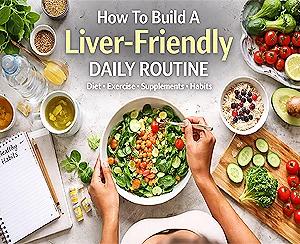
How to improve your liver health naturally
Protecting your liver doesn’t require extreme changes. Steady, simple habits make the biggest difference. Here are practical tips for robust liver health:
- Maintain a healthy body weight
- Drink enough water daily
- Choose whole, plant-based foods (Consult a nutritionist if required)
- Limit or avoid alcohol
- Avoid smoking
- Get regular physical activity
- Manage stress through calming activities
- Avoid unnecessary medications
- Get vaccinated for hepatitis A and B
- Have regular health checkups if you are at risk
These habits reduce inflammation and support the liver’s natural repair process. You don’t require fancy check-ups or gadgets to protect your liver. Liver repairs on its own; it just needs a nutrient-rich diet with a healthy lifestyle.
Best foods for liver health
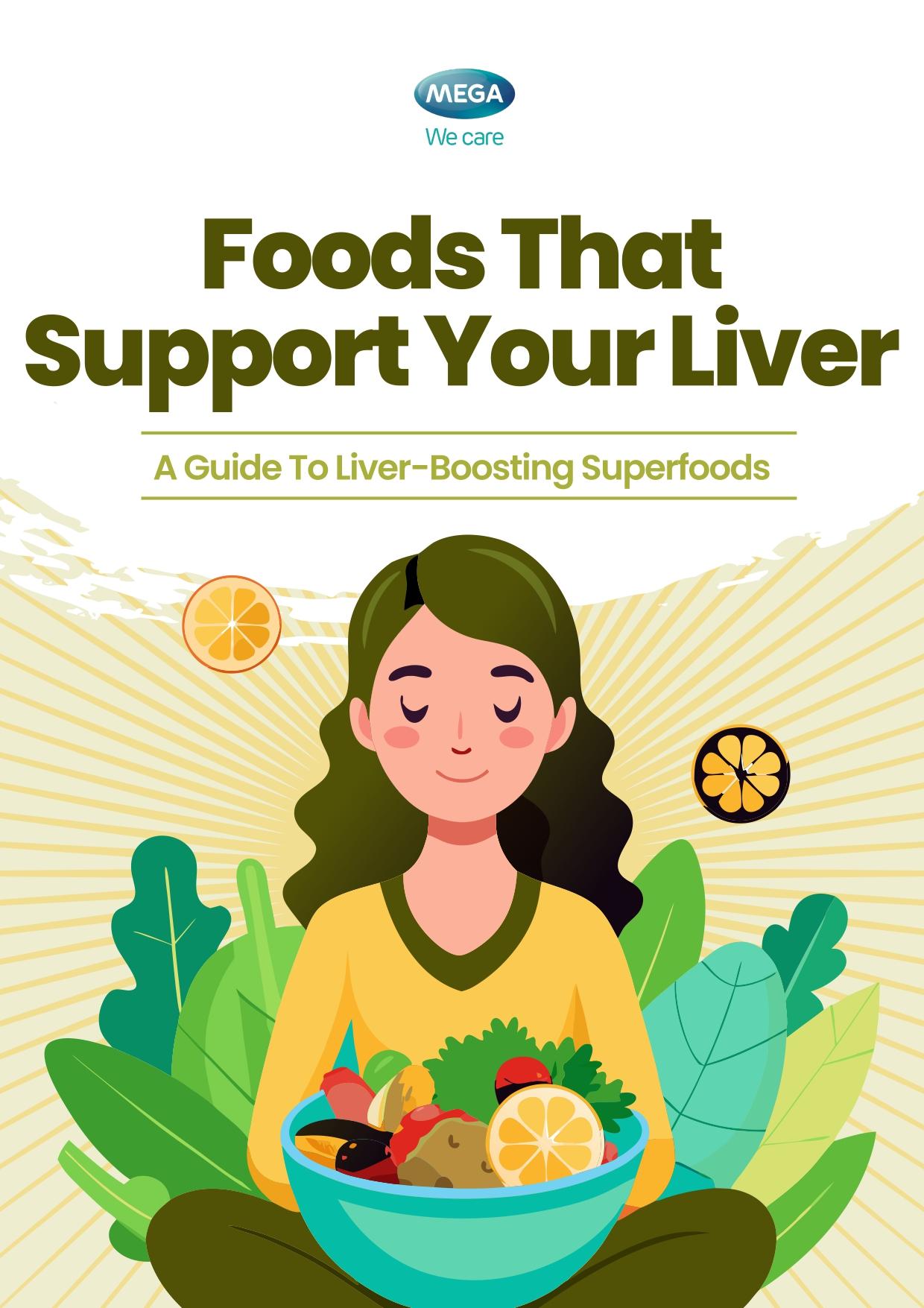
The best foods for liver health are plant-based because they’re rich in antioxidants, fiber, and nutrients that reduce inflammation. Here’s a list of options:
- Leafy greens like spinach and kale
- Whole grains such as oats, quinoa, and brown rice
- Beans, chickpeas, and lentils
- Nuts and seeds
- Broccoli, cauliflower, and Brussels sprouts
- Berries
- Citrus fruits
- Garlic and onions
- Olive oil
- Green tea
Avoid over consumption, try everything in moderation, and perceive what aids your condition. These foods support fat metabolism, digestion, and overall liver function.
Exercise and liver health
Regular movement is one of the most effective ways to support liver health. Exercise can help:
- Reduces fat stored in the liver
- Lowers inflammation
- Improves energy levels
- Helps control weight
- Supports hormone balance
Aim for at least 30 minutes of moderate movement, like walking, cycling, stretching, and light strength training.
When to see a doctor
If you notice ongoing fatigue, nausea, dark urine, abdominal swelling, or yellowing of the eyes, it’s time to consult a doctor. Getting tested early can prevent long-term liver damage.
Warning symptoms you should not ignore
- Severe abdominal pain
- Vomiting blood
- Rapid swelling in legs or belly
- Sudden confusion
- Fast-developing jaundice
Tests used to check liver function (LFT, ultrasound, FibroScan)
Doctors may recommend:
- Liver Function Tests (LFTs)
- Ultrasound
- FibroScan
- Hepatitis screening
These tests can help identify inflammation, scarring, or fat buildup and protect you from long-term liver damage.
Conclusion
Your liver works quietly in the background, but it affects nearly every part of your health. Paying attention to early signs, understanding what causes liver problems, and building steady habits like healthy eating, staying active, and limiting alcohol can go a long way. The liver has a remarkable ability to heal when you support it consistently. Small choices each day help protect your liver and keep you feeling your best for the long run.
Meet our expert

Meet our expert
Dr. Irina Borisovna Stefanenko, a medical doctor based in Ukraine, graduated from Vinnitsa State Medical University in 1995. Between 1995 and 2000, Dr. Stefanenko pursued postgraduate studies and engaged in scientific activities at Vinnytsa Medical University in Ukraine.
How was the experience with article?
We'd love to know!