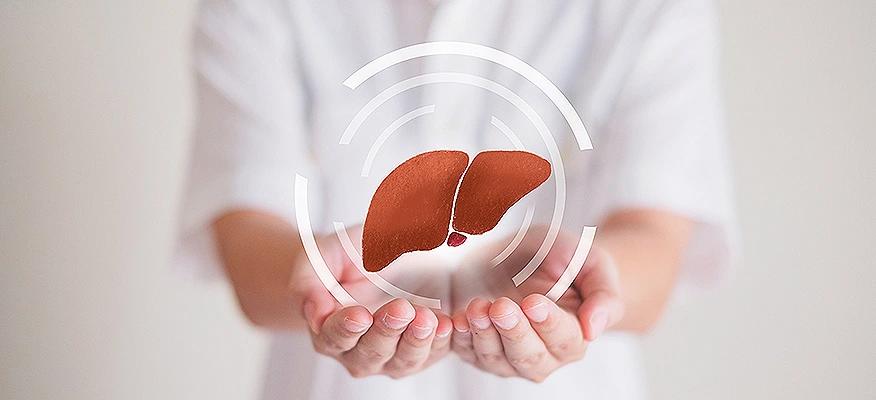
Your liver is the second-largest organ in your body — and one of the hardest working. It plays a central role in digestion, metabolism, immunity, and energy regulation. In many ways, it quietly influences how energetic, clear-minded, and well you feel each day.
When something isn’t right, the effects don’t stay hidden. Persistent fatigue, digestive discomfort, skin changes, or even shifts in mood can sometimes reflect underlying liver stress — subtle signals that your body may need better liver care.
Globally, liver diseases account for nearly 2 million deaths each year. Yet most people don’t think about liver care until a test result raises concern. The reassuring truth is that early, consistent liver care — through everyday habits — can prevent years of silent damage and support long-term health.

What does the liver do?
Your liver performs more than 500 vital functions for you. Some are related to cleaning your blood, some help with digestion, while some give you steady energy. Let’s have a look at a few of the functions:
1. Filtering toxins
The liver removes toxicants from your bloodstream in three phases: first, it breaks down the substances into smaller particles using enzymes, then makes them non-toxic, followed by elimination from the body.
2. Metabolism
It is the process of converting the food you consume into a form of energy that your body utilizes. The liver is the body's central metabolic powerhouse.
3. Digestion
The liver produces bile, a yellow-green fluid in the body. This fluid fragments the fat from the food you had (fat emulsification).
4. Immunity
The liver helps immunity by filtering the blood and removing bacteria, toxins, and damaged cells. It also uses special immune cells to detect and destroy harmful microbes.
Owing to the several functions, one of your top priorities should be to knowing how to keep your liver healthy.
Signs you might be struggling
If your liver is under stress, your body often gives early warnings. Watch for these signs of liver disease:
- Constant fatigue/low energy
- Yellowing of eyes/skin
- Frequent bloating or indigestion
- Dark urine or pale stool
- Swelling in the legs or belly
- Loss of appetite
- Nausea or vomiting
- Easy bruising
These signs don’t always mean you have liver disease, but they are reasons to take action and talk to a healthcare provider for liver care.
What damages the liver?
The liver is strong, but certain habits can chip away at its health over time. Heavy alcohol use is one of the biggest threats because the liver has to work extra hard to break it down.
A diet high in sugar, fried foods, and processed snacks can also overload the liver, leading to fat buildup. Some medications, environmental toxins, and viral infections—like hepatitis—can also cause long-term damage.
Poor sleep, stress, and a sedentary lifestyle add extra strain because they affect how well your liver can repair itself. When these factors stack up, they may act as the causes of liver problems as the organ struggles to keep up with daily detoxing.
How to take care of your liver naturally
How to take care of your liver starts with simple, consistent habits rather than drastic changes. Eating balanced meals, staying physically active, limiting alcohol, getting enough sleep, and managing stress all play a key role in supporting liver health. Small daily actions can help reduce the burden on your liver and improve its function over time.
Best foods for liver health
The keystone of liver care is the pressure it handles, which may be significantly decreased by the choice of food.
- Leafy greens: They are rich in antioxidants and fibre, like spinach, kale, and arugula.
- Cruciferous vegetables: They support the natural detox process. For instance: broccoli, cauliflower, and Brussels sprouts.
- Nuts: Vitamin D and healthy fats support your liver, which is especially present in nuts.
- Garlic: Sulfur compounds in garlic trigger liver enzymes for natural cleaning.
- Green tea: Full of catechins, acts as liver care by lowering fat and reducing oxidivate stress (both central to liver diseases).
Click on the below button to download e-book
Daily habits to keep your liver healthy
To make the most out of liver health benefits, you must ensure that it remains healthy.
Staying hydrated is one of the simplest habits you can build, because water helps your liver flush out waste more easily.
Also, cutting back on alcohol or spreading out your drinking days gives your liver time to recover. If you smoke or vape, reducing or quitting helps, since chemicals from smoke add extra toxins for the liver to process.
It also has to manage the blood sugar and digestion; to help your liver, you must not overload the tasks, which is a possibility when you eat smaller and balanced meals. And getting 7–9 hours of sleep lets your body repair and rejuvenate overnight, which the liver depends on.
Exercises that improve liver function
Your liver needs good blood flow, reduced fat, and low inflammation for better functioning. So, to achieve how to improve liver function, an ideal step is to exercise.
You may start simply with a 30-minute brisk walk, preferably daily. One may opt for other aerobic activities, like jogging, cycling, or swimming.
Strength training is also helpful because it builds muscle, which improves how your body handles glucose and fats. Yoga and stretching reduce stress hormones that can harm liver health when they stay high for too long.
If you’re new to exercise, start slow and stay consistent instead of pushing too hard.
Medical checkups & when to see a doctor
The medical checkups for the liver can be broadly bifurcated into: Evaluating the liver and evaluating the factors affecting the liver, like cholesterol and triglyceride tests.
For the assessment of the organ as part of liver care, you may go for blood tests like liver function tests (LFTs) that can spot problems long before symptoms appear.
You should talk to a doctor if you have a family history of liver disease, drink heavily, are overweight, or take medications long-term. They may recommend an ultrasound or more specific tests if anything looks off.
Furthermore, if you notice your eyes or skin turning pale yellow, or any other of the possible symptoms, do consult a medical professional immediately.
Conclusion
Your liver sits at the center of your body’s inner ecosystem, performing a long list of responsibilities, many of which are solely dependent on it. When you drink enough water, eat more whole foods, move your body by understanding exercise and liver health, and watch your stress, you’re giving your liver the break it rarely gets.
Liver care isn’t about curating strict rules and following them diligently; rather, it is about giving your body the tools to work the way it wants to. A well-cared-for liver shows up in the little things: easier mornings, better digestion, and more stable moods.
Meet our expert

Meet our expert
Dr. Irina Borisovna Stefanenko, a medical doctor based in Ukraine, graduated from Vinnitsa State Medical University in 1995. Between 1995 and 2000, Dr. Stefanenko pursued postgraduate studies and engaged in scientific activities at Vinnytsa Medical University in Ukraine.
How was the experience with article?
We'd love to know!