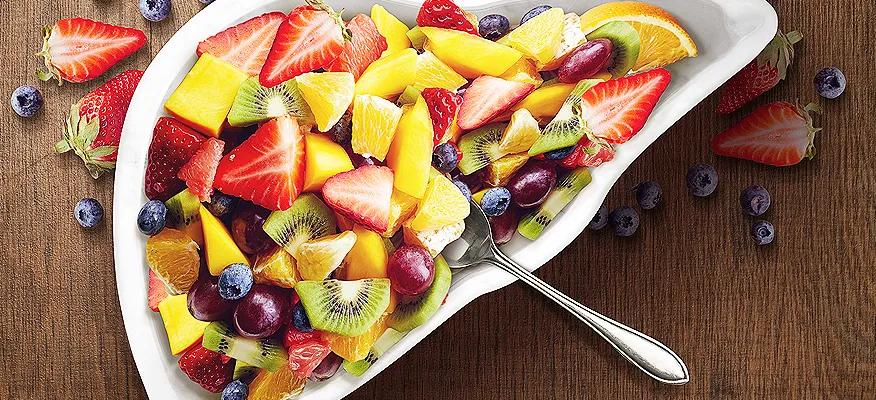
We don’t give our liver enough credit for how tirelessly it works, managing more than 500 essential processes every day to keep us alive. From filtering toxins from blood, producing bile for digestion, to regulating our metabolism, it’s one of those critical organs that deserve attention, but doesn’t get any in return. Given how it’s the only organ capable of regeneration, it’s surprising how easy it is to damage it through poor lifestyle choices, infections, and long-term toxin exposure.
What makes liver disease so insidious is how quietly it develops. Your liver can continue functioning even when a significant portion is impaired, meaning most of us don’t realize something’s wrong until damage has already occurred.
Recent data from Indian health screenings revealed that roughly two-thirds of over 250,000 people tested showed signs of fatty liver disease, and almost 90% of those cases had nothing to do with alcohol. It’s a reminder that food for a healthy liver matters more than ever. But first, let’s understand the key signs of liver disease.

Signs your liver may need attention
The first signs of liver disease or malfunctions are usually pretty subtle. One day you experience a lingering fatigue, while loss of appetite may keep you down the other. When your liver struggles to filter out toxins, it saps your energy and snatches away the love for fatty and oily food products.
Sometimes, the clues appear physically as well. A dull ache around the upper right side of the abdomen is a critical sign often suggesting liver inflammation, while darkened urine or pale stool (before evolving into jaundice) points towards bilirubin buildup.
Also, swelling in the abdomen or ankles shows that your liver is no longer regulating fluids effectively. Easy bruising, nosebleeds, or bleeding gums happen because the liver isn’t producing enough clotting proteins. In advanced cases, toxins reach the brain, leading to confusion, poor concentration, or personality changes, leading to a condition called hepatic encephalopathy.
Foods that support a healthy liver
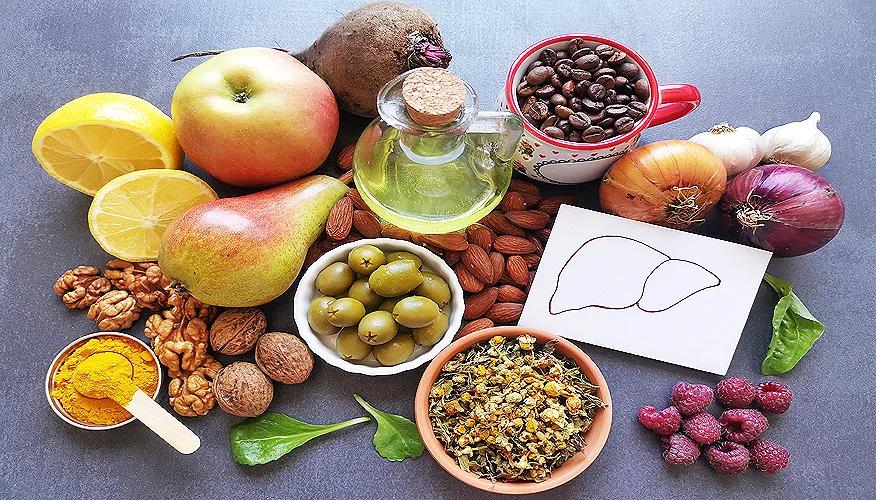
You can’t do much after your liver is already significantly scarred, but you can prevent it from happening through a supply of foods to eat to cleanse the liver.
Nutrient-rich meals can help the liver regenerate cells and minimize inflammation.
- Let’s begin with veggies like broccoli, brussels sprouts, cabbage, and kale. These include sulforaphane, which stimulates your liver's natural detox enzymes and reduces the risk of fatty liver and some liver cancers. Leafy greens like spinach also benefit liver function by capturing heavy metals and pollutants before they enter your system.
- On the other hand, citrus foods and berries are equally effective. The deep pigmentation in blueberries, raspberries, and cranberries packs antioxidants that guard liver cells against oxidative stress. Moreover, grapefruit, which is rich in naringenin and naringin, is great for tissue repair and slowing down inflammation.
- Healthy fatty foods, especially those rich in omega-3s, like salmon, mackerel, and sardines, calm liver inflammation and improve enzyme levels. Extra virgin olive oil reduces fat buildup in the liver, while nuts like almonds and walnuts provide vitamin E and glutathione, both essential for protecting liver cells.
- Apart from these, include whole grains, legumes, and beans in your diet, which can be great substitutes for animal proteins that deliver saturated fats as well to your system.
- For those of you who enjoy black coffee, try to drink at least a cup or two regularly to lower the risk of fatty liver and cirrhosis.
Foods to avoid for liver health
- Avoid sugar religiously. Sugar is something that often sneaks into your diet without much notice, but excess fructose, especially from soda and ultra-processed snacks, overwhelms the liver and turns into visceral fat, causing fatty liver. Even if you aren’t overweight.
- Refined carbs, trans fats, and sodium in these ultra-processed packaged foods also pose a significant risk by straining liver cells and triggering inflammation. Over time, this combination accelerates fat buildup and oxidative stress, two hallmarks of liver disease.
- Foods that cause a rapid spike in blood sugar and insulin should also be avoided. Major offenders among these include white bread, pasta, and white rice.
- Red and processed meats carry dense saturated fats that the liver struggles to break down. Processed versions like bacon or sausages are especially harmful because they add nitrates and preservatives that compound the damage. The danger intensifies with fried foods, especially when cooked in reused or poor-quality oils, which contribute to trans fats that inflame liver tissue.
- Finally, avoid excessive artificial sweeteners. Although marketed as low-calorie, some disrupt gut bacteria and interfere with metabolism. In 2023, the World Health Organization cautioned against using them for weight loss due to probable metabolic and hepatic damage.
Lifestyle tips to improve liver health naturally
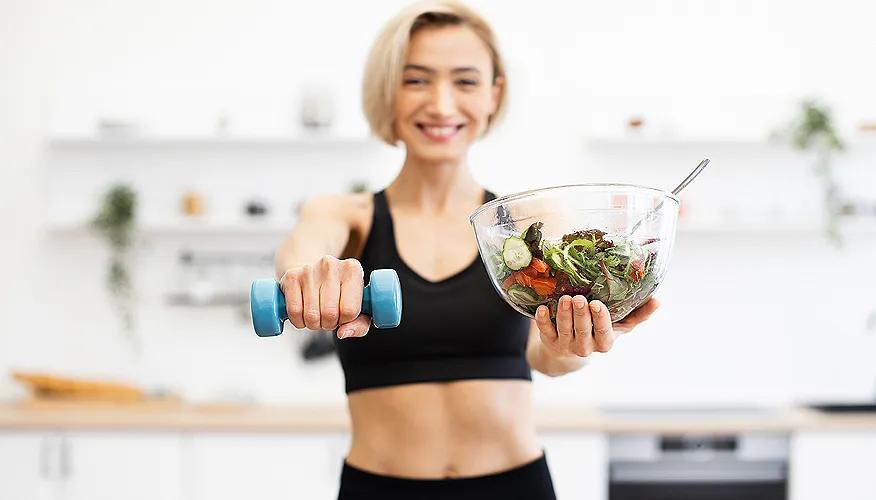
Your diet to cleanse your liver often isn’t enough to support it. Your lifestyle, especially physical activity, plays a critical part in supplementing the role of food and reducing liver fat and insulin sensitivity.
- If you're not already active, aim for at least 150 minutes of moderate activity each week, such as walking, cycling, swimming, or anything else you can do consistently. Strength training sessions should be done twice or three times a week to develop muscle and improve metabolic function.
- Focusing on exercise for liver health can also help you maintain a healthier weight, which in turn can lower your risk of liver diseases. A survey indicates that losing just 10% of body weight for those in the overweight BMI category can significantly reverse liver damage and lower inflammation. Exercise helps you avoid extreme, unhealthy weight loss diets and encourages a focus on balanced eating.
- Drink enough water, since hydration supports every detox process your liver performs. 8 to 10 glasses of water daily help flush toxins and aid digestion. Include water-rich foods like cucumber, citrus fruits, and watermelon for an extra boost.
- Above all, try to manage stress as much as possible, since chronic stress raises cortisol levels and can indirectly strain the liver.
- We can’t emphasize it enough how important alcohol moderation is for liver health. Women should limit intake to one drink per day, men to two, and everyone should have alcohol-free days weekly to give the liver time to recover.
- Finally, keep toxins away wherever possible. Limit exposure to harsh cleaning agents, aerosol sprays, and insecticides, as these chemicals must be broken down by the liver.
Sample one-day liver-friendly diet plan
You can start simple. Follow this simple liver-friendly diet plan and introduce changes as required:
Breakfast (7:00–9:00 AM):
- Greek yogurt topped with mixed berries and chia seeds.
- Black coffee or green tea for antioxidants and liver protection.
Mid-Morning Snack (10:00–11:00 AM):
- Apple slices or celery sticks with almond butter.
Lunch (12:30–1:30 PM):
- Salad with leafy greens, colorful vegetables, and chickpeas.
- Dressed with olive oil and lemon or vinegar.
- Wholegrain roll on the side.
Afternoon Snack (3:00–4:00 PM):
- A handful of mixed nuts like almonds or walnuts.
Dinner (6:00–8:00 PM):
- Grilled tofu with steamed broccoli and quinoa.
- Lightly seasoned with herbs and lemon.
Evening Snack (if needed):
- Fresh fruit or air-popped popcorn (minimal butter).
When to see a doctor
Pay attention if you notice persistent fatigue, dark urine, pale stools, or swelling around your abdomen. Seek immediate care if you notice yellowing skin or eyes. As you age, regular liver function tests are particularly necessary, especially when you have co-conditions like diabetes and obesity.
Conclusion
Your liver silently supports all of your bodily systems, yet it seldom receives anything in return. Although it has an amazing capacity for self-healing, this does not make it unbeatable. It can be shielded against the stresses of contemporary life by eating a diet high in fruits, vegetables, whole grains, lean meats, and healthy fats.
"Food is Medicine" is a fitting subject for World Liver Day in 2025. Your liver is being harmed or healed by every meal you consume. Start selecting meals that will aid in its recovery and optimal performance.
Meet our expert
GHBY Team
GHBY TeamMeet our expert
GHBY Team comprises content writers and content editors who specialise in health and lifestyle writing. Always on the lookout for new trends in the health and lifestyle space, Team GHBY follows an audience-first approach. This ensures they bring the latest in the health space to your fingertips, so you can stay ahead in your wellness game.
How was the experience with article?
We'd love to know!