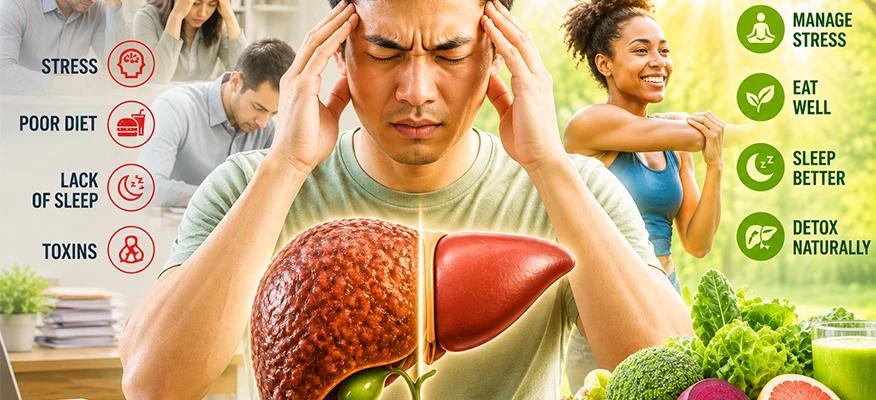
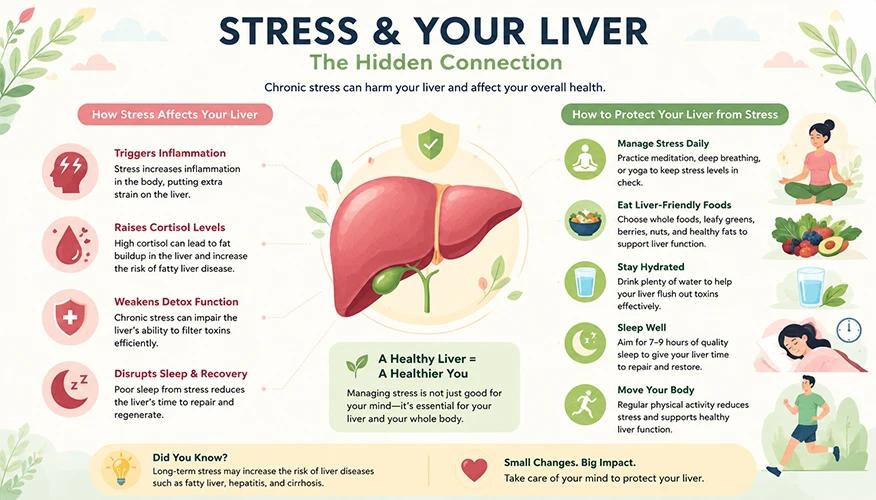
Yes, stress can damage your liver and the way it does so is more direct than most people realise.
Most people understand that stress is bad for the heart. But the liver — the organ quietly working to filter your blood, process your food, and detoxify nearly everything you eat, drink, and breathe — is equally vulnerable, and far less talked about.
Here's what the research increasingly shows: chronic stress doesn't just wear down your mind. It sets off a chain of biological reactions that can damage your liver: sometimes significantly, and often silently.
This matters more than ever across Southeast Asia and Africa, where rapid urbanisation, economic pressure, and post-pandemic mental health burdens have created a near-perfect storm. In Nigeria, Ghana, the Philippines, and Indonesia, millions of people are managing high-stress lives while simultaneously facing rising rates of fatty liver disease, hepatitis co-infections, and metabolic disorders — conditions that stress actively worsens.
The science behind the connection is not new, but it is newly urgent.
Stress triggers a flood of cortisol, the body's primary stress hormone. Over time, elevated cortisol promotes fat accumulation in the liver, triggers low-grade inflammation, and disrupts the gut-liver axis: a communication pathway increasingly linked to liver disease progression. A landmark review published in the Journal of Hepatology found that psychosocial stress is an independent risk factor for non-alcoholic fatty liver disease (NAFLD), now one of the most common liver conditions globally.
What makes this particularly relevant for our region is context. Traditional diets are shifting. Physical activity is declining. And critically, the cultural stigma around discussing mental health means that stress often goes unaddressed and its physical consequences go unrecognised, until liver disease is already well underway.
This article breaks down exactly how stress damages the liver, which groups are most at risk, and most importantly what you can do right now to protect one of your body's most vital organs.
What is stress and how does it affect the body?
Stress, i.e. chronic stress, has been categorized as a negative influence on several parts and facets of the human body, namely the heart, brain, and also immunity. But it's a relatively unknown fact that chronic stress can also lead to liver problems or liver damage.
Let's first understand what exactly stress is. Stress is a reactive emotion to any kind of demand, challenge, or problem that our brain feels we're ill-equipped to handle. This inability to manage the situation can manifest as emotional or physical tension.
Any event or challenge that makes a person feel frustrated, angry, sad, or overwhelmed can be stressful for him/her. These reasons are called stressors.
Short-term stress
It's not much of a problem when the stressors show effect for a short time. Short-term stress (known as acute stress) is good for the body.
Short-term, moderate stress (like the one you experience while preparing for an exam or meeting a deadline) can help improve the cognitive function of the brain and boost the body's immunity by increasing the production of interleukin. Short-term stress can also be caused by doing something untried and exciting (such as bungee jumping).
Chronic stress
When stress turns episodic, and then chronic, that's when the real problem begins. Episodic stress comes from high-frequency stressful episodes piling up one after the other, without giving time for the body and mind to recuperate. For instance, people in highly-stressful jobs such as in health care (during a pandemic), or in the military (during a war) are constantly exposed to episodic stress.
When the body and mind get no respite from the constant stress, it runs the risk of becoming chronic stress. This type of stress is extremely harmful to the human system because it triggers inflammation and several related problems, including liver problems.
Understanding the link between stress and liver health
According to research, psychological stress has a clear connection with the physical hepatic inflammatory response. And hepatic inflammation is known to be one of the main triggers of liver diseases.
This research, published in 2009 in the World Journal of Gastroenterology, reviewed "a number of studies on both human populations and animal models performed in recent years, all linking stress, mainly of psychosocial nature, and the evolution of three important liver-related pathological entities: viral hepatitis, cirrhosis, and hepatocellular carcinoma."
Briefly put, what happens is that when a person is under extreme stress - the experience of chronic stress is particularly bad - the neural pathways activate the hypothalamic-pituitary-adrenal (HPA) axis.
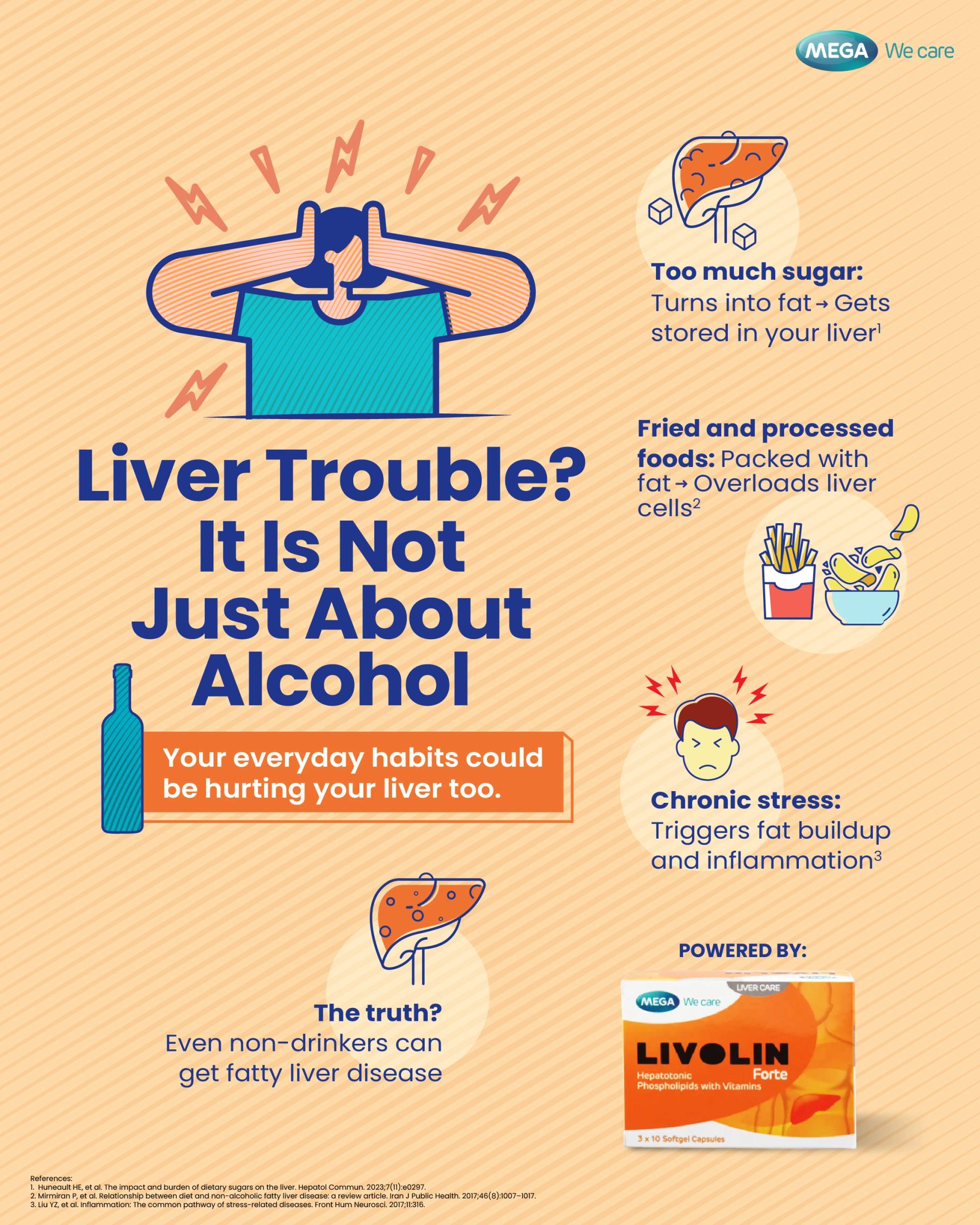
When you are stressed, your body releases stress hormones that trigger inflammation. Over time, this can damage liver cells.
The abstract added: “In recent years, several studies have established an increasingly clear link between psychosocial or psychophysical stress, personality types, and the development of viral hepatitis.”
How chronic stress damages the liver
Other research has indicated that chronic, long-term stress leads to a decrease in nutrient-rich blood flow to the liver. Therefore, to the question "How does stress affect the liver?", the answer is, "In every way."
Statistics point to tens of thousands of deaths around the world every year because of liver ailments, and many of these, for all you know, could be caused by stress.
Here are some numbers:
- Africa sees around 53,000 to 103,000 deaths every year due to liver cirrhosis.
- More than 50 million people have chronic hepatitis infections in Africa. Their mortality risk stands at around 25%.
- According to a meta-analysis done on the effects of stress on liver damage, 40% of deaths caused by Non-Alcoholic Fatty Liver Disease (NAFLD) are attributable to psychological distress.
- In the United States, as per data published in 2020, NAFLD and its subtype Non-Alcoholic Steatohepatitis (NASH) affects approximately 30% and 5%, respectively, of the American population. About 100 million individuals in the US are estimated to have NAFLD.
- When it comes to liver cancer, Hispanic women and Asian/Pacific Islander men have the highest rates of developing the disease.
- According to Cancer.org, liver cancer causes 700,000 deaths globally each year. The populations of sub-Saharan Africa and Southeast Asia are the most vulnerable to this cancer.
Stress and liver inflammation
Stress stimulates inflammation in the body, which can increase the risk of liver disease.
Stress and fatty liver disease
Chronic stress leads to visceral adiposity (an increase in belly fat), which puts inflammation-inducing stress on the visceral organs like the liver. This can contribute to Non-Alcoholic Fatty Liver Disease (NAFLD).
Stress and liver cirrhosis
Chronic stress leads to inflammatory and fibrosing changes in the liver. These changes may eventually result in liver cirrhosis.
Stress and liver cancer
Chronic stress can negatively influence TNF-α, IL-1, and IL-6, stimulating processes that can boost tumor development and progression in hepatocellular carcinoma (HCC).
Symptoms of stress you should not ignore
Symptoms of stress can differ according to the type of stress a person is going through.
Acute stress
- Sweating
- Bouts of irritability
- Labored breathing
- Feeling of heaviness on the chest
- Increased heart rate
Episodic stress
- Muscle tension
- Migraines
- Hypertension
- Aggressive bouts of irritability
- Feeling of being overwhelmed and trapped
Chronic stress
- Frequent cough and colds
- Indigestion
- Weight gain
- Persistent headaches
- Emotional fatigue
- Panic attacks
- Depression
It's best to visit a doctor if any of these symptoms show up frequently. Delay in diagnosis and treatment will only hurt the heart, brain, liver, etc.
Risk factors that make liver damage worse
Several factors may worsen liver damage when combined with stress:
- Alcohol consumption
- Obesity
- Poor diet
- Lack of exercise
- Chronic infections such as hepatitis
- Poor sleep patterns
Foods for liver health
The best foods for liver health are those that help reduce inflammation, support detoxification, and protect liver cells from damage. A diet rich in fibre, antioxidants, and healthy fats can help improve liver function and reduce the risk of fatty liver disease.
Leafy greens
Leafy greens like kale, spinach, and broccoli contain antioxidants and plant compounds that help the liver process toxins more efficiently. Cruciferous vegetables such as broccoli may also help reduce fat buildup in the liver.
Fruits
Berries, apples, and citrus fruits are rich in antioxidants and vitamin C, which help protect liver cells from oxidative stress and inflammation. Fruits high in fibre may also support better metabolic health.
Healthy fats
Healthy fats from avocados, nuts, seeds, and olive oil help reduce inflammation and support overall liver function. Studies suggest that replacing unhealthy fats with plant-based fats may help improve fatty liver markers.
Stress management tips
It's crucial to manage stress well to keep your liver healthy.
Exercise
You may release feel-good chemicals like endorphins by doing things like walking, biking, running, swimming, or mild aerobics.
Meditation
Yoga and meditation help lower cortisol levels and make your mental health better overall.
Sleep
Keeping a regular sleep pattern helps keep hormones in check and helps the body recover itself.
How to protect your liver from stress
Here are some helpful methods for managing stress and protecting liver health:
- Staying physically active.
- Consuming a balanced diet
- Practicing meditation or yoga
- Reducing caffeine consumption
- Socializing offline and discussing feelings
- Performing deep breathing exercises
- Writing in a notebook or pursuing calming activities
When to see a doctor
If stress symptoms become regular or severe, it is recommended that you seek medical attention. Early detection and treatment can help prevent significant health issues, such as liver disease.

Conclusion
Stress is detrimental to the entire human body, and the liver is no exception to that. When a person is under constant stress, it becomes chronic and triggers chemical changes in the body that end up damaging the liver. This damage can even take the form of liver cancer, which kills more than half-a-million people annually around the world.
Stress management through basic steps like exercise, meditation, laughter therapy, etc is essential even before the signs of high stress show up. And when symptoms of episodic stress, which is the precursor of chronic stress, do appear, then seeking medical help is necessary.
The liver is one of the most important large organs in the body, no less significant than the heart or the lungs. Keep stress at bay to keep the liver healthy.
Keep reading for credible information about similar health conditions, and how you can get good liver health with a good diet and healthy food.
Meet our expert

Meet our expert
Blessing Ifunanya Maduelosi, a resident of Port Harcourt, Rivers State, Nigeria, is a committed healthcare professional with a profound passion for pharmacy. She has earned her Bachelor of Pharmacy degree (BPharm), solidifying her expertise in the field. Blessing's unwavering dedication to serving her community exemplifies her commitment to improving healthcare outcomes and ensuring the wellbeing of her fellow citizens.
How was the experience with article?
We'd love to know!