
Have you ever found yourself wondering about the cause of that persistent fatigue, loss of appetite, or yellowish skin tone?
Many a time, we tend to brush these symptoms aside as mere signs of exhaustion or stress. However, these can indicate a more serious underlying health condition called liver cirrhosis.
Did you know, according to the American Liver Foundation, an estimated 10 to 20 percent of heavy drinkers will develop cirrhosis of the liver?
Sounds alarming? Yes, it can be. But there’s no need to panic just yet. A better understanding of the liver cirrhosis symptoms causes and treatments can empower us to take better care of our health.
So, let’s equip ourselves with the right knowledge and take a step towards healthier living.
What is cirrhosis of the liver?
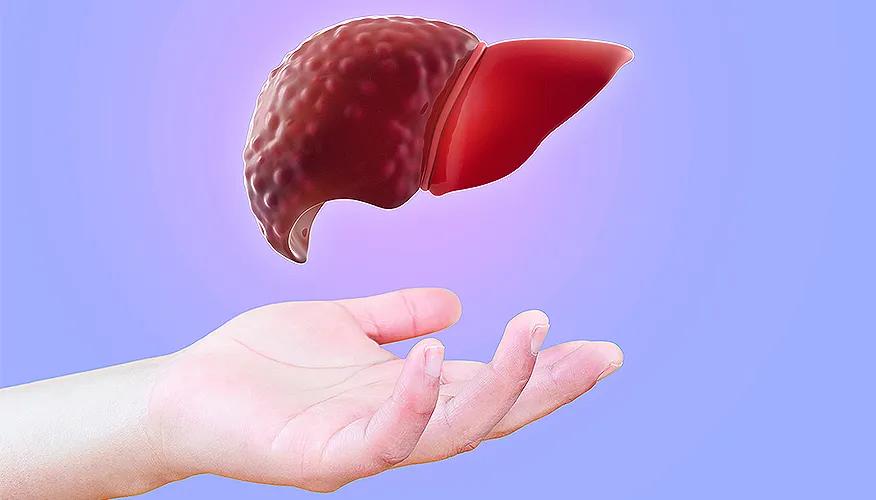
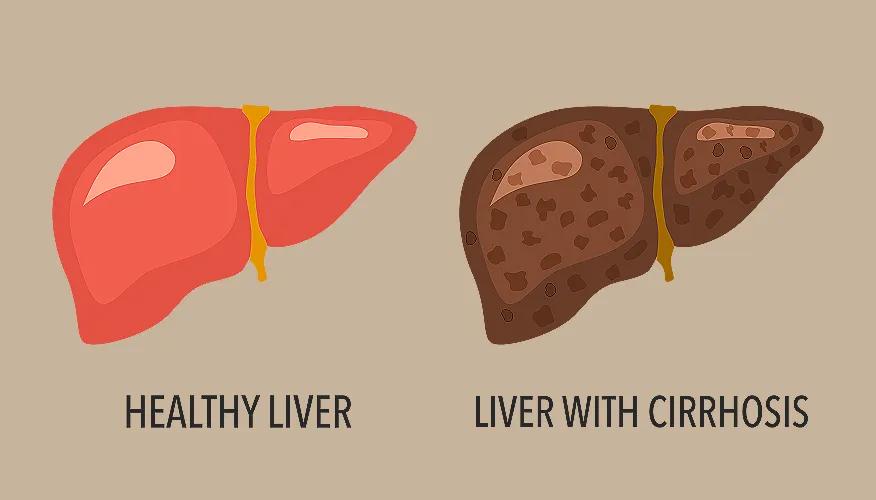
Cirrhosis of the liver refers to a late stage of fibrosis, which is a scientific term for scarring.
- Essentially, it is a condition in which the liver slowly degrades and malfunctions due to chronic, or long-term, damage.
- Healthy liver tissue gets replaced with scar tissue that partially blocks the flow of blood through the liver.
- Liver cirrhosis limits the liver's ability to control infections, remove toxins from the blood, process nutrients, hormones and drugs, make proteins that regulate blood clotting, and produce bile to help absorb fats and fat-soluble vitamins.
Liver cirrhosis stages
Understanding the stages of cirrhosis of the liver is crucial for managing this condition.
It’s a progressive disease that evolves over time, and here’s how it unfolds:
- Inflammation: In the early stage of cirrhosis, liver cells become inflamed due to factors like alcohol use, viral infections, or fatty liver disease. The liver tries to repair itself, but ongoing inflammation leads to damage.
- Fibrosis: As inflammation continues, the liver starts to produce scar tissue (fibrosis) to heal the damage. At this stage, the liver can still function normally, but the buildup of scar tissue begins to affect its structure.
- Compensatory cirrhosis: In this stage, the liver has developed significant scarring, but it can still compensate for the damage. People may not experience symptoms yet, but the liver function is starting to decline.
- Decompensated cirrhosis: This is the advanced stage where the liver can no longer perform its vital functions. The liver is severely damaged, and complications like ascites, bleeding varices, and jaundice develop.
Liver cirrhosis symptoms
Liver cirrhosis symptoms can be subtle or non-existent in the early stages. However, as the disease progresses, one may experience symptoms such as:
- Fatigue and weakness
- Loss of appetite resulting in weight loss
- Nausea and vomiting
- Abdominal discomfort or pain, especially in the top right area
In later stages, there may be:
- Itchiness
- Swelling in the lower legs and feet
- Fluid accumulation in the abdomen, known as ascites
- Yellowing of the skin and eyes, a condition called jaundice
- Easy bruising and bleeding, resulting from a decrease in the production of blood clotting factors by the diseased liver
What causes cirrhosis of the liver?
The most common causes of cirrhosis of the liver include:
- Heavy alcohol consumption: Heavy and chronic alcohol consumption is a leading cause of cirrhosis. It leads to inflammation and subsequent scarring of the liver over time.
- Chronic viral infections: Hepatitis B and C are infectious diseases that attack the liver and can cause cirrhosis over time.
- Non-alcoholic fatty liver disease (NAFLD): This refers to a range of conditions where fat accumulates in the liver cells, leading to inflammation and scarring.
- Autoimmune liver diseases: Conditions where the immune system attacks the liver, such as autoimmune hepatitis, primary biliary cholangitis, and primary sclerosing cholangitis can cause liver cirrhosis.
- Genetic disorders: Inherited conditions like Wilson’s disease, cystic fibrosis, and glycogen storage diseases can cause harmful substances to build up in the liver, leading to scarring.
- Heart-related conditions: Diseases like congestive heart failure or chronic lack of blood flow to the liver can lead to cirrhosis by causing liver congestion or poor circulation.
Risk factors of liver cirrhosis
Some individuals may be at a higher risk for developing cirrhosis due to certain factors:
- Are older than 50
- Have a history of heavy alcohol use (e.g., regular consumption of large amounts of alcohol)
- Have a chronic viral hepatitis infection (e.g., hepatitis B or C)
- Have metabolic syndrome (e.g., obesity, high blood pressure, high blood sugar, abnormal cholesterol levels)
- Have non-alcoholic fatty liver disease (NAFLD)
- Have a family history of liver disease
- Have a history of autoimmune hepatitis (e.g., primary biliary cholangitis or primary sclerosing cholangitis)
- Have certain genetic disorders (e.g., hemochromatosis, Wilson’s disease)
- Are obese or overweight
- Have a history of chronic heart failure
Complications of liver cirrhosis
Liver cirrhosis, if left untreated, can lead to some severe complications including:
- Chronic fatigue: Cirrhosis often causes chronic fatigue, mental fog, and a general feeling of being unwell due to the liver’s reduced ability to detoxify the body.
- Fluid retention and swelling: Portal hypertension can cause fluid to leak from blood vessels, resulting in swelling, especially in the legs and abdomen (ascites).
- Respiratory complications: Hepatopulmonary syndrome occurs when liver disease impairs oxygen exchange in the lungs, leading to difficulty breathing.
- Gastrointestinal bleeding: Varices (enlarged veins) in the esophagus or stomach can rupture, causing severe and potentially life-threatening bleeding.
- Kidney dysfunction: Hepatorenal syndrome is a serious condition where cirrhosis leads to kidney failure, often due to poor blood flow and toxins.
- Chronic liver failure: As cirrhosis progresses, the liver may lose most of its ability to function, leading to severe complications and eventual liver failure.
- Liver cancer: Chronic liver damage increases the risk of developing liver cancer (hepatocellular carcinoma), particularly in cirrhotic patients.
Diagnosis of liver cirrhosis
Cirrhosis is often diagnosed during a routine check-up or when patients visit their doctors for symptoms.
The diagnosis process may include:
- Medical history and physical examination: The doctor may ask about your medical history, symptoms, alcohol consumption habits, and other relevant questions. The physical examination may involve checking for an enlarged liver or spleen.
- Blood tests: Blood tests like liver function tests (LFTs) help assess liver damage by measuring enzymes, bilirubin, and proteins produced by the liver, offering insight into the liver's ability to function.
- Imaging tests: Ultrasounds, CT scans, or MRIs provide detailed images of the liver, helping to detect signs of cirrhosis, such as liver enlargement, scarring, or ascites.
- Liver biopsy: A liver biopsy involves taking a small tissue sample to confirm cirrhosis and evaluate its severity by examining the amount of scarring or fibrosis under a microscope.
Liver cirrhosis treatment
Treatment for cirrhosis depends on the cause and extent of your liver damage.
The goals are to slow the progression of scar tissue in the liver and prevent or treat symptoms and complications.
Treatment includes:
- Lifestyle changes: Avoiding alcohol, maintaining a healthy diet, and managing underlying conditions like diabetes or viral hepatitis can help slow cirrhosis progression and improve liver function.
- Medications: Medications such as diuretics, beta-blockers or antivirals may be prescribed to manage complications.
- Treating complications: Treating conditions like ascites, varices, and infections (such as spontaneous bacterial peritonitis) can prevent further liver damage.
- Liver transplant: In severe cases where liver function is significantly impaired or liver failure occurs, a liver transplant may be considered as the final treatment option.
Prevention of liver cirrhosis

Preventing liver cirrhosis involves the following strategies:
- Avoid excessive alcohol consumption to prevent alcohol-induced liver damage and cirrhosis
- Get vaccinated against hepatitis A and B, and treat chronic hepatitis C
- Maintain a healthy diet and weight to reduce the risk of liver disease
- Minimize exposure to environmental toxins and harmful substances
- Regular medical check-ups and screenings for liver disease are crucial, especially for those at higher risk
Living with cirrhosis
Living with cirrhosis requires careful management of your health. Here are some tips:
- Manage symptoms like fatigue, swelling, and discomfort with medication and lifestyle changes
- Maintain a liver-friendly diet, low in sodium and rich in nutrients, to prevent malnutrition
- Avoid alcohol and be cautious with medications to prevent further liver strain
- Make lifestyle adjustments such as moderate exercise, staying hydrated, and getting enough rest
Conclusion
Liver cirrhosis is a serious and often silent disease until its late stages.
Therefore, it is essential to remain vigilant about its risk factors and early signs.
If detected early and managed promptly, its progression can be slowed down, and one can lead a healthy and active life.
Remember to seek help if you feel you may be at risk or if you notice any adverse symptoms.
Meet our expert

GHBY Team
GHBY TeamMeet our expert
GHBY Team comprises content writers and content editors who specialise in health and lifestyle writing. Always on the lookout for new trends in the health and lifestyle space, Team GHBY follows an audience-first approach. This ensures they bring the latest in the health space to your fingertips, so you can stay ahead in your wellness game.

How was the experience with article?
We'd love to know!