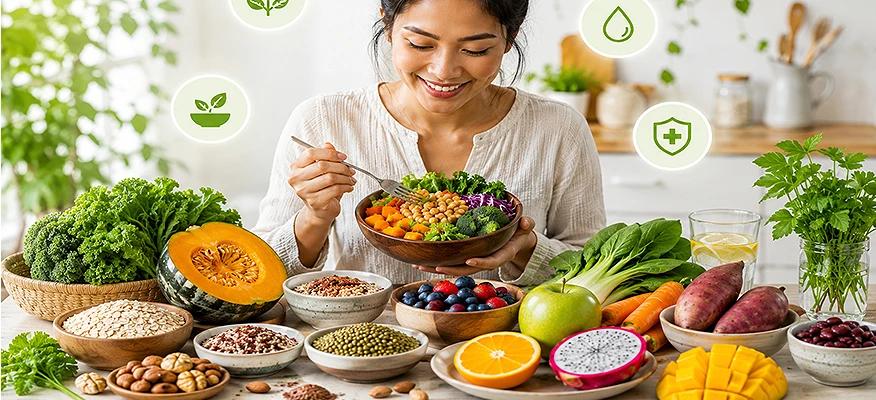
What you eat can directly affect how well your liver functions and in many liver conditions, diet is one of the most important parts of long-term management.
That matters now more than ever because liver disease is rising rapidly across the world. Recent estimates suggest that metabolic liver disease, including fatty liver, could affect nearly 2 billion people globally by 2050, driven by changing diets, obesity, diabetes, and sedentary lifestyles.
Across Southeast Asia and Africa, doctors are also seeing increasing cases of liver disease linked not just to alcohol, but to processed foods, excess sugar, poor metabolic health, viral infections, and modern lifestyle patterns. What makes this especially concerning is that many liver conditions develop silently, often without obvious symptoms in the early stages.
And here’s what many people don’t realise: there is no single ‘liver diet’. The best foods for fatty liver may not be ideal for cirrhosis, hepatitis, gallbladder issues, or liver inflammation. Different liver conditions place different demands on the body, which is why choosing the right diet matters.
In this guide, we break down the best diet strategies for 6 common liver conditions, including what to eat, what to avoid, and simple food habits that can support better liver health naturally.
What is the best diet for liver disease?
Answer: The best diet for liver disease depends on the condition, but most liver-friendly diets focus on whole foods, proteins high fibre, healthy fats, and antioxidants. It requires eating small portions often, limiting alcohol, processed foods, and added sugars, and focusing on lean proteins, whole grains, fruits, and vegetables.
What is a liver-friendly diet?
One of the most important and unique organs in your body, the liver possesses a phenomenal power of self-regeneration. However, its health is heavily impacted by what you eat and drink, which becomes even more crucial if you develop a liver disease.
It’s important to know the best diet for liver disease, so that the ailment cannot progress beyond the initial stage.
By strictly following a fatty liver disease diet, or an alcoholic liver disease diet, or a generally effective diet for liver disease recovery, you can prevent further complications that, unless taken seriously, could lead to liver failure.
General diet tips for liver disease
- People with liver disease should eat small portions and eat often.
- Eat something healthy every 2 to 3 hours.
- If you are overweight, try to lose weight by avoiding fat and carbohydrates in your meal.
- If you are underweight or malnourished, increase your protein intake, but ensure it is spread across all your small meals rather than consumed in a single sitting.
The liver’s important functions include control of metabolism, regulation of blood sugar, detoxification, and secretion of bile juices.
These functions can be disrupted by the following types of liver diseases:
- Diseases caused by the consumption of high-fat foods,
- Narcotics and excessive alcohol intake, like fatty liver disease;
- Diseases caused by viruses, such as Hepatitis A, Hepatitis B, and Hepatitis C;
- Advanced level of liver tissue injury, leading to liver cirrhosis;
- Hemochromatosis, a disease that causes an overload of iron in the body;
- Jaundice, caused by excessive bilirubin production in the liver.
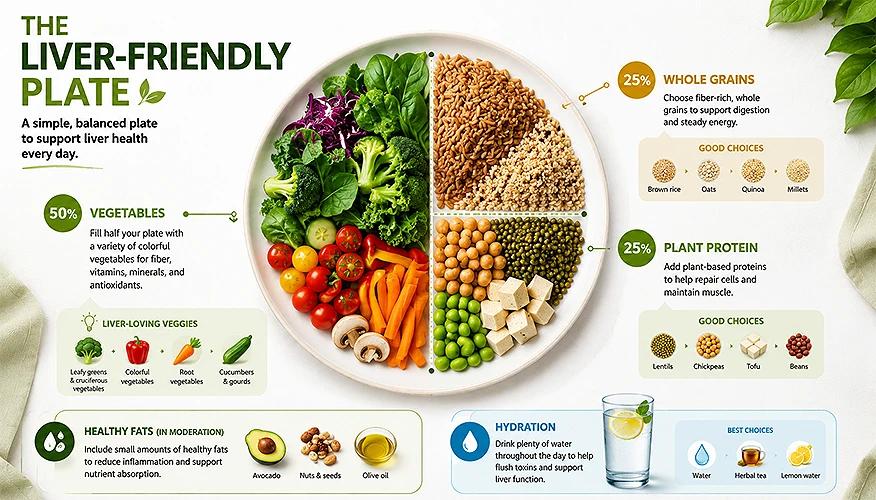
Diet for Fatty Liver (NAFLD)
Non-Alcoholic Fatty Liver Disease (NAFLD) affects people with little or no alcohol consumption. This is caused by obesity, insulin resistance, high blood pressure, and high levels of fat in the blood.
NAFLD can be treated with medicines, a healthy diet, and healthy weight maintenance. Your doctor would recommend losing weight right away, if you’re overweight or obese.
A well-balanced diet is one that’s low in fat, sugar, and salt and high in fiber, vegetables, and fruits.
Lean protein and a variety of vitamins and minerals should also be included in your diet.
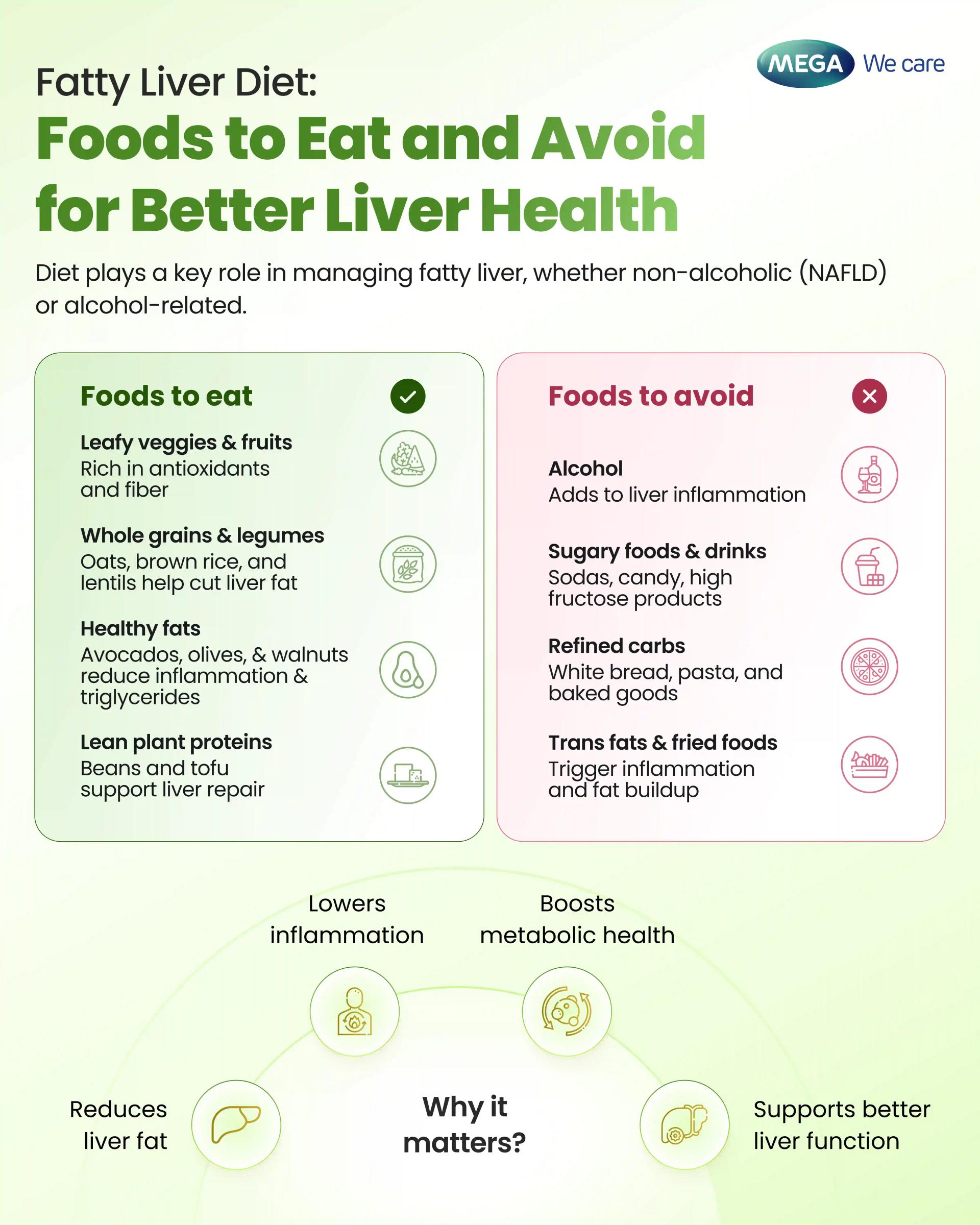
1. What should I eat for Fatty Liver Disease (NAFLD)?
Answer: Focus on unsaturated fats like Omega-3s, whole grains, pulses, fruits, vegetables, nuts, and seeds. Moderate coffee intake is also beneficial as it can reduce the risk of liver diseases like fibrosis.
2. What to eat and drink
- Unsaturated fats: Alongside limiting the overall fat intake, replace saturated fats with polyunsaturated fats (PUFA) and monounsaturated fats (MUFA), especially Omega-3 fatty acids.
- Whole grains and pulses: Get your fiber from whole grains and get your protein from pulses. These are also foods with a low glycemic index (GI), meaning they release energy slowly and steadily.
- Fruits and vegetables: Get your natural sugars from fruits, instead of eating sugary processed foods. Vegetables are a great source of fiber and other nutrients.
- Nuts and seeds: Have a handful of mixed nuts and seeds every day to get a big dose of PUFA and MUFA. Almonds, walnuts, roasted peanuts, roasted sunflower seeds, and chia seeds are good choices.
- Coffee: Moderate coffee consumption may help to prevent liver cancer. Coffee can also reduce the risk of other liver diseases, including fibrosis.
3. What not to eat and drink
- White rice, white bread: These are starchy foods, and in their highly processed form, quite low in nutrition.
- Potato: Also a starchy food, potato is avoidable for those looking to lose weight. Boiled potato is generally much better than fried potato.
- Fructose: Sweetened soft drinks, sports drinks, sweetened tea, and juices all contain fructose.
- Fried foods: All kinds of fried foods are high in fat, and the frying process brings down their nutritional value.
Diet for Alcohol-Related Liver Disease
Excessive alcohol consumption causes significant liver damage, which is referred to as Alcohol-Related Liver Disease (ARLD). As with alcoholic fatty liver disease, beating alcoholic hepatitis and liver cirrhosis also requires a well-planned alcoholic liver disease diet.
1. What to eat and drink
Plant foods: A diet high in PUFA and MUFA and designed around plant foods will help the body become leaner and healthier, helping the liver recover.
Water: Stay well hydrated, drinking 2 liters of plain water daily (or any other volume the doctor recommends) in order to help the already stressed liver keep producing bile for detoxing the body.
2. What not to eat and drink
Alcohol: Just for emphasis, you shouldn’t touch a drop of alcohol when you’ve already developed ARLD in any degree of severity. Depending on the damage done to the liver, you’ll have to abstain from alcohol for a couple of months or for the rest of your life.
Processed and fried foods: In ARLD, your liver is already suffering from the fats and toxins present in alcohol, so you must not overburden it with the saturated fats and trans fats in processed foods and fried foods.
Diet for jaundice
Everything you eat and drink is processed by your liver. When this process is interrupted, the waste product bilirubin might accumulate, and this may cause jaundice.
Switching to a more nutritious diet will not only help you recover from this bout of jaundice, but will also cut the risk of a recurrence of jaundice.
1. What to eat and drink
Water: To flush out all the toxins, drink 7-8 glasses of water a day.
- Herbal tea: It increases your antioxidant level.
- Honey: Honey has digestive enzymes that help the liver to function better.
- Vegetables and fruits: They contain powerful antioxidants, digestive enzymes, and fibers. The best picks are avocados and olives, grapes, oranges, and melons.
- Whole grains: Whole-grain foods have liver-friendly nutrients, good fats, antioxidants, and fibers.
- Lean proteins: Tofu, legumes, and fish put less pressure on the liver than red meat.
2. What not to eat and drink
- Alcohol: This is not to be touched at all when suffering from any liver disease.
- Fried foods, processed sugar: These have little or no benefits for the body and plenty of harm for the liver.
- Saturated fats: Some natural saturated fats from dairy and eggs are good for the body in limited amounts, but when you get jaundice, don’t have these foods without the doctor’s permission. Saturated fats from processed foods must be totally avoided.
Diet for hepatitis
Hepatitis refers to liver inflammation. Liver function is hindered when it’s inflamed or damaged.
Hepatitis can be caused by heavy alcohol consumption, narcotics, pollutants, certain medical conditions, and even chronic stress, but the most common cause is a viral infection.
Alongside other treatments, the right diet for liver disease recovery will help the liver overcome hepatitis.
1. What to eat and drink
- Fruits and vegetables: Fruits and vegetables are a rich source of vitamins and minerals. These fiber-rich foods help in digestion and liver functions. Leafy vegetables may provide particular benefits for managing hepatitis.
- Whole grains: Whole grains provide good carbs, fiber, and protein.
- Protein: Have nuts, legumes, and a limited amount of low-fat dairy for your protein supply.
2. What not to eat and drink
- Alcohol: Don’t drink any alcohol when you have hepatitis.
- Sodium: Avoid processed foods with long shelf-life, as these are heavy in sodium. Also, minimize the use of salt in cooking.
- Fizzy drinks and candies: Cut down on beverages and foods with added sugar.
Diet for cirrhosis
Cirrhosis is the last stage of liver fibrosis (or liver scarring). Every time the liver is injured, it tries to repair itself.
Due to cirrhosis, your liver is no longer able to store glycogen, meaning you must keep consuming enough calories throughout the day without long gaps. These calories should come from foods that won’t cause unnecessary weight gain.
1. Why do I need to eat often with cirrhosis?
Answer: Because your liver can no longer store glycogen for energy, you must consume enough calories throughout the day without long gaps, using foods that will not cause unnecessary weight gain.
2. What to eat and drink
- Dairy and eggs: Crackers with butter and cheese, breakfast cereal with a full glass of milk, and eggs are some good protein sources for cirrhosis patients.
- Plant protein: Beans and pulses such as lentils, kidney beans, or baked beans are great plant protein sources.
- Fruits: These will give you energy, fiber, and nutrients, and also meet any sugar cravings.
- Olive oil: Use it either for cooking or as salad dressing. Olive oil is known to reverse oxidative stress in the liver.
- Good snacks: Have an energy snack like hot chocolate and banana instead of random fried munchies.
3. What not to eat and drink
- Alcohol: If you’ve progressed to cirrhosis, you simply can’t have alcohol ever in your life. Cirrhosis can’t be cured; it can only be kept in check.
- Red meat and raw fish: These are harder for the liver to process, and therefore are to be avoided by cirrhosis patients.
- Packed, processed snacks and meals: They’re full of saturated fats and trans fats, and also sodium.
- Palm oil, coconut oil: Avoid these oils as your cooking medium.
Diet for hemochromatosis
Hemochromatosis is a condition that causes excessive iron absorption in the body, leading to an iron overload.
1. What should hemochromatosis patients avoid?
Answer: Strictly avoid red meat (beef and lamb) and spinach, as they are high in iron. Also, avoid citrus fruits and other sources of Vitamin C, as this vitamin promotes iron absorption in the body.
2. What to eat and drink
- Plant foods, eggs, dairy: All the benefits of fruits and vegetables, nuts, low-fat dairy and a limited quantity of eggs that apply to other liver disease patients also apply to hemochromatosis patients.
- Coffee and green tea: These beverages, when taken in moderate amounts, are good for liver health and curb the progression of liver damage.
3. What not to eat and drink
- Beef and lamb: Red meat is never a good thing for liver health, but is particularly bad for hemochromatosis patients, as red meat is high in iron.
- Spinach: This vegetable is famous for being a good source of iron and other nutrients. For hemochromatosis patients, it’s best avoided unless approved by the doctor.
- Citrus fruits and Vitamin C: Though fruits in general are good for hemochromatosis patients, they should avoid citrus fruits, which are rich in Vitamin C. You should also avoid this vitamin in any other form, because it promotes iron absorption in the body.
- Alcohol: Though hemochromatosis is not an alcohol-related liver disease, patients should still give up or minimize (as per doctor’s permission) alcohol drinking, since their liver is already compromised.
Foods to eat for liver health
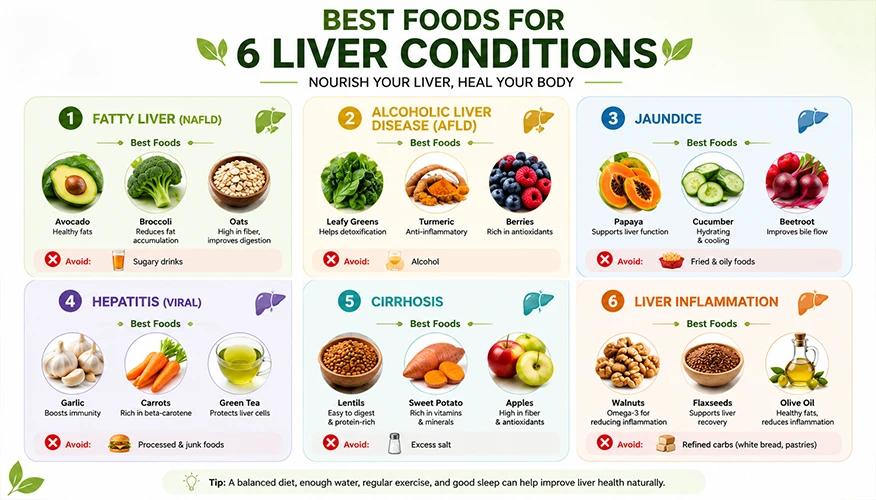
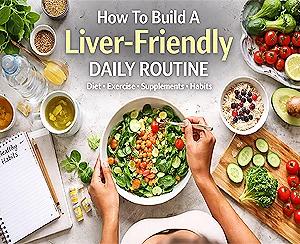
A liver-healthy diet emphasizes plant foods, lean proteins, and specific healthy fats. Key recommendations include:
- PUFA/MUFA/Omega-3s from sources like nuts (almonds, walnuts, peanuts), seeds (chia, sunflower), and olive oil, which can reverse oxidative stress in the liver.
- Focus on whole grains and pulses (lentils, beans) for fiber and energy, and a wide variety of fruits and vegetables like avocados, olives, grapes, oranges, melons, carrots, beets, broccoli, and spinach for antioxidants and digestive enzymes.
- Moderate coffee consumption may help to prevent liver cancer and can reduce the risk of other liver diseases, including fibrosis.
- Lean proteins such as tofu, fish, legumes, and limited low-fat dairy are preferred over red meat.
Foods to avoid for liver disease
To protect a compromised liver, certain foods and substances must be restricted. Alcohol is the most critical to avoid, requiring total abstinence in many cases. Avoid processed and fried foods high in saturated and trans fats, as well as high-sodium foods like processed snacks.
Cut down on added sugars and fructose found in fizzy drinks, sports drinks, and candies. Starchy foods like white rice, white bread, and potatoes should be limited, especially for those needing weight management.
Red meat (beef and lamb) and raw fish should be avoided in conditions like cirrhosis and hemochromatosis.
Conclusion
A healthy diet helps to protect our liver from disease, and if combined with other good lifestyle choices, it can prevent fatty liver, hepatitis, jaundice, and cirrhosis.
Food choices cannot prevent hereditary hemochromatosis, but can keep the condition under control. Anyone who unfortunately develops these diseases can still choose the right liver disease diet to maintain a degree of good health and quality of life.
Keep reading our nutrition blogs for credible information, and ways to maintain good liver health through diet and healthy food.
Meet our expert

Meet our expert
In her role as the Product Consultant Manager at Mega BiO-LiFE, Jillian Lai Mei Siew is instrumental in fostering a cohesive team spirit among all Product Consultants. Her primary objective is to ensure that each consultant is equipped with accurate and relevant health and nutritional information to better serve clients.
How was the experience with article?
We'd love to know!