
Living with liver cirrhosis doesn’t mean you need to avoid movement. In fact, the right kind of exercise can help you feel stronger, reduce fatigue, and improve your overall quality of life. Today, doctors recognise that safe, regular activity when done at your own pace can support better outcomes in people with cirrhosis.
Quietly working in the background, your liver filters toxins, processes nutrients, and supports overall metabolism. But when it’s under long-term stress, it can begin to show signs of damage. One of the more serious conditions is cirrhosis: a stage where healthy liver tissue is replaced by scar tissue, making it harder for the liver to function properly.
Cirrhosis is commonly linked to factors such as excessive alcohol use, viral hepatitis, and fatty liver disease - conditions that are increasingly seen across Southeast Asia and Africa. According to the World Health Organization, chronic liver diseases continue to rise in these regions, often affecting quality of life due to fatigue, weakness, and muscle loss.
The good news is that movement when done safely can help. Research published in the Journal of Hepatology shows that low-impact, structured exercise can improve strength, circulation, and overall physical function in people with cirrhosis.
The goal isn’t intense workouts: it’s safe, consistent movement. Even simple activities can help improve blood flow, reduce fatigue, and support better daily functioning.
In this guide, we’ll walk you through safe exercises for liver cirrhosis, their benefits, and a practical weekly plan to help you stay active - confidently and safely.
What is liver cirrhosis?
Liver cirrhosis is a condition where healthy liver tissue is gradually replaced by scar tissue, reducing the liver’s ability to function properly. Over time, this scarring disrupts blood flow through the liver and affects essential processes like detoxification, nutrient metabolism, and protein production.
Cirrhosis usually develops slowly and may not show symptoms in its early stages, but it can lead to serious complications if not managed.
Symptoms & complications
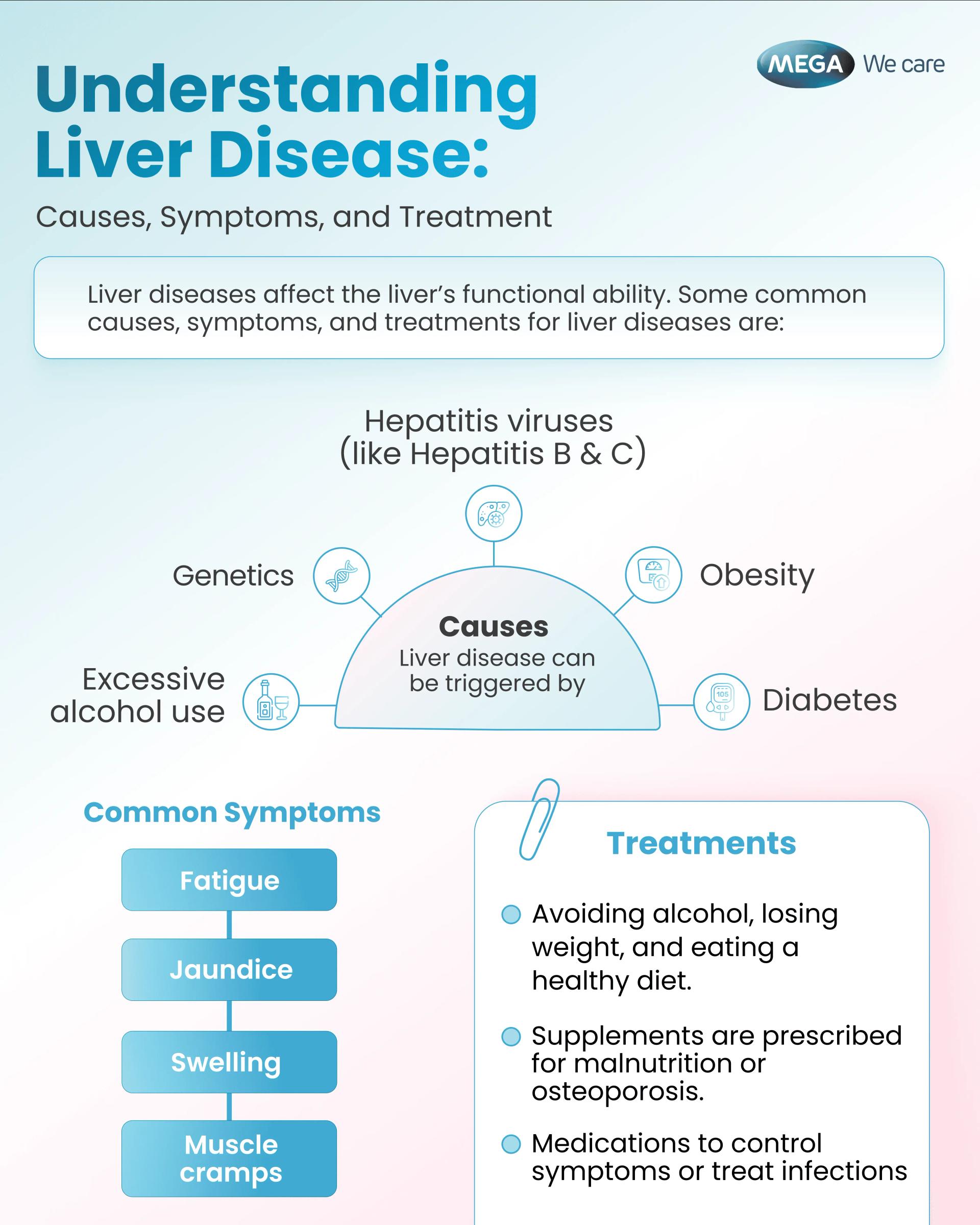
Early liver cirrhosis may not cause noticeable symptoms, but as the condition progresses, signs can include fatigue, weakness, swelling in the legs or abdomen, and yellowing of the skin or eyes (jaundice).
Advanced cirrhosis can lead to serious complications such as fluid buildup (ascites), internal bleeding, infections, and confusion due to toxin buildup in the brain. Because symptoms often appear late, early diagnosis and regular monitoring are essential.
1. What are the risks of liver cirrhosis?
Liver cirrhosis can lead to serious complications such as liver failure, portal hypertension, internal bleeding, and liver cancer if not properly managed.
Causes of liver cirrhosis
What causes liver cirrhosis?
Common causes include chronic alcohol use, hepatitis B or C, and fatty liver disease, along with autoimmune conditions and genetic disorders that lead to liver damage.
The most common causes of liver cirrhosis are:
- Chronic alcohol abuse: Long-term excessive alcohol consumption can damage liver cells, leading to inflammation and scarring.
- Hepatitis B and C infections: Persistent viral infections can cause liver inflammation and eventually lead to cirrhosis.
- Non-alcoholic fatty liver disease (NAFLD): Fat accumulation in the liver, often due to obesity and metabolic syndrome, can result in liver damage and scarring.
- Autoimmune liver diseases: Conditions like autoimmune hepatitis cause the immune system to attack liver cells, leading to fibrosis.
- Genetic disorders: Inherited conditions like hemochromatosis (iron overload) and Wilson’s disease (copper buildup) can damage the liver over time.
- Chronic bile duct diseases: Diseases such as primary biliary cirrhosis or primary sclerosing cholangitis can obstruct bile flow and cause liver fibrosis.
- Obstructive sleep apnea: Severe, untreated sleep apnea can contribute to liver damage through mechanisms like hypoxia and inflammation.
- Heart failure: Severe or prolonged heart failure can lead to congestion of the liver, causing cirrhosis over time.
- Liver cancer: Advanced liver cancer, particularly hepatocellular carcinoma, can develop within a cirrhotic liver or contribute to further liver damage.
Benefits of exercise for liver cirrhosis
How does exercise help liver cirrhosis?
Exercise improves blood flow, reduces inflammation, builds strength, and supports mental health, helping patients manage symptoms and improve overall well-being.
1. Improved liver function
Exercise can boost liver function by reducing liver inflammation and improving blood flow to the liver. This can help lessen the severity of liver-related symptoms.
2. Enhanced physical fitness and strength
Regular physical activity helps in maintaining or increasing muscle strength and endurance. This is instrumental for patients with cirrhosis who often experience muscle weakness and loss.
3. Better mental health and mood
Engaging in exercise has been proven to improve mental health and mood by reducing stress and anxiety levels. This is particularly beneficial for patients with cirrhosis who may experience psychological symptoms due to their condition.
4. Weight management and metabolism
Physical activity aids in weight management and improves metabolic health. This is vital for patients with nonalcoholic fatty liver disease and other metabolic conditions that contribute to cirrhosis.
Best exercises for liver cirrhosis patients
Low-impact exercises like walking, swimming, cycling, and stretching are considered safe for liver cirrhosis patients. These exercises help improve blood circulation without putting excessive strain on the liver.
1. Walking
A simple walk can be a great low-impact exercise which can be easily incorporated into daily routines.
2. Swimming
Swimming: Swimming is another low-impact exercise that offers a full-body workout without stressing the joints.
3. Cycling
Cycling, whether on a stationary bike or an outdoor one, is another form of low-impact activity that helps increase heart rate and improve cardiovascular health.
4. Stretching
Regular stretching can help maintain flexibility, which is often compromised in patients with liver disease.
Weekly exercise plan for liver cirrhosis
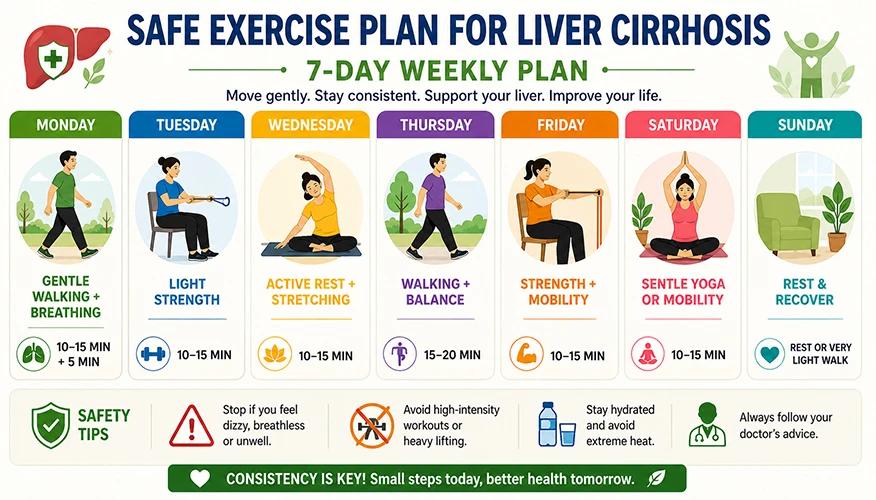
A weekly exercise plan for liver cirrhosis should focus on low-impact activities like walking, light strength training, and stretching, done consistently in short, manageable sessions to improve strength, circulation, and overall function.
The goal is to combine gentle aerobic activity (such as walking), light strength training, and flexibility exercises to help improve circulation, maintain muscle mass, and reduce fatigue, all common concerns in cirrhosis.
- Research in the Journal of Hepatology shows that structured, moderate exercise can improve physical function and quality of life in people with liver disease.
- Experts also recommend keeping sessions short (around 10–20 minutes), allowing rest days, and adjusting activity based on individual tolerance. When done regularly and safely, even simple movement can support better daily functioning and overall liver health.
Safe exercise guidelines for liver cirrhosis
How to exercise safely with liver cirrhosis?
Start with low-intensity exercise, increase gradually, stay hydrated, and stop if symptoms like dizziness or fatigue occur. Always consult a healthcare professional first.
Before embarking on an exercise program, there are a few guidelines that patients with cirrhosis should follow to ensure they do so safely.
1.Consult with healthcare professionals
It is essential to consult healthcare professionals before starting any exercise program. This ensures that it is safe and tailored to the individual's health status.
For example, assessing the risk for complications such as esophageal varices is a must.
2. Avoid high-intensity activities
Patients with cirrhosis should be aware of their individual limitations and avoid high-intensity activities to prevent worsening their condition.
Exercises should begin at a low intensity and gradually increase.
3. Focus on low-impact exercises
A balanced routine of aerobic, strength, and flexibility exercises is key to improving overall health without overloading the liver.
Here's a sample weekly plan:
Frequency and duration of workouts
- Aerobic exercises (e.g., walking, swimming, cycling): 3-4 days per week, 20-30 minutes per session.
- Strength training: 2-3 days per week, focusing on light weights or bodyweight exercises, 1-2 sets of 10-15 repetitions.
- Stretching and flexibility exercises: 4-5 days per week, aiming for 10-15 minutes per session.
Progression and modification tips
- Start at a comfortable intensity and gradually increase duration or intensity based on tolerance.
- If any exercise feels too strenuous, reduce intensity or take longer rest breaks.
- If you experience fatigue, dizziness, or pain, stop and consult with your healthcare provider before resuming.
- Progress gradually, with a focus on consistency rather than intensity, to allow the liver and body to adapt.
Rest and recovery are critical for liver cirrhosis patients, as excessive fatigue can worsen liver function and hinder overall health.
Adequate recovery between workouts ensures that the body doesn't become overstressed, promoting healing and maintaining energy levels.

Exercises to avoid with liver cirrhosis
Patients with liver cirrhosis should avoid high-intensity workouts, heavy weightlifting, and activities that significantly increase abdominal pressure, as these may worsen symptoms or increase the risk of complications such as variceal bleeding.
Conclusion
In conclusion, implementing a safe exercise regimen for liver cirrhosis can have significant benefits. From improving liver function and boosting physical fitness to enhancing mental health and aiding weight management, exercise truly is a powerful tool in managing this condition.
Always remember to consult with a healthcare professional before starting any exercise program.
Meet our expert

Meet our expert
Sharina Farhana Binti Mohd Merah is a registered Dietitian since 2022, who is passionate in helping people achieve health through Nutrition.


How was the experience with article?
We'd love to know!