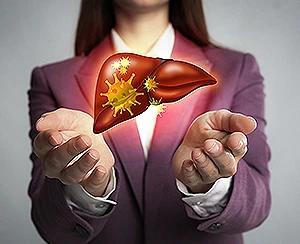
Ever felt too tired to get off the couch or dealt with bloating that won’t go away, no matter what you try? These could be signs your liver needs attention. One common issue is fatty liver disease, where excess fat builds up in liver cells.
Though it might sound alarming, liver problems are often manageable with simple lifestyle changes.
If you’re curious about how to support liver health or want to know which foods can help, you're in the right place.
Keep reading to learn how nutrition can play a key role in restoring and protecting your liver!
Understanding fatty liver disease

Metabolic associated fatty liver disease (MAFLD), commonly known as fatty liver disease, is a health condition characterized by an excessive amount of fat stored in your liver cells.
It's mainly influenced by obesity, insulin resistance, and inflammation. Interestingly, most individuals who are obese usually suffer from non-alcoholic fatty liver disease (NAFLD).
This liver condition is often associated with pre-diabetes and other metabolic disorders.
Goals of a fatty liver diet
The main objectives of the fatty liver diet is to:
- Promote weight loss: Losing weight helps reduce fat accumulation in the liver and improves overall liver function.
- Control blood sugar levels: Maintaining stable blood sugar levels is essential for preventing further fat buildup in the liver.
- Reduce inflammation: Reducing inflammation supports liver health and prevents the progression of fatty liver disease.
- Lower bad cholesterol: Lowering cholesterol levels can help reduce fat accumulation and protect the liver from further damage.
- Increase liver detoxification: Supporting the liver’s detox processes can enhance its ability to function properly and reduce the risk of liver disease progression.
- Reduce alcohol and processed food intake: Limiting alcohol and processed foods minimizes liver stress and prevents worsening fatty liver conditions.
- Increase fiber intake: Increased fiber intake promotes liver health by improving digestion and stabilizing blood sugar levels.
Foods that help fatty liver disease
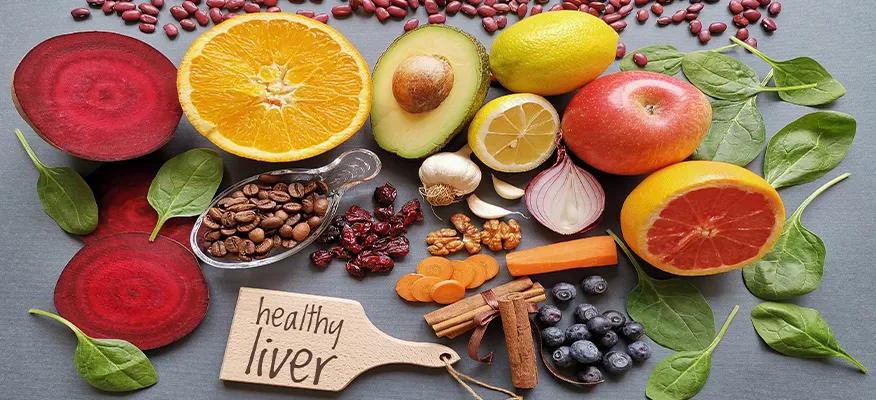
When it comes to a diet that supports liver health and aims to reduce fatty liver, there are several food groups you should focus on:
- Lean proteins: Legumes (beans, lentils) and soy products (tofu) help repair the liver, being high in fiber and low in fat.
- Whole grains: Oats, quinoa, barley, and brown rice support liver function and provide fiber.
- Fruits and vegetables: Limit fruits to 2 servings per day due to fructose, but focus on leafy greens for antioxidants and nutrients.
- Dairy: Milk, cheese, and yogurt provide protein and calcium, but consume in moderation.
Healthy fats: Olive oil, avocado, nuts, and seeds (especially flaxseeds and walnuts) offer omega-3s to reduce inflammation and support liver health.
LIVOLIN FORTE
Foods to avoid with fatty liver
Steering clear of certain foods is as crucial as including beneficial ones when you're trying to reverse fatty liver condition.
These include:
- Refined carbohydrates: White bread, pasta, pastries, and other foods made with refined flour can increase liver fat and worsen insulin resistance.
- Sugary foods and drinks: Sugary sodas, fruit juices, candies, and baked goods with added sugars can contribute to fat buildup in the liver.
- Alcohol: Alcohol is directly toxic to the liver, and it can exacerbate liver inflammation and fat accumulation.
- Fried foods: Foods that are deep-fried or prepared with trans fats can increase fat storage in the liver and promote inflammation.
- Processed foods: Snacks like chips, crackers, and packaged foods often contain unhealthy fats, excess sugar, and additives that can worsen liver health.
- Full-fat dairy: Cheese, cream, and other full-fat dairy products contain saturated fats that can worsen liver function.
- Trans fats: Found in many processed snacks, cookies, chips, and baked goods, trans fats contribute to liver fat accumulation and inflammation.
Antioxidants and supplements for liver health
In addition to a balanced diet for fatty liver, there are several antioxidants and supplements that can help improve the health of your liver:
- Antioxidants: Foods high in antioxidants protect liver cells from potentially harmful oxidative stress and inflammation. These include:
- Berries (blueberries, strawberries, raspberries, blackberries) are rich in vitamins C and E, and flavonoids, which reduce oxidative damage and inflammation in the liver.
- Leafy greens (spinach, kale, arugula) are packed with chlorophyll and antioxidants that help cleanse the liver and support detoxification.
- Nuts and seeds (almonds, walnuts, chia seeds, flaxseeds) provide healthy fats, vitamin E, and other antioxidants that support liver regeneration and reduce inflammation.
- Citrus fruits (lemons, oranges) are high in vitamin C and flavonoids, which help neutralize free radicals and support detoxification.
- Supplements: Certain supplements can further aid liver health:
- Milk thistle helps with liver detoxification due to its flavonoids content.
- Zinc supports immune function and cell repair while reducing inflammation.
- Selenium assists in fat metabolism and reduces oxidative stress on the liver.
Vitamins and minerals good for liver
Including specific vitamins and minerals in your diet can enhance liver health:
- Vitamin B: Helps with liver function and metabolism of fats, proteins, and carbohydrates. Sources include whole grains like brown rice, oats, and quinoa, legumes such as lentils and chickpeas, and green leafy vegetables like spinach and kale.
- Vitamin C: Aids in protein metabolism, limiting fat deposition in the liver. It is found in citrus fruits such as oranges and lemons, bell peppers, broccoli, and potatoes.
- Vitamin D: Prevents metabolic and inflammatory liver diseases. Sources include fortified plant-based milks (like almond or soy milk), exposure to sunlight, and mushrooms.
- Vitamin E: Protects cell membranes from oxidation. You can get it from nuts and seeds like almonds and sunflower seeds, leafy greens and olive oil.
- Choline: Assists in fat metabolism and cholesterol transport. Plant-based sources include tofu, broccoli, Brussels sprouts, and quinoa.
- Magnesium: Regulates liver enzyme function and supports detoxification. Sources include dark leafy greens like spinach, nuts, seeds, and whole grains.
Sample fatty liver diet plan
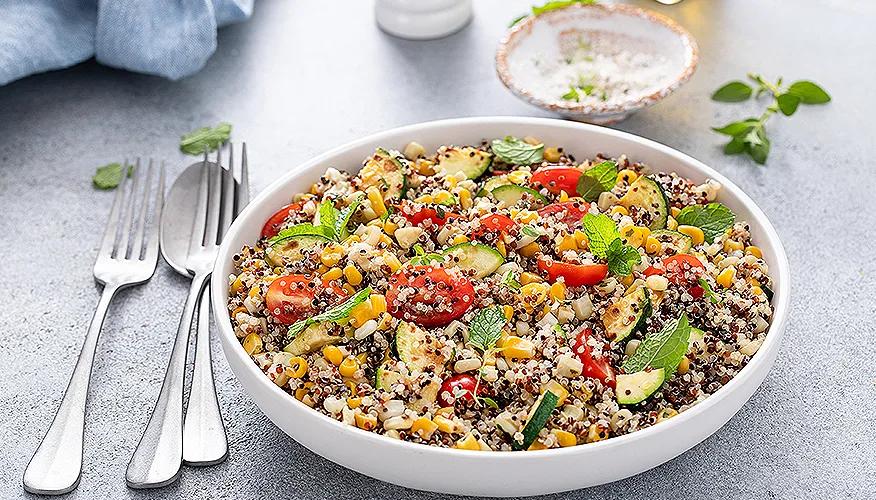
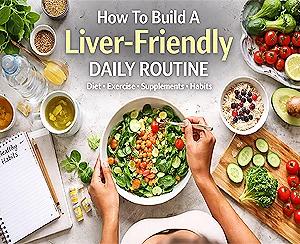
Here is a simple example of a fatty liver diet plan:
- Breakfast: Oatmeal topped with fresh berries and a handful of almonds or walnuts, or wholegrain toast with mashed avocado and chia seeds.
- Lunch: Quinoa salad with mixed greens, chickpeas, cucumber, tomato, and olive oil dressing, or lentil soup with a side of steamed broccoli.
- Dinner: Stir-fried tofu with bell peppers, spinach, and brown rice, cooked in olive oil, or vegetable curry with sweet potatoes and a side of quinoa.
- Snacks: Fresh fruit (such as an apple or pear) with a small handful of almonds, or carrot and cucumber sticks with hummus.
Lifestyle tips to support liver health
Here are some of the lifestyle tips to support liver health:
- Stay hydrated by drinking plenty of water throughout the day.
- Eat a balanced diet rich in fruits, vegetables, whole grains, and healthy fats.
- Avoid excessive alcohol consumption to reduce strain on the liver.
- Maintain a healthy weight through regular physical activity and a balanced diet.
Get enough sleep each night to support overall health and liver detoxification.
LIVOTONE
Conclusion
Taking care of your liver is crucial to maintaining overall health, especially when managing fatty liver.
By focusing on nutrient-dense, liver-friendly foods like leafy greens, healthy fats, lean proteins, and antioxidant-rich fruits, you can support your liver in its detoxification and fat-burning processes. On the flip side, avoiding alcohol, refined sugars, and unhealthy fats helps reduce the strain on this vital organ.
The right diet can make a world of difference in reversing fatty liver and preventing further complications. It’s not just about what you avoid; it’s about what you choose to nourish your body with.
Small, consistent changes to your diet today can lead to a healthier liver and a brighter, more energetic tomorrow. Start making these mindful choices and watch your liver and your health—thrive!
Meet our expert

Dr. Lozynska Liudmyla Yaroslavivna
Psychiatry & Psychotherapy
Ukraine
Dr. Lozynska Liudmyla YaroslavivnaMeet our expert
She graduated from Lviv National Medical University. She has a specialization in psychiatry and psychotherapy. She have published scientific articles: “Anemia of Pregnant Women”; “Urinary Tract Infections”.
How was the experience with article?
We'd love to know!