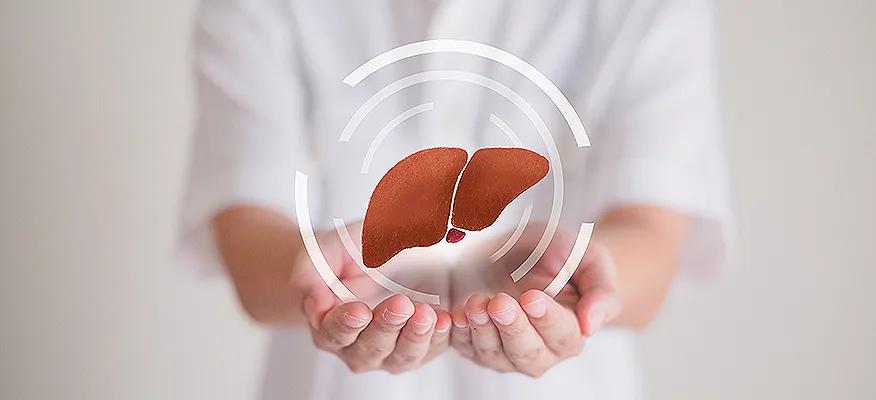
Ever noticed how a sudden wave of fatigue can derail your whole day? As we juggle the demands of modern life, we often overlook the powerhouse within us that's silently working around the clock – our liver.
When our liver health is compromised, the impact pervades every corner of our well-being, from feeling drained to experiencing digestive issues.
Have you ever pondered why, despite all your wellness endeavors, you find yourself feeling sluggish more often than you'd like? Is it possible that your liver is trying to tell you something?
Prepare to learn more about the vital role your liver plays in maintaining your health and find practical ways to enhance liver function and enhance your general well-being!
Understanding the liver
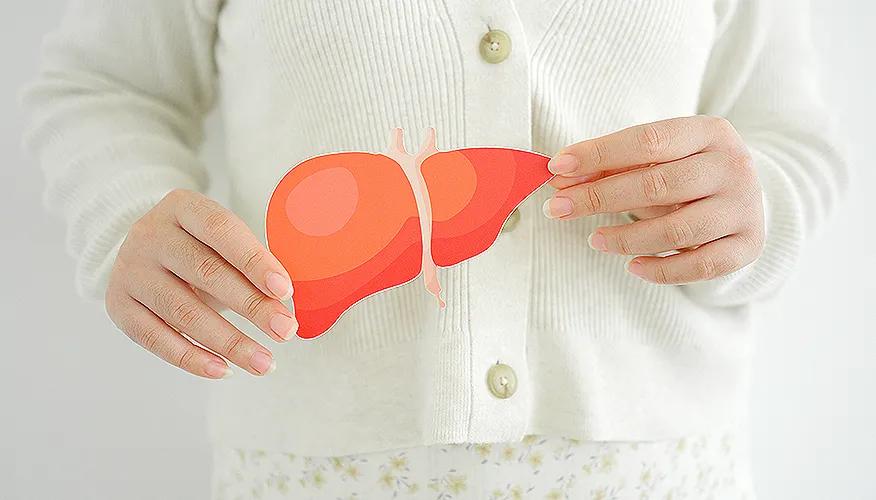
The liver plays a crucial role in maintaining our health. Located in the upper right portion of your abdomen, its roles are diverse and vital.
Without it, the body wouldn't be able to filter toxins or waste products from the bloodstream.
The liver is also responsible for producing bile, aiding in the digestion and absorption of fats, which is essential for normal liver function.
It’s a storage depot too, holding onto essential vitamins, minerals, and glycogen to serve as energy sources when needed.
Functions of the liver
The liver performs a myriad of vital functions that keep our bodies functioning optimally.
These functions include:
- Detoxification: The liver purifies our blood by removing toxins and waste products.
- Metabolism: It breaks down the nutrients from the food we consume, transforming them into energy for our body.
- Production of bile: This aids in the digestion and absorption of fats and fat-soluble vitamins.
- Storage of vitamins and minerals: The liver stores vital vitamins such as A, D, E, K and B12, and iron.
- Blood sugar regulation: By storing glycogen (a form of sugar), the liver helps maintain normal blood sugar levels.
- Production of proteins: The liver produces essential proteins used for blood clotting and other necessary bodily functions.
Signs of a healthy liver
Knowing the signs of a healthy liver can help us ensure its normal function.
Indicators of a healthy liver include:
- Normal energy levels: Feeling energetic throughout the day indicates your metabolism is working well.
- Good digestion: Absence of bloating, gas or discomfort after meals shows proper digestion and absorption of nutrients.
- Clear skin: No yellowing or discoloration of skin or eyes suggests good liver health.
- Regular bowel movements: Regular, healthy bowel movements indicate efficient bile production.
Common liver disorders
There are several common disorders that can affect liver health:
- Alcoholic liver disease (ALD): This is caused by excessive alcohol consumption.
- Non-alcoholic fatty liver disease (NAFLD): This is commonly associated with obesity, type 2 diabetes, hypertension, and high triglycerides.
- Hepatitis B and C: These blood-borne viruses can lead to chronic liver disease.
- Cirrhosis: This is scarring of the liver tissue caused by long-term damage.
- Fatty liver disease: This happens when there is a buildup of fat in the liver cells.
Symptoms of liver problems
Here are some common symptoms that indicate potential liver problems:
- Jaundice: Yellowing of the skin and eyes.
- Gallstones: These can cause a blockage of bile flow.
- Enlarged liver: This condition, known as hepatomegaly, can cause discomfort or pain in the upper right abdomen.
- Portal hypertension: This increased pressure in the portal vein that carries blood from the digestive organs to the liver can lead to serious complications.
- Ascites: This fluid buildup in the abdominal cavity can cause bloating and discomfort.
- Esophageal varices: These enlarged veins at the lower end of the esophagus can bleed significantly.
- Liver encephalopathy: A buildup of toxins in the brain that affects mental function.
- Fatigue: A general feeling of being tired or weak all the time.
- Loss of appetite: A decreased interest in food over a prolonged period.
- Itchy skin: Persistent itchiness without a visible rash or bites
- Swelling in legs, ankles, or feet: Also known as edema, this swelling can be due to fluid retention often associated with liver disease.
Risk factors for liver disease
Certain lifestyle choices and conditions can increase your risk of liver disease.
These risk factors include:
- Excessive alcohol consumption: This can lead to alcoholic liver disease (ALD).
- Blood-borne viruses: Viruses like hepatitis B and C can cause serious liver damage.
- Obesity: Being overweight can increase your risk of non-alcoholic fatty liver disease (NAFLD).
- Metabolic diseases: Conditions like diabetes, metabolic syndrome, and high levels of triglycerides can increase liver disease risk.
- Smoking: Regular use of tobacco can increase the risk of liver cancer and other liver diseases.
Gender: Certain types of liver disease are more common in women than in men.
LIVOLIN FORTE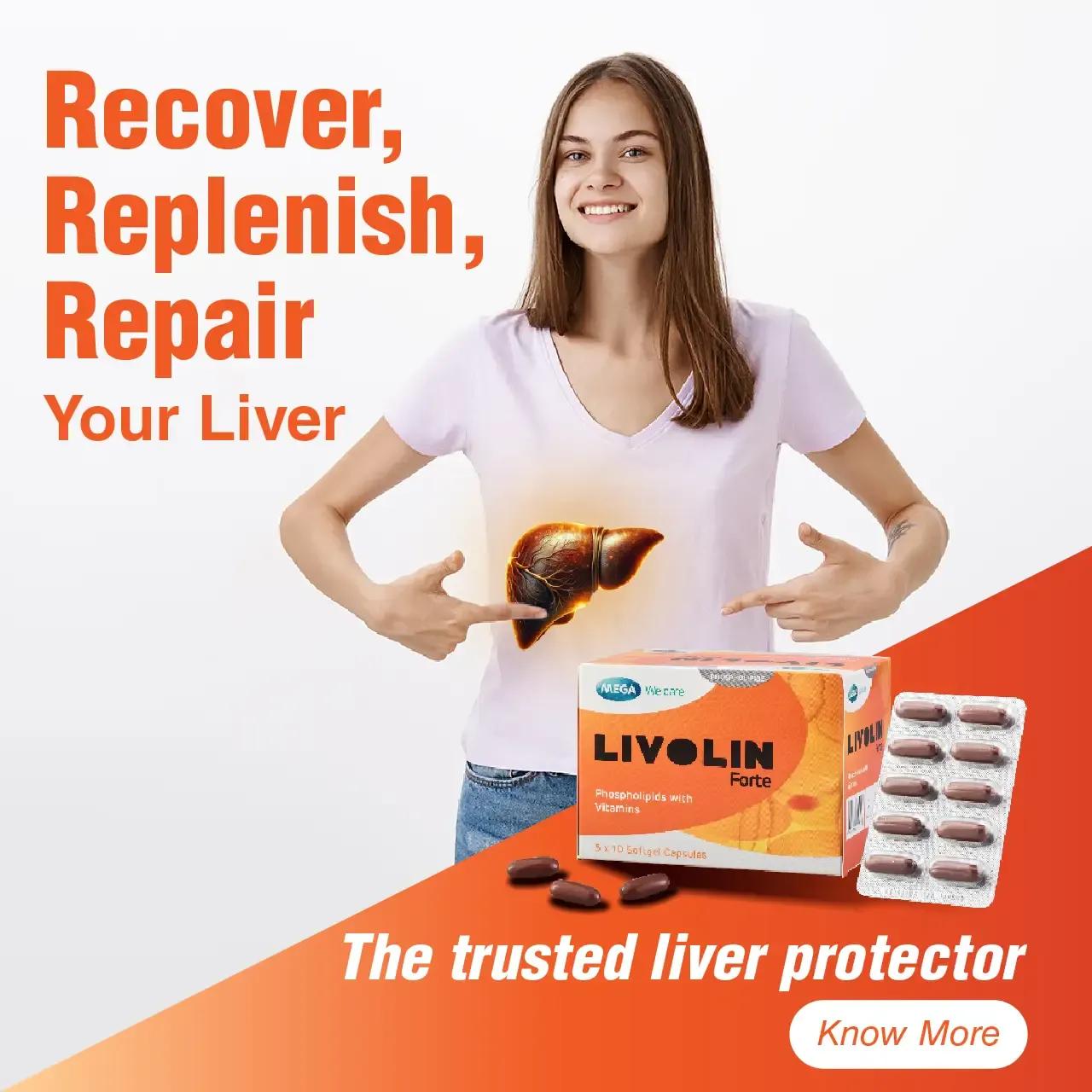
Dietary tips for liver health
A balanced diet is essential for maintaining good liver health. Here are some foods that are good for your liver:
- Beetroots and carrots: These vegetables are rich in flavonoids and beta-carotene which can enhance liver function.
- Lemons: Drinking warm lemon water first thing in the morning can help detoxify your liver.
- Apples and leafy vegetables: Apples contain pectin that helps cleanse the liver. Leafy green vegetables like spinach, collard greens, broccoli, and Brussels sprouts are excellent for overall liver health.
- Reducing saturated fats: Limiting the intake of dairy products and deep-fried foods can help keep your liver healthy.
- Limiting processed foods: Avoid foods with trans fats or hydrogenated oils as these can damage your liver.
Lifestyle habits for liver health
Adhering to healthy lifestyle habits can go a long way in maintaining optimal liver function:
- Regular exercise: Engage in at least 30 minutes of moderate exercise like walking, swimming, or cycling daily to maintain a healthy weight and reduce stress on your liver.
- Moderate alcohol consumption: Limit your alcohol intake and avoid binge drinking.
- No smoking: Avoid smoking as it can cause irreversible damage to your liver.
- Stay hydrated: Drink plenty of water throughout the day to flush out toxins from your body.
Liver-boosting superfoods
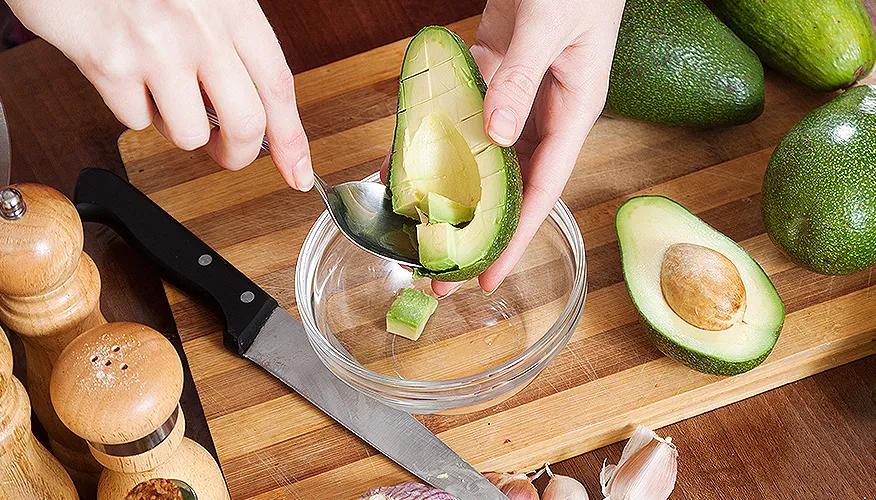
Incorporate these superfoods into your diet to boost your liver health:
- Garlic: This helps activate enzymes in the liver that can help flush out toxins.
- Green tea: Full of plant-based antioxidants known as catechins, this beverage is known to improve liver health.
- Grapefruit: High in antioxidants and vitamin C, grapefruit increases the natural cleansing processes of the liver.
- Avocados: These promote liver health by helping the body produce a type of antioxidant called glutathione.
Warning signs of liver damage
Watch for these warning signs that may indicate liver damage:
- Jaundice: This yellowing of the skin and eyes can indicate a problem with liver function.
- Abdominal pain or discomfort: Persistent pain or a sensation of fullness in the upper right abdomen could indicate liver inflammation or damage.
- Swollen legs and ankles: This could be due to fluid retention caused by liver disease.
- Unexplained fatigue or weakness: Feeling unusually tired or weak, even with adequate rest, can be an early symptom of liver problems.
- Dark urine color: Dark or brown urine can indicate a problem with liver function or hydration status.
Preventive care and regular screening
Taking preventive measures and going through regular screening can help detect liver problems early:
- Vaccination against hepatitis B and C: If you're at risk, getting vaccinated can prevent these diseases from affecting your liver.
- Regular health checkups: Regular visits to your healthcare provider can help detect potential issues early. Regular blood tests and screenings can check for signs of liver disease.
Natural remedies for liver support
Here are some natural remedies believed to support liver health:
- Milk thistle: Contains silymarin, which has antioxidant properties that help protect liver cells from damage and support regeneration.
- Dandelion root: Known for stimulating bile production, aiding in digestion and promoting liver detoxification.
- Turmeric: The active compound curcumin helps reduce liver inflammation and supports healthy liver function with its antioxidant effects.
- Green tea: Rich in catechins, green tea can help reduce fat buildup in the liver and improve overall liver function.
When to see a doctor
If you experience persistent jaundice, dark urine, abdominal pain or swelling, or unexplained fatigue or weakness that doesn't improve with rest, it's time to seek medical attention.
Additionally, signs of hepatic encephalopathy—such as confusion or memory issues—should not be ignored.
Conclusion
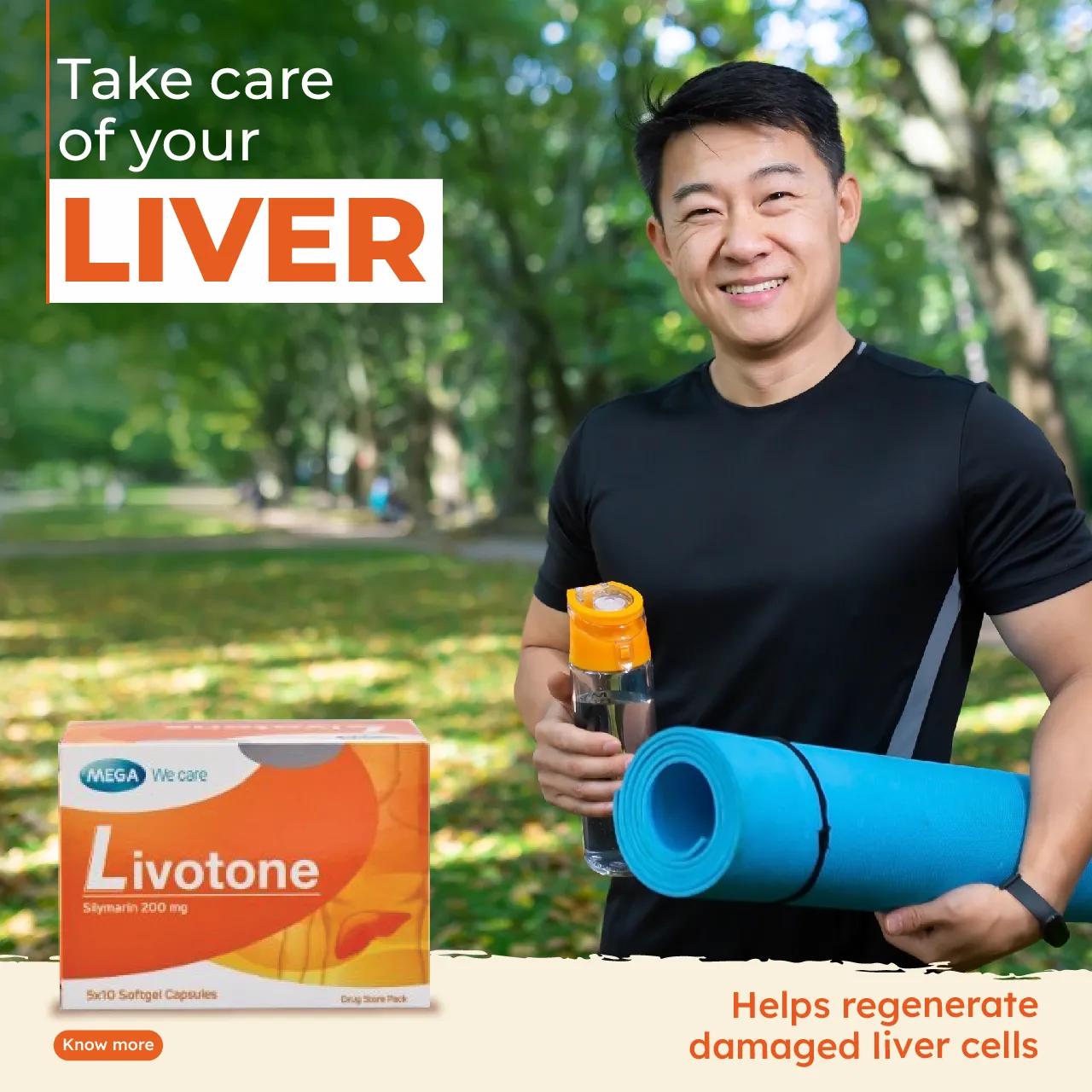
Maintaining good liver health is an essential part of overall well-being.
By understanding the importance of the liver, recognizing signs of possible disorders, and adopting a healthy lifestyle which includes a balanced diet and regular exercise, you can significantly contribute towards keeping your liver healthy.
Meet our expert

Meet our expert
Dr Sylvia Kama-Kieghe is a UK-based General Practitioner with a special interest in Women's Health and founder of Askawayhealth. She's also a tutor and medical student examiner. She is a Fellow of the Royal College of General Practitioners (FRCGP), Fellow of the Royal Society of Public Health (FRSPH), Fellow of the Royal Society of Medicine (FRSM), and holds a Diploma of the Faculty of Sexual and Reproductive Healthcare (DFSRH).
How was the experience with article?
We'd love to know!