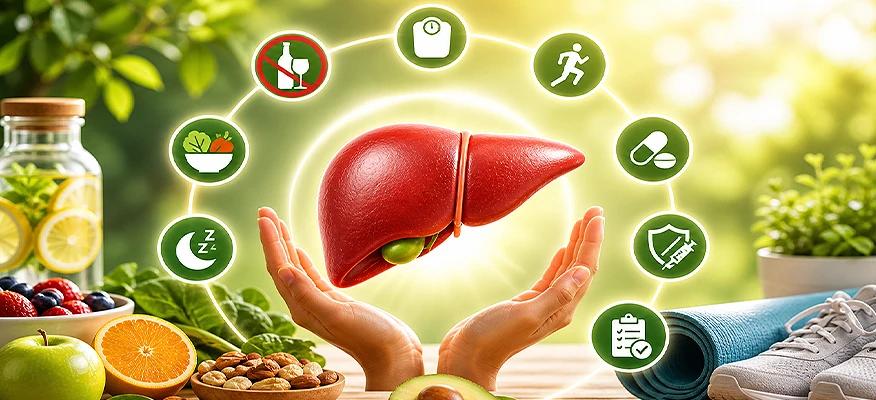
If you want to improve liver health, the most effective approach is surprisingly simple: eat better, move more, reduce alcohol, and support your metabolism. These everyday habits directly influence how your liver processes fat, sugar, and toxins which is often more than any “detox” product. These steps help reduce liver fat, improve liver function, and lower the risk of conditions like fatty liver disease.
Remember, your liver works quietly in the background, managing digestion, energy balance, and toxin removal. But modern routines: processed foods, low activity, frequent snacking, are increasing the risk of conditions like Non-alcoholic fatty liver disease, even in people who don’t drink alcohol. According to the World Health Organization, lifestyle-related liver issues are rising rapidly across Southeast Asia and Africa, often without early symptoms.
What’s becoming clearer from research in journals like The Lancet Gastroenterology & Hepatology is that liver health is deeply connected to metabolic health: how your body handles sugar, fat, and even gut function. This means small, consistent changes can have a powerful impact, especially when started early.
The good news? The liver is one of the few organs that can repair itself when given the right support. The eight simple tips ahead focus on what actually works to improve liver health: helping reduce liver fat, improve function, and support long-term health in a practical, sustainable way.
Why liver health is important
Like a central factory, your liver is in charge of metabolizing food, clearing toxins, and building protein.
- Filtering Blood: It removes toxins, waste, alcohol, and drugs from the bloodstream.
- Aiding Digestion: It produces bile, which is crucial for breaking down fats in the small intestine.
- Storing Nutrients: It stores and releases essential minerals and vitamins like A, D, E, K, and B12.
- Regulating Clotting: It helps maintain blood clotting by absorbing and storing Vitamin K.
- Producing Proteins: It creates albumin and good cholesterol, which aid in carrying fats through the body and preventing fluid leaks.
These are just a few of the hundreds of functions your liver performs, emphasizing why its care is of utmost importance.
Quick Answer
How can you improve liver health?
The most effective way to improve liver health is through consistent lifestyle changes. This includes eating a nutritious diet rich in whole foods, achieving and maintaining a healthy weight, limiting alcohol, and ensuring regular physical activity.
8 ways to improve liver health
The most effective ways to improve liver health include eating whole foods, staying active, maintaining a healthy weight, limiting alcohol, and protecting the liver from infections and toxins.
1. Limit alcohol consumption: Reducing alcohol intake lowers liver fat and prevents long-term damage such as fibrosis and cirrhosis. Even moderate drinking can contribute to liver stress, especially when combined with metabolic risk factors. Evidence from World Health Organization links alcohol use to a significant share of global liver disease burden.
2. Maintain a healthy body weight: Losing just 5–10% of body weight can significantly reduce liver fat and inflammation in people with fatty liver disease. Clinical evidence published in The Lancet Gastroenterology & Hepatology shows sustained weight loss improves liver function and can even reverse early-stage disease.
3. Stay physically active: Regular exercise helps reduce liver fat by improving insulin sensitivity and fat metabolism. Studies show both aerobic and resistance training can lower liver fat, even without major weight loss.
4. Reduce added sugar and refined carbohydrates: High intake of sugar, particularly fructose, is associated with increased fat buildup in the liver. Limiting sugary drinks and processed carbohydrates supports better liver and metabolic health.
5. Be cautious with medications and supplements: The liver processes most medications, and excessive or inappropriate use can lead to liver injury. Drugs like Paracetamol, when overused, are a well-known cause of liver toxicity. Always follow medical guidance and avoid unnecessary supplementation.
6. Protect against viral hepatitis (vaccination & testing): Vaccination against hepatitis A and B significantly reduces the risk of liver inflammation and long-term damage. Screening for hepatitis C is equally important, as it often remains asymptomatic until advanced stages. Global guidelines from the World Health Organization emphasise early detection and prevention.
7. Support gut health: The gut and liver are closely connected through the gut–liver axis. A fibre-rich diet and balanced microbiome can reduce inflammation and support better liver function, as highlighted in research from Nature Reviews Gastroenterology & Hepatology.
8. Avoid environmental toxins: Exposure to chemicals such as pesticides, aerosols, and industrial toxins increases the liver’s detoxification burden. Reducing exposure helps prevent unnecessary liver stress and supports long-term function.
Foods that support liver health
The liver requires antioxidants, fiber, and healthy fats to function efficiently. Incorporating a plant-based, whole-food diet is the best way to reduce fat and inflammation.
- Fruits and Berries: Berries (blueberries, strawberries) supply antioxidants like anthocyanins that reduce liver damage. Citrus fruits like lemons and grapefruit contain Vitamin C and naringenin, which support natural detoxification and repair.
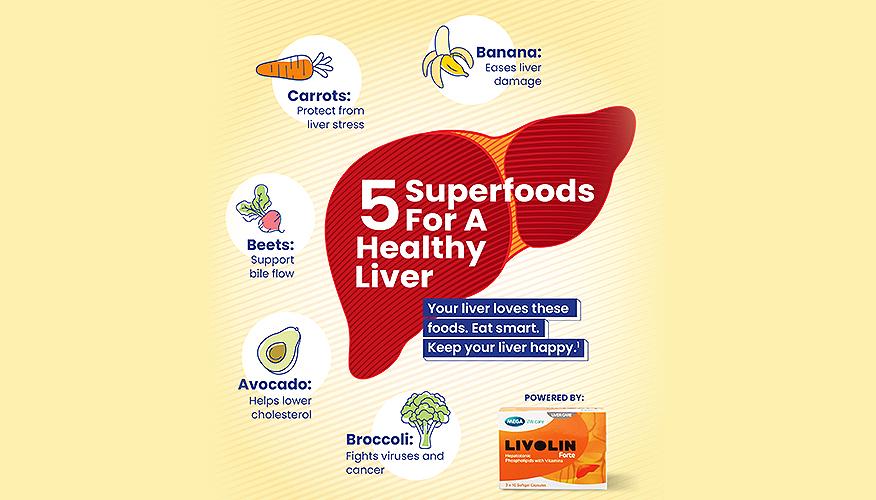
- Cruciferous Vegetables: Broccoli, cauliflower, and Brussels sprouts contain compounds that help the body produce the enzyme glutathione, which is crucial for detoxification.
- Nuts and Healthy Fats: Almonds, walnuts, and fatty fish (like salmon) are rich in Omega-3 fatty acids and Vitamin E, which reduce inflammation and the risk of non-alcoholic fatty liver disease. Extra virgin olive oil also helps reduce fat buildup. Additionally, supplements containing Lecithin may help support liver health by aiding in fat metabolism.
- Green Tea and Coffee: Moderate consumption of black coffee or green tea is linked to reduced fat buildup, lower liver enzyme levels, and a decreased risk of scarring.
Symptoms of poor liver health
Liver damage often progresses quietly, and symptoms are vague at first. Paying attention to these warning signs is crucial for early detection:
- Fatigue and Weakness: Constant, persistent tiredness that doesn't improve with rest, as the liver struggles to clear toxins.
- Yellow Skin (Jaundice): A visible warning sign that occurs when bilirubin builds up in the bloodstream, often starting in the whites of the eyes.
- Dark Urine: Urine may appear dark yellow, amber, or brown, indicating disrupted bile flow.
- Abdominal Pain: A dull ache or pressure in the upper right abdomen, which can signal liver inflammation or enlargement.
- Loss of Appetite and Nausea: Digestion can become less efficient, leading to feeling full quickly or a reduced desire to eat.
- Itchy Skin: Persistent itching without a rash, caused by bile salts accumulating under the skin.
When to see a doctor
Consult a medical professional if you notice ongoing symptoms like persistent fatigue, nausea, dark urine, or abdominal discomfort. Seek immediate medical care for severe symptoms, which include:
- Yellowing of the eyes or skin (jaundice).
- Rapid swelling in the abdomen or legs (ascites).
- Sudden confusion or brain fog.
- Vomiting blood or black stools.
- Severe abdominal pain.
Conclusion
The liver is a crucial organ, and adopting simple, consistent lifestyle changes ensures its smooth functioning and longevity. The best ways to love your liver are through diet changes, an active lifestyle, and lowering alcohol intake.
While lifestyle changes form the foundation of good liver health, some individuals may benefit from additional nutritional support. Formulations like Livolin Forte contain essential phospholipids that help support liver cell repair and function. When used alongside healthy habits such as balanced nutrition and regular physical activity, they can play a supportive role in maintaining liver health over time.
A healthy liver sets the foundation for a healthier and happier you.
Disclaimer: This content is intended for informational purposes only and should not be considered medical advice. Always consult a qualified healthcare professional before making changes to your diet, lifestyle, or medication.
Meet our expert

Meet our expert
Dr. Pulyk Nataliya Omelanivna is an Internal Medical Expert who is based out of Ukraine. With a special interest in internal medicine Dr Pulyk graduated from the Ternopil National Medical Academy in Ukraine, in the year 2001. Between the years 2002-2009, Dr Pulyk worked as an emergency physician. Her years of work as an emergency physician gave her immense exposure to a range of patients and an opportunity to learn on the job, and gather extensive experience.
How was the experience with article?
We'd love to know!