
Cardamom tea is a warm, aromatic herbal drink made by brewing crushed cardamom pods. It offers a wide range of health benefits, including improved digestion, reduced inflammation, and support for healthy blood pressure and cholesterol levels. Additionally, cardamom tea acts as a natural detoxifier, boosts immunity, and may aid in weight management.
Have you ever sipped a cup of tea and felt an instant sense of calm and warmth wash over you? It’s not just any tea I'm talking about, but the aromatic and invigorating cardamom tea. If that sounds enticing, wait until you hear about the stunning health benefits this elixir holds!
In many homes across Southeast Asia and East Africa, a cup of spiced tea isn't just a beverage — it's a ritual. While ginger and cloves often take the spotlight, there’s a lesser-sung hero that adds both warmth and wellness: cardamom.
Known for its rich aroma and slightly sweet, herbal taste, cardamom has quietly been a part of our kitchens and herbal medicine cabinets for generations.
Whether it’s brewed in Tanzanian spiced tea, added to Swahili pilau, or mixed into Malaysian or Thai herbal blends, cardamom carries centuries of healing tradition in its tiny green pods. And when steeped into tea, it turns into a powerhouse drink that supports digestion, freshens breath, and helps the body detox naturally. So stick around, because we are just about to dive into the myriad health benefits of cardamom tea that you probably never knew existed!
Get ready to transform your regular tea-drinking routine into an experience of wellness and self-care!
Cardamom: Queen of Spices
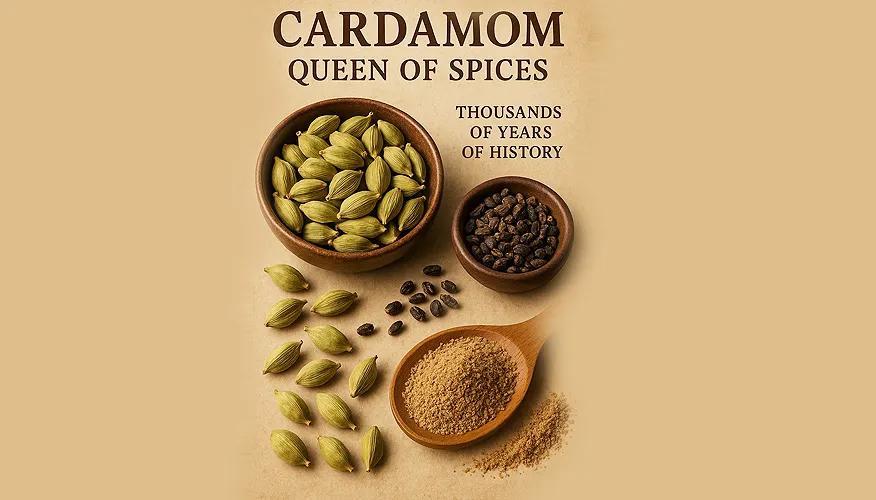
Cardamom, often called the queen of all spices, has a rich history dating back thousands of years. Native to India and Southeast Asia, this aromatic spice is an essential part of Asian culinary traditions. It comes from the seeds of various plants in the ginger family and is prized not only for its distinctive sweet and spicy flavor but also for its medicinal properties.
Cardamom is commonly available in three forms: whole pods, seeds, and ground powder. The whole pods are the freshest and most aromatic, while the seeds inside the pods contain the most potent flavor. Its unique taste enhances a variety of dishes, making meals delicious and fragrant.
What is Cardamom Tea?
Cardamom tea is an aromatic beverage made by infusing crushed cardamom seeds or pods in hot water. It carries a slightly sweet, spicy flavor with hints of floral and citrus notes. This tea offers a genuine sensory experience with its soothing aroma and distinctive taste. Apart from its pleasing essence, cardamom tea is highly revered for its health benefits. From improving digestion to boosting immunity, each sip brings a wealth of wellness.
Key Health Benefits of Drinking Cardamom Tea

Cardamom, often referred to as the "queen of spices," has been cherished for centuries not only for its aromatic flavor but also for its numerous health benefits. Drinking cardamom tea is a simple yet effective way to harness the power of this spice. Packed with antioxidants, anti-inflammatory compounds, and essential oils, cardamom tea can promote overall health, from improving digestion and enhancing oral health to boosting immunity and reducing stress.
Below are some of the most notable health benefits of cardamom tea that can help you lead a healthier, more vibrant life.
1. Cardamom Tea Supports Digestion and Gut Health
Cardamom has been traditionally used to aid digestion. It can help reduce bloating, gas, and indigestion by stimulating the secretion of digestive enzymes. Drinking cardamom tea after meals can promote a healthy digestive system and relieve stomach cramps. Additionally, cardamom may help with more serious digestive issues like ulcers, providing relief from discomfort and promoting faster healing.
2. Cardamom Tea Is Rich in Antioxidants
Cardamom contains powerful antioxidants that help neutralize harmful free radicals, reducing oxidative stress in the body. This supports immune function, slows down aging, and helps protect cells from damage. The antioxidants in cardamom may also have cancer-fighting properties, with certain compounds showing promise in inhibiting the growth of cancer cells.
3. Cardamom Tea Supports Heart Health and Blood Pressure
Cardamom tea may support heart health by helping improve blood circulation and maintain healthy blood pressure levels. Cardamom contains natural antioxidants and minerals such as potassium, which play a role in relaxing blood vessels and supporting proper blood flow. This can help reduce strain on the heart and promote overall cardiovascular function.
The antioxidant compounds found in cardamom, including flavonoids and polyphenols, help combat oxidative stress—one of the key factors linked to heart disease. By reducing oxidative damage and inflammation in blood vessels, cardamom tea may contribute to better heart health over time.
Additionally, cardamom has mild diuretic properties, which may help the body eliminate excess sodium and fluid. This effect can be beneficial for people looking to manage high blood pressure naturally. When consumed in moderation as part of a balanced diet and healthy lifestyle, cardamom tea can be a heart-friendly beverage choice.
4. Cardamom Tea Has Anti-Inflammatory Properties
The compounds in cardamom, such as cineole and limonene, have strong anti-inflammatory effects. Drinking cardamom tea may help reduce chronic inflammation, which is linked to health conditions like arthritis, joint pain, and inflammatory bowel diseases. By reducing inflammation, cardamom may also lower the risk of chronic diseases like heart disease, diabetes, and cancer.
5. Cardamom Tea Improves Oral Health
Thanks to its antibacterial and antimicrobial properties, cardamom tea can help fight oral bacteria, reduce bad breath, and prevent gum disease and cavities. Chewing cardamom pods has traditionally been a natural remedy for fresher breath. Additionally, its antibacterial properties may help treat infections throughout the body.
6. Cardamom Tea Supports Respiratory Health
Cardamom is a natural expectorant and can help clear mucus, relieve chest congestion, and improve airflow. Cardamom tea may provide relief from symptoms of colds, asthma, bronchitis, and sore throat. Furthermore, cardamom may improve overall breathing and oxygen use, making it beneficial for those with respiratory issues.
7. Cardamom Tea May Support Weight Management
Cardamom may boost metabolism and help the body burn fat more efficiently. As part of a healthy diet and active lifestyle, cardamom tea may support weight loss and reduce abdominal fat by improving digestion and curbing appetite.
8. Cardamom Tea Reduces Stress and Anxiety
The aroma and compounds in cardamom have calming effects on the nervous system. Cardamom tea may help reduce anxiety, promote relaxation, and uplift mood, making it a great addition to a stress-relief routine.

9. Cardamom Tea Relieves Nausea and Vomiting
Cardamom is well-known for its ability to ease nausea and vomiting. It is often used in traditional medicine to manage morning sickness, motion sickness, and general stomach discomfort. Sipping warm cardamom tea can calm the stomach naturally.
10. Cardamom Tea Enhances Skin and Hair Health
Drinking cardamom tea regularly may support healthier skin and hair due to its antioxidant and antibacterial properties. The antioxidants in cardamom help combat free radicals, which are known to cause premature aging and skin damage. This can lead to a more radiant complexion and reduced signs of aging. Additionally, the antibacterial nature of cardamom may help fight skin infections and acne. For hair health, cardamom’s circulation-boosting effect can improve scalp health and potentially strengthen hair follicles, reducing hair fall and promoting stronger, shinier hair over time.
11. Cardamom Tea Helps Balance Blood Sugar
Preliminary research suggests that cardamom may help regulate blood sugar levels. Its antioxidant properties can improve insulin sensitivity, making cardamom tea a supportive drink for people concerned with glucose control.
12. Cardamom Tea Promotes Detoxification
Cardamom has natural diuretic properties, which help flush out toxins and excess fluids from the body. Drinking cardamom tea can support kidney function, reduce water retention, and promote overall detoxification.
13. Cardamom Tea May Contain Compounds That Support Cellular Health
Cardamom contains bioactive compounds such as cineole and flavonoids, which are known for their antioxidant and anti-inflammatory properties. These compounds help reduce oxidative stress in the body — a process linked to cellular damage and long-term health concerns.
Some preliminary laboratory studies suggest that cardamom extracts may influence abnormal cell activity. However, these findings are early-stage and do not confirm any cancer-preventive or treatment effects in humans.
Drinking cardamom tea may support overall cellular health by helping the body defend against oxidative damage when consumed as part of a balanced diet and healthy lifestyle.
Important note: Cardamom tea should not be considered a treatment or prevention method for cancer. Anyone with health concerns should consult a qualified healthcare professional.

14. Cardamom Tea May Support Liver Health
The antioxidants in cardamom tea may also play a role in supporting liver health by reducing oxidative stress and promoting detoxification processes. Regular consumption of cardamom tea may assist in improving liver function, ensuring the body effectively removes toxins and metabolizes nutrients.
15. Cardamom Tea Boosts Immunity
Cardamom tea is rich in antioxidants and natural antimicrobial compounds that help strengthen the immune system. It supports your body’s defense against infections by fighting harmful bacteria and reducing inflammation. Drinking cardamom tea regularly can help keep your immune system strong and resilient, especially during cold and flu seasons.
Nutritional Profile of Cardamom
| Nutrient | Quantity per 1 teaspoon (2g) of ground cardamom |
|---|---|
| Calories | Approximately 6 calories |
| Fiber | 0.5 g |
| Protein | 0.2 g |
| Fat | 0.1 g |
| Carbohydrates | 1.3 g |
| Potassium | 22.4 mg |
| Calcium | 7.6 mg |
| Iron | 0.28 mg |
| Magnesium | 4.58 mg |
| Phosphorus | 3.56 mg |
Different Types of Cardamom Tea
There are two main types of cardamom used in preparing tea:
- Green cardamom (Elettaria cardamomum): This variety is known for its sweet flavor and is commonly used in desserts and sweet dishes.
- Black cardamom (Amomum cardamomum): This variant has a smoky taste with minty undertones. It's usually used in savory dishes.
How to make Cardamom Tea?
Creating your own cup of cardamom tea is simple. Here is how you can do it:
- Crush the cardamom pods slightly to release flavor.
- Boil water in a small saucepan (1 cup).
- Add crushed cardamom and tea (bag or loose-leaf) to boiling water.
- Simmer for 3-5 minutes (adjust time for stronger flavor).
- Add milk if desired, and bring back to a boil.
- Sweeten with sugar, honey, or other sweeteners (optional).
- Strain the tea to remove cardamom and tea leaves.
- Serve and enjoy!
How to include Cardamom Tea in your Diet?
Including cardamom tea in your diet can be both easy and beneficial.
Here are some ways to incorporate Cardamom tea in your diet:
- Morning boost: Start your day with a cup of cardamom tea instead of regular coffee or sugary drinks. It can help wake you up and support digestion.
- Post-meal drink: Drink cardamom tea after meals to help with digestion and reduce bloating or indigestion. It’s especially good after a heavy or spicy meal.
- Bedtime relaxation: Drink cardamom tea before bed to calm your mind and promote relaxation. Its soothing properties can help reduce stress and anxiety, making it easier to wind down.
- As a replacement for sugary beverages: Swap sugary sodas or store-bought juices with cardamom tea for a healthier, flavorful option.
- In smoothies: Add brewed and cooled cardamom tea to your smoothie for an extra burst of flavor.
- Cold or iced: During warm weather, you can drink iced cardamom tea as a refreshing, cooling beverage.
Possible Side Effects and Precautions of Cardamom Tea
While cardamom tea can offer various health benefits, it’s important to be aware of potential side effects:
- Allergic reactions: Some people may be allergic to cardamom, experiencing symptoms like skin rashes, itching in the mouth, or coughing. In rare cases, it could lead to more severe reactions like anaphylaxis.
- Gastrointestinal issues: Drinking too much cardamom tea can cause digestive discomfort, such as heartburn or diarrhea. Moderation is key to avoiding these issues.
- Blood pressure: Cardamom may help lower blood pressure, which can be beneficial for some. However, those with already low blood pressure should consume it cautiously, as it might further lower blood pressure and cause dizziness or fainting.
- Cholesterol levels: Although cardamom is generally considered heart-healthy, consuming it in excessive amounts could potentially raise LDL (bad) cholesterol levels in some people.
Certain groups should take extra care when drinking cardamom tea:
- Gallstones: People with gallstones should avoid large quantities of cardamom as it may trigger painful gallbladder spasms by stimulating contractions in the gallbladder.
- Medication interactions: Cardamom may interact with certain medications, particularly blood thinners. If you are on medication, it’s advisable to check with your doctor before incorporating cardamom tea regularly.
Cardamom tea is a flavor-packed beverage that holds a range of potential health benefits. From aiding digestion to supporting heart health, its benefits are as diverse as they are impressive. Whether you're seeking to improve your overall health or simply looking for a refreshing new drink, cardamom tea might just be the answer.
Meet our expert

Meet our expert
Ng Juby is a Registered Nutritionist under the Allied Health Professional Act 774, holding
a Bachelor of Science (Hons) in Nutrition with Wellness from UCSI University.



How was the experience with article?
We'd love to know!