
Contagious viruses — like the flu or COVID—tend to spike every year, especially during weather shifts. Your immunity is the body’s natural shield that keeps you from falling sick when these seasonal threats are on the rise.
Most adults catch two to three colds a year, which often feels like just a normal part of life. But with COVID-19 variants making a comeback, staying healthy has become much more important. While vaccines, masks, and good hygiene help keep infections at bay, how well your immune system works plays a huge role in how your body handles these viruses.
A strong immune system helps your body combat infections and recover more quickly. Strengthening your immunity does not require complex regimens or expensive treatments. Simple, everyday habits can make a big difference in improving your body’s defenses
In this guide, we’ll break down exactly how your immune system works, what it needs to stay strong, and which foods can help keep you protected year-round.
How your immune system fights viruses

Your immune system is a complex network of cells, tissues, and organs designed to defend your body against harmful invaders like viruses and bacteria. When a contagious virus enters your body, your immune system quickly responds to block or destroy it. If the virus still gets through, your body creates special proteins called antibodies. These antibodies specifically target and eliminate the virus, helping you stay healthy.
However, for your immune defenses to work at their best, they need the right nourishment. Nutrients from your food serve as essential building blocks for immune cells and support the production of antibodies and other protective substances. Without these vital nutrients, your body’s ability to fight infections weakens, leaving you more vulnerable.
Essential nutrients your immune system needs

To keep your immune system strong, it’s important to include certain nutrients in your daily diet. These nutrients help your body build and maintain the cells and proteins that fight off viruses and other germs.
Vitamin C
One of the most powerful nutrients for immunity, vitamin C helps your body produce white blood cells, which are crucial for fighting infections. It also acts as an antioxidant, protecting your cells from damage.
Vitamin C rich foods:
- Oranges and lemons
- Kiwi
- Bell peppers (especially red and yellow)
- Strawberries
- Guava
- Papaya
- Broccoli
- Brussels sprouts
Vitamin D
Vitamin D helps regulate immune responses and lowers inflammation in the body. While your body can produce vitamin D from sunlight, many people don’t get enough through sun exposure alone.
Best vitamin D sources:
- Fortified plant-based milks (almond, soy, oat)
- Fortified cereals
- Fortified orange juice
- Wild mushrooms (especially maitake, morel, chanterelle)
- UV-exposed mushrooms
Zinc
Zinc is essential for building and activating immune cells. It also helps heal wounds and supports the body's ability to fight viral infections.
Zinc rich foods:
- Pumpkin seeds
- Hemp seeds
- Chickpeas
- Lentils
- Black beans
- Cashews
- Quinoa
- Oats
Vitamin A
Vitamin A keeps your skin and the lining of your nose, throat, and lungs healthy. These areas act as physical barriers that block viruses from entering your body.
Vitamin A sources:
- Carrots
- Sweet potatoes
- Butternut squash
- Kale
- Spinach
- Mango
- Red bell peppers
- Dried apricots
Protein
Protein builds and repairs tissues, including the cells that make up your immune system. It also helps produce antibodies that target viruses.
Plant-based protein sources
- Lentils (all varieties)
- Chickpeas
- Black beans
- Edamame
- Tofu and tempeh
- Quinoa
- Chia seeds
- Almonds and walnuts
Omega-3 Fatty Acids
Omega-3s are healthy fats that reduce inflammation and support the immune system’s ability to respond to infection without overreacting. They help keep immune cells flexible and responsive.
Best sources of Omega-3:
- Flaxseeds
- chia seeds
- hemp seeds
- Walnuts
Related: Omega-3 for Women's Health: Everything You Need You Know
Immunity-Boosting Foods for Your Daily Diet
A diverse, plant-rich diet is one of the most effective ways to support your immune system. Research published in Frontiers in Nutrition found that individuals who regularly consumed vegetables, whole grains, legumes, nuts and seeds were less likely to contract COVID-19. Among those who did get infected, those with higher plant food intake tended to recover faster.
This benefit is partly due to phytochemicals — natural compounds found in plants that have antiviral and anti-inflammatory properties. Colorful fruits and vegetables like berries, leafy greens, citrus, sweet potatoes, and cruciferous vegetables (like broccoli and cauliflower) are particularly rich in these protective compounds.
Beyond everyday meals, certain herbs, spices, and warm drinks can further enhance your body’s defense system — especially during flu season.
Immunity-Boosting Drinks
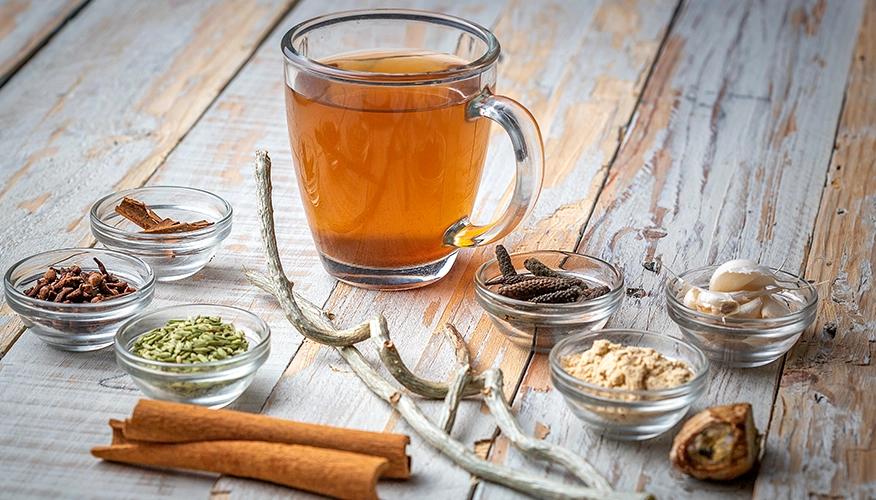
In addition to eating a balanced, plant-rich diet, incorporating certain herbs, spices, and warm beverages can provide an extra boost to your immune system. These natural ingredients contain phytochemicals and antioxidants that help reduce inflammation and fight viruses.
- Lemon is rich in vitamin C and antioxidants. Adding fresh lemon juice to warm water or tea can help support your immune system and soothe a sore throat.
Try: Warm lemon water with a spoonful of honey, perfect for first thing in the morning or before bed. - Turmeric is a well-known spice famous for its anti-inflammatory compound called curcumin. Drinking turmeric milk or adding turmeric to your meals can support your immune response and soothe the respiratory system.
Try: Warm turmeric latte made with plant-based milk, turmeric powder, a pinch of black pepper, and a touch of maple syrup. - Ginger is another powerful root with antiviral and antioxidant effects. Ginger tea is a comforting way to ease cold symptoms and support immune function.
Try: Fresh ginger tea brewed by steeping sliced ginger in hot water, optionally sweetened with honey and lemon. - Green tea contains catechins, natural antioxidants that have been shown to have antiviral properties. Regularly drinking green tea can enhance your body’s ability to fight infections.
Try: Classic brewed green tea served hot or iced. - Garlic has long been used for its immune-supportive qualities. It contains compounds that may help reduce the severity of colds and other infections.
Try: Warm garlic and lemon infusion—steep crushed garlic cloves in hot water, strain, and add lemon juice and honey to taste. - Honey has natural antibacterial and soothing properties. It can help calm coughs and sore throats when added to warm drinks, making it a comforting immune booster during illness.
Try: Herbal tea (such as chamomile or peppermint) sweetened with raw honey.
Sleep, exercise, and hydration: Key partners for immunity
Good nutrition is essential, but without adequate sleep, regular exercise, and proper hydration, the benefits of the foods and drinks you consume are incomplete.
- Sleep: Your body uses sleep to reset, repair, and produce cytokines — proteins that target infection. Adults need at least 7 to 9 hours every night.
- Exercise: Moderate activities like walking, yoga, or swimming can boost circulation and help immune cells move freely. Even 30 minutes a day can make a difference.
- Hydration: Drinking enough water supports all your body’s functions, helping flush out toxins and keeping immune cells active and responsive.
These factors work together to support your immune system fully, ensuring your body can use the nutrients effectively to fight infections and stay healthy.
Conclusion
As viruses continue to evolve and new health challenges emerge, building a resilient immune system remains one of the most reliable ways to protect yourself and your loved ones. Incorporating nutrient-dense foods like citrus fruits, leafy greens, legumes, seeds, and mushrooms, along with immunity-boosting herbs and warm drinks like turmeric milk or ginger tea, lays a strong foundation for long-term wellness.
Beyond nutrition, remember that good sleep and regular moderate exercise are crucial partners in maintaining immune balance and resilience. Prioritizing these habits consistently helps your body recover faster and stay healthier during seasonal virus outbreaks. Investing in your immunity today means greater strength and resilience tomorrow.
Meet our expert

Meet our expert
Dr Sintayehu Abebe is a Consultant Internist and Interventional Cardiologist at the Addis Ababa University. The young and energetic Dr Abebe who is always keen on learning new things is also President of the Ethiopian Society of Cardiac Professionals (ESCP).



How was the experience with article?
We'd love to know!