
Expecting a baby brings a whirlwind of advice about what to eat and what to avoid, and it's crucial to discern the nutritious from the not-so-beneficial.
Apricots, with their sweet, tangy flavor and a bounty of nutrients, often find themselves on the ‘maybe’ list for many pregnant women.
In this blog, we’ll explore the benefits of apricot during pregnancy and risks of consuming apricots during pregnancy, helping you understand how this golden fruit can fit into your prenatal diet safely.
What are apricots?
Apricots are small, golden-orange fruits with velvety skin and flesh that's not too juicy but smooth and sweet. They belong to the Rosaceae family, which also includes many other fruits such as cherries, peaches, and almonds.
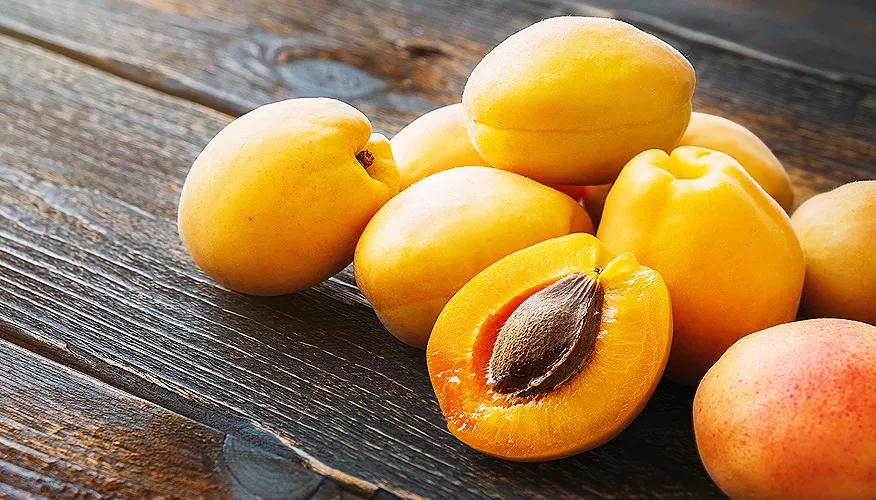
Apricots are typically enjoyed fresh during their summer season but are also available dried or canned year-round.
Nutritional value of apricots
Apricots are a nutrient-rich fruit, making them a valuable addition to any diet, including during pregnancy. Here’s a breakdown of the nutritional value of apricots, based on a serving size of 100 grams of fresh apricots:
- Calories: Approximately 48 calories, making them a low-calorie snack.
- Carbohydrates: About 11 grams, primarily from natural sugars and dietary fiber.
- Dietary fiber: 2 grams, which helps to regulate digestion and maintain bowel health.
- Proteins: Roughly 1.4 grams.
- Fat: Very low in fat, with less than 0.4 grams per serving.
Vitamins and Minerals:
- Vitamin A: Apricots are an excellent source of Vitamin A, with 96 micrograms per serving, which supports vision and immune function.
- Vitamin C: Provides about 10 mg, which is important for skin health, immune function, and iron absorption.
- Potassium: Contains 259 mg, which helps in maintaining heart health and regulating blood pressure.
- Iron: About 0.4 mg, essential for oxygen transport in the blood.
- Calcium: Offers 13 mg, important for bone health.
Is it safe to eat apricots during pregnancy?
Eating apricot during pregnancy is generally safe and can be beneficial due to their rich nutritional content.
However, like with all foods during pregnancy, there are some considerations to keep in mind for apricot fruit in pregnancy:
- Moderation is key: Apricots contain natural sugars and fiber, which, if consumed in excess, can lead to digestive issues like bloating and gas.
- Choose ripe apricots: Unripe apricots can be harder to digest and may cause stomach discomfort.
- Watch out for dried apricots: Dried apricots are a concentrated source of nutrients and also higher in sugar. They often contain sulfites, which are used as preservatives and can cause allergic reactions in some people.
Health benefits of having apricots during pregnancy
Eating apricots during pregnancy can offer several health benefits due to their rich nutritional profile. Here are some key advantages of apricot in pregnancy:
- Rich in vitamins: Apricots are an excellent source of vitamins A and C. Vitamin A is crucial for the development of your baby's organs, eyes, and immune system, while Vitamin C helps in the absorption of iron, a vital nutrient during pregnancy to prevent anemia.
- Fiber content: The dietary fiber in apricots can help manage constipation, a common issue during pregnancy. Fiber aids in digestion and helps maintain regular bowel movements.
- Potassium for blood pressure: The high potassium content in apricots is beneficial in maintaining healthy blood pressure levels.
- Hydration: Fresh apricots contain a lot of water, which helps in staying hydrated.
- Natural sugars for energy: The natural sugars in apricots provide a quick source of energy without the spikes in blood sugar that processed sugars might cause.
- Antioxidant properties: Apricots are rich in antioxidants, which protect the body’s cells from damage.

Benefits of dried apricots in pregnancy
Dried apricot during pregnancy can be particularly beneficial due to their concentrated nutrient profile and convenience.
Here are some specific benefits of including apricot dry fruit in pregnancy diet:
- Enhanced iron absorption: Dried apricots are a good source of iron, a crucial mineral during pregnancy for preventing anemia. Iron helps in the production of hemoglobin, which carries oxygen to the tissues from the lungs. The vitamin C in dried apricots aids in the absorption of iron from the digestive tract into the bloodstream.
- Rich in fiber: Dried apricots are high in dietary fiber, which helps combat the common pregnancy issue of constipation. Fiber adds bulk to stool and aids in its passage through the digestive system.
- Potassium for cardiovascular health: They are also rich in potassium, which is important for maintaining electrolyte balance, regulating heart function, and helping to reduce high blood pressure.
Risks and side-effects of consuming apricots while pregnant
While apricot during pregnancy are a nutritious choice, there are some risks and potential side effects to consider:
- Sulfites sensitivity: Many dried apricots contain sulfites, which are added as preservatives to maintain color and prolong shelf life. Sulfites can cause allergic reactions or asthma symptoms in sensitive individuals.
- High sugar content in dried apricots: Dried apricots have a higher concentration of sugar compared to their fresh counterparts, which can lead to spikes in blood sugar levels if consumed in large quantities.
- Cyanide risk from kernels: Apricot kernels, found inside the pits, contain amygdalin, which can convert into cyanide when ingested. Avoid consuming the kernels to prevent any risk of cyanide poisoning.
- Calorie density: Dried apricots are more calorie-dense than fresh apricots, which could contribute to excessive weight gain if not consumed in moderation.
- Gastrointestinal issues: Both fresh and dried apricots are high in fiber. Excessive intake can lead to digestive issues such as bloating, gas, and diarrhea.
Fresh or dried apricot when pregnant – which is good and why?
When deciding between fresh and dried apricots during pregnancy, both options offer nutritional benefits, but there are distinct differences that might make one more suitable than the other based on individual health needs and preferences:
Fresh apricots
Pros:
- Lower in sugar and calories: Fresh apricots have fewer calories and less sugar per serving.
- Hydration: Fresh apricots contain more water, helping with hydration, which is particularly important during pregnancy.
Cons:
- Seasonal availability: Fresh apricots are seasonal, typically available during the late spring and summer months, which might limit availability.
Dried apricots
Pros:
- High in nutrients: Drying concentrates nutrients, so dried apricots are higher in certain vitamins and minerals per serving compared to fresh apricots.
- Energy boost: The concentrated sugars can provide a quick energy boost, useful for combating fatigue during pregnancy.
Cons:
- Higher sugar and calorie content: Dried apricots are more calorie-dense and higher in sugar.
- Potential for added sulfites: Some dried apricots contain sulfites to preserve color and freshness, which can cause allergic reactions.
Which to choose?
The choice between fresh and dried apricot during pregnancy often comes down to personal health conditions, dietary needs, and availability.
- For gestational diabetes: Fresh apricots might be a better choice due to their lower sugar content.
- For convenience: Dried apricots are good for pregnancy because they offer a handy, non-perishable option that can be enjoyed anytime and anywhere.
- For general snacking: Fresh apricots provide hydration and are lower in calories, making them a refreshing snack.
How to eat apricots during pregnancy?
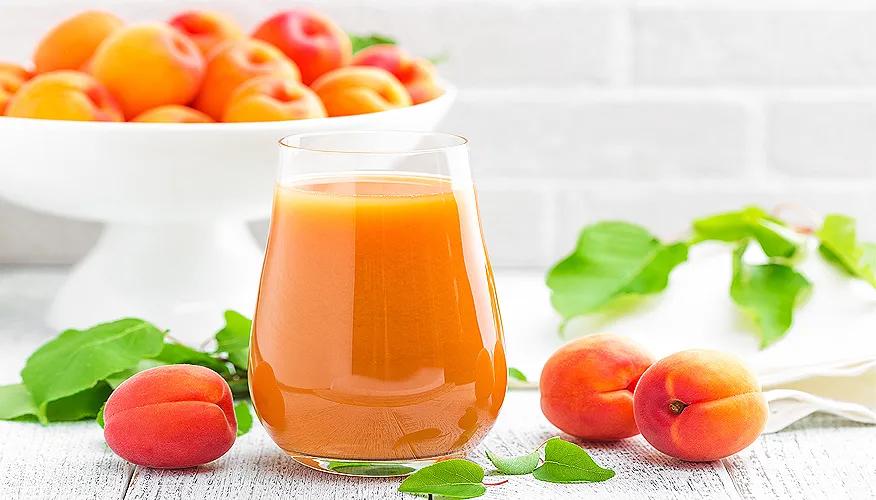
Eating apricots during pregnancy can be both a delicious and nutritious choice. Here are some tips on how to incorporate apricots into your pregnancy diet safely and enjoyably:
- Eat raw: Enjoy fresh apricots as they are for a healthy, hydrating snack.
- Slice into salads: Cut apricots into wedges and add them to salads for a burst of sweetness and nutrition.
- Blend into smoothies: Combine fresh apricots with other fruits, yogurt, or milk to make a refreshing smoothie.
- Cook or bake: Use apricots in cooking or baking. They can be grilled, roasted, or baked into desserts like pies and tarts.
- Add to cereals or yogurt: Chop dried apricots into smaller pieces and add them to your breakfast cereal or yogurt for extra flavor and nutrients.
- Use in cooking: Incorporate dried apricots into dishes like stews, tagines, or rice dishes to add sweetness and texture.
Recipe to make apricot juice for pregnant women
Making juice of apricot fruit in pregnancy at home is a simple and nutritious way to enjoy the health benefits of apricots during pregnancy. Here's a straightforward recipe for making fresh apricot juice:
Ingredients
- 8-10 fresh apricots (make sure they are ripe and sweet)
- 2 cups of cold water or coconut water for added electrolytes
- 1 tablespoon of honey or another sweetener (optional, depending on your preference and dietary needs)
- A squeeze of lemon juice (to enhance flavor and add a bit of vitamin C)
- Ice cubes (optional)
Instructions
1. Prepare the apricots:
- Wash the apricots thoroughly under running water.
- Remove the pits by cutting the apricots in half. Ensure all pits are completely removed.
2. Blend the ingredients:
- Place the apricot halves into a blender.
- Add the cold water or coconut water to the blender.
- Add a squeeze of lemon juice.
- If you like your juice a bit sweeter, add honey or another sweetener of your choice.
3. Chill and serve:
- Blend all the ingredients and pour the juice into a glass over ice cubes if desired, or chill in the refrigerator before serving to enhance the refreshment.
4. Garnish:
- Garnish with a slice of lemon or an apricot wedge on the rim of the glass for a decorative touch.

Precautions while consuming apricot in pregnancy
Here are some key precautions to consider while eating apricot during pregnancy:
- Moderation: Although apricots are nutritious, they should be eaten in moderation. This is particularly important with dried apricots, which are higher in sugar and can cause spikes in blood glucose levels.
- Avoid apricot kernels: Apricot kernels, found inside the pits, contain amygdalin, which can convert into cyanide when ingested. Eating apricot kernels can be hazardous, and pregnant women should strictly avoid them to prevent any risk of toxicity.
- Check for allergies: If you have a history of allergies, particularly to stone fruits like cherries, peaches, or almonds, be cautious when introducing apricots into your diet. Start with small amounts to see how your body reacts.
- Choose natural and unsulfured dried apricots: When selecting dried apricots, opt for natural and unsulfured varieties to avoid potential reactions to sulfites, which are often used as preservatives in dried fruits.
Conclusion
From boosting iron absorption to aiding digestion with their high fiber content, having apricot during pregnancy provides several health benefits.
However, it’s crucial to approach the inclusion of apricots in your diet with mindfulness, especially considering the potential risks. Moderation is key, particularly with dried apricots, due to their higher sugar content which could affect blood glucose levels.
By being aware of these factors and discussing dietary changes with your healthcare provider, you can safely enjoy apricots and harness their nutritional benefits.
Meet our expert

Meet our expert
In her role as the Product Consultant Manager at Mega BiO-LiFE, Jillian Lai Mei Siew is instrumental in fostering a cohesive team spirit among all Product Consultants. Her primary objective is to ensure that each consultant is equipped with accurate and relevant health and nutritional information to better serve clients.


How was the experience with article?
We'd love to know!