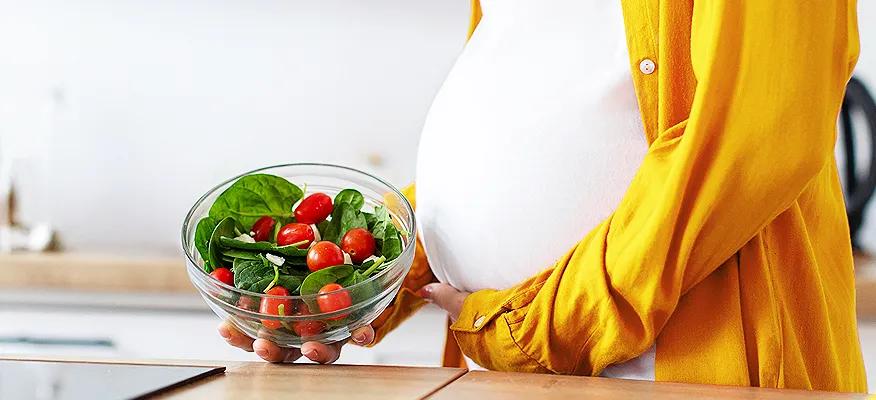
Pregnancy is a time marked by heightened awareness around nutrition, with every food choice playing a crucial role in supporting fetal development. Among the many fruits and vegetables to consider, tomatoes often stand out—not just for their vibrant color and flavor, but for their impressive nutritional profile.
If you’ve ever wondered whether tomato for pregnancy is safe, rest assured: tomatoes are not only safe but also a nutritious addition to a healthy prenatal diet. Packed with vitamins, antioxidants, and essential minerals, tomatoes help support both your health and your baby’s development.
Are tomatoes safe during pregnancy?
Tomatoes are generally considered safe for pregnant women when washed thoroughly and consumed in moderate amounts. There is no scientific evidence that classifies tomatoes as a food to avoid during pregnancy. The keyword here is moderate.
While tomatoes are packed with beneficial vitamins and minerals, their natural acidity can sometimes cause discomfort, particularly if you're already dealing with pregnancy-related heartburn. In rare cases, some women may experience allergic reactions to tomatoes.
If you notice any unusual symptoms like rash, itching, or swelling after eating tomatoes, it's best to consult with your healthcare provider.
Why do many women crave tomatoes while pregnant?
Many pregnant women develop intense cravings for tomatoes, and there are some fascinating reasons behind this:
- Tomatoes have an incredibly refreshing taste and high water content – about 95% water. During pregnancy, especially if you're dealing with morning sickness, your body often craves foods that help with hydration and provide that fresh, clean taste that can settle an uneasy stomach.
- Tomatoes are rich in vitamin C and folate – two nutrients that become especially important during pregnancy. Sometimes, our cravings are actually our body's way of telling us what it needs.
- The tangy, slightly acidic taste of tomatoes can also help combat the metallic taste that many women experience during pregnancy, making food more enjoyable again.
Nutritional value of tomatoes
Understanding what makes tomatoes nutritionally valuable can help you appreciate why they're such a smart choice during pregnancy.
Here's what a 100-gram serving (about one medium tomato) brings to your plate:
- Vitamin C: One medium tomato provides about 40% of your daily needs, crucial for immune function and iron absorption.
- Vitamin A: Supports healthy skin, vision, and immune system development.
- Folate: One of the most important nutrients during pregnancy, helping prevent neural tube defects.
- Potassium: Helps regulate blood pressure and can prevent those uncomfortable muscle cramps.
- Lycopene: A powerful antioxidant that protects your cells from damage and supports overall health.
- Fiber: Supports healthy digestion and helps prevent constipation – a common pregnancy concern.
- Water content: 95%, making it excellent for hydration.
What makes tomato for pregnancy particularly appealing is their low calorie content combined with high nutritional value. They're essentially nature's way of giving you maximum nutrition with minimal calories.
Different types of tomatoes and their safety during pregnancy
Whether you prefer cherry tomatoes as a quick snack, plum tomatoes in your cooking, or large beefsteak tomatoes in your salads, all common tomato varieties are safe during pregnancy when properly used.
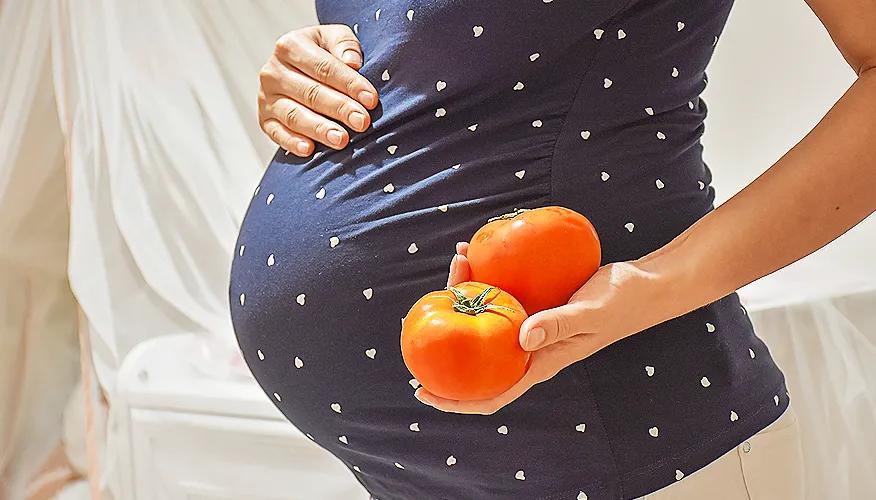
- Cherry tomatoes: Make excellent snacks and are perfect for when you need something quick and refreshing.
- Plum tomatoes: work wonderfully in cooked dishes like curries and stews, while larger varieties are ideal for slicing into sandwiches or salads.
- Organic or locally grown heirloom varieties: These can be excellent choices as they typically have lower pesticide residue. This is particularly relevant for women living in urban and semi-urban areas where food safety is a growing concern.
The key with any tomato variety is proper washing and moderate consumption. Each type offers similar nutritional benefits, so choose based on your taste preferences and how you plan to use them in your meals.
Health benefits of tomatoes during pregnancy
If you have often questioned, “Is tomato good for pregnancy?” the answer is resoundingly positive when you consider the many health benefits it provides:
- Immune system support: Tomatoes are rich in vitamins A and C, which play a crucial role in boosting your immune system. This helps protect both you and your developing baby from infections during pregnancy.
- Fetal development: Folate is essential for preventing neural tube defects, and lycopene—a powerful antioxidant—helps protect your baby’s DNA from damage during critical early stages of development.
- Digestive health: The high fiber content in tomatoes supports healthy digestion by promoting regular bowel movements, helping to prevent the common issue of constipation experienced during pregnancy.
- Gestational diabetes and tomatoes: Tomatoes have a low glycemic index, making them a potentially good choice for pregnant women managing gestational diabetes caused by hormonal changes during pregnancy. More research is needed to fully understand their impact on blood sugar control during pregnancy.
- Blood pressure regulation: Potassium in tomatoes helps balance sodium levels and supports healthy blood pressure. Combined with antioxidants, this may reduce the risk of pregnancy complications like preeclampsia and hypertension.
- Hydration and nausea relief: Tomatoes have a high water content, which helps keep you hydrated. Their fresh, mild flavor can also provide soothing relief from nausea and morning sickness.
Potential risks of eating tomatoes in pregnancy
While tomato for pregnancy is generally beneficial, being aware of potential risks helps you make informed choices about your diet.
- Heartburn and acid reflux: Tomatoes are naturally acidic, and if you're already prone to pregnancy-related heartburn, eating large amounts might worsen these symptoms. This doesn't mean you need to avoid tomatoes entirely – just be mindful of portion sizes.
- Allergic reactions: Some people develop sensitivities to tomatoes during pregnancy due to hormonal changes. Watch for symptoms like skin rash, itching, or swelling.
- Additive concerns: Processed tomato products may contain high levels of sodium or preservatives that aren't ideal during pregnancy.
- Contamination risks: Like any fresh produce, improperly washed tomatoes can harbor harmful bacteria or pesticide residues.
Precautions to take while consuming tomatoes when pregnant
Taking these simple precautions ensures you can enjoy tomatoes safely throughout your pregnancy:
- Wash thoroughly: Always rinse fresh tomatoes under running water to remove potential pesticide residues and harmful bacteria.
- Choose wisely: Opt for fresh, organic, or locally sourced tomatoes when available.
- Read labels: If using processed tomato products, select brands with minimal additives and low sodium content.
- Start with small amounts: Enjoy tomatoes as part of a varied diet rather than consuming large quantities that might cause digestive upset.
- Monitor your body's response: If you notice increased heartburn, digestive discomfort, or any allergic reactions, reduce your intake or eliminate tomatoes temporarily.
Consult your healthcare provider if you have pre-existing digestive conditions, food allergies, or if you're unsure about including tomatoes in your diet.
How to include tomatoes in a pregnancy diet
Incorporating tomatoes into your daily meals doesn't have to be complicated. The versatility of this fruit makes it easy to add to almost any dish.
Here are practical ways to enjoy them:
Fresh preparations:
- Add sliced tomatoes to sandwiches and wraps.
- Include cherry tomatoes in salads for extra crunch and nutrition.
- Prepare fresh salsas with tomatoes, onions, and herbs.
Cooked dishes:
- Add tomatoes to curries and stews for extra flavor and nutrition.
- Make homemade tomato-based soups.
- Include them in stir-fries and pasta dishes.
Remember to balance tomatoes with other nutrient-rich foods to ensure you're getting a varied, complete diet during pregnancy.
Tomato vs. tomato products: what to choose
Understanding the difference between fresh tomatoes and processed products helps you make the best choices for your pregnancy diet.
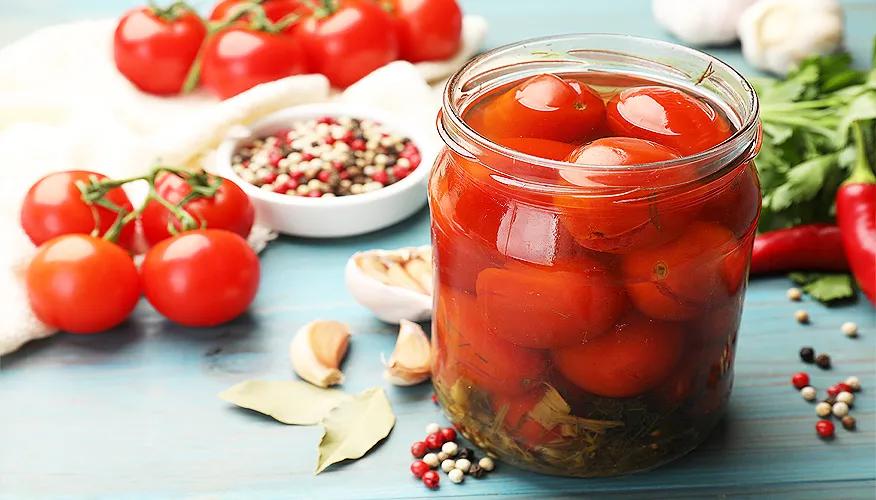
Here's a tabulated summary:
| Product Type | Nutritional Value | Sodium Content | Best Use | Recommendation |
| Fresh tomatoes | Highest vitamin C, natural enzymes | Very low | Salads, snacks, cooking | First choice |
| Canned tomatoes | Good lycopene, some vitamin loss | Moderate to high | Cooking, sauces | Read labels carefully |
| Tomato paste | Concentrated lycopene | Often high | Small amounts in cooking | Use sparingly |
| Tomato sauce | Variable nutrients | Usually high | Occasional use | Choose low-sodium options |
Fresh tomatoes should be your go-to choice. They provide the highest nutritional value with the lowest sodium content. When you do use processed products, read labels carefully and choose options with no added salt or preservatives when possible.
When should you avoid eating tomatoes when pregnant?
While most women can safely enjoy tomatoes during pregnancy, certain situations warrant caution or complete avoidance:
- Severe heartburn or acid reflux: If tomato consumption worsens these symptoms, it’s best to reduce or temporarily eliminate them from your diet to maintain digestive comfort.
- Tomato allergies: Known allergies or new allergic reactions should be taken seriously. Discontinue use immediately and consult your healthcare provider if symptoms appear.
- Nightshade sensitivity: Tomatoes are part of the nightshade family. If you’re sensitive to other nightshades like potatoes or peppers, use caution when consuming tomatoes.
- Medical advice: Always follow the guidance of your healthcare provider. If you're advised to avoid tomatoes due to specific health conditions or medications, prioritize their recommendations.
- Digestive conditions: If you have gastritis, peptic ulcers, or similar issues, the acidity in tomatoes may aggravate symptoms. Limit or avoid intake based on your condition.
Conclusion
Tomatoes can be a nutritious and delicious addition to your pregnancy diet, offering essential vitamins, minerals, and antioxidants that support both maternal health and fetal development. When consumed fresh, properly washed, and in moderate amounts, tomatoes provide valuable benefits including immune support, hydration, and digestive health.
The key to enjoying tomato for pregnancy safely lies in choosing fresh varieties over processed products, paying attention to your body's response, and maintaining moderation. While most women can enjoy tomatoes without issues, being aware of potential risks like heartburn or allergic reactions helps you make informed decisions.
Remember that every pregnancy is unique, and what works well for one woman might not suit another. Trust your body, listen to its signals, and don't hesitate to consult with your healthcare provider about your dietary choices. With the right approach, tomatoes can be a refreshing, nutritious part of your journey toward motherhood.
Meet our expert

Meet our expert
She holds a Bachelor of Nutrition & Community Health with Distinction from Universiti Putra Malaysia and has been a dedicated healthcare professional since 2014. As the Customer Care Manager, she leads a team of skilled dietitians and nutritionists, committed to serving the community.


How was the experience with article?
We'd love to know!