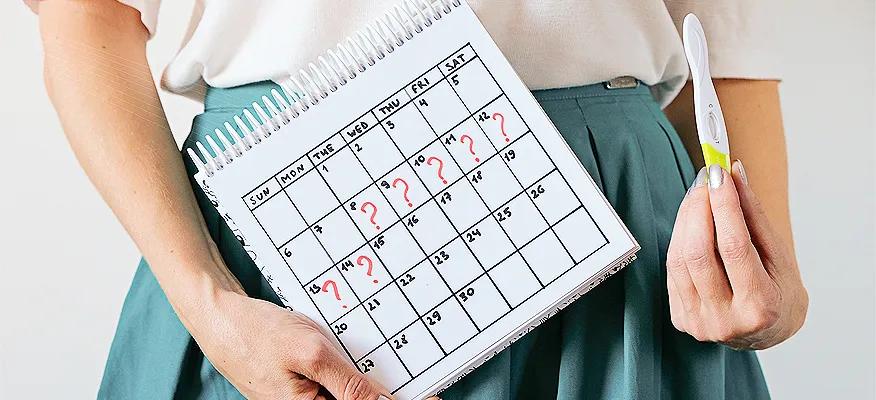
That anxiety in your stomach when your period is three days late. The sudden wave of nausea that makes you wonder if it's something you ate or something else entirely.
If you've ever found yourself googling "Am I pregnant or overthinking?" at 2 AM, you're experiencing what millions of women face regularly: a pregnancy scare.
This period of uncertainty before you know for sure can feel overwhelming, but understanding what's happening and knowing your next steps can help you navigate it with confidence.
What is a pregnancy scare?
A pregnancy scare is exactly what it sounds like: the fear or suspicion that you might be pregnant when you weren't planning to be. This typically happens after unprotected sex, a contraceptive mishap, or when your period decides to play hide and seek.
The key word here is "scare." It is the worry before you actually know for sure. You might find yourself analyzing every little bodily change, googling symptoms, or feeling that familiar knot in your stomach every time you think about the possibility.
What makes pregnancy scares particularly challenging is that they're surprisingly common. Research shows that women who experience repeated pregnancy scares may have higher risks of unintended pregnancy later, often pointing to gaps in contraceptive access or consistent use. This doesn't mean you're doing anything wrong; it just highlights how important it is to have reliable information and support.
It's worth noting that a pregnancy scare is different from pseudocyesis, a rare condition in which someone genuinely believes they're pregnant and may even experience physical symptoms, despite medical tests showing otherwise.
Common causes of a pregnancy scare

Understanding why pregnancy scares happen can help you feel less alone in the experience. Here are the most common triggers:
- Contraceptive hiccups are probably the biggest culprit. Maybe the condom broke, slipped off, or you realized afterward that it wasn't put on correctly. Or perhaps you missed a few birth control pills during a stressful week, or your patch came loose without you noticing.
- Cycle chaos is another major factor. Your menstrual cycle can be thrown off by stress, travel, illness, significant weight changes, or even approaching menopause. When your period is late for any of these reasons, it's natural to wonder if pregnancy could be the cause.
- Symptom mix-ups happen more often than you'd think. Those pre-menstrual symptoms – breast tenderness, fatigue, mild nausea, bloating – can feel remarkably similar to early pregnancy signs. When you're already anxious about the possibility of pregnancy, it's easy to interpret these normal body changes as confirmation of your fears.
- Psychological factors can also play a role. If you have a strong fear of pregnancy or, conversely, a deep desire to conceive, you might find yourself hyper-aware of every tiny change in your body. This heightened attention can make normal fluctuations feel more significant than they actually are.
Common signs that trigger a pregnancy scare
Your body sends signals all the time, but when you're worried about pregnancy, certain symptoms suddenly seem to shout louder than others.
Here's what typically sets off those alarm bells:
- The missing period is usually the first red flag. When your period doesn't show up on schedule, especially if you're usually regular, it's the most obvious trigger for concern.
- Physical changes that mirror early pregnancy can include:
- Breast tenderness that feels different from your usual pre-period soreness
- Nausea, especially if it's new or more intense than usual
- Unusual fatigue that sleep doesn't seem to fix
- Frequent trips to the bathroom
- Mild cramping or abdominal discomfort
- Heightened sensitivity to smells
- Emotional shifts can also play a part. You might notice increased anxiety, irritability, or mood swings that make you more vigilant about monitoring your body for changes.
The tricky part? Many of these symptoms can also be perfectly normal parts of your menstrual cycle, stress responses, or even signs of other health conditions that have nothing to do with pregnancy.
Pregnancy scare symptoms
When you're in the middle of a pregnancy scare, symptoms seem to fall into two categories: what's happening in your body and what's happening in your mind.
- Physical pregnancy scare symptoms often mirror actual early pregnancy signs:
- Delayed or completely missed periods
- Breast soreness or swelling
- Nausea, with or without vomiting
- Bloating and digestive changes
- Fatigue that feels different from regular tiredness
- Increased urination
- Mild cramping that doesn't lead to your period
- Psychological symptoms are just as real and can include:
- Intrusive thoughts about being pregnant
- Difficulty sleeping due to worry
- Stress-related physical sensations that can actually mimic pregnancy symptoms
- Constant mental checking and re-checking of your body for changes
In rare cases of pseudocyesis, people may even report feeling fetal movement despite negative pregnancy tests. This shows just how powerful the mind-body connection can be when it comes to pregnancy anxiety.
The key is that pregnancy scare symptoms exist in that uncertain space before you know for sure. They're your body and mind responding to the possibility, not necessarily the reality, of pregnancy.
What to do if you're having a pregnancy scare
When you're caught in the whirlwind of ‘am I pregnant or overthinking’, taking practical steps can help cut through the anxiety and give you real answers.
- Get the timing right for testing. Take a urine pregnancy test on or after your first missed period for the most accurate results. Testing too early can give you a false negative, which just adds to your stress. If the test is negative but your period still doesn't arrive, repeat the test in a week or ask your doctor about a blood test for more precise results.
- Consider emergency contraception if you're within the window. If you had unprotected sex within the past 3-5 days, emergency contraception can still be effective. The sooner you take it, the better it works. Don't let embarrassment or uncertainty stop you; pharmacists and healthcare providers are there to help without judgment.
- Know when to seek immediate medical attention. Some symptoms need urgent care, even if a home pregnancy test is negative:
- Severe pain on one side of your abdomen
- Heavy bleeding
- Fainting or dizziness
- Shoulder pain
- These could signal an ectopic pregnancy, which requires immediate medical attention.
- Address persistent anxiety. If you're still worried despite negative tests, or if physical symptoms continue, see a doctor. They can rule out other gynecological or hormonal conditions and discuss options for cycle regulation and contraception that might work better for your lifestyle.
How to prevent pregnancy scares in the future
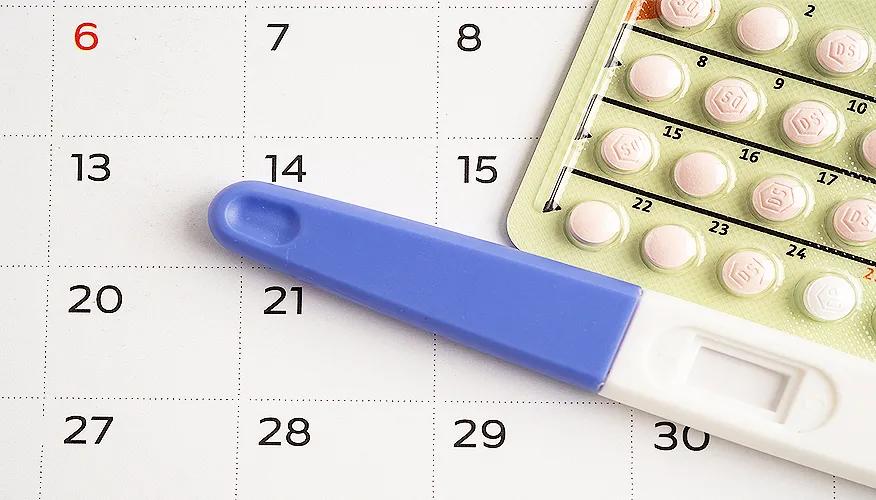
The best way to handle pregnancy scares is to prevent them from happening in the first place.
This isn't about being perfect; it's about setting up systems that work for your real life.
- Choose a contraception option that fits your lifestyle. Long-acting options like implants or IUDs reduce user error because you don't have to remember them daily. If you prefer pills, patches, or rings, set up reminders on your phone and keep backup condoms handy for those times when you miss a dose or forget to apply a new patch.
- Keep emergency contraception accessible. Know where you can get it quickly, and consider keeping some at home. Knowledge is power, especially in time-sensitive situations.
- Track your cycles to understand your normal. Use a simple app or calendar to note when your periods start and end. This helps you recognize your patterns and know that some variation is completely normal. Remember that stress, illness, travel, and weight changes can all shift your timing.
- Address practical barriers. If you're dealing with supply interruptions, cost concerns, partner negotiations, or privacy issues around contraception, seek out healthcare services that offer confidential counseling and multiple contraceptive options.
Emotional impact of a pregnancy scare
The emotional rollercoaster of a pregnancy scare can be just as intense as any physical symptoms. You might find yourself swinging between relief and disappointment, or feeling guilty about how you're reacting.
Pregnancy scares often bring up more profound questions about what you want from life, your relationships, and your future. Some women discover they're more ready for pregnancy than they thought, while others realize they need better contraceptive protection. Both reactions are completely valid.
The stress of not knowing can affect your sleep, appetite, concentration, and relationships. You might find yourself snapping at loved ones or feeling unable to focus on work or daily tasks. This is your mind's natural response to uncertainty about something that could significantly change your life.
If you find that pregnancy scares are happening frequently or causing significant distress, consider talking to a healthcare provider or counselor. You deserve support in managing both the practical and emotional aspects of reproductive health.
Pregnancy scare vs. actual pregnancy symptoms
When you're analyzing every twinge and change in your body, it helps to know that pregnancy scares and actual early pregnancy can feel remarkably similar. The overlap is real and confusing.
Symptoms that appear in both situations include:
- Fatigue and low energy
- Breast tenderness or changes
- Mild nausea
- Cramping or abdominal discomfort
- Mood changes
Signs that lean more toward actual pregnancy:
- Your period is at least one week late, combined with a positive pregnancy test
- Progressive nausea that gets worse over time
- Breast changes that continue to intensify
- Increased urination that persists after your missed period
The definitive difference: Objective testing is the only way to know for sure. Home pregnancy tests are highly accurate when used correctly and at the right time. Blood tests and ultrasounds can provide even more certainty.
Conclusion
Navigating a pregnancy scare doesn't have to be a solo journey filled with anxiety and uncertainty.
Whether you're dealing with contraceptive challenges, cycle irregularities, or pregnancy paranoia, remember that timely testing, quick access to emergency contraception when needed, and reliable ongoing contraception can significantly reduce both your stress and your risk of unintended pregnancy.
The key is having accurate information, supportive healthcare, and the confidence to take action when you need it. Trust your instincts, seek help when you need it, and remember that taking care of your reproductive health is taking care of yourself.
Meet our expert

Meet our expert
She holds a Bachelor of Nutrition & Community Health with Distinction from Universiti Putra Malaysia and has been a dedicated healthcare professional since 2014. As the Customer Care Manager, she leads a team of skilled dietitians and nutritionists, committed to serving the community.



How was the experience with article?
We'd love to know!