

Quick Answer: Is strawberry good for pregnancy? Yes. Strawberries are safe in all trimesters and are one of the best fruits for pregnancy. One cup (about 8 large berries) gives you nearly all your daily vitamin C, plus fiber, potassium and some folate, for only about 50 calories. Wash them under running water before eating, keep to about 1 cup a day, and continue your daily folic acid supplement, since strawberries provide only a small amount of folate.
Picture this: you're standing in front of the fruit section at your local market, pregnancy glow and all, wondering if those ruby-red strawberries calling your name are actually good for you and your growing baby. You're not alone in this moment of delicious uncertainty. Many expecting mothers find themselves questioning every food choice, especially when it comes to fruits that seem almost too good to be true. The good news? The question "Is strawberry good for pregnancy?" has a pretty sweet answer that might just make your day.
Are strawberries safe to eat during pregnancy?

The short answer is yes, strawberries are generally safe during pregnancy when appropriately handled. Most fruits, including strawberries, get the green light from food safety authorities as long as you wash them thoroughly under running water to remove dirt and potentially harmful bacteria.
Here's what makes strawberries pregnancy-friendly:
- They're naturally low on the glycemic index, meaning they won't cause dramatic blood sugar spikes.
- Fresh strawberries fit well within the recommended fruit portions for healthy gestational weight gain.
- They provide essential nutrients without excessive calories.
The key is proper food safety. Pregnant women have weakened immune systems, making them more susceptible to foodborne illnesses like Listeria and Salmonella. That's why washing your strawberries correctly is essential.
Interestingly, in some Southeast Asian and East African cultures, traditional food taboos sometimes discourage fruit consumption during pregnancy.
However, healthcare providers increasingly recommend individualized nutrition counseling rather than blanket fruit avoidance, as fruits like strawberries provide crucial nutrients for both mother and baby.
Nutritional value of strawberries
Think of strawberries as tiny nutritional powerhouses packed into a sweet, refreshing package.
One cup (about 150 grams) of fresh strawberries delivers impressive nutrients while keeping calories surprisingly low.
Key nutrients in one cup of strawberries:
| Nutrient | Amount | Pregnancy Benefit |
| Vitamin C | 85-90 mg | Meets nearly 100% of daily needs |
| Folate | 35-40 mcg | Supports neural tube development |
| Fiber | 3 g | Helps prevent constipation |
| Potassium | 220 mg | Supports healthy blood pressure |
| Calories | ~50 | Low-calorie nutrient density |
What makes these numbers particularly exciting for pregnancy? That vitamin C content is remarkable. It nearly meets your entire daily requirement of 85 mg. Plus, vitamin C helps your body absorb iron from plant-based foods more effectively, which is crucial because iron deficiency is common during pregnancy.
One cup provides about 36 mcg of folate, around 6% of the 600 mcg you need daily in pregnancy. That’s helpful, but it’s not enough on its own, so keep taking your prescribed folic acid supplement (usually 400 mcg a day). And those polyphenols, including anthocyanins that give strawberries their vibrant red color, provide antioxidant benefits that support overall health.
Top 9 Health Benefits of Strawberries During Pregnancy
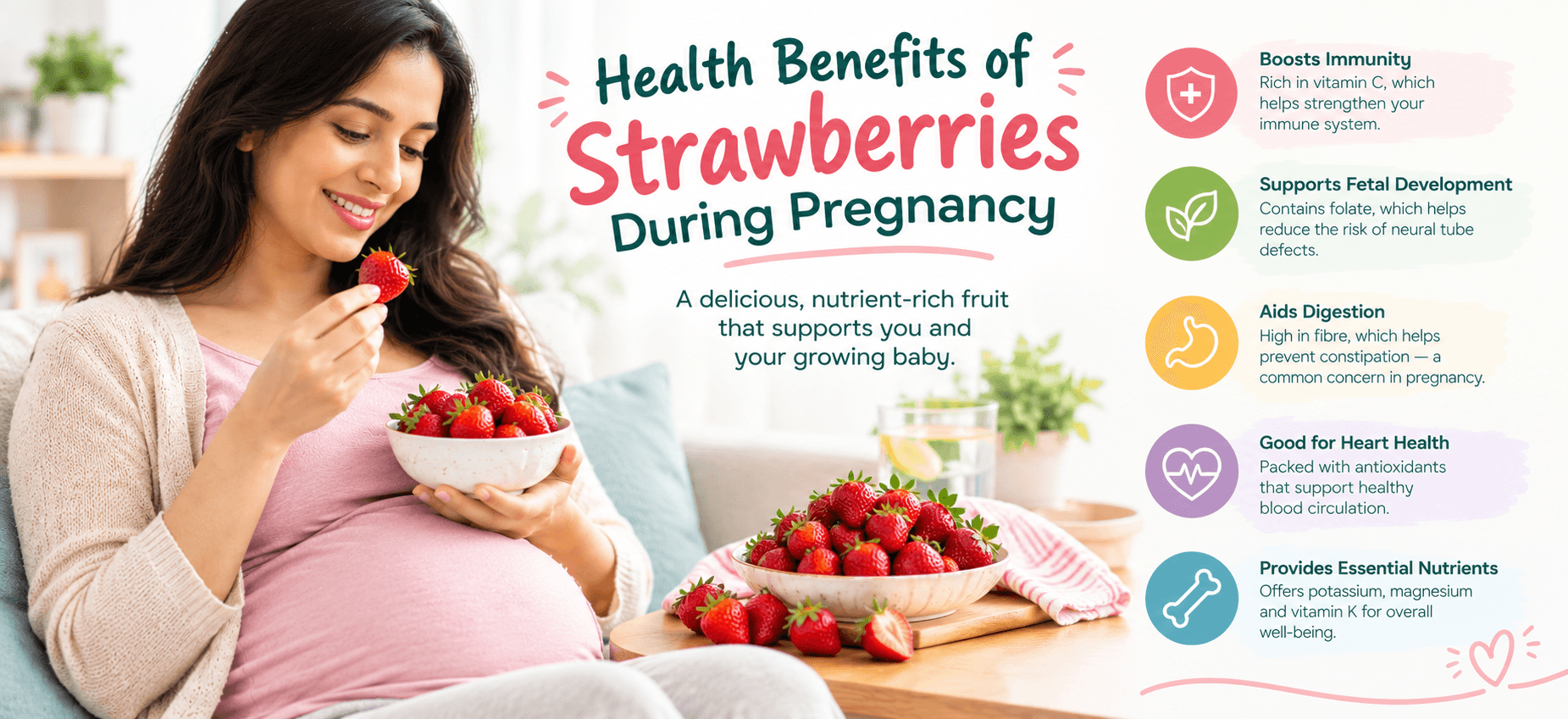
When you eat strawberries during pregnancy, you’re doing more than satisfying a craving. Here’s how they support you and your growing baby:
1. Help your body absorb iron
Iron needs almost double during pregnancy, and iron-deficiency anemia is common. One cup of strawberries provides about 89 mg of vitamin C, which helps your body absorb iron from plant foods such as lentils, beans, spinach and fortified cereals. Pairing strawberries with these foods, for example in a spinach salad or on fortified oatmeal, helps you get more iron from your meals.
2. Gentle on blood sugar
Strawberries have a low glycemic index (about 40) and contain only about 12 g of carbohydrates per cup, so they don’t cause sharp blood sugar spikes. A 2025 trial in adults with prediabetes found that eating strawberries daily for 12 weeks improved fasting blood sugar. This makes strawberries one of the best fruit choices if you have, or are at risk of, gestational diabetes. Stick to about 1 cup per serving and eat them with protein.
3. Relieve pregnancy constipation
Pregnancy hormones slow digestion, and up to 40% of pregnant women experience constipation. One cup of strawberries gives about 3 g of fiber, plus plenty of water, which together help keep bowel movements regular.
4. Build collagen for your baby’s growth
Vitamin C is essential for making collagen, the protein that forms your baby’s skin, bones, cartilage and blood vessels. Your body can’t store vitamin C, so you need a steady daily supply. One cup of strawberries covers about your full daily requirement.
5. Support your immune system
During pregnancy, your immune system adapts to protect both you and your baby, which can make you more vulnerable to some infections. Vitamin C supports normal immune function by helping white blood cells work properly and protecting them from damage.
6. Add folate to your diet
Folate is vital in early pregnancy, when your baby’s brain and spinal cord form. One cup of strawberries provides about 36 mcg of folate, around 6% of the 600 mcg you need daily. That’s a helpful boost, but it’s not enough on its own. Keep taking your prescribed folic acid supplement, usually 400 mcg a day.
7. Provide manganese and antioxidants
Strawberries are an excellent source of manganese. One cup gives about 29% of your daily needs. Manganese helps your body make its own antioxidant enzymes and supports bone formation. Strawberries also contain anthocyanins, the pigments that give them their red color. In a randomized trial in healthy young women, strawberries raised blood levels of vitamin C and folate and improved the antioxidant protection of LDL cholesterol.
8. Support healthy gums
Pregnancy hormones make gums more prone to swelling and bleeding (pregnancy gingivitis). Vitamin C helps keep gum tissue healthy. Continue brushing twice daily and see your dentist during pregnancy.
9. Keep you hydrated and satisfy sweet cravings
Strawberries are about 91% water and only 49 calories per cup, so they help you stay hydrated while satisfying sweet cravings. Swapping desserts or sugary snacks for fresh strawberries can support healthy pregnancy weight gain.
Good to know: Strawberries are a healthy part of a balanced pregnancy diet, but no single fruit can prevent pregnancy complications. Large studies have found that vitamin C supplements don’t prevent preeclampsia, so the benefit comes from overall good nutrition, not from one food.
Strawberries in Each Trimester of Pregnancy
- First trimester (weeks 1–12): Strawberries are safe and helpful in early pregnancy. Their vitamin C supports your immune system, and their small amount of folate adds to your folic acid supplement during the weeks when your baby’s brain and spine form. If you have morning sickness: strawberries are acidic, so eat a few with yoghurt, oats or crackers rather than on an empty stomach. Cold strawberries can also feel refreshing when nausea makes other foods hard to eat.
- Second trimester (weeks 13–26): Your blood volume increases and iron needs rise, so this is a great time to pair strawberries with iron-rich foods like beans, spinach, eggs or fortified cereals. The vitamin C helps your body absorb more iron. Watch out for: gestational diabetes is usually tested now. Choose whole strawberries over juice, jam or shakes.
- Third trimester (weeks 27–40): Strawberries’ fiber and water help with late-pregnancy constipation and hydration. Watch out for: heartburn is common in late pregnancy, and acidic fruits can trigger it in some women. If strawberries cause burning, eat them with yoghurt or after a meal, and avoid them close to bedtime.
Are there any risks of eating strawberries in pregnancy?
While strawberries are good for pregnancy overall, there are a few considerations to keep in mind to enjoy them safely.
Foodborne illness concerns
- Unwashed berries can harbor harmful bacteria like Listeria, Salmonella, or E. coli.
- Because pregnant women are more vulnerable to severe complications from these infections, proper washing becomes non-negotiable.
- The good news? Thorough rinsing under running water removes most surface contaminants.
Pesticide exposure
- Conventionally grown strawberries often appear on the "Dirty Dozen" list for pesticide residues.
- While the health risks are debated, many pregnant women prefer to minimize exposure when possible.
- Washing helps reduce residues, and choosing organic when the budget allows can further limit exposure.
Allergic reactions
- If you have a known berry allergy or oral allergy syndrome (especially related to birch pollen), strawberries could trigger reactions ranging from mouth itching to hives.
- Stop eating them immediately if you notice any symptoms and consult your healthcare provider.
Blood sugar considerations
- Fresh strawberries are naturally low in sugar and high in fiber, making them diabetes-friendly.
- However, sweetened preparations like jams, syrups, or strawberry drinks can add significant free sugars that should be limited during pregnancy, especially if you have gestational diabetes.
Can strawberries cause heartburn or acid reflux in pregnancy?
They can for some women. Strawberries are mildly acidic, and pregnancy hormones relax the valve between your stomach and food pipe, so acidic foods may trigger burning, especially in the third trimester. Most women can still enjoy strawberries by:
- eating them after a meal rather than on an empty stomach
- pairing them with yoghurt, milk or oats
- avoiding them within 2–3 hours of lying down
How to eat strawberries safely during pregnancy
Knowing how to prepare strawberries properly transforms them from a potential risk into a safe, nutritious treat.
Follow these simple steps every time:
Washing technique
- Rinse strawberries under cool, running water just before eating. Not when you bring them home, as this can promote spoilage, but before you eat.
- Gently rub the surface with your hands to remove dirt and potential bacteria. Never use soap, bleach, or commercial produce washes, as these can leave harmful residues.
- Government testing shows most conventionally grown produce has pesticide residues below safety limits. Rinsing under running water removes much of what remains, so washing matters more than choosing organic.
Storage and handling
- Remove any damaged or moldy berries immediately
- Pat dry with clean paper towels
- Store in the refrigerator and eat within a few days
- Don't remove the green tops until you're ready to eat them, as this helps preserve freshness
Safe product choices
- Choose only pasteurized strawberry juices, smoothies, or purees.
- Avoid fresh-squeezed or unpasteurized strawberry products, as pasteurization kills harmful bacteria that could cause serious illness during pregnancy.
Maximizing nutrition
- Pair your strawberry for pregnancy nutrition with iron-rich foods. Try adding sliced strawberries to a spinach salad with chickpeas, or enjoy them with fortified breakfast cereal to boost iron absorption.
How Many Strawberries Can You Eat a Day When Pregnant?
About 1 cup (8 large or 12 medium strawberries) a day is a healthy portion and counts as one fruit serving.
| Your Situation | Suggested Amount |
| Healthy pregnancy | 1 cup a day (8–12 berries) |
| Gestational diabetes | 1 cup per serving, with protein. One cup has about 12 g of carbs. |
| Heartburn or reflux | ½ cup after meals |
| Strawberry or birch-pollen allergy | Avoid. Ask your doctor. |
These amounts are general guidance. If you have gestational diabetes or a specific medical condition, ask your doctor or dietitian how much fruit is right for you.
Pregnancy-friendly strawberry recipe ideas

Transform your strawberries into satisfying, nutritious meals and snacks that support your pregnancy health goals.
Quick and easy options
- Immune-boosting parfait
Layer pasteurized plain Greek yogurt with chopped fresh strawberries and a sprinkle of chopped almonds or sunflower seeds. The protein helps stabilize blood sugar, while the vitamin C supports iron absorption. - Iron-absorption salad Combine dark leafy greens like spinach or amaranth leaves with cooked black beans, sliced strawberries, and a lemon vinaigrette. This combination maximizes iron absorption while providing folate and fiber.
Heartier meal ideas
- Balanced breakfast bowl Top cooked oatmeal with sliced strawberries and a dollop of almond or peanut butter. This provides sustained energy with balanced carbohydrates, protein, and healthy fats.
- Nutrient-dense smoothie Blend pasteurized milk or fortified plant milk with strawberries, mango, and soaked chia seeds. Avoid adding sweeteners—the fruit provides plenty of natural sweetness.
- Cultural fusion bowl Try warm millet porridge topped with lightly stewed strawberries and a pinch of cardamom. This combines traditional grains with vitamin C-rich fruit for a comforting, nutritious meal.
Strawberry Juice, Shakes, Jam and Other Products in Pregnancy
Not all strawberry products are equal. Here's how common strawberry foods and drinks compare during pregnancy:
| Product | Safe in Pregnancy? | Tip |
| Fresh strawberries | Yes | Best choice. Wash before eating. |
| Frozen strawberries | Yes | Great for smoothies. Check for food recall alerts. |
| Homemade juice | Yes | Make from washed berries and drink immediately. Whole fruit has more fiber. |
| Store-bought or stall juice | Pasteurized only | Avoid unpasteurized juice. Check the label for added sugar. |
| Strawberry shake or smoothie | Yes | Use pasteurized milk. Skip added sugar and ice cream. |
| Strawberry yogurt | Yes | Choose pasteurized. Plain yogurt with fresh berries has less sugar. |
| Strawberry jam | Occasionally | High in sugar. Limit it, especially with gestational diabetes. |
| Dried strawberries | Small portions | Sugar is concentrated, and some brands add more. |
| Strawberry-flavored milk or candy | Limit | Usually flavoring and sugar with little real fruit. |
When to avoid or limit strawberries
While most pregnant women can enjoy strawberries safely, certain situations call for caution or complete avoidance.
Complete avoidance situations
If you have a known strawberry allergy or have experienced oral allergy syndrome with related fruits, avoid strawberries entirely. Always seek medical advice if you experience any allergic reactions during pregnancy.
Temporary limitations
During severe morning sickness, the acidity in strawberries might worsen nausea or heartburn. Try eating smaller portions with yogurt or nut butter to buffer the acidity, or temporarily avoid them until symptoms improve.
Gestational diabetes considerations
If you have gestational diabetes, strawberries can still fit into your meal plan, but portion control becomes essential. Stick to about one cup as a single fruit serving, and always pair with protein or healthy fats to prevent blood sugar spikes. Monitor your individual response and work with your healthcare team to adjust portions as needed.
Food safety alerts
During outbreaks or recalls involving strawberries (such as hepatitis A contamination), follow public health guidance and avoid implicated products until the all-clear is given.
Why am I craving strawberries during pregnancy?
Pregnancy cravings are very common and are thought to be linked to hormone changes, heightened taste and smell, and sometimes the body’s need for fluids or energy. Craving strawberries is a healthy craving, so enjoy them in normal portions. Cravings don’t predict your baby’s sex. If you crave non-food items like ice, clay or chalk, tell your doctor, as this can be a sign of iron deficiency.
Conclusion
So, is strawberry good for pregnancy? Absolutely. When enjoyed safely and as part of a balanced diet. These ruby-red gems provide essential nutrients such as vitamin C, folate, and fiber that support both maternal health and fetal development. The key is proper preparation: wash thoroughly, choose pasteurized products, and pair with other nutritious foods to maximize benefits.
Remember, pregnancy nutrition doesn't have to be complicated or restrictive. Simple pleasures like fresh strawberries can absolutely have a place in your healthy pregnancy journey. When in doubt, consult with your healthcare provider about your individual dietary needs and any specific concerns.
Meet our expert

Meet our expert
She holds a Bachelor of Nutrition & Community Health with Distinction from Universiti Putra Malaysia and has been a dedicated healthcare professional since 2014. As the Customer Care Manager, she leads a team of skilled dietitians and nutritionists, committed to serving the community.


How was the experience with article?
We'd love to know!