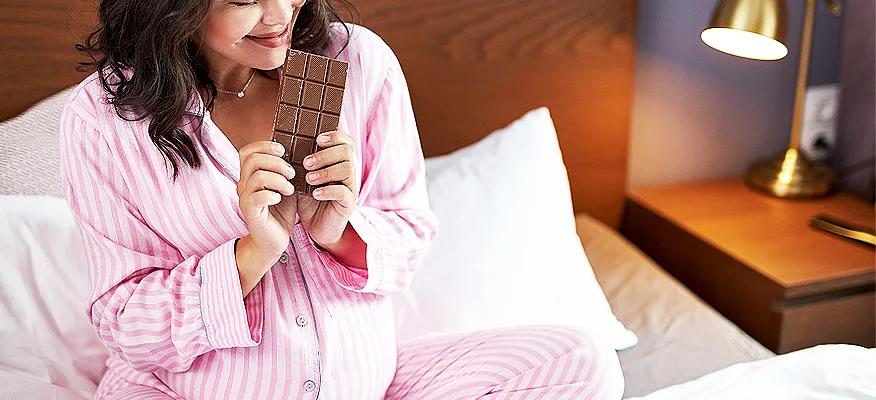
You're in your second trimester and the food cravings are beginning. You find yourself eyeing that bar of rich dark chocolate, wondering if it's okay to indulge. Naturally, many expectant mothers find themselves questioning whether chocolate in pregnancy is safe.
The good news? With the correct information, you can make informed choices about enjoying chocolate during this special time.
Is chocolate safe during pregnancy?
When consumed in moderation, chocolate is generally safe during pregnancy for most women. Scientific studies indicate that both dark and milk chocolate don't pose adverse health risks when eaten in reasonable amounts. Most studies also suggest limiting chocolate intake to 20–30 grams per day (about 1 ounce), while keeping total daily caffeine intake under 200 mg.
However, like most things during pregnancy, it's not quite that simple. The safety of chocolate depends on several factors: the type you choose, how much you eat, and your individual health circumstances.
Keep these considerations in mind when consuming chocolate in pregnancy:
- Portion control matters more than complete avoidance.
- Quality and brand selection can impact safety.
- Limit your overall caffeine intake from all sources, including chocolate.
- Any existing health conditions, such as gestational diabetes, should be considered before chocolate consumption.
The most important thing to remember is that chocolate should complement, not replace, the nutrient-dense foods your growing baby needs.
What Does Research Say About Chocolate During Pregnancy?
Scientific research suggests that moderate chocolate consumption during pregnancy is generally safe and may even offer certain benefits—particularly when choosing dark chocolate.
Studies indicate that dark chocolate is rich in flavonoids, natural antioxidants that help improve blood flow and reduce inflammation. Improved circulation may support healthy placental function, which is essential for delivering oxygen and nutrients to the developing baby.
Some research has also observed that moderate intake of dark chocolate may help lower stress levels and improve mood during pregnancy by stimulating the release of serotonin and endorphins. Reduced maternal stress is considered beneficial for both mother and baby.
Importantly, research has not found any direct link between moderate chocolate consumption and miscarriage or birth defects. Concerns mainly arise from excessive intake, as chocolate contains caffeine and theobromine. High amounts of these compounds may contribute to sleep disturbances, heartburn, or increased heart rate, especially in later pregnancy.
Health experts emphasize that quality and portion size matter. Dark chocolate with a high cocoa content and low added sugar is preferred over milk or white chocolate, which provide fewer nutrients and higher sugar levels.
Nutritional value of chocolate
Before we talk about benefits and risks, let's understand what you're actually getting when you bite into that chocolate bar.
Chocolate, especially darker varieties, isn't just empty calories, as it contains several nutrients that might surprise you.
- Iron: Supports increased blood volume during pregnancy
- Magnesium: Helps with muscle function and may reduce leg cramps
- Copper: Important for your baby's organ development
- Manganese: Supports bone formation and metabolism
- Flavonoids: Plant-based antioxidants that help combat oxidative stress
- Healthy fats: Particularly in dark chocolate, though portion control is key
- Natural sugars: Provide quick energy, but can add up quickly
The nutritional profile varies significantly between chocolate types. Dark chocolate with 70% cocoa content offers more minerals and antioxidants but also contains more caffeine. Milk chocolate provides calcium from added milk but typically has more sugar and fewer beneficial compounds.
Remember, these nutrients are bonuses; chocolate should never be your primary source of minerals during pregnancy. Your prenatal vitamin and balanced diet should handle the heavy lifting nutritionally.
Health benefits of chocolate during pregnancy
Here's where things get interesting. Research suggests that moderate chocolate consumption might offer some genuine health benefits during pregnancy, particularly when you choose dark chocolate during pregnancy.
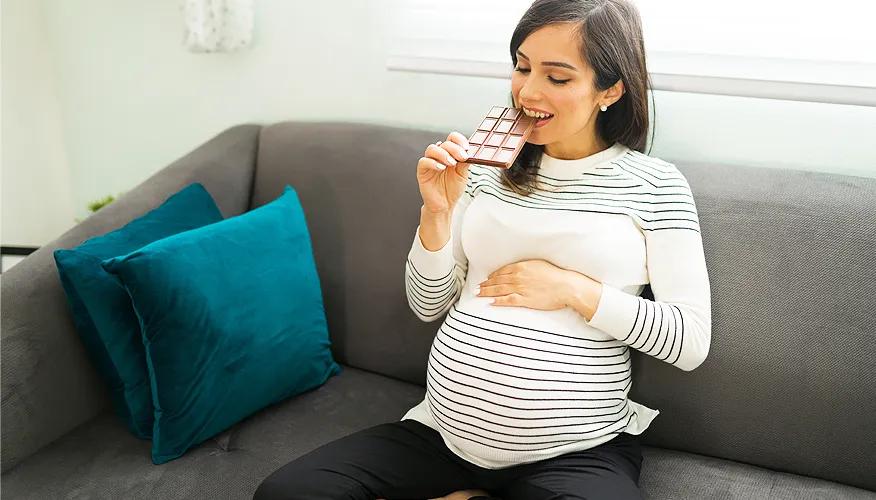
So, is dark chocolate good for pregnancy compared to other types? Generally, yes, because it contains higher concentrations of beneficial compounds. However, this doesn't mean you need to force yourself to eat dark chocolate if you prefer milk chocolate; moderation is more important than the specific type.
Additionally, both varieties offer their own set of benefits. Let's break it down:
Cardiovascular support
- Dark chocolate's flavonoids have been shown to help lower blood pressure, which is especially relevant since pregnancy can sometimes elevate blood pressure.
- These same compounds may enhance blood vessel function and improve blood flow to the placenta, potentially benefiting your baby's development.
Mood and stress management
- Pregnancy hormones can be a rollercoaster, and chocolate can stimulate the release of endorphins and serotonin.
- While it's not a substitute for proper mental health care, a small piece of quality chocolate might provide a gentle mood boost on challenging days.
Antioxidant protection
- The flavonoids in cocoa act as antioxidants, helping protect your cells from damage.
- During pregnancy, when your body is working overtime, this extra protection can be valuable.
Blood pressure support
- The flavonoids in cocoa can help relax blood vessels, potentially reducing pregnancy-related blood pressure concerns.
- This is particularly relevant because high blood pressure requires careful monitoring during pregnancy.
Reduced preeclampsia risk
- Women who consumed moderate amounts of chocolate, particularly dark chocolate during pregnancy, showed lower rates of this serious pregnancy complication.
- The mechanism likely relates to improved blood vessel function.
Chocolate Consumption by Trimester
1. First Trimester (Weeks 1–12)
What to know
- Hormonal changes can increase nausea, acidity, and food aversions.
- Chocolate contains caffeine and theobromine, which may worsen nausea or heartburn in some women.
Safe guidance
- Small amounts are generally safe (1–2 small pieces).
- Prefer dark chocolate (70% or more) in moderation.
- Avoid chocolate if it triggers nausea, vomiting, or acidity.
Tip to add
- If morning sickness is severe, it’s better to skip chocolate temporarily.
2. Second Trimester (Weeks 13–27)
What to know
- This is the safest and most comfortable phase of pregnancy.
- Energy levels improve and digestion is more stable.
Safe guidance
- Moderate chocolate intake is usually safe.
- Dark chocolate may offer benefits:
- Magnesium for muscle relaxation
- Antioxidants for circulation
- Mood improvement
Recommended limit
- Up to 20–30 g of dark chocolate per day
Tip to add
- Choose low-sugar or sugar-free options to avoid excess weight gain.
3. Third Trimester (Weeks 28–40)
What to know
- Risk of heartburn, bloating, and sleep issues increases.
- Excess caffeine late in pregnancy may affect fetal sleep patterns.
Safe guidance
- Limit chocolate, especially in the evening.
- Avoid milk chocolate and highly sweetened varieties.
Recommended limit
- Occasional small portions only
Tip to add
- Avoid chocolate close to bedtime to prevent reflux and insomnia.
Recommendations for eating chocolate during pregnancy
Portion control makes the biggest difference. Aim for less than 1 oz (about 28 g) daily, roughly equivalent to 2-3 small squares of a chocolate bar. This amount provides benefits without overwhelming your system with caffeine or excess sugar.
- Choose your type wisely:
- Dark chocolate (60-70% cacao): Optimal balance of benefits and safety.
- Avoid ultra-dark varieties (85%+ cacao): Higher heavy metal content outweighs benefits during pregnancy.
- Timing matters too: Enjoy chocolate earlier in the day to avoid caffeine interfering with sleep. Many pregnant women find that afternoon chocolate satisfies cravings without affecting nighttime rest.
- Quality over quantity: Invest in reputable brands that test for contaminants and use ethical sourcing. Your local grocery store's premium chocolate section often offers better options than impulse-buy candy bars.
Potential risks of chocolate in pregnancy
While chocolate can be part of a healthy pregnancy diet, it's important to understand the potential concerns. Being informed helps you make the best choices for you and your baby.
- Metal content: Some chocolates, especially dark varieties, can contain trace levels of lead and cadmium. While most brands don't pose a significant risk to adults, minimizing exposure during pregnancy is wise because these metals can potentially impact fetal brain development.
- Sugar overload: Milk chocolate during pregnancy and some dark chocolates are high in added sugars. Excessive sugar intake can contribute to:
- Gestational diabetes risk
- Unhealthy weight gain
- Energy crashes that leave you feeling worse
- Calorie density: Chocolate packs a lot of calories into small portions. During pregnancy, when healthy weight gain is important, it's easy to overdo it if chocolate becomes a daily habit rather than an occasional treat.
Caffeine content in different chocolate types
Understanding the caffeine content in different types of chocolate can help you make informed decisions about your daily intake.
Here's what you're looking at per 1-ounce serving:
- Dark chocolate typically contains 20-30 mg of caffeine. This varies depending on the cacao percentage—the higher the percentage, the more caffeine you'll get.
- Milk chocolate is much lower at 5-10 mg per ounce. The added milk and sugar dilute the cacao content, which means less caffeine overall.
- White chocolate contains virtually no caffeine (usually less than 2 mg) because it's made from cocoa butter rather than cocoa solids, where the caffeine resides.
For context, most health authorities recommend that pregnant women limit their total caffeine intake to 200 mg per day from all sources. So if you're having a cup of coffee (which contains about 95 mg), that chocolate bar becomes part of your caffeine calculation for the day.
How to enjoy chocolate safely during pregnancy
The best approach to chocolate during pregnancy combines enjoyment with mindfulness. Here are practical strategies to satisfy your cravings while keeping safety in mind:
- Smart selection strategies:
- Favor milk chocolate over dark if you're concerned about heavy metals.
- Choose reputable brands with transparent sourcing.
- Look for organic options when possible.
- Avoid chocolates with alcohol fillings completely.
- Pairing tips: Enjoy chocolate as part of a balanced snack rather than on an empty stomach. Pair it with protein or healthy fats to slow sugar absorption and keep you satisfied longer.
Pregnancy-safe chocolate snacks
Creative chocolate snacks can satisfy cravings while adding nutritional value to your day. These ideas help you enjoy chocolate while supporting your pregnancy nutrition goals.
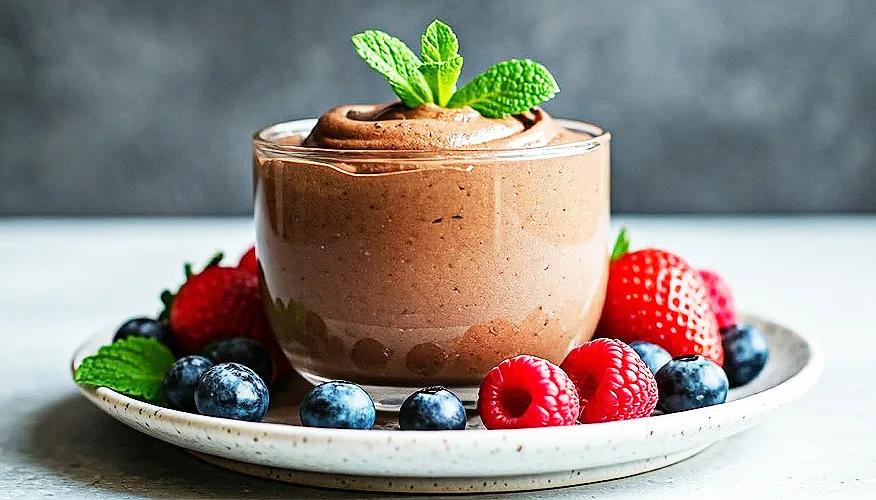
A few delicious options include:
- Cocoa smoothies: Blend milk, banana, spinach, and a tablespoon of cocoa powder.
- Chocolate-dipped fruits: Strawberries or banana slices with melted dark chocolate.
- Homemade energy balls: Dates, nuts, and cocoa powder rolled into bite-sized treats.
- Greek yogurt parfait: Layer yogurt with berries and a sprinkle of cocoa powder.
Additionally, when making chocolate treats at home, try these pregnancy-friendly swaps:
- Use cocoa powder instead of chocolate chips to control sugar.
- Add mashed banana for natural sweetness.
- Include nuts or seeds for protein and healthy fats.
- Try whole-grain flours for added fiber.
These snacks answer the question "Is cocoa good for pregnancy?" with a resounding yes, when used thoughtfully as part of nutritious recipes.
Can Chocolate Cause Miscarriage?
There is no scientific evidence showing that moderate chocolate consumption causes miscarriage. Concerns arise only when chocolate contributes to excessive caffeine or sugar intake. Staying within recommended limits makes chocolate safe for most pregnant women.
Does Chocolate Affect the Baby During Pregnancy?
Moderate chocolate consumption has not been shown to harm fetal development. Some research suggests that cocoa flavonoids may improve placental blood flow, which supports nutrient and oxygen delivery to the baby. Excessive intake, however, may lead to increased caffeine exposure and should be avoided.
When to avoid chocolate in pregnancy
While most women can safely enjoy chocolate in pregnancy, certain situations call for extra caution or complete avoidance.
- Medical reasons to limit chocolate:
- Gestational diabetes: High sugar content makes chocolate problematic
- Severe caffeine sensitivity: Even small amounts may cause issues
- Specific medical conditions: Such as severe acid reflux or certain migraine disorders
- When your healthcare provider says no: Always follow your doctor's specific recommendations. They know your individual health situation and can provide personalized guidance about whether you can eat chocolate during your pregnancy.
- Other reasons to reduce intake:
- Trouble sleeping after afternoon chocolate
- Increased heartburn or acid reflux
- Difficulty maintaining a healthy weight
- Jittery feelings or increased anxiety
Remember, pregnancy is temporary, and any restrictions are about giving your baby the best possible start. There will be plenty of time to enjoy chocolate freely after delivery.
Conclusion
Chocolate in pregnancy doesn't have to be a source of guilt or worry. For most expectant mothers, moderate consumption of quality chocolate can be part of a healthy, balanced diet. The key is making informed choices based on your individual circumstances, health status, and overall dietary pattern.
However, every pregnancy is different, and what works for one woman might not work for another. If you have specific health concerns or conditions, always check with your healthcare provider before making dietary decisions.
Most importantly, don't let perfect be the enemy of good. Pregnancy is challenging enough without eliminating every small pleasure. A square of dark chocolate after dinner or a chocolate-drizzled fruit bowl can be part of a healthy, balanced approach to pregnancy nutrition—and there's absolutely nothing wrong with that.
Meet our expert

Meet our expert
She holds a Bachelor of Nutrition & Community Health with Distinction from Universiti Putra Malaysia and has been a dedicated healthcare professional since 2014. As the Customer Care Manager, she leads a team of skilled dietitians and nutritionists, committed to serving the community.

How was the experience with article?
We'd love to know!