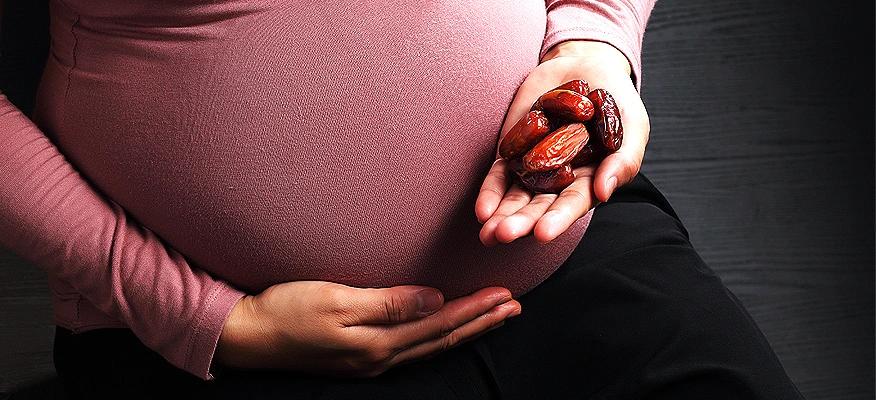
Pregnancy is a transformative journey filled with numerous changes, both emotional and physical.
As expectant mothers navigate this period, one crucial aspect is maintaining a balanced and nutritious diet to support their health and the development of their baby. Among the myriad of dietary options, dates—a sweet and nutrient-dense fruit—stand out as a beneficial addition.
This article delves into the top benefits of eating dates during pregnancy, exploring their nutritional value, safety, health advantages, potential to aid labor, and necessary precautions.
Nutritional value of dates
Dates are often hailed as nature’s candy due to their natural sweetness and rich flavor. The benefits of eating dates during pregnancy are numerous.
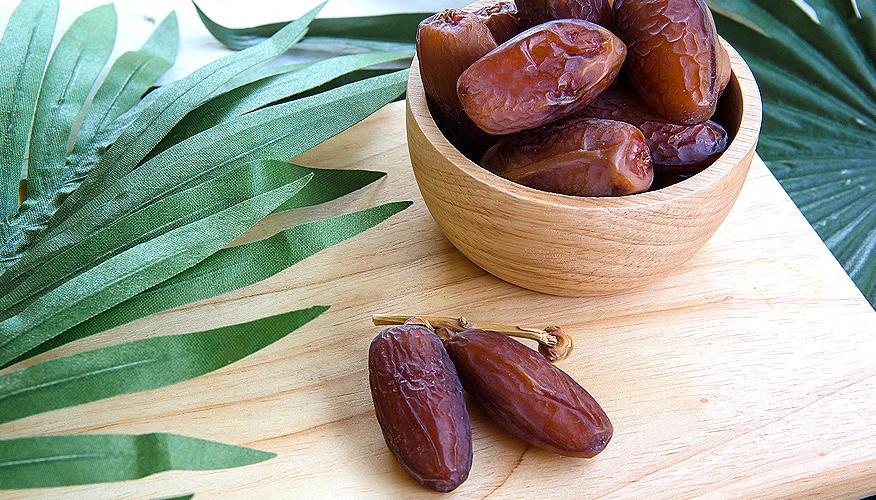
However, beyond their taste, they are packed with a plethora of nutrients essential for both the mother and the developing fetus. Here's a closer look at the nutritional profile of dates:
- Energy: Dates are high in natural sugars like glucose, fructose, and sucrose, providing a quick energy boost, which can be particularly beneficial for pregnant women who often experience fatigue.
- Fiber: A significant amount of dietary fiber in dates aids in preventing constipation, a common issue during pregnancy.
- Vitamins: Dates are a good source of vitamins such as Vitamin B6, which is crucial for brain development and reducing morning sickness; Vitamin K, important for blood clotting and bone health; and folate, essential for preventing neural tube defects.
- Minerals: Red dates during pregnancy provide essential minerals like iron, which helps prevent anemia; potassium, which maintains fluid balance and regulates blood pressure; magnesium, which supports muscle and nerve function; and copper, which is important for the production of red blood cells.
Are dates safe to eat during pregnancy?
Safety is a paramount concern for expectant mothers when it comes to dietary choices.
The good news is that eating dates in pregnancy is considered safe, provided they are consumed in moderation. They are a natural food with no known harmful effects when included as part of a balanced diet.
However, it is always advisable to consult with a healthcare provider to tailor dietary choices to individual health needs.
Health benefits of dates during pregnancy
The health benefits of eating dates during pregnancy are numerous, offering a range of advantages that support both the mother and the developing baby.
Here are some of the benefits of dates for womens:

1. Boosts energy levels
- Pregnancy often brings about fatigue and exhaustion.
- The natural sugars in dates—glucose, fructose, and sucrose—provide a quick and sustained energy boost, helping pregnant women to stay active and combat tiredness.
2. Prevents constipation
- Constipation is a common complaint during pregnancy due to hormonal changes and pressure on the intestines.
- The high fiber content in dates promotes healthy digestion and regular bowel movements, alleviating constipation and promoting overall digestive health.
3. Provides essential nutrients
- Dates are a rich source of essential vitamins and minerals necessary for the health of both the mother and the baby.
- For instance, red dates during early pregnancy helps in the production of hemoglobin and prevents anemia, while folate is crucial for the proper development of the baby’s brain and spinal cord.
4. Supports bone health
- The presence of magnesium and calcium in dates supports the development of strong bones and teeth in the baby and helps the mother maintain her bone health during pregnancy.
5. Regulates blood pressure
- Potassium found in dates helps regulate blood pressure levels, reducing the risk of hypertension—a common concern during pregnancy.
6. Promotes heart health
- Dates are beneficial for heart health due to their fiber content.
- This helps reduce cholesterol levels, and their potassium content, which aids in maintaining a healthy heart rate.
7. Strengthens the uterus
- Some studies suggest that consuming dates in the final weeks of pregnancy can help strengthen the uterus, potentially aiding in a smoother labor process.
Can dates help your labor?
One of the most intriguing potential benefits of eating dates during pregnancy is their role in facilitating labor.
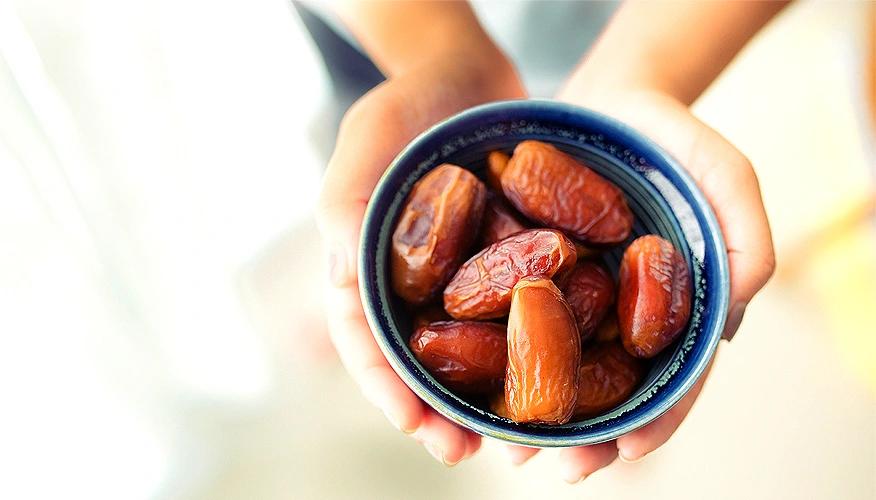
- Research indicates that consuming dates in the later stages of pregnancy might promote a shorter and easier labor, making them a valuable addition to the diet of expectant mothers approaching their due date.
- Several studies have highlighted the positive impact of dates to induce labor. One notable study found that women who ate six dates per day for four weeks before their estimated due date experienced a significantly shorter first stage of labor compared to those who did not consume dates.
- These women were also more likely to have a spontaneous, natural delivery without the need for medical induction or augmentation.
The potential relation of dates and pregnancy is for labor.
- Firstly, dates are rich in tannins, which are known to facilitate uterine contractions. Tannins help prepare the cervix for labor by promoting cervical ripening, which is the softening and thinning of the cervix necessary for it to dilate during childbirth. This process can reduce the duration of labor and increase the likelihood of a smooth delivery.
- In addition to tannins, dates provide a natural source of sugars and calories, which can be particularly beneficial during labor when energy demands are high.
- Labor is a physically demanding process that requires substantial energy, and the natural sugars in dates, such as glucose, fructose, and sucrose, can provide a quick and sustained energy boost.
- This can help maintain stamina and reduce fatigue, allowing for more effective pushing during the later stages of labor.
Precautions when eating dates during pregnancy
While benefits of eating dates during pregnancy offer numerous benefits, it is important for pregnant women to consume them in moderation and take certain precautions:
- Moderation is key: Due to their high natural sugar content, overconsumption of dates can lead to excessive calorie intake and potentially contribute to gestational diabetes. It is recommended to limit intake to around 6-7 dates per day.
- Check for allergies: Although rare, some individuals might be allergic to dates. Pregnant women should be cautious and consult with a healthcare provider if they experience any allergic reactions.
- Balance with other foods: Dates should be part of a balanced diet that includes a variety of fruits, vegetables, proteins, and whole grains to ensure comprehensive nutritional support.
- Monitor blood sugar levels: Women with gestational diabetes or those at risk should monitor their blood sugar levels and consult their healthcare provider before including dates in their diet.

Conclusion
Incorporating dates into a pregnancy diet offers a host of benefits, from boosting energy levels and preventing constipation to providing essential nutrients and potentially aiding in labor.
Their rich nutritional profile and natural sweetness make them an excellent choice for expectant mothers looking to enhance their diet.
However, moderation and consultation with a healthcare provider are essential to ensure that dates are consumed safely and effectively.
By doing so, pregnant women can enjoy the benefits of eating dates during pregnancy, supporting their overall well-being and that of their developing baby.
Meet our expert

Meet our expert
Deborah Onoja, a dedicated Registered Nutritionist-Dietitian, holds a Bachelor's degree in Nutrition & Dietetics from the Federal University of Agriculture, Abeokuta. She furthered her expertise with a Master's degree in Clinical Nutrition and Diet Therapy from the University of Ibadan.


How was the experience with article?
We'd love to know!