
Ah, the joys and challenges of pregnancy! It’s a time when you’re eating for yourself and nourishing the little one growing inside you. Every morsel you consume contributes to your health and well-being and your baby’s development.
In this journey of life creation, have you heard about a superfood that’s been gaining popularity lately? Meet horse gram, a nutrient-dense legume that’s been a part of traditional diets for ages.
Although it’s packed with benefits, you might wonder, ‘Is horse gram during pregnancy safe?’ and ‘What are the health benefits of eating horse gram?’. Good questions, indeed! As a soon-to-be mom or a new mom, it's essential to understand every dietary choice you make.
Get ready to dive into the world of horse gram—its benefits, uses, and everything else related to this powerful food. Because just like you, we care about your health and your baby's well-being.
So, let’s embark on this enlightening journey together!
What is horse gram?
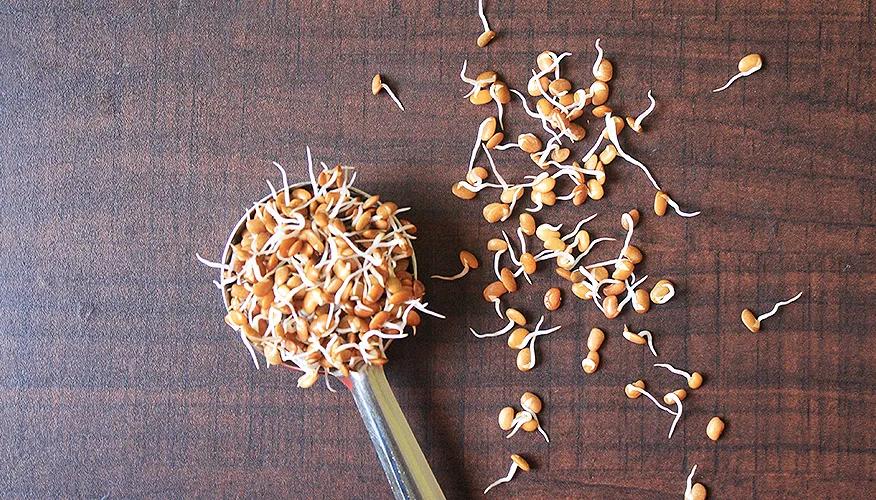
Horse gram (Macrotyloma uniflorum) is a legume that has been consumed for centuries, particularly in South Asian and African countries.
Known for its incredible nutritional profile and numerous health benefits, horse gram has been making a resurgence as people seek out traditional and nutrient-dense foods.
Here are some details on horse gram contents, appearance, taste, and nutritional profile:
- Appearance: Horse gram seeds are small, rounded, and come in shades of brown, red, and black. The seeds have a shiny, hard exterior, which requires thorough cooking to soften.
- Taste: The flavor of horse gram is nutty, earthy, and slightly bitter, making it a versatile ingredient in both savory and sweet dishes. When cooked properly, its texture becomes soft and hearty, lending itself well to soups, stews, and curries.
- Nutritional profile: Horse gram is a powerhouse of nutrition, packed with essential nutrients that make it a valuable addition to your diet. Here’s a closer look at its contents:
- High in protein: With approximately 22% protein, horse gram juice provides a plant-based source of this crucial nutrient, essential for muscle repair, enzyme function, and overall growth, especially during pregnancy.
- Rich in fiber: Horse gram offers about 10% dietary fiber, which aids in digestion, regulates blood sugar levels, and helps prevent constipation.
- Vitamins and minerals: This legume is rich in iron, calcium, phosphorus, and magnesium, all of which play vital roles in maintaining good health. It also contains B vitamins, particularly B1 (thiamine) and B3 (niacin), which are important for energy metabolism.
- Antioxidants: Horse gram is loaded with antioxidants like flavonoids and polyphenols, which help protect the body from oxidative stress and inflammation.
Historical and cultural significance
Horse gram has a rich history, particularly in India, where it has been used as both food and medicine for thousands of years.
Its resilience in harsh climates and poor soils has made it a staple crop in arid regions, where other legumes might struggle to grow.
- Traditional uses: In traditional Indian medicine (Ayurveda), horse gram water is used to treat a variety of conditions, including respiratory issues, digestive problems, and skin disorders. It is also believed to have detoxifying properties, making it a popular ingredient in cleansing diets.
- Cultural significance: Horse gram is a staple in many regional Indian cuisines, particularly in the southern and western parts of the country. It is often used in dishes like kulith dal, horse gram rasam, and hurali saaru, where its earthy flavor and high nutrient content are highly valued. In some cultures, horse gram is also considered an energizing food, traditionally given to cattle and horses to increase stamina and strength, which is how it got its name.
Benefits of Horse gram during pregnancy
Horse gram, also known as Kulthi dal, is a highly nutritious legume that offers several health benefits, making it an excellent addition to a pregnancy diet. Packed with proteins, vitamins, minerals, and antioxidants, horse gram supports both maternal health and fetal development in multiple ways.
Here’s a detailed overview of the benefits of horse gram during pregnancy:
1. Rich in Protein
Horse gram is an excellent source of plant-based protein, which plays a crucial role during pregnancy. Protein is essential for the growth and development of the baby’s tissues and organs, including muscles, skin, and other vital structures. It also supports the mother’s body by repairing cells and maintaining overall health. Including horse gram in your diet ensures that both mother and baby receive sufficient protein for optimal growth and well-being.
2. Prevents Anemia
Pregnancy increases the body’s demand for iron to produce extra blood for the developing baby. Horse gram is rich in iron, which helps prevent anemia—a common condition during pregnancy that causes fatigue, weakness, and complications. Regular consumption supports healthy hemoglobin levels and ensures proper oxygen supply to both mother and baby.
3. Supports Bone Health
Horse gram contains significant amounts of calcium and phosphorus, two minerals essential for strong bones and teeth. During pregnancy, the developing baby relies on the mother’s calcium supply for proper bone formation. Consuming horse gram can help meet these requirements, reducing the risk of maternal bone depletion and supporting the overall skeletal health of both mother and baby.
4. Regulates Blood Sugar
Horse gram has a low glycemic index, which means it releases sugar into the bloodstream slowly, helping to maintain stable blood sugar levels. This is particularly beneficial during pregnancy, as it can help reduce the risk of gestational diabetes—a condition that affects both mother and child. Including horse gram in meals can contribute to better blood sugar control and overall metabolic health.
5. Boosts Immunity
Packed with antioxidants, minerals, and essential nutrients, horse gram helps strengthen the immune system. Pregnancy can make women more susceptible to infections due to changes in immunity, and consuming horse gram regularly can provide the body with the tools it needs to fight off illnesses. A stronger immune system supports both maternal health and fetal development.
6. Aids Digestion
Horse gram is high in dietary fiber, which is essential for maintaining healthy digestion during pregnancy. Many pregnant women experience constipation due to hormonal changes and slower intestinal movement. Eating horse gram can help prevent constipation by promoting smooth bowel movements, improving gut health, and reducing discomfort.
7. Helps in Weight Management
The high protein and fiber content of horse gram provides a feeling of fullness, which can help control excessive appetite and prevent unnecessary weight gain during pregnancy. While gaining weight is natural and necessary during pregnancy, balanced intake of nutrient-rich foods like horse gram supports healthy and steady weight gain for both mother and baby.
8. Reduces Pregnancy Fatigue
Pregnancy often brings tiredness and low energy due to increased nutritional demands. Horse gram, being rich in iron, protein, and essential minerals, helps replenish energy levels and reduce fatigue. Regular consumption can help mothers feel more energetic and better equipped to handle the physical and mental demands of pregnancy.
9. Supports Heart Health
Horse gram contains potassium and magnesium, which are essential for maintaining healthy blood pressure and supporting cardiovascular health. Proper heart function is crucial during pregnancy, as the mother’s body works harder to pump blood for both herself and the growing baby. Including horse gram in the diet helps maintain heart health and reduces the risk of pregnancy-related cardiovascular issues.
10. Helps in Detoxification
Horse gram contains antioxidants and phytonutrients that help eliminate toxins from the body. During pregnancy, toxin buildup can affect both mother and baby. Regular consumption of horse gram can support the liver and kidneys in detoxifying the body naturally, promoting overall health.
11. Improves Skin Health
The rich mineral content, particularly zinc and antioxidants, in horse gram can help maintain healthy skin during pregnancy. These nutrients reduce oxidative stress, prevent acne flare-ups, and promote a natural glow, which is often affected by hormonal changes.
12. Strengthens Hair Health
Pregnancy hormones can cause hair thinning or dryness for some women. Horse gram is rich in protein, iron, and vitamins, which nourish hair follicles and reduce hair fall. Including horse gram in your diet can contribute to strong, healthy hair during pregnancy.
13. Supports Kidney Health
Horse gram has natural diuretic properties that can help maintain kidney function and prevent water retention during pregnancy. Adequate kidney function is essential for eliminating waste efficiently and maintaining fluid balance.
14. Reduces Swelling
Edema, or swelling of the hands, feet, and legs, is common during pregnancy. The diuretic effect and potassium content of horse gram can help regulate fluid balance, reducing swelling and promoting comfort.
15. May Help Prevent Infections
Horse gram contains antimicrobial properties that can help the body fight minor infections. This is important during pregnancy, as the immune system is naturally weakened, making women more prone to infections.
16. Supports Nervous System Development
Horse gram provides magnesium, calcium, and B vitamins, which are important for the healthy development of the baby’s nervous system and brain. Consuming horse gram helps ensure that the baby’s neural growth is supported.
17. Enhances Metabolism
The nutrients in horse gram, including iron, protein, and complex carbohydrates, help boost metabolism and maintain energy levels. A healthy metabolism ensures that both mother and baby get the required nutrients efficiently.
18. May Reduce Risk of Preeclampsia
The potassium, magnesium, and antioxidant-rich profile of horse gram can help regulate blood pressure, potentially reducing the risk of preeclampsia, a pregnancy complication characterized by high blood pressure and organ stress.
Potential risks of eating horse gram during pregnancy
While horse gram health benefits are plentiful, it’s important to be aware of potential risks and horse gram disadvantages associated with its consumption during pregnancy:
1. Digestive issues
- The high fiber content in horse gram, while beneficial for digestion, can also lead to digestive discomforts such as bloating and gas, especially if consumed in large quantities.
- Pregnant women who may already experience bloating due to hormonal changes should introduce horse gram into their diet gradually to avoid exacerbating these symptoms.
2. Anti-nutritional factors
- Horse gram contains anti-nutritional factors such as phytic acid, which can bind to minerals like iron and calcium, reducing their absorption in the body.
- While soaking and cooking horse gram can help reduce these anti-nutritional factors, it’s important to consume it as part of a balanced diet that includes other nutrient-dense foods to ensure adequate nutrient absorption.
3. Allergic reactions
- Although rare, some individuals may have allergies or sensitivities to legumes, including horse gram.
- Pregnant women trying horse gram for the first time should be monitored for any adverse reactions, such as itching, swelling, or difficulty breathing, and consult with a healthcare provider if any symptoms occur.
4. Moderation and balance
- Like all foods, it’s important to consume horse gram in moderation during pregnancy. While the benefits of eating horse gram are significant, overconsumption can lead to digestive issues and potential nutrient imbalances.
- It should be included as part of a well-rounded diet that incorporates a variety of other fruits, vegetables, grains, and proteins.
How to safely include horse gram in your pregnancy diet
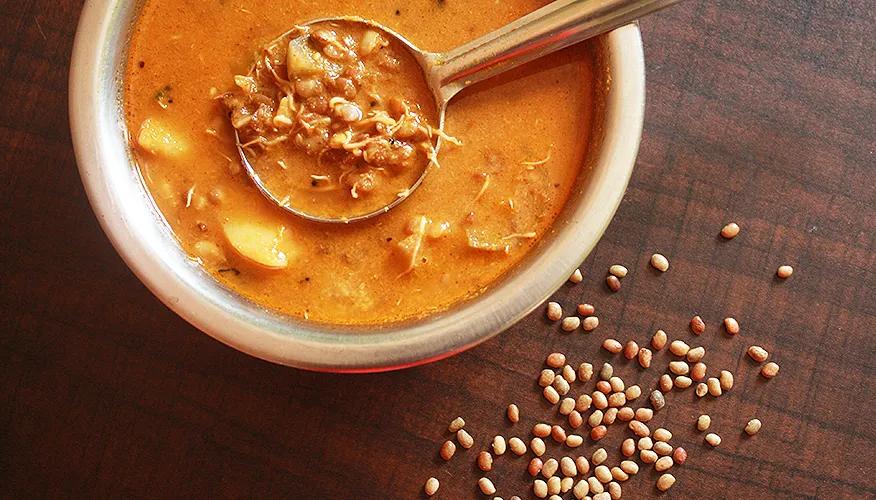
Incorporating horse gram uses into your pregnancy diet can be done safely with the right preparation methods and recipe ideas:
1. Cooking methods
- Soaking: Soaking horse gram in water for several hours or overnight before cooking helps reduce the levels of anti-nutritional factors like phytic acid. Soaking also softens the seeds, making them easier to cook and digest.
- Boiling: Boiling is a common method for preparing horse gram. After soaking, the seeds can be boiled until tender, which helps reduce any bitter taste and makes the nutrients more bioavailable. Boiled horse gram can be used in soups, stews, or salads.
- Roasting: Roasted horse gram is a popular snack in many cultures. Roasting enhances the flavor and provides a crunchy texture, making it a delicious and healthy option. Roasted horse gram can be consumed on its own or added to trail mixes and salads.
2. Recipe ideas
- Horse gram soup: A comforting and nutritious option, horse gram soup can be made by boiling the seeds with vegetables, spices, and herbs. This dish is rich in protein, fiber, and essential vitamins and minerals, making it ideal for pregnancy.
- Horse gram salad: Combine boiled horse gram with fresh vegetables, herbs, and a light dressing for a refreshing and nutrient-dense salad. This dish is perfect for a light lunch or as a side dish.
- Horse gram dal: This traditional Indian dish is made by simmering horse gram with lentils, spices, and tomatoes. It is a hearty and satisfying meal that provides a significant amount of protein and iron.
- Horse gram porridge: For a nutritious breakfast option, cook horse gram with water or milk until it reaches a porridge-like consistency. Add fruits, nuts, and a drizzle of honey for added flavor and nutrition.
- Horse gram flour recipes: Horse gram flour can be used in various recipes, including pancakes, dosas, and chapatis. It adds a nutty flavor and boosts the nutritional content of these dishes.
Conclusion
Incorporating horse gram during pregnancy can provide several nutritional benefits, from being a rich source of protein and iron to offering fiber for digestive health. However, like any other food intake during pregnancy, balance and moderation are key.
Remember that every individual's nutritional needs and tolerances are unique, especially during pregnancy. So, while horse gram has its benefits, always consult your healthcare provider or a nutritionist before significantly altering your diet and learn how to eat horse gram to avoid horse gram side effects.
So go ahead! Discover the benefits of horse gram and see if this nutrient-packed legume can make a flavorful, healthy addition to your pregnancy diet.
Meet our expert

Meet our expert
In her role as the Product Consultant Manager at Mega BiO-LiFE, Jillian Lai Mei Siew is instrumental in fostering a cohesive team spirit among all Product Consultants. Her primary objective is to ensure that each consultant is equipped with accurate and relevant health and nutritional information to better serve clients.



How was the experience with article?
We'd love to know!