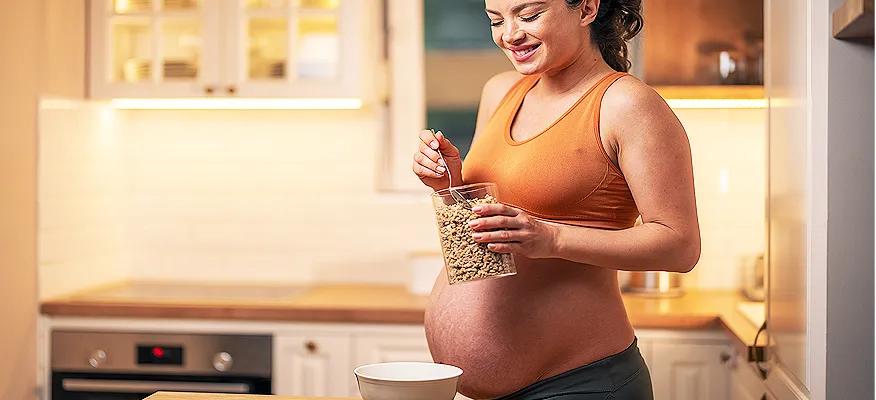
That familiar morning routine of reaching for a bowl of cereal takes on new meaning when you're expecting.
The right cereal for pregnancy can be a nutritional powerhouse that supports both you and your growing baby, while the wrong choice might leave you feeling sluggish and missing out on essential nutrients.

This guide will help you choose the best cereals for pregnancy — the ones that actually support your health, fit into busy mornings, and still taste great. Let’s explore what to pick, what to avoid, and how to build a breakfast that truly nourishes you and your baby.
Is cereal good for pregnant women?
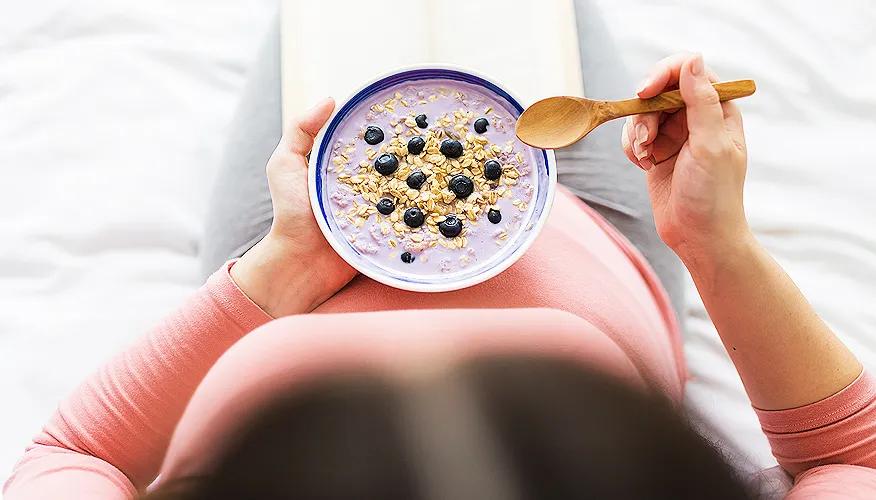
Yes, absolutely—when chosen thoughtfully. Cereal can be one of your most reliable allies during pregnancy, especially when you're dealing with morning sickness or those days when cooking feels overwhelming.
The key lies in selecting cereals made from whole grains and fortified with essential nutrients. These aren't just convenient breakfast options; they're specifically designed to address the increased nutritional demands of pregnancy. In fact, fortified blended cereals are commonly used in nutrition programs across Southeast Asia and East Africa primarily because they're so effective at combating undernutrition and anemia in pregnant women.
What makes cereals particularly valuable during pregnancy is their accessibility and cultural acceptance. Rice or maize-based cereals are already staples in many diets, making it easier to incorporate them into your daily routine without major lifestyle changes. Additionally, they provide a steady source of energy when your body is working overtime to support your baby's development.
The bottom line? A good cereal can deliver essential calories, proteins, and micronutrients in a format that's easy to prepare and digest, exactly what you need when pregnancy symptoms make eating challenging.
Benefits of eating cereal during pregnancy
Think of the right cereal as a multivitamin you can actually enjoy eating. The benefits extend far beyond just satisfying your morning hunger.
Energy when you need it most
Pregnancy significantly increases your energy requirements, and cereals provide an efficient source of calories that your body can quickly convert to fuel. This is especially important during the second and third trimesters when your baby's growth accelerates.
Micronutrient powerhouse
Fortified cereals supply critical nutrients like iron, folic acid, calcium, and B vitamins. These aren't just nice-to-haves; they're essential for preventing maternal anemia, supporting fetal brain development, and ensuring proper bone formation.
Digestive relief
Whole grain cereals are rich in dietary fiber, which can be a lifesaver if you're dealing with pregnancy-related constipation. The fiber helps keep things moving while also promoting beneficial gut bacteria.
Blood sugar stability
Quality whole grain cereals help regulate blood sugar levels, potentially reducing your risk of gestational diabetes. This steady energy release also helps prevent those energy crashes that can leave you reaching for less healthy snacks.
Key nutrients to look for in pregnancy cereals
When scanning cereal boxes, these nutrients should be at the top of your priority list.
- Iron is your first line of defense against anemia, which affects up to 40% of pregnant women globally. Look for cereals providing at least 18 mg of iron per serving. Your body needs this to deliver oxygen efficiently to your growing baby.
- Folic acid is non-negotiable during pregnancy. This B vitamin is crucial for neural tube development and can significantly reduce the risk of birth defects. Aim for cereals containing at least 400 micrograms of folic acid.
- Calcium supports your baby's bone development while protecting your bone health. During pregnancy, your body will pull calcium from your bones to support your baby if dietary intake is insufficient.
- Protein becomes increasingly important as pregnancy progresses. While cereals aren't typically high-protein foods, those with added legumes or seeds can provide a meaningful protein boost to support tissue growth.
- B vitamins, particularly B6 and B12, support your baby's brain development and help your body process the increased metabolic demands of pregnancy.
- Dietary fiber keeps your digestive system functioning smoothly and helps you feel satisfied longer, preventing unnecessary snacking on less nutritious foods.
Best cereal for pregnancy
The best cereals for pregnant women combine convenience with comprehensive nutrition.
- Fortified blended cereals top the list. Products like Corn Soya Blend Plus, often called "super cereal" in nutrition programs, are specifically formulated for pregnant and breastfeeding women. These provide balanced macro- and micronutrients in proportions designed to meet increased pregnancy needs.
- Whole-grain options should be your go-to for everyday choices. Brown rice, millet, and quinoa retain their natural nutrients and fiber, making them nutritionally superior to refined alternatives. These also provide sustained energy without blood sugar spikes.
- Traditional porridges offer cultural familiarity with modern nutrition benefits. Maize, sorghum, and finger millet porridges become nutritional powerhouses when you add nuts, seeds, or a splash of fortified milk.
- Cereals with added seeds deserve special mention. Chia seeds, for example, boost protein content while adding omega-3 fatty acids and extra calcium, nutrients that are particularly important during pregnancy.
Cereals to avoid during pregnancy
Not all cereals are created equal, and some can actually work against your pregnancy health goals.
- Sugary breakfast cereals might taste appealing, especially if you're dealing with food aversions, but they're essentially candy in cereal form. These highly processed options provide empty calories that contribute to excessive weight gain and increase your risk of gestational diabetes.
- Refined grains like white rice, cereals, or those made from processed wheat flour have been stripped of their most valuable nutrients. The refining process removes the fiber, B vitamins, and minerals that make whole grains so beneficial during pregnancy.
- Cereals with artificial additives should be approached with caution. While most food-grade additives are considered safe during pregnancy, unnecessary colorants, preservatives, and artificial flavors don't add nutritional value.
- High-sodium varieties can contribute to water retention and elevated blood pressure, complications you want to avoid during pregnancy.
What to pair with cereal during pregnancy
The right accompaniments can transform a simple bowl of cereal into a complete, pregnancy-supporting meal.
- Milk or fortified plant-based alternatives are natural partners that enhance calcium, protein, and vitamin D intake. If you're lactose intolerant or following a plant-based diet, choose fortified soy, almond, or oat milk to maintain these benefits.
- Fresh fruits do double duty; they add natural sweetness while providing vitamin C that enhances iron absorption from your cereal. Berries, bananas, and citrus fruits are particularly beneficial choices.
- Nuts and seeds transform texture while boosting healthy fats, protein, and micronutrients. A handful of almonds or a sprinkle of ground flaxseed adds substantial nutritional value.
Tips for choosing the right cereal in pregnancy
Smart cereal selection becomes easier when you know what to look for and what questions to ask.
- Start by checking the ingredient list. Whole grains should be listed first, and the ingredient list should be relatively short and recognizable. If you can't pronounce most ingredients, it's probably too processed.
- Read nutrition labels carefully, focusing on cereals that provide at least 10-15% of your daily value for iron, folic acid, and calcium. These percentages are based on general adult needs, but during pregnancy, you'll want every bit of these nutrients you can get.
- Limit added sugars by choosing cereals with less than 6 grams of sugar per serving. Natural sugars from dried fruits are acceptable, but avoid cereals where sugar appears in the first three ingredients.
- Consider cultural suitability. The best cereal is one you'll actually eat consistently. Choose options that align with your taste preferences and dietary traditions for better long-term adherence.
- Rotate your choices to maximize nutrient diversity. Different cereals offer different nutrient profiles, so varying your selections helps ensure you're not missing any important nutrients.
- Consult with your healthcare provider about your specific nutritional needs. They can provide personalized recommendations based on your health status, dietary restrictions, and pregnancy progression.
Conclusion
Choosing the right cereal for pregnancy doesn't have to be complicated.
Focus on whole grain or fortified options that provide essential nutrients like iron, folic acid, and calcium, while avoiding overly processed, sugary varieties that offer little nutritional value. The best cereals for pregnant women are those that fit seamlessly into your lifestyle while supporting both your health and your baby's development.
Remember, cereal is just one part of a balanced pregnancy diet; pair it thoughtfully with milk, fruits, and protein sources to create meals that truly nourish you and your growing baby.
Meet our expert
.webp&w=1920&q=75)
Meet our expert
Dr. Kulyk Alexander Petrovich is a Ukraine-based gynecologist, with extensive experience in women's health. In 1995, he graduated from the Kyiv Medical University, and specialized in gynecology. He then went on to work as a gynecologist in the Institute of Pediatric, Obstetrics and Gynecology in Kyiv, where he worked until the year 2000.


How was the experience with article?
We'd love to know!