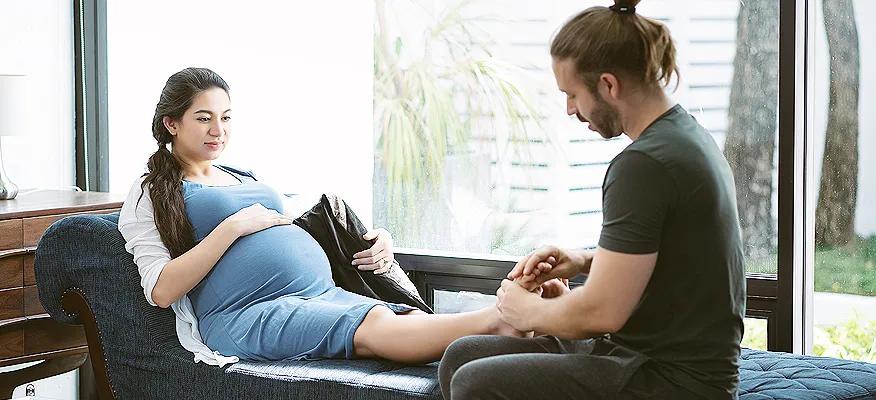
Swollen feet after a long day, aching legs from carrying extra weight, and that constant need for comfort: pregnancy brings its own set of physical challenges.
Many expectant mothers search for tips for foot massage during pregnancy to ease the discomfort and find relief. The good news? When done correctly, foot massages can be both safe and incredibly beneficial during this special time. But like many things in pregnancy, there are important guidelines to follow.
What is a pregnancy foot massage?
A pregnancy foot massage is a specialized, gentle massage technique designed specifically for expectant mothers. Unlike your regular spa foot massage, this approach uses lighter pressure and carefully avoids certain sensitive areas that could potentially cause discomfort or complications.
The key difference lies in the technique and awareness. A trained prenatal massage therapist understands which areas to focus on and which to avoid entirely. They know that your body is working overtime right now, and every touch should support—not stress—your system.
You don't always need a professional, though. Your partner can learn to provide gentle, safe foot massages at home with the right guidance. The focus is always on comfort, relaxation, and addressing those pregnancy-specific discomforts like swelling and muscle tension.
Is a foot massage safe during pregnancy?
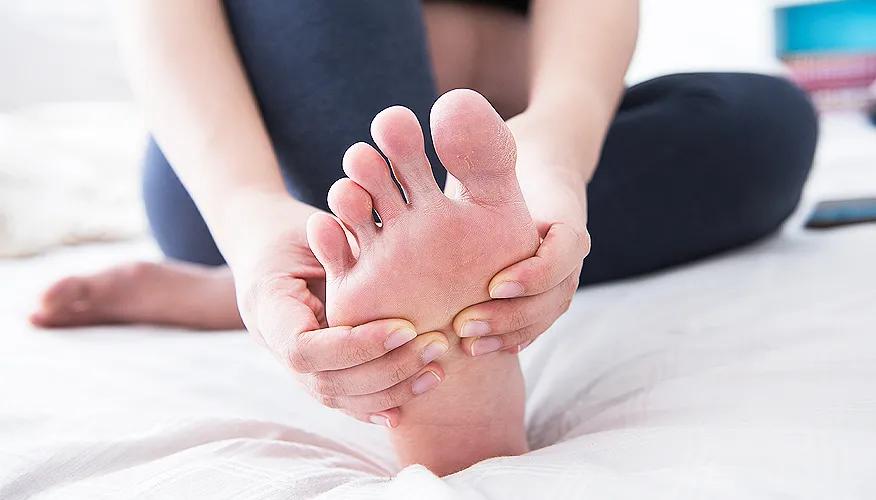
The short answer is yes, a foot massage is generally safe during pregnancy. Major health authorities confirm there's no scientific evidence linking gentle foot massage to miscarriage or preterm labor when performed correctly.
However, timing and technique matter significantly. During the first trimester, it's generally recommended to keep massages very gentle or wait until the second trimester when pregnancy is more stable. This isn't because massage is dangerous, but because the risk of natural miscarriage is higher in early pregnancy, and avoiding any potential concerns gives peace of mind.
Certain health conditions require extra caution or complete avoidance of massage. If you have a history of blood clots, preeclampsia, or other pregnancy complications, always consult your healthcare provider first. Your doctor knows your specific situation and can provide personalized guidance.
The key is avoiding deep, vigorous pressure, especially around the ankles and calves. Gentle, soothing strokes are what you're aiming for, not deep tissue work.
Benefits of foot massage during pregnancy
When done safely, foot massage offers remarkable benefits that can significantly improve your pregnancy experience.
1. Reduces swelling and fluid retention
Foot massage helps relieve pregnancy swelling. Gentle upward strokes help move excess fluid from your feet and ankles back into circulation. This is particularly helpful if you spend long hours standing or sitting, which can cause fluid to pool in your lower extremities.
2. Eases muscle tension and pain
As your body changes and your center of gravity shifts, your feet and legs work harder to support you. This often leads to muscle soreness and tension. A gentle massage helps release these tight spots, providing much-needed relief from pregnancy-related aches.
3. Promotes better sleep and relaxation
Pregnancy can disturb sleep quality. A soothing foot massage before bedtime can help your entire body relax, potentially improving your sleep quality. The gentle touch releases endorphins— your body's natural feel-good chemicals—which can help reduce anxiety and promote calmness.
4. Improves circulation
Pregnancy naturally affects your circulation as your blood volume increases and your growing baby puts pressure on blood vessels. Gentle massage encourages better blood flow, which benefits both you and your baby.
5. Reduces stress and anxiety
A foot massage can significantly reduce stress and anxiety during pregnancy. The gentle pressure helps your body release endorphins, which naturally elevate your mood and create a sense of calm. This soothing effect is especially helpful for pregnant women who may feel overwhelmed by hormonal changes, physical discomfort, or emotional stress. Regular foot massages can help stabilize your mood and support overall mental wellbeing.
6. Helps reduce foot and leg cramps
Foot and leg cramps are common during pregnancy, especially at night. These cramps often happen due to increased pressure on your leg muscles, changes in circulation, or nutritional shifts. A gentle foot massage helps relax tight muscles, relieve tension, and improve flexibility. By easing stiffness in the calves and feet, massage can reduce the frequency and intensity of cramps, making your daily activities and sleep more comfortable.
7. Supports lower back pain relief
As your belly grows, your posture changes, often leading to lower back pain. Foot massage targets specific reflex points that connect to the lower back, helping release tension in this area. Improved circulation and muscle relaxation also support better spinal alignment. This indirect relief can make standing, walking, and sitting more comfortable throughout pregnancy.
8. Helps prevent mild varicose veins
Pregnancy can cause blood to pool in the legs, leading to heaviness, discomfort, or mild varicose veins. A gentle foot and lower-leg massage encourages healthy blood flow and helps prevent blood from stagnating in the veins. While it cannot cure varicose veins, regular massage may reduce discomfort, minimize swelling, and help keep your legs feeling lighter. However, deep pressure should be avoided if varicose veins are severe.
9. Enhances overall wellbeing
Beyond physical relief, foot massage enhances your overall sense of wellbeing during pregnancy. The relaxing effect helps you feel more grounded and at ease, especially during times when your body and emotions are constantly changing. This simple self-care practice promotes both physical and emotional comfort, helping you feel refreshed and supported throughout your pregnancy journey.
10. May assist in preparing the body for labor (late pregnancy only)
In the final weeks of pregnancy, foot reflexology may help prepare your body for labor by promoting relaxation and improving blood flow. Some specific pressure points are believed to support natural labor readiness. However, these should only be stimulated under the guidance of a trained prenatal massage therapist. These techniques should never be used earlier in pregnancy, as they can trigger contractions.
Risks and precautions of foot massage during pregnancy
While foot massage is generally safe, understanding the risks helps you make informed decisions and enjoy massage worry-free.
1. Avoiding deep pressure and specific areas
- Knowing where not to massage a pregnant woman is crucial knowledge. Deep pressure on the ankles, calves, and certain foot points should be avoided.
- These areas are traditionally associated with reproductive organs in reflexology. While scientific evidence is limited, it’s wiser to stay on the safe side.
2. Blood clot considerations
- Pregnancy increases your risk of developing blood clots, particularly deep vein thrombosis (DVT).
- If you notice swelling, redness, warmth, or pain in your legs—especially if it's one-sided— avoid massage and contact your healthcare provider immediately. These could be signs of a blood clot.
3. Medical conditions requiring extra caution
- Certain pregnancy complications require special consideration. If you have preeclampsia, placenta previa, or are at risk for preterm labor, discuss with your healthcare provider whether you can get massages.
- They can advise whether it's safe for your specific situation.
Professional vs. home massage safety
- While home massages from your partner can be wonderfully bonding and comfortable, a professional massage from a certified prenatal therapist offers additional expertise. They understand pregnancy anatomy and can provide more targeted relief while maintaining safety.
Foot reflexology during pregnancy: What to know
Foot reflexology takes massage a step further, focusing on specific pressure points believed to correspond with different body organs and systems. While some practitioners claim these points can induce labor or affect pregnancy outcomes, current scientific research doesn't support these dramatic claims.
However, out of an abundance of caution, certain reflexology points are typically avoided during pregnancy. These include Spleen 6 (located on the inner ankle), Urinary Bladder 60 (behind the ankle bone), and Urinary Bladder 67 (on the outside of the pinky toe).
The good news is that gentle foot massage—without targeting these specific pressure points—provides all the relaxation and circulation benefits without any theoretical risks. Think of it as enjoying the soothing aspects of foot care without venturing into the more specialized territory of reflexology.
Tips for foot massages during pregnancy
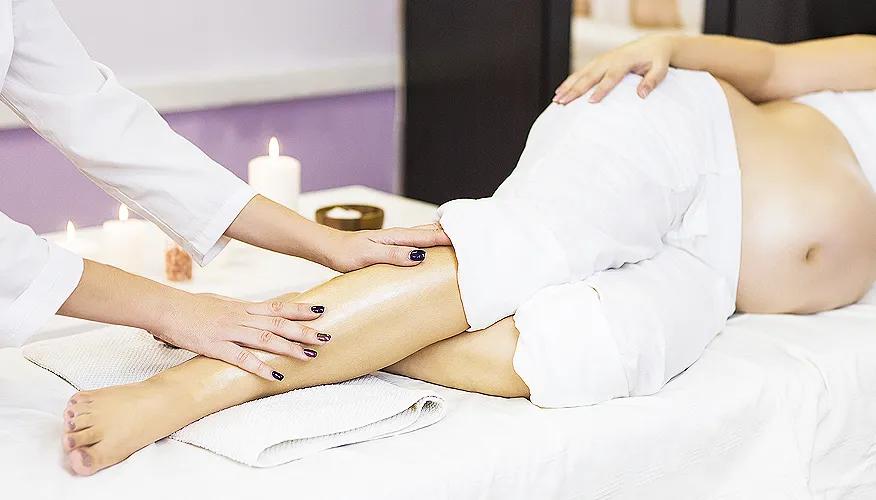
Getting the most from your foot massage while staying safe is easier than you might think.
- Positioning is everything. Never lie flat on your back, especially after the first trimester. This position can compress major blood vessels, causing dizziness or nausea. Instead, try side-lying with pillows for support, or sit in a comfortable reclining position.
- Gentle pressure is your friend. Think soothing strokes rather than deep kneading. Your partner's hands should glide smoothly over your skin, applying just enough pressure to feel good without causing any discomfort.
- Communication is key. Whether you're at home or with a professional, speak up immediately if anything feels uncomfortable. Your comfort level can change throughout pregnancy, and what felt good last week might feel too intense today.
- Hydration matters. Drink plenty of water before and after your massage. This supports circulation and helps your body process any toxins released during the massage.
- Timing considerations. About foot spa for pregnant women: while pedicures are generally safe, ensure the water isn't too hot and the facility follows proper hygiene protocols. Can a pregnant woman do a pedicure safely? Yes, but choose reputable establishments and inform them about your pregnancy.
Conclusion
Foot massage during pregnancy can be a wonderful addition to your wellness routine when approached with knowledge and caution. The benefits—from reducing swelling to promoting relaxation—can significantly improve your comfort during this transformative time.
By following safety guidelines, avoiding deep pressure on sensitive areas, and consulting your healthcare provider when needed, you can enjoy the soothing relief that gentle foot massage provides. Remember, every pregnancy is unique, so listen to your body and prioritize what feels right for you.
Meet our expert
.webp&w=1920&q=75)
Meet our expert
Dr. Kulyk Alexander Petrovich is a Ukraine-based gynecologist, with extensive experience in women's health. In 1995, he graduated from the Kyiv Medical University, and specialized in gynecology. He then went on to work as a gynecologist in the Institute of Pediatric, Obstetrics and Gynecology in Kyiv, where he worked until the year 2000.



How was the experience with article?
We'd love to know!