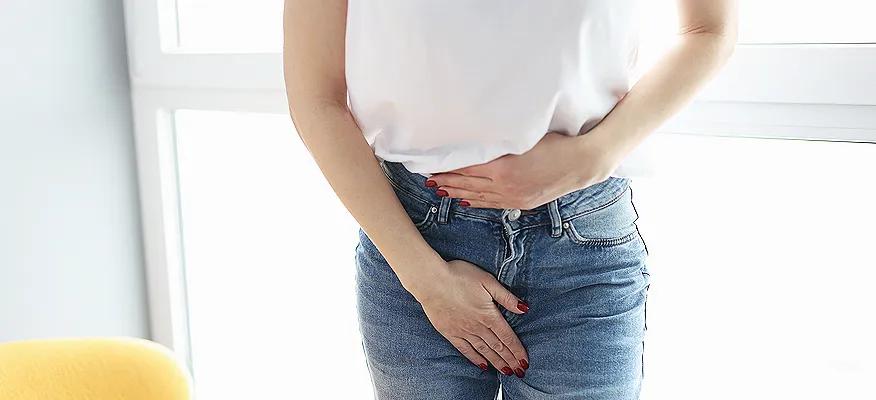
That familiar twinge in your groin as you roll out of bed, or the sharp ache in your inner thigh when you climb stairs — if you're pregnant and experiencing these sensations, you're definitely not alone.
Groin pain in pregnancy is widespread, affecting up to 80% of expectant mothers at some point during their journey.
While it can feel alarming, especially if it's your first pregnancy, understanding what's happening in your body can help you manage the discomfort and know when it's time to seek support.
Understanding inner thigh and groin pain during pregnancy
Your body is doing something absolutely remarkable by creating space for new life. This incredible transformation involves significant changes to your pelvic structure, muscles, and ligaments.
As your pregnancy progresses, your body releases a hormone called relaxin, which does exactly what its name suggests: it relaxes your joints and ligaments to prepare for childbirth. While this is essential for delivery, it can also make your pelvis less stable than usual.
Think of your pelvis like a carefully balanced bridge. During pregnancy, the ‘cables’ (your ligaments) become more flexible, which can sometimes make the bridge feel a bit wobbly. This instability, combined with the growing weight of your baby, can create strain on the muscles in your groin and inner thighs as they work harder to maintain your balance and support your changing body.
The pain typically ranges from a mild, nagging ache to sharp, shooting sensations that can take your breath away. For many women, it's most noticeable during everyday activities like getting dressed, walking up stairs, or even just turning over in bed.
Is inner thigh and groin pain normal during pregnancy?
The short answer is yes, mild to moderate groin pain during pregnancy is completely normal and rarely indicates anything serious. In fact, it's one of those pregnancy symptoms that many women experience but don't always talk about openly.
Your body is adapting to carry extra weight while maintaining mobility, and some discomfort is part of this natural process. However, it's important to understand the difference between normal pregnancy discomfort and pain that might need medical attention.
Normal pregnancy-related groin and thigh pain typically:
- Comes and goes with activity
- Improves with rest
- Doesn't cause severe mobility issues
- Gradually develops rather than appearing suddenly
Daily activities like climbing stairs, crowded commutes, or prolonged sitting can worsen symptoms, making this especially relevant for pregnant women.
What does inner thigh and groin pain feel like?
Every woman's experience with thigh pain during pregnancy is slightly different, but there are some common patterns that many describe:
- Sharp and shooting pain: This often feels like a sudden jolt or electric shock that radiates from your groin down into your inner thigh. It's particularly common when you're changing positions quickly.
- Dull or persistent ache: A constant, low-level discomfort that feels like muscle soreness after an intense workout. This type of pain often worsens throughout the day.
- Burning sensation: Some women describe a warm, burning feeling along their inner thigh, similar to muscle strain.
- Clicking or grinding: You might notice sounds or sensations in your pelvic area, especially when walking or moving your legs.
- Tenderness to touch: The muscles along your inner thigh might feel sore or sensitive when pressed.
The intensity can vary dramatically from one day to the next, and you might find that certain positions or activities trigger flare-ups while others provide relief.
Common causes of groin and inner thigh pain in pregnancy
Understanding what's behind your discomfort can help you manage it more effectively. Here are the main culprits:
Symphysis pubis dysfunction (SPD)
This is probably the most common cause of groin pain in pregnancy. Your symphysis pubis is the joint at the front of your pelvis where your pelvic bones meet. During pregnancy, this joint can become overly relaxed and sometimes separate slightly, causing instability and pain.
Adductor muscle strain
Your adductor muscles are the group of muscles along your inner thigh that help bring your legs together. As your center of gravity shifts and your walking pattern changes, these muscles can become strained or overworked.
Round ligament pain
The round ligaments support your growing uterus. As your baby grows, these ligaments stretch, which can cause sharp pains that radiate into your groin area.
Increased pelvic pressure
Simply put, there's more weight pressing down on your pelvic floor and surrounding muscles than your body is used to supporting. This constant pressure can lead to muscle fatigue and discomfort.
Symptoms of inner thigh and groin pain during pregnancy
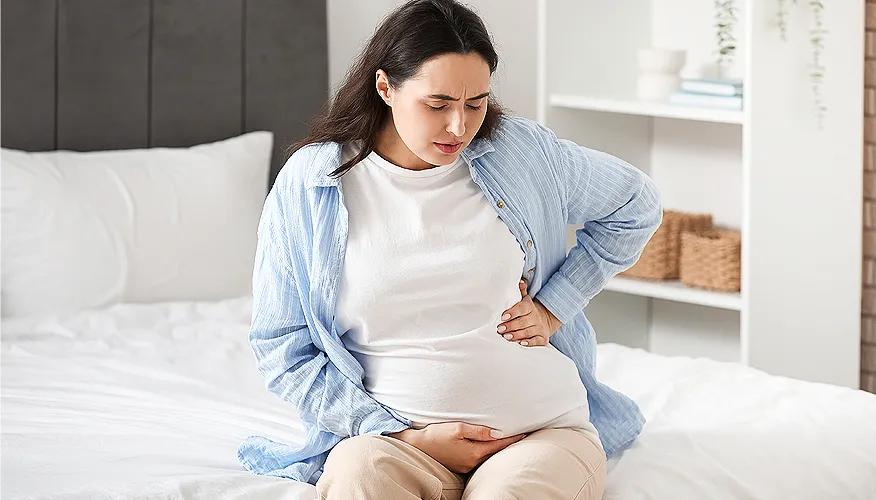
Recognizing the signs of thigh pain during pregnancy can help you address them more effectively.
Most women describe the pain as a deep, persistent ache or sudden sharp sensation in the groin area that often spreads to the inner thighs.
You might notice the discomfort becomes worse during specific activities:
- Getting in and out of bed or cars
- Climbing stairs or walking on uneven surfaces
- Standing on one leg while dressing
- Rolling over in bed during sleep
- Walking for extended periods
Some women also experience clicking or grinding sounds in their pelvic area, along with stiffness in the morning or after sitting for long periods. If you have muscle strain, you might notice sudden pain, spasms, or even mild bruising in the affected area.
When does inner thigh and groin pain usually start?
Most women first notice groin pain during pregnancy in their second trimester, typically between weeks 14 and 20. This timing makes sense because it's when relaxin levels peak and your baby is growing rapidly, but hasn't yet dropped lower into your pelvis.
However, some women experience symptoms earlier, particularly if they've had pelvic pain in previous pregnancies or have a history of back problems. Others might not notice significant discomfort until the third trimester when the baby's weight puts maximum pressure on the pelvic structures.
The pain often follows a pattern, starting mild and gradually intensifying as your pregnancy progresses. You might find that it's worse at the end of long days or after periods of increased activity.
Risk factors for inner thigh and groin pain in pregnancy
While any pregnant woman can develop these symptoms, certain factors make you more likely to experience them:
- Pelvic pain in your previous pregnancies can increase the risk of developing inner thigh and groin pain. Your ligaments may already be more flexible from past pregnancies.
- Physical demands in your daily life matter too. If your job requires a lot of walking, standing, or lifting, you're putting extra stress on your pelvis and thighs.
- Pre-pregnancy fitness level plays a role. Women with weaker core and pelvic floor muscles may be more prone to pain because these muscles help support their changing bodies.
- Multiple pregnancies (twins, triplets) or significant weight gain can increase the stress on your pelvic area.
How is inner thigh and groin pain diagnosed?
Your healthcare provider will typically diagnose pregnancy-related groin and thigh pain through a conversation about your symptoms and a physical examination.
During the physical exam, they'll check for tenderness, assess how well you can move your legs, and test your pelvic stability. They might ask you to perform simple movements like standing on one leg or squeezing your knees together.
Imaging tests like X-rays are usually avoided during pregnancy, but in rare cases where symptoms are severe, an MRI might be considered to rule out other problems.
Complications of inner thigh and groin pain in pregnancy
While groin and inner thigh pain during pregnancy doesn't harm your baby, it can significantly impact your daily life and overall well-being. Persistent pain can make simple tasks like walking to the kitchen or getting dressed feel overwhelming.
The discomfort often disrupts sleep patterns, as finding a comfortable position becomes increasingly difficult. This can lead to fatigue, mood changes, and increased stress during what should be an exciting time in your life.
In some cases, severe pelvic instability might increase your risk of falls or make you more cautious about movement, potentially limiting your physical activity when staying active is beneficial for both you and your baby.
Treatment of inner thigh and groin pain in pregnancy
The good news is that there are many safe and effective ways to manage groin pain in pregnancy. The key is finding the right combination of approaches that work for your specific situation.
- Rest and activity modification form the foundation of treatment. This doesn't mean becoming sedentary, but instead being mindful of activities that trigger your pain and finding gentler alternatives.
- Pelvic support belts can be game-changers for many women. These specially designed belts help stabilize your pelvis and can provide significant relief during daily activities.
- Gentle exercise and stretching might seem counterintuitive when you're in pain, but appropriate movement can help by strengthening supporting muscles and improving flexibility.
- Heat and cold therapy can provide temporary relief. A warm bath or heating pad (used safely) can help relax tense muscles, while ice can reduce inflammation after activity.
- Proper body mechanics become even more important during pregnancy. Learning how to move, sit, and sleep in ways that minimize strain on your pelvis can make a significant difference.
Safe and effective ways to relieve groin and inner thigh pain
Here are some practical strategies you can try at home to relieve groin and inner thigh pain:
- Prenatal yoga and gentle stretching: Focus on poses that open your hips and strengthen your core. Cat-cow stretches, child's pose, and gentle hip circles can be particularly helpful.
- Swimming or water exercises: The buoyancy of water supports your weight while allowing for gentle movement. Many women find swimming provides significant relief.
- Proper sleep positioning: Use a pregnancy pillow between your knees to keep your pelvis aligned. Some women also find relief sleeping in a slightly elevated position.
- Supportive footwear: Ditch the high heels and invest in shoes with good arch support. Your feet and pelvis will thank you.
- Regular, gentle movement: Take short walks throughout the day rather than long periods of sitting or standing. Movement helps prevent stiffness while avoiding overexertion.
Expert tips for relief of thigh pain during pregnancy
Healthcare providers who specialize in pregnancy-related pain offer these practical suggestions:
- Move slowly and deliberately. Quick movements or sudden direction changes are more likely to trigger pain. Take your time getting out of bed, cars, or chairs.
- Keep your knees together when changing positions. This simple trick can significantly reduce strain on your pubic joint.
- Sit down to get dressed rather than standing on one leg to put on pants or shoes. Use a chair or the edge of your bed for support.
- Listen to your body's signals. If something hurts, stop doing it. Your body is giving you important information about what it can and cannot handle right now.
- Consider prenatal yoga or swimming if these activities feel good to you. The water's buoyancy can provide temporary relief from the weight and pressure you're carrying.
When to call your doctor
While most groin and thigh pain during pregnancy is normal, there are times when you should seek medical attention:
- Sudden, severe pain that doesn't improve with rest
- Pain accompanied by fever, chills, or unusual discharge
- Numbness, tingling, or weakness in your legs
- Difficulty walking or bearing weight
- Signs of infection, like redness, warmth, or swelling
- Any concerns about your baby's movement or your overall well-being
Trust your instincts. If something feels significantly different or concerning, it's always better to check with your healthcare provider.
How to prevent inner thigh and groin pain in pregnancy
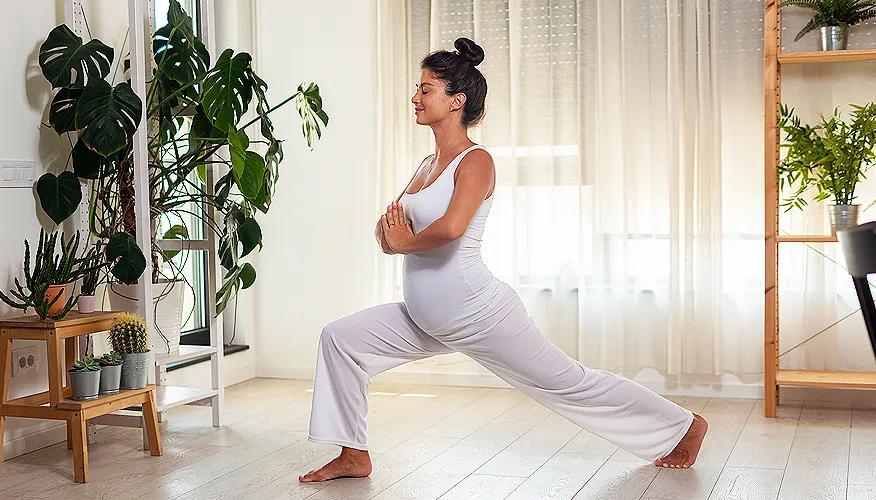
While you can't completely prevent all pregnancy discomforts, there are steps you can take to minimize your risk:
- Maintain good posture throughout your pregnancy. As your belly grows, there's a natural tendency to arch your back and tilt your pelvis, which can strain your muscles.
- Stay active with appropriate exercise. Regular, gentle movement helps maintain muscle strength and flexibility. Consider prenatal exercise classes designed specifically for pregnant women.
- Manage weight gain according to your doctor's recommendations. Excessive weight gain puts additional stress on your pelvic structures.
- Strengthen your core before and during pregnancy (with your doctor's approval). Strong abdominal and back muscles provide better support for your changing body.
- Listen to your body and rest when needed. Pregnancy is not the time to push through significant pain or discomfort.
Conclusion
Experiencing groin pain in pregnancy and inner thigh discomfort can feel overwhelming, especially when you're already navigating all the other changes that come with expecting a baby. Remember that these symptoms, while uncomfortable, are usually a normal part of your body's remarkable adaptation to pregnancy.
The combination of hormonal changes, increased weight, and shifting posture creates the perfect conditions for these aches and pains. But with the proper knowledge and management strategies, you can find significant relief and continue to enjoy this special time in your life.
Most importantly, don't hesitate to reach out for support, whether from your healthcare provider, a physiotherapist, or other pregnant women who understand what you're going through. Your comfort and well-being matter, and there's no need to suffer in silence when help is available.
Meet our expert

Meet our expert
Dr Jatin Bhide is an Ayurvedic doctor with over 16 years of enriching experience in Marketing and Strategy across OTC/FMHG, herbal medicine and Nutraceuticals (Europe) industries. He did his Bachelor of Ayurvedic Medicine and Surgery (BAMS) from Mumbai University, before moving on to do a Post Graduate Diploma in Pharmaceuticals and Healthcare Management.



How was the experience with article?
We'd love to know!