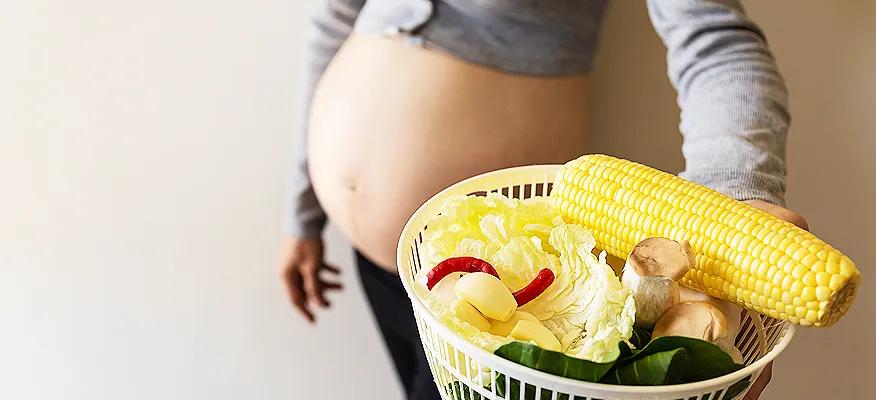
When you're pregnant, every bite seems to matter more than ever before. You find yourself questioning foods you've eaten your whole life: Is this safe? Will it help my baby grow?
If you’ve been wondering about corn for pregnant women, you’re not alone—many expectant mothers have the same concern about its safety and nutritional value.
From the golden kernels on your plate to the cornmeal in your pantry, corn is more than just a filling food—it can be a valuable part of your pregnancy nutrition when enjoyed the right way.

Is corn safe to eat during pregnancy?
Yes, corn is generally safe to eat during pregnancy when it's properly prepared and stored. In fact, corn-based foods like porridge and flatbreads are widely enjoyed by pregnant women across many cultures, from Cambodia to various regions of Africa.
However, there's an important consideration. The safety of corn while pregnant largely depends on how it's handled from farm to table. Fresh, properly cooked corn poses no risks to you or your baby.
Corn that's been improperly stored in humid conditions can develop mold, which produces harmful toxins called aflatoxins. These toxins pose real risks during pregnancy, potentially leading to low birth weight and other complications for your baby. The key is sourcing your corn from reputable suppliers and ensuring it's stored in dry, clean conditions.
Nutritional value of corn
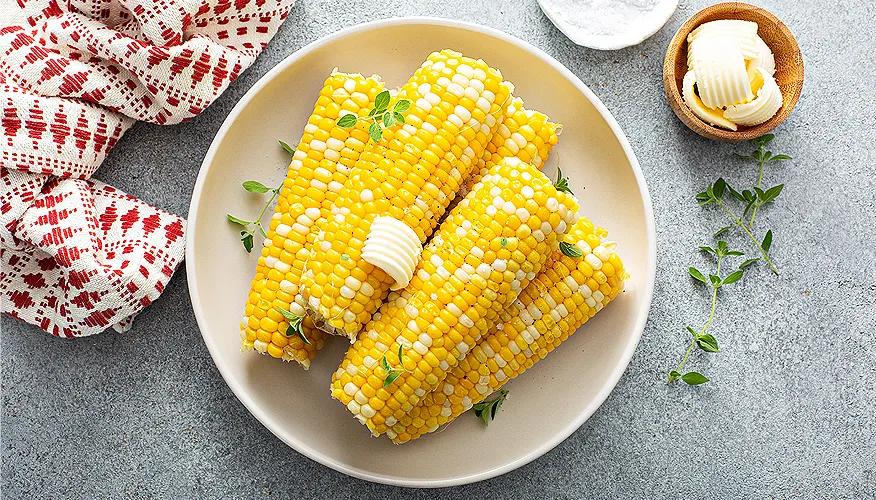
Think of corn as nature's energy pack—it's loaded with nutrients that both you and your baby need during this crucial time.
Here's what makes corn nutritionally valuable during pregnancy:
- Carbohydrates: Your primary fuel source, providing steady energy for your increased metabolic needs.
- Dietary fiber: Helps keep digestion smooth and may ease pregnancy-related constipation.
- Folate: Essential for your baby's neural tube development, especially in the first trimester.
- B vitamins: Including thiamine and niacin, which support your nervous system and energy metabolism.
- Vitamin C: Boosts your immune system and helps with iron absorption.
- Minerals:Magnesium for muscle function and potassium for heart health.
- Protein: While not as high as beans or meat, it still contributes to your daily protein needs.
The nutritional content varies depending on whether you're eating fresh corn, dried kernels, or processed corn products.
Fresh sweet corn during pregnancy tends to be higher in vitamins, while dried corn provides more concentrated energy.
Health benefits of corn during pregnancy
When you're carrying a little one, every bite counts—and corn delivers some impressive benefits that make it worth including in your meal rotation.
Let's break down how corn can support you through these important months:
1. Sustained energy for busy days
Pregnancy fatigue is real, and corn's complex carbohydrates provide the steady energy release your body craves. Unlike sugary snacks that cause energy spikes and crashes, corn helps maintain stable blood sugar levels throughout the day.
2. Digestive support when you need it most
That fiber we mentioned? It's your friend during pregnancy. Many women experience constipation as their pregnancy progresses, and the fiber in corn can help keep things moving naturally. This same fiber also helps prevent the blood sugar spikes that can contribute to gestational diabetes.
3. Neural tube development support
The folate in corn contributes to your baby's brain and spinal cord development, particularly during the first trimester when these crucial structures are forming. While you'll likely need additional folate from supplements or other sources, every bit helps.
4. Fits into cultural food traditions
For many women in Asia and Africa, corn is already a familiar, accessible food. This makes it easier to maintain nutritious eating habits without completely changing your traditional diet patterns.
5. Budget-friendly nutrition
Corn offers excellent nutritional value for your money, making it easier to eat well without breaking the budget. This is especially valuable if you're trying to increase your food variety during pregnancy.
Potential risks of eating corn during pregnancy
While corn is good for pregnancy in most cases, there are some important considerations to keep in mind.
Being aware of these helps you make the safest choices for you and your baby.
- Aflatoxin contamination: It is the primary concern with corn consumption during pregnancy. These harmful toxins develop when corn is stored in warm, humid conditions and becomes moldy. Exposure to aflatoxins during pregnancy has been linked to low birth weight and other complications.
- Nutritional limitations: While corn provides energy and some important nutrients, relying on it as your primary food source can lead to gaps in protein and certain vitamins and minerals your growing baby needs.
- Digestive issues: Some women also experience digestive discomfort when eating large amounts of corn, particularly if they're not used to high-fiber foods. Start with smaller portions and see how your body responds.
Healthy ways to enjoy corn during pregnancy
The good news is that there are plenty of delicious, safe ways to include corn in your pregnancy diet. The key is preparation and combination with other nutritious foods.
- Fresh corn on the cob: This is one of the safest and most enjoyable options. Boil or steam it until tender, and you've got a naturally sweet, fiber-rich side dish that pairs well with almost any meal.
- Homemade corn porridge: It gives you control over ingredients and freshness. Use recently milled corn flour and cook it thoroughly with milk or water. You can add fruits, nuts, or a drizzle of honey for extra nutrition and flavor.
- Mixed grain dishes: These can maximize corn's nutritional potential. Combine corn with beans or lentils to create a complete protein. Add vegetables like tomatoes, spinach, or carrots for extra vitamins and minerals.
Tips to cook corn the right way
Proper preparation is essential when you're wondering is sweet corn good for pregnancy. Follow these guidelines to ensure you're getting the maximum benefit with minimum risk:
- Wash before cooking: Even if you're removing the husks, rinse the corn under cool water to remove any surface dirt or potential contaminants.
- Always cook thoroughly: Raw or undercooked corn is harder to digest and may harbor harmful bacteria. Boil corn on the cob for 8-10 minutes, or until kernels are tender when pierced with a fork.
- Check for freshness before cooking: Fresh corn should have bright, plump kernels and green husks. Avoid any ears with dark spots, dry kernels, or an off smell.
- Store properly: Keep fresh corn refrigerated and use within a few days. For cornmeal or corn flour, store in airtight containers in cool, dry places. In humid climates, consider refrigerating these products.
Pregnancy-friendly corn recipes
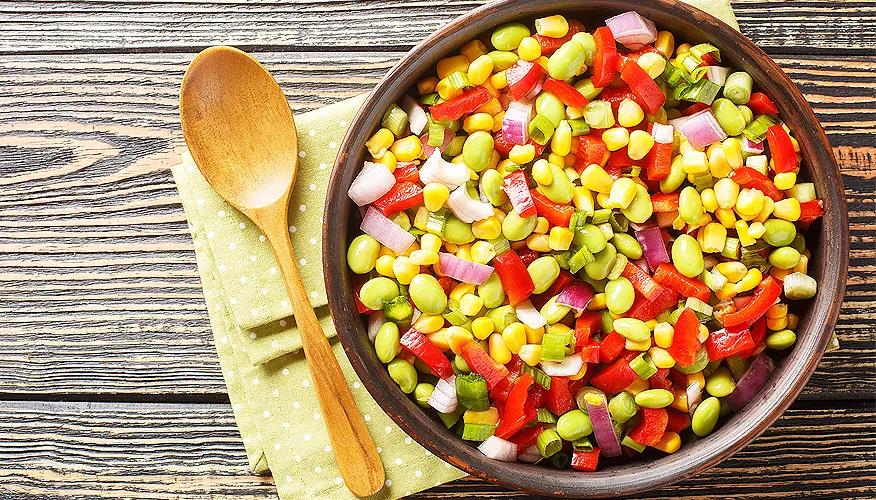
Here are some simple, nutritious ways to enjoy corn during pregnancy:
- Corn and Black Bean Salad: Mix cooked corn kernels with black beans, diced tomatoes, and a light lime dressing. This combination provides complete protein and plenty of fiber.
- Creamy Corn Soup: Blend cooked corn with vegetable or chicken broth, add some milk for creaminess, and season with herbs. Perfect for when you're craving comfort food.
- Corn and Vegetable Stir-fry: Sauté corn with bell peppers, onions, and your favorite pregnancy-safe vegetables. Serve over rice or quinoa for a complete meal.
- Sweet Corn Pancakes: Mix corn kernels into your pancake batter for added texture and nutrition. Top with fresh fruit instead of syrup for a healthier breakfast option.
Conclusion
Corn for pregnant women can be a nutritious, safe, and culturally appropriate addition to your pregnancy diet when you choose quality sources and prepare it properly. The key is being mindful about storage to avoid aflatoxin risks and ensuring you're eating a varied diet that includes plenty of other nutrient-rich foods.
By pairing corn with legumes, vegetables, and other whole foods, you can maximize its benefits for both your health and your baby's development. Remember, every pregnancy is unique, so discuss your dietary choices with your healthcare provider to ensure they align with your specific needs.
Meet our expert
.webp&w=1920&q=75)
Meet our expert
Dr. Kulyk Alexander Petrovich is a Ukraine-based gynecologist, with extensive experience in women's health. In 1995, he graduated from the Kyiv Medical University, and specialized in gynecology. He then went on to work as a gynecologist in the Institute of Pediatric, Obstetrics and Gynecology in Kyiv, where he worked until the year 2000.


How was the experience with article?
We'd love to know!