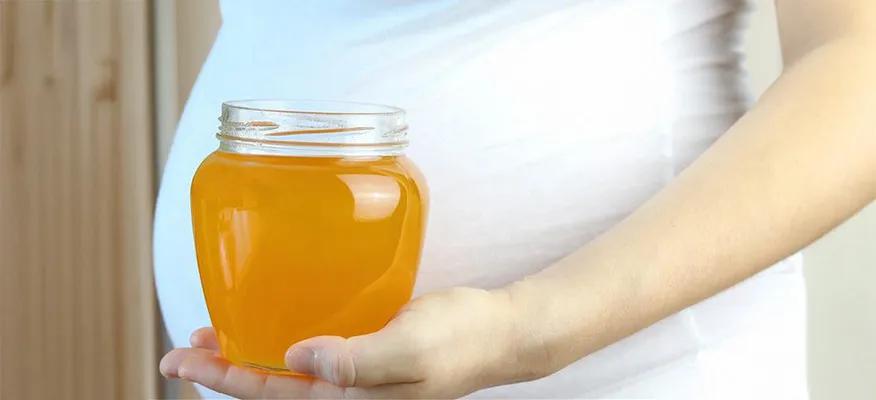
Sweet, golden, and often seen as nature’s healthiest sugar swap — honey feels like the perfect addition to a mom-to-be’s diet. But once you’re expecting, every food choice suddenly comes under scrutiny. So, it’s natural to wonder — is honey in pregnancy actually safe?
Some say it’s packed with antioxidants and soothing goodness, while others warn about bacteria and sugar content. With so many mixed opinions, it can get confusing to know what’s truly right for you and your baby.
In this article, we’ll uncover the truth about honey in pregnancy — its real benefits, the possible risks, and how to enjoy it safely if you choose to. Because when it comes to nurturing a healthy pregnancy, even the sweetest things deserve a closer look.
Is honey safe in pregnancy?
The short answer is yes. Honey is safe for most pregnant women to consume. Your adult digestive system has the strength to neutralize any botulism spores that might be present in honey, something your baby's developing system cannot yet do.
Even in the extremely rare case where a pregnant woman might contract botulism, the infection is highly unlikely to cross the placenta and affect your baby. The toxin molecules are simply too large to make that journey, and your body's natural defenses work as an additional protective barrier.
Both raw and pasteurized honey are generally considered safe, though pasteurized honey offers that extra layer of assurance, especially if you are sourcing from local or unregulated vendors.
Benefits of honey during pregnancy
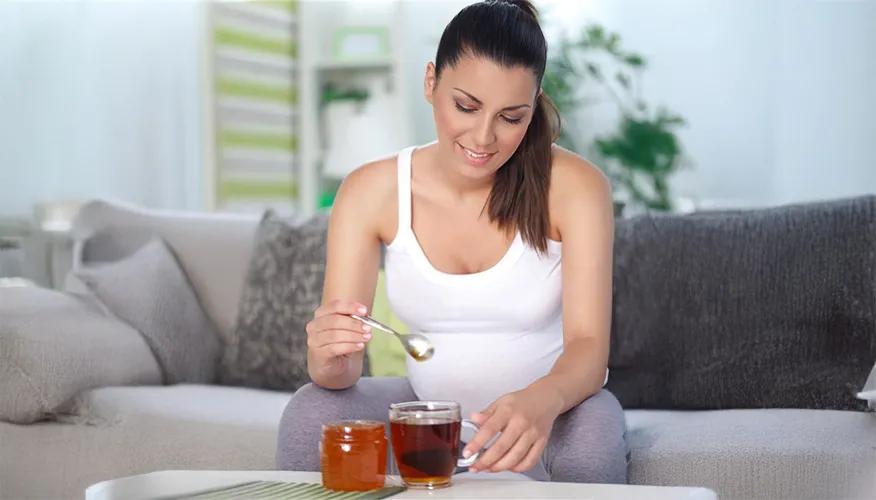
Honey isn't just safe; it can actually offer some lovely benefits during your pregnancy journey. This golden nectar contains antioxidants, vitamins, and minerals that support your immune system when it needs it most.
- Natural energy boost: The natural sugars in honey provide quick energy without the crash that comes from processed sweets. Perfect for those afternoon energy dips that seem to hit harder during pregnancy.
- Soothing properties: Many cultures have long used honey to ease sore throats and coughs, common complaints during pregnancy when your immune system is working overtime. The antimicrobial properties can provide gentle relief when you are looking for natural remedies.
- Digestive comfort: Some women find honey helpful for mild digestive discomfort, though everyone's experience is different.
Cultural connection: For women in regions where honey is a traditional ingredient, it can be a meaningful way to maintain cultural food practices during pregnancy while adding gentle sweetness to meals.
Potential risks of honey during pregnancy
While honey is generally safe, understanding the potential risks helps you make informed choices about honey for pregnant women.
- Botulism spores: The primary concern is the presence of Clostridium botulinum spores. While your adult system can handle these, women with compromised immunity or certain gastrointestinal conditions might face slightly higher risks.
- High sugar content: Honey is still a form of sugar, and overconsumption can contribute to:
- Excessive weight gain during pregnancy
- Increased risk of gestational diabetes
- Blood sugar spikes
- Quality concerns: Raw honey from unknown or unregulated sources might carry a slightly higher contamination risk compared to pasteurized varieties from reputable brands.
- Individual sensitivities: Some women may develop new food sensitivities during pregnancy, including to honey.
How much honey is safe to eat during pregnancy?
While there's no official daily limit for consumption of honey in pregnancy, moderation remains your best guide.
- Most health experts suggest limiting honey to 1–2 tablespoons (15–30 grams) per day.
This amount allows you to enjoy honey's benefits while avoiding excessive sugar intake. This is crucial if you're managing your weight or monitoring blood sugar levels during pregnancy.
- Consider your overall daily sugar intake from all sources, not just honey. If you are already consuming fruits, other sweeteners, or processed foods, you might want to adjust your honey intake accordingly.
How to use honey safely during pregnancy
Making smart choices about selection and consumption ensures you get the maximum benefits of honey in pregnancy with minimal risk:
- Choose quality sources: Buy from reputable brands or trusted local producers who follow proper harvesting and storage practices.
- Consider pasteurized options: While both raw and pasteurized honey are safe, pasteurized varieties offer an extra layer of safety assurance.
- Check your health status: If you have recently taken antibiotics or have digestive issues, consult your doctor before consuming honey.
- Maintain oral hygiene: Brush your teeth regularly, especially after consuming honey, to protect your dental health.
Store your honey in clean, sealed containers and avoid any honey that shows signs of spoilage, like unusual odors or visible mold.
Can you eat honey if you have gestational diabetes?
You may be wondering, "Is honey safe in pregnancy if I have gestational diabetes?" If you have been diagnosed with gestational diabetes, you require extra caution.
Despite being natural, honey is high in simple sugars (glucose and fructose) that can raise blood glucose levels.
Most doctors recommend limiting or avoiding honey entirely if you have gestational diabetes. However, every case is individual, so discuss with your healthcare team whether small amounts might fit into your meal plan.
If your doctor gives you the green light for occasional honey use, consider:
- Pairing it with protein or fiber to slow sugar absorption
- Monitoring your blood sugar response
- Keeping portions very small (less than a teaspoon at a time)
Best ways to enjoy honey while pregnant
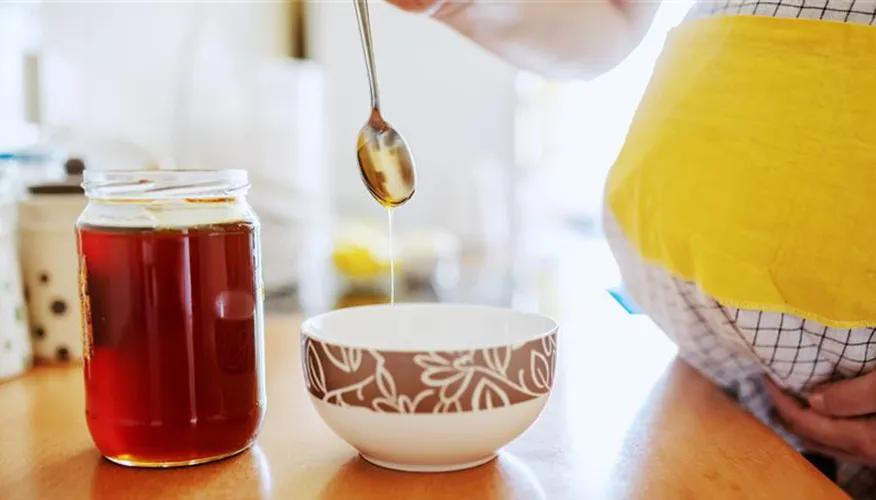
When you are ready to incorporate honey into your pregnancy diet, try these delicious and nutritious options:
- Morning comfort: Stir a teaspoon into warm ginger tea to help with morning sickness while getting those soothing benefits.
- Nutritious combinations: Drizzle over Greek yogurt with fresh fruits for a protein and antioxidant-rich snack.
- Cooking companion: Use as a natural glaze for roasted vegetables or lean proteins; it caramelizes beautifully and adds depth of flavor.
- Traditional remedies: Mix with warm water and a squeeze of lemon for a gentle throat soother when you are feeling under the weather.
These treats should complement, not replace, nutrient-dense whole foods that support your pregnancy health.
How can I be sure my honey is safe to eat during pregnancy?
Quality assurance becomes even more important during pregnancy. Here's how to ensure your honey is safe:
- Source verification: Purchase from licensed producers or well-established local vendors with good reputations in your community
- Label reading: Look for pasteurization information on commercial honey products, and check for proper labeling and expiration dates
- Storage assessment: Ensure honey is stored in clean, sealed containers away from contaminants
- Visual inspection: Avoid honey with unusual appearance, strange odors, foaming, or any signs of mold
When in doubt, choose commercial, pasteurized honey from reputable brands; it is a simple way to minimize any potential risks while still enjoying the benefits of honey in pregnancy.
When to avoid honey in pregnancy
While most women can safely enjoy honey during pregnancy, certain situations require avoidance:
- Compromised immune system: If you have autoimmune conditions or other health issues that affect your immune function, consult your healthcare provider before consuming honey
- Recent antibiotic use: Antibiotics can temporarily disrupt your gut microbiome, potentially reducing your natural defenses against harmful bacteria
- Gestational diabetes: As discussed earlier, honey's sugar content may not align with blood glucose management needs
- Bee product allergies: If you have known allergies to bee products, honey should be avoided entirely
- Severe digestive disorders: Conditions like Crohn's disease or severe IBS might require dietary restrictions that include avoiding honey
When in doubt, always consult your healthcare provider. They know your specific health situation and can provide personalized guidance.
Conclusion
The benefits of honey in pregnancy are real and accessible for most expectant mothers. This natural sweetener offers antioxidants, energy, and soothing properties while remaining safe when consumed mindfully. The key lies in choosing quality sources, practicing moderation, and being aware of your individual health needs.
Eating honey during pregnancy is about balance: enjoying the benefits while respecting the potential risks.
Whether you're using it to sweeten your morning tea or soothe a scratchy throat, honey can be a delightful part of your pregnancy journey when approached with knowledge and care. Always consult your doctor if you have specific concerns or medical conditions that might affect your ability to safely consume honey during pregnancy.
Meet our expert
.webp&w=1920&q=75)
Meet our expert
Dr. Kulyk Alexander Petrovich is a Ukraine-based gynecologist, with extensive experience in women's health. In 1995, he graduated from the Kyiv Medical University, and specialized in gynecology. He then went on to work as a gynecologist in the Institute of Pediatric, Obstetrics and Gynecology in Kyiv, where he worked until the year 2000.


How was the experience with article?
We'd love to know!