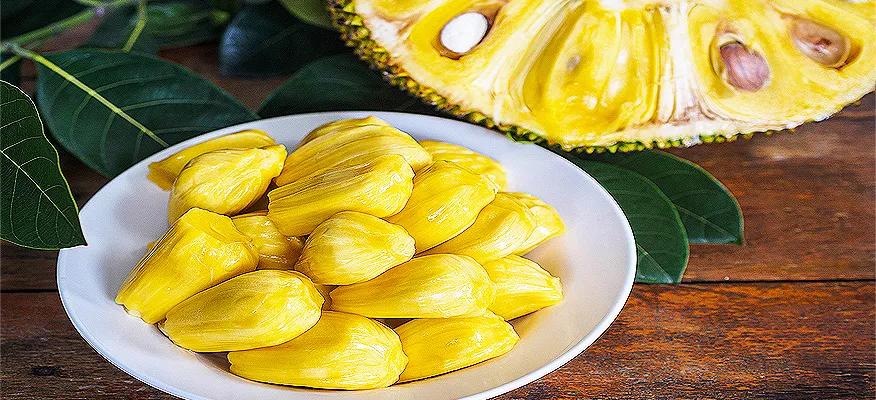
Pregnancy comes with its own set of food anxieties, doesn’t it? One moment you're craving something tropical and sweet, the next you're wondering if that exotic fruit is actually safe for your growing baby.
If you've been eyeing that spiky, aromatic jackfruit at the market and questioning whether jackfruit for pregnant women is a good choice, you're asking the right questions. This tropical giant, beloved across Asia and Africa, has sparked both enthusiasm and concern among expectant mothers.
Let's clear the air about this nutritious fruit and help you make informed decisions for your pregnancy journey.
Is jackfruit safe during pregnancy?
The good news is that jackfruit is generally considered safe for pregnant women when enjoyed in moderation. This tropical fruit has been a staple in Southeast Asian and East African diets for generations, regularly consumed by women throughout their reproductive years without adverse effects.
Think of jackfruit like any other nutritious food during pregnancy: it's all about balance. Most healthcare providers recommend it as part of a well-rounded diet, especially since it's packed with essential nutrients your body needs right now.
However, "safe" doesn't mean "unlimited."
Like many foods during pregnancy, moderation is your friend. Eating too much jackfruit can lead to digestive discomfort, which is the last thing you need when you're already dealing with pregnancy-related digestive changes.
Does jackfruit cause miscarriage?
Let's address the elephant in the room. You may have heard whispers or read online that jackfruit could cause miscarriage. This concern often stems from cultural myths and traditional beliefs in certain regions, but here's what the science actually says: there is no credible evidence linking jackfruit consumption to miscarriage.
These myths persist partly because pregnancy advice often gets passed down through generations, mixing cultural beliefs with medical facts. But when researchers and healthcare professionals have looked into this claim, they've found no clinical evidence supporting it.
In fact, here is what documented research shows:
- No cases were found linking moderate jackfruit consumption to pregnancy loss.
- No active compounds in jackfruit are known to trigger uterine contractions.
- Traditionally used across many cultures without associated risks.
Nutritional value of ripe jackfruit
Understanding jackfruit's nutritional profile can help you make informed decisions about including it in your pregnancy diet. This tropical powerhouse is more than just sweet, satisfying flavor; it's packed with nutrients that support both you and your growing baby.
Here's what you'll find in a 100-gram serving of ripe jackfruit:
- Calories: 94
- Protein: 1.2–1.9 g
- Fat: 0.1-0.4 g
- Carbohydrates: 16–25.4 g
- Fiber: 1-1.5 g
- Potassium: 191-407 mg
- Vitamin C: 7-10 mg
- Vitamin A: 175-540 mcg
- Calcium: 20-37 mg
- Magnesium: 27 mg
What makes jackfruit particularly interesting is its combination of quick-energy carbohydrates and fiber. This means you get that satisfying sweetness along with nutrients that help stabilize your blood sugar; though women with gestational diabetes should still monitor their response.
The vitamin C content is especially noteworthy since it helps your body absorb iron more effectively, something crucial during pregnancy when your iron needs increase significantly.
Health benefits of jackfruit during pregnancy

Now that you know what's in jackfruit, let's talk about how these nutrients translate into real benefits for you and your baby.
Immunity support when you need it most
The high vitamin C content in jackfruit acts as a natural immune booster, which is particularly valuable during pregnancy when your immune system naturally becomes more susceptible to infections. For example, just one serving can provide about 10-15% of your daily vitamin C needs.
Natural constipation relief
Digestive relief is another major benefit. The dietary fiber in jackfruit helps combat one of pregnancy's most common complaints: constipation. Many women find that including fiber-rich fruits like jackfruit in their diet helps maintain regular bowel movements, reducing discomfort and bloating.
Sustained energy without the crash
Sustained energy levels come from jackfruit's natural sugar content and complex carbohydrates. Unlike processed sweets that cause rapid energy spikes and crashes, jackfruit provides steady energy release. This is particularly helpful during the second trimester when many women experience renewed energy, or during the third trimester when fatigue returns.
Bone health for two
The calcium, magnesium, and potassium in jackfruit contribute to your bone health while supporting your baby's developing skeletal system. Think of it as a small but meaningful contribution to your daily mineral needs.
Heart health support
The potassium in jackfruit may help maintain healthy blood pressure levels, particularly important since pregnancy can sometimes lead to hypertension concerns.
When to avoid jackfruit in pregnancy
While jackfruit is generally safe, certain situations call for extra caution or complete avoidance. Knowing when to skip this fruit is just as important as understanding its benefits.
Gestational diabetes concerns
If you've been diagnosed with gestational diabetes, jackfruit's natural sugars could impact your blood sugar control. The fruit has a moderate glycemic index, meaning it can cause blood sugar to rise. Always check with your healthcare provider before including it in your meal plan.
Known allergies
This might seem obvious, but if you've ever had an allergic reaction to jackfruit—or even to related fruits like figs or mulberries—avoid it entirely. Interestingly, some people with birch pollen allergies may also react to jackfruit due to cross-reactivity, so be extra cautious if you have seasonal allergies. Pregnancy isn't the time to test your tolerance limits.
Medication interactions
Medication interactions can occur, particularly if you're taking antihypertensive medications or potassium supplements. Jackfruit's significant potassium content could potentially amplify the effects of these medications, leading to excessively low blood pressure or other complications.
Digestive sensitivity
Some women find that their digestive systems become more sensitive during pregnancy. If you're already experiencing severe pregnancy-related digestive issues like hyperemesis gravidarum or severe acid reflux, the natural sugars and fiber in jackfruit might exacerbate these conditions.
Potential risks of eating jackfruit during pregnancy
Being aware of potential risks doesn't mean you should panic; instead, it means you can make informed choices.
Most women can enjoy jackfruit without problems, but understanding possible issues helps you stay alert to your body's signals.
Allergic reactions
While jackfruit allergies are uncommon, they can happen. Symptoms might include skin itching, swelling around the mouth, or, in severe cases, difficulty breathing. If you've never eaten jackfruit before, try a small amount first and wait to see how you feel.
Gastrointestinal discomfort
Gastrointestinal discomfort may result from eating too much jackfruit at once. The combination of fiber and natural sugars can lead to bloating, gas, or loose stools. Starting with small portions and gradually increasing your intake can help prevent these uncomfortable symptoms.
Weight management
Weight-related concerns might arise if jackfruit becomes a frequent, large-portion snack. While nutritious, it's still relatively high in calories and natural sugars compared to vegetables or lean proteins.
Blood sugar fluctuations
Even if you don't have gestational diabetes, eating large amounts of jackfruit could cause blood sugar swings that leave you feeling tired or jittery. This is especially important if you're eating jackfruit on an empty stomach.
Various ways to enjoy jackfruit during pregnancy
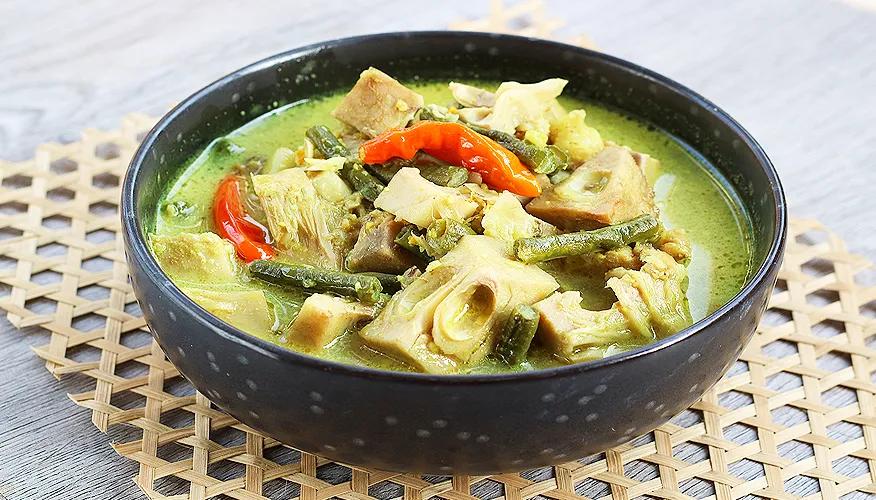
Jackfruit's versatility makes it easy to incorporate into your pregnancy diet in appealing ways. Whether you prefer ripe or raw varieties, there are numerous options to explore. Here are pregnancy-friendly ways to incorporate this nutritious fruit into your diet.
Fresh and simple
The most straightforward approach is enjoying ripe jackfruit bulbs as a snack or light dessert. The natural sweetness can help satisfy pregnancy cravings for sweets in a healthier way than processed desserts.
Smoothie superstar
Blend jackfruit with yogurt and a handful of oats for a filling, nutritious drink. The protein from yogurt and fiber from oats help balance the fruit's natural sugars, making it a smart choice for sustained energy.
Traditional curry preparations
In many cultures, raw (unripe) jackfruit is cooked in curries and stir-fries. These savory preparations are lower in sugar than ripe fruit and can be a comforting, familiar way to enjoy jackfruit's nutritional benefits.
Breakfast combinations
Mix small pieces of ripe jackfruit with chia seeds and other fruits for a fiber-rich morning meal that helps start your day with steady energy.
Pregnancy-friendly jackfruit recipe ideas
Ready to get creative in the kitchen? These simple recipes are designed with pregnancy nutrition and comfort in mind.
Cooling jackfruit yogurt smoothie
Perfect for morning sickness or hot days, this smoothie provides probiotics, protein, and gentle sweetness.
Ingredients:
- 1/2 cup ripe jackfruit bulbs
- 1/2 cup unsweetened yogurt
- 2 tablespoons rolled oats
- A pinch of cardamom (optional)
Blend until smooth and enjoy immediately. The oats add fiber and help create a more filling drink.
Comforting jackfruit curry
This savory preparation uses raw jackfruit and is perfect when you're craving something warm and satisfying.
Ingredients:
- 2 cups raw jackfruit, cubed
- 1 onion, chopped
- 2 tomatoes, chopped
- Basic spices (turmeric, cumin, coriander)
- A little oil for cooking
Sauté onions until soft, then add spices and tomatoes, followed by jackfruit, and cook until tender. Serve with rice or whole-grain bread.
How does jackfruit impact hormonal levels?
This is a question many pregnant women ask, especially those dealing with hormonal changes and their effects. The good news is that there's no evidence suggesting jackfruit directly disrupts hormonal balance during pregnancy.
Jackfruit's nutrients—vitamins, minerals, and antioxidants—support your body's overall metabolic health, which indirectly benefits the complex hormonal orchestra that's conducting your pregnancy. Think of it as providing your body with the raw materials it needs to function optimally rather than actively changing hormone levels.
The fruit's B vitamins and magnesium may actually help support your nervous system during times of hormonal fluctuation, potentially helping with mood stability and sleep quality.
Can jackfruit be eaten in the third trimester?
Jackfruit can be enjoyed by pregnant women throughout all three trimesters. In fact, some of jackfruit's benefits become even more relevant during late pregnancy.
The fiber can help with constipation, which often worsens as your growing baby puts pressure on your digestive system. Potassium may support healthy blood pressure as your cardiovascular system works harder.
If you have any third-trimester complications like preeclampsia or gestational diabetes, check with your healthcare provider about dietary restrictions that might affect jackfruit consumption.
Conclusion
Jackfruit for pregnant women can be a delicious, nutritious addition to a balanced pregnancy diet when enjoyed mindfully. This tropical fruit offers valuable nutrients like fiber, potassium, and vitamin C that support both maternal health and fetal development. While myths about miscarriage risks persist, scientific evidence supports jackfruit's safety during pregnancy.
The key to enjoying jackfruit during pregnancy is moderation and awareness of your individual health needs. Women with gestational diabetes should monitor their blood sugar response, while those with allergies should avoid it entirely.
For most pregnant women, however, jackfruit can provide natural energy, support digestive health, and satisfy sweet cravings in a nutritious way.
Meet our expert

Meet our expert
She holds a Bachelor of Nutrition & Community Health with Distinction from Universiti Putra Malaysia and has been a dedicated healthcare professional since 2014. As the Customer Care Manager, she leads a team of skilled dietitians and nutritionists, committed to serving the community.



How was the experience with article?
We'd love to know!