
That familiar morning wave of nausea hits, and suddenly, the thought of plain water makes you queasy.
You reach for a lemon, wondering if that tangy citrus burst might offer some relief. If you've found yourself in this exact scenario, you're definitely not alone. Many expectant mothers turn to lemons during pregnancy, but the question remains: Is lemon good for pregnancy?
Is lemon safe for pregnancy?
Simplistically, yes, lemon is safe for pregnant women when consumed in moderation. Lemons have been safely consumed by pregnant women across cultures for generations. They're packed with nutrients your growing baby needs and can help with some of those uncomfortable pregnancy symptoms we all know too well.
However, like everything in pregnancy, moderation is key. Lemon is safe for pregnant women when used as a flavoring agent or in typical culinary portions. What you want to avoid are concentrated forms like essential oils or high-dose lemon supplements, which lack proper safety data for pregnancy.
Nutritional value of lemon
When you're growing a tiny human, every nutrient counts. Lemons pack a surprising nutritional punch in their small, sunny package.
One medium lemon provides:
- Vitamin C
- Potassium
- Folate: Supports neural tube development
- Fiber: A must for good digestive health
Vitamin C is the star nutrient here. During pregnancy, your vitamin C needs increase to support your immune system and help your body absorb iron from plant-based foods. This is especially important if you rely on lentils, beans, or leafy greens as iron sources.
The potassium in lemons supports healthy blood pressure and muscle function, both of which are crucial as your body adapts to pregnancy changes. Folate is essential for neural tube development, and fiber is a must for good digestive health.
Health benefits of lemon juice in pregnancy
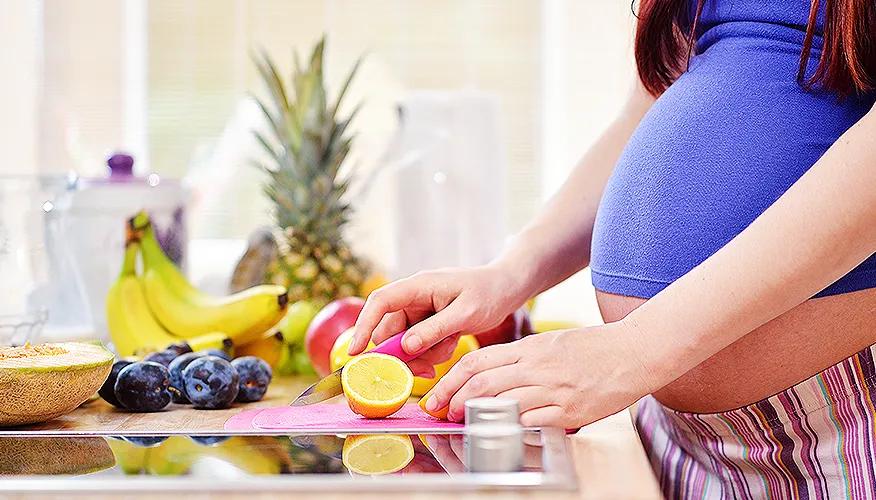
After looking at the question, "Is lemon good for pregnancy?", let's explore some health benefits of lemon juice in pregnancy.
1. Nausea relief
Many women find that citrus scents and flavors help ease morning sickness. The fresh, zesty aroma can cut through that queasy feeling, and sipping diluted lemon water often feels more appealing than plain water when your stomach is unsettled.
2. Enhanced iron absorption
This benefit is particularly valuable if you're following a plant-based diet or struggling with iron deficiency. Lemon juice is good for pregnancy because the vitamin C it contains can significantly boost your body's ability to absorb non-heme iron (the type found in plants). Simply squeezing lemon on your dal, beans, or leafy greens can make a real difference in your iron status.
3. Improved hydration
Pregnancy increases your fluid needs, but plain water can sometimes feel unappealing or even trigger nausea. Is lemon water good for pregnancy for hydration? Yes—it makes drinking adequate fluids more enjoyable and helps maintain proper blood volume and circulation.
4. Immune system support
Your immune system works differently during pregnancy, making you more susceptible to common infections. The vitamin C in lemons acts as an antioxidant, supporting your body's natural defense mechanisms when you need them most.
5. Digestive comfort
Lemon's mild acidity can stimulate digestive juices, potentially easing the sluggish digestion many women experience during pregnancy. This gentle stimulation may provide relief from mild constipation without the need for harsh remedies.
Are there any risks of consuming lemon during pregnancy?
While lemon is safe for pregnant women in normal amounts, there are some situations where you might want to be cautious or limit your intake. Potential concerns include:
Heartburn and acid reflux
- This is probably the most common issue. As your baby grows and your hormones shift, many women experience increased heartburn.
- The natural acidity in lemons can sometimes make this worse. If you notice your symptoms flaring up after having lemon, try diluting it more or reducing the amount you use.
Concentrated forms and essential oils are problematic
- Here's where you need to draw a clear line: stick to food-grade uses only.
- Lemon essential oils, concentrated extracts, or high-dose supplements haven't been adequately studied for pregnancy safety.
- The whole fruit or its juice in normal amounts? Perfectly fine. Concentrated products? Best avoided.
Medication interactions
- If you're taking medications that are sensitive to acidic foods, or if you have a diagnosed citrus allergy, "Is lemon good for pregnancy?" is not the right question to ask. Because certainly lemon isn't good for you. When in doubt, check with your healthcare provider.
Reasons to limit lemon consumption during pregnancy
Sometimes your body will tell you when to pull back on the lemon. Here are the clear signals to pay attention to:
- Worsening heartburn or gastritis: If citrus makes your stomach burn, your body is asking you to take a break
- Dental sensitivity: Increased tooth sensitivity or existing enamel issues mean you should limit acidic foods
- Mouth sores or ulcers: The acidity can irritate damaged tissue and slow healing
- Severe morning sickness: If you're already struggling to keep food down, very acidic foods might make things worse
The key is listening to your body. What works beautifully for your friend might not work for you, and that's completely normal. Pregnancy affects everyone differently.
Ways to consume lemon during pregnancy

The beauty of lemons lies in their versatility. Here are practical and safe ways to incorporate lemon into a pregnancy-friendly diet:
Simple additions:
- Add fresh lemon juice to clean drinking water (start with just a few drops and adjust to taste)
- Squeeze lemon over iron-rich meals like lentil curry or sautéed spinach
- Use lemon juice in homemade salad dressings
- Add to herbal teas that are safe during pregnancy, like ginger tea
Cooking applications:
- Add to vegetable stews and soups for brightness
- Use in marinades for proteins (the acid helps tenderize)
- Incorporate into chutneys and fresh salsas
Pregnancy-friendly lemon recipes
These simple recipes make it easy to enjoy the benefits of lemon in pregnancy while supporting your overall nutrition:
- Ginger-lemon nausea soother: Simmer fresh ginger slices in water for 5 minutes, let cool slightly, then add lemon juice and a touch of honey. Sip slowly when morning sickness strikes.
- Iron-boosting lentil stew: Cook red lentils with turmeric and cumin, stir in fresh spinach at the end, and finish with a generous squeeze of lemon to maximize iron absorption.
- Hydrating cucumber-lemon water: Add cucumber slices and a splash of lemon juice to your water bottle. It's refreshing and helps meet your increased fluid needs.
How to safely consume lemon during pregnancy
Following these guidelines ensures you get the benefits while minimizing any risks:
- Stick to food-level amounts (a few teaspoons to tablespoons of juice)
- Avoid essential oils or concentrated lemon products entirely
- Use a straw when drinking lemon water
- Don't brush teeth immediately after consuming acidic drinks; wait for about 30 minutes and then brush
- Rinse with plain water after acidic foods or drinks
- If you have reflux, dilute more and take smaller sips
- Wash the lemons thoroughly before cutting
- Use clean water sources for lemon water
- Don't leave lemon-based foods unrefrigerated in hot climates
Can lemon help with labor?
This is a common question, but the answer is straightforward: there's no reliable evidence that consuming lemon induces or eases labor. While lemonade for pregnant women can be a refreshing way to stay hydrated, don't expect it to jumpstart contractions or make delivery easier.
Lemons can certainly help you stay comfortable during late pregnancy by supporting hydration and potentially easing nausea, but they're not a labor-inducing agent. If you're hoping to naturally encourage labor, focus on proven methods like gentle exercise, optimal positioning, and staying well-rested rather than looking to citrus fruits.
Conclusion
So, is lemon good for pregnancy? When used wisely, yes. Lemons offer a safe, practical way to boost your vitamin C intake, improve hydration, and potentially ease nausea during pregnancy. They can also enhance iron absorption when paired with plant-based iron sources, making them particularly valuable if you're following a vegetarian diet.
The key is using lemons as nature intended: as a flavorful addition to foods and beverages rather than a medicinal supplement. Squeeze them over your meals, add them to your water, and enjoy them in simple recipes that support your pregnancy nutrition goals.
Remember to limit or avoid lemons if they worsen heartburn or dental sensitivity, and never use concentrated forms like essential oils. Trust your body, start with small amounts, and enjoy this simple pleasure that can make your pregnancy journey a little brighter.
Meet our expert

Meet our expert
She holds a Bachelor of Nutrition & Community Health with Distinction from Universiti Putra Malaysia and has been a dedicated healthcare professional since 2014. As the Customer Care Manager, she leads a team of skilled dietitians and nutritionists, committed to serving the community.


How was the experience with article?
We'd love to know!