Soy is one of those foods that sparks endless debate — some swear by its protein power, while others worry it may interfere with hormones. So if you’re expecting, it’s natural to wonder: Is soya during pregnancy safe?
From soya milk and tofu to nuggets, and even hidden soy in packaged foods, chances are you’re already consuming it in some form. But when you’re pregnant, every food choice needs a little more thought. Does soya support a healthy pregnancy? Can it really help meet your protein needs? And are there any risks you should know about?
In this article, we break down the science behind soya during pregnancy — its real benefits, safety concerns, how much is okay, and the healthiest ways to include it in your diet. Because good nutrition shouldn’t be confusing — it should empower you to make confident choices for you and your baby. Let’s get started.
What is soya?
Soya, also known as soy, is a versatile legume that's been nourishing families across Asia for thousands of years. Packed into those small, humble beans is a complete protein that contains all the essential amino acids your body needs.
You'll find soya in many familiar forms:
- Whole soybeans: These are edamame when young and green
- Soy milk: A creamy, plant-based alternative to dairy
- Tofu: The mild, adaptable protein that takes on any flavor you give it
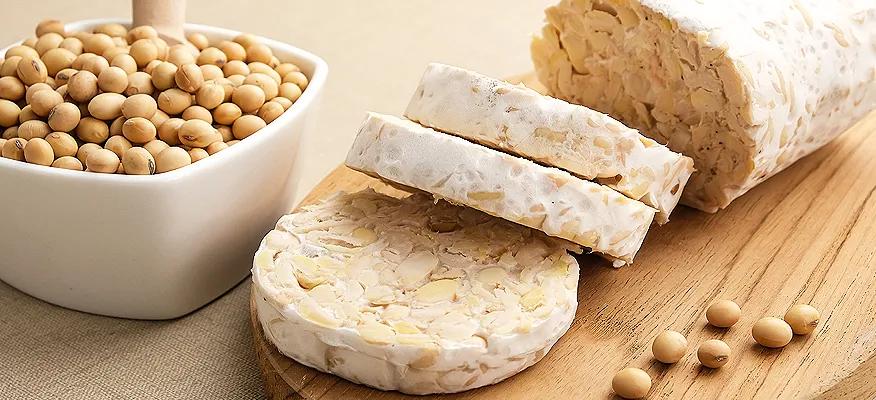
- Tempeh: Fermented soybeans with a nutty taste and firm texture
- Miso: The umami-rich paste that adds depth to soups and marinades
- Soy flour: A protein-rich baking ingredient
What makes soya special is its complete protein profile, meaning it contains all the essential amino acids your body needs. It's also packed with healthy fats, fiber, and important minerals like iron, calcium, and zinc. Additionally, soya naturally contains compounds called isoflavones. They are plant-based substances that act like very weak versions of estrogen in your body and offer antioxidant benefits.
Is soya safe during pregnancy?
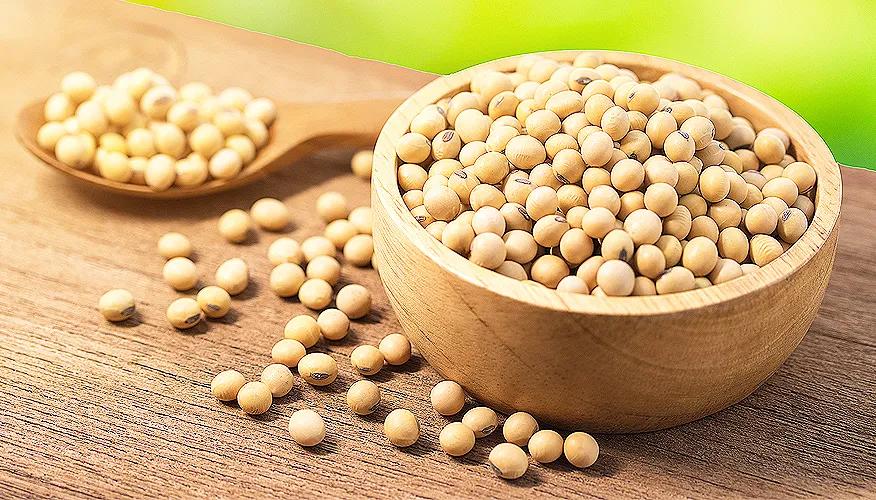
The short answer is yes. Eating moderate amounts of soya food products is considered safe during pregnancy. This reassurance comes from extensive clinical and nutritional research that has put many concerns to rest.
The worry about soya often stems from its isoflavone content. Some people wonder if these phytoestrogens might interfere with pregnancy or a baby's development. However, these concerns haven't translated into real-world problems when women eat typical amounts of soy foods.
In fact, we have compelling evidence from Asian populations who have been consuming soy as a dietary staple for generations. These communities show healthy pregnancy outcomes despite their higher soy intake. Pregnancy nutrition programs that include soy components have also exhibited safety and nutritional benefits when culturally appropriate.
Benefits of soya in pregnancy
After tackling the question of "Is soya good for pregnancy?" let's now address some of its benefits during this critical phase of your life.
Complete protein source
During pregnancy, you require about 25 extra grams of protein daily, and soya delivers complete protein. This is particularly valuable if you're vegetarian or following a low-meat diet.
Rich in nutrients
Soya contains essential nutrients like fiber, iron, calcium, zinc, and B vitamins. Additionally, fortified soy milk can be a reliable dietary source of vitamin D, which is essential for bone health during pregnancy.
Protects against gestational diabetes
Here's something exciting: research reveals that women consuming at least 40 grams of soy foods per day had a lower risk of developing gestational diabetes mellitus (GDM) compared with those with lower intake. This finding held true even after accounting for other important factors such as age, weight, and family history.
Helps prevent anemia
Studies from maternal nutrition programs revealed that corn-soy blends helped decrease the risk of maternal anemia in late pregnancy and lowered preterm birth rates. When well-formulated and combined with iron and folate supplementation, soy-containing blends can significantly support your iron status.
Best soy products to eat during pregnancy
Not all soy products are created equal. When you're pregnant, focus on whole or minimally processed options that pack the most nutritional punch.
- Tofu and tempeh: Both offer excellent protein, but tempeh gets bonus points for being fermented, which often makes it easier to digest and may improve nutrient absorption.
- Edamame: These young, green soybeans are perfect as snacks or meal additions. They're rich in protein, fiber, and folate.
- Fortified soy milk: When choosing soy milk during pregnancy, look for versions fortified with calcium and vitamin D. Opt for unsweetened varieties to avoid unnecessary added sugars.
- Miso and natto: Use these fermented options in small amounts for flavor and their probiotic benefits. Since they're quite salty, a little goes a long way.
The fermented varieties often win the digestibility contest because the fermentation process partially breaks down proteins and can improve the bioavailability of nutrients.
Potential risks and precautions
While soya is generally safe, being informed about potential considerations helps you make the best choices for your pregnancy.
Isoflavone
- The isoflavones in food-based soy have very weak estrogenic activity.
- They haven't been shown to harm fetal development at typical dietary levels.
Mineral absorption
- Soy contains compounds called phytates that can slightly reduce the absorption of iron, zinc, and calcium.
- You can easily work around this by eating vitamin C-rich foods (like tomatoes, citrus, or guava) with your soy-based meals and choosing fermented or well-prepared soy products when possible.
Thyroid and iodine
- Very high soy intake combined with low iodine levels might affect thyroid function.
- The solution is straightforward: ensure you're getting adequate iodine through iodized salt or a prenatal vitamin that includes iodine, and maintain regular prenatal care.
Food safety basics
- For ready-to-eat products like tofu and soy milk, make sure they're pasteurized and handled hygienically.
- Cook tempeh thoroughly, and if you have a known soy allergy, obviously avoid it and discuss alternatives with your healthcare provider.
Does too much soy in pregnancy harm the baby?
After "Is soy good for pregnancy?", this is another question that keeps many expecting mothers up at night, but current human research is reassuring.
The available data doesn't show that moderate soy food intake harms fetal development. The key principle here is the same one that applies to all foods during pregnancy: variety and moderation.
Relying too heavily on any single food, whether it's soy, spinach, or salmon, can potentially displace other essential nutrients. A diverse, balanced diet remains your best strategy.
Soy products to limit or avoid
While most soy foods get the green light, some versions deserve caution or should be skipped entirely during pregnancy.
Limit these options:
- Highly processed soy snacks loaded with sodium, added sugars, or unhealthy fats.
- Deep-fried soy products that add unnecessary calories and potentially harmful compounds.
- Sugary soy beverages that spike blood sugar without providing balanced nutrition.
- Large amounts of soy sauce and salty pastes due to their high sodium content.
Avoid completely:
- Unpasteurized soy milk due to food safety risks
- Inadequately cooked tempeh or natto for the same reason
- Concentrated soy or isoflavone supplements, as there isn't enough safety data for pregnancy
How much soy is safe during pregnancy?
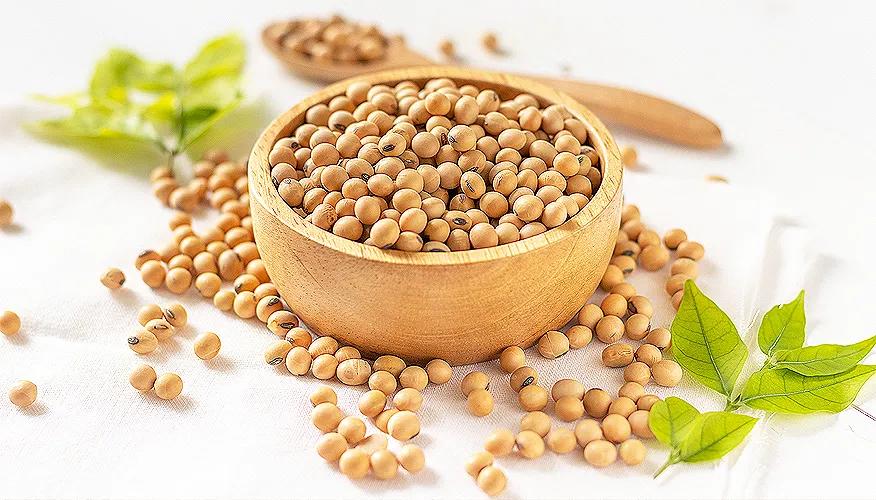
When wondering "is soy milk good for pregnancy" or how much soybean for pregnant women is appropriate, practical guidelines can help you find the sweet spot.
A reasonable target for most pregnant women is 1-2 servings of soy foods per day as part of a varied diet. This aligns with intake levels commonly studied in populations that regularly consume soy.
Here is what one serving of soy food looks like:
- 100 g firm tofu (about the size of a deck of cards)
- 1 cup soy milk
- 1/2 cup cooked edamame
- 75-100 g tempeh
Remember, your individual needs might vary based on your total protein goals, iodine status, anemia risk, and how well you tolerate soy.
Essential tips when it comes to soy
Making the most of soy during pregnancy involves some smart pairing and preparation strategies:
- Maximize absorption: Combine your soy foods with vitamin C sources such as lemon juice, tomatoes, or guava. This simple trick enhances iron absorption.
- Choose fortified wisely: If you're using soy milk as a dairy alternative, select versions fortified with calcium, vitamin D, and B12. Always shake the carton before pouring to redistribute those added minerals that tend to settle.
- Start gradually: If soy isn't a regular part of your diet, introduce it slowly to give your digestive system time to adjust. Fermented options like tempeh are often gentler on the stomach.
- Budget-friendly options: In many parts of Southeast Asia and East Africa, tofu, tempeh, and dried soybeans offer affordable, high-quality protein. Just ensure proper cooking and safe storage practices.
- Maintain variety: Pair your soy with whole grains (rice, millet, or maize), other legumes, vegetables, and animal-source foods when culturally appropriate. This combination ensures you're covering all your micronutrient bases.
Conclusion
So, is soya good for pregnancy? For most expecting mothers, the answer is a confident yes.
Moderate soy food intake is not only safe but can be genuinely beneficial for meeting your increased protein needs. The key is choosing whole, minimally processed soy foods while avoiding concentrated supplements. Whether you're enjoying a warm bowl of miso soup, snacking on edamame, or adding silky tofu to your stir-fry, you can feel confident that you're nourishing both yourself and your growing baby.
As with all aspects of pregnancy nutrition, the most important thing is maintaining a diverse, balanced diet that works for your needs, preferences, and cultural background. When in doubt, your healthcare provider is always your best resource for personalized guidance.
Meet our expert
.webp&w=1920&q=75)
Meet our expert
Dr. Kulyk Alexander Petrovich is a Ukraine-based gynecologist, with extensive experience in women's health. In 1995, he graduated from the Kyiv Medical University, and specialized in gynecology. He then went on to work as a gynecologist in the Institute of Pediatric, Obstetrics and Gynecology in Kyiv, where he worked until the year 2000.


How was the experience with article?
We'd love to know!