
Your body is working overtime to create a new life, and sometimes that hard work shows up as aches and pains in places you never expected.
That nagging hip discomfort in your first trimester or the way your lower back protests when you get up from a chair – these are all part of your body's incredible journey of adaptation.
Joint pain during pregnancy is incredibly common, affecting up to 70% of expectant mothers, yet many women feel unprepared for this reality of pregnancy.
Common areas of joint pain in pregnancy
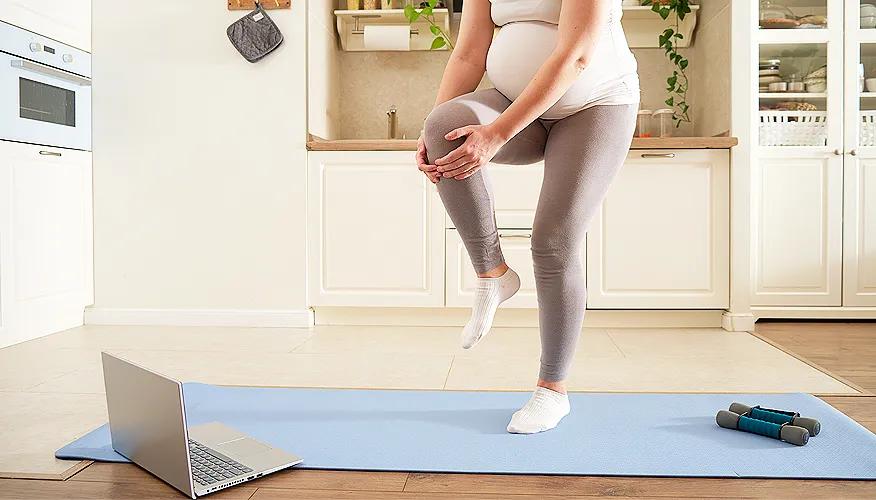
The most frequently affected areas include the lower back, hips, pelvis, knees, fingers, and ankles. Think of these as the hardest-working parts of your body during pregnancy – they're bearing extra weight, dealing with hormonal changes, and adapting to your shifting posture.
Pelvic girdle pain (PGP) deserves special attention, as it often presents in the sacroiliac joints or the symphysis pubis (the front of the pelvis). This type of body pain in pregnancy can make simple activities like getting out of bed or climbing stairs feel challenging.
Research shows that women of South Asian backgrounds report higher rates of pelvic girdle pain during pregnancy than Western women, suggesting possible genetic or cultural influences on risk and reporting.
Your knees and ankles commonly feel the strain due to increased body weight and fluid retention. Additionally, hormonal changes can lead to surprising discomfort in the small joints of your hands. Many women notice their rings becoming tight or experience hand joint pain after pregnancy that they hadn't anticipated.
What causes joint pain during pregnancy?
Understanding why your joints hurt can help you feel more in control of your pregnancy experience.
Here are the main culprits behind body pains during pregnancy:
- Hormonal changes are the biggest game-changer. Your body produces increased amounts of relaxin and progesterone, which loosen ligaments and connective tissues. While this helps your pelvis prepare for delivery, it also makes joints less stable and more prone to pain.
- Weight gain puts extra pressure on weight-bearing joints, especially in your lower body. Your growing uterus shifts your center of gravity forward, creating a domino effect of postural changes that strain your spine and pelvic region.
- Fluid retention can compress nerves and add pressure to joints, particularly noticeable in your hands and feet. This is why many women experience swollen fingers or achy ankles, especially later in pregnancy.
- If you have pre-existing joint conditions like rheumatoid arthritis, pregnancy might worsen your symptoms temporarily. Changes in the immune system during pregnancy can affect inflammatory conditions differently for each woman.
When is joint pain a concern?
Most muscle pain in pregnancy is normal, but certain signs warrant immediate medical attention. Trust your instincts; you know your body better than anyone.
Seek help if your pain is:
- Sudden, severe, or persistent, and interferes with daily activities such as walking, sleeping, or caring for yourself
- Accompanied by swelling, redness, warmth, rash, or fever, which could indicate infection or a more serious condition
- Causing numbness, tingling, or loss of function, suggesting possible nerve involvement
Pain that's localized to just one joint or comes with unexplained rashes or other systemic symptoms also needs professional evaluation. These could signal infection, injury, or autoimmune conditions that require specific treatment during pregnancy.
Treatment for joint pain during pregnancy
The good news is that many effective treatments can help manage your discomfort safely. Treatment focuses on symptom relief and functional improvement while protecting both you and your baby.
- Physical therapy offers guided exercises and posture training that can significantly reduce strain and strengthen the muscles supporting your joints. A prenatal physical therapist understands how to modify treatments specifically for pregnant bodies.
- Supportive devices can be game-changers. Maternity support belts, pelvic binders, and well-cushioned footwear provide targeted relief, especially for hip pain in the first trimester and ongoing back pain.
- For pain relief, paracetamol (acetaminophen) is generally considered safe throughout pregnancy. However, NSAIDs like ibuprofen are usually avoided, especially in the third trimester, as they can affect fetal development and labor.
- Simple comfort measures like heat and cold therapy can provide significant relief. A warm compress on your lower back or a cold pack on swollen ankles can help reduce discomfort naturally.
- Other things you can do for management include wearing supportive shoes, using a maternity belt, or adding cushions for extra back and hip support. A warm bath or light prenatal massage may also help relax tense muscles and ease joint discomfort.
Always check with your doctor before starting any new treatment, especially if the pain is severe or doesn’t improve.
Safe remedies for joint pain during pregnancy

Beyond medical treatments, several natural approaches can help manage your body pain and pregnancy symptoms effectively:
- Gentle stretching and prenatal yoga under professional supervision can improve flexibility and reduce tension. These practices also teach breathing techniques that help you cope with discomfort.
- Warm baths (avoiding hot tubs) relax muscles and joints while providing a peaceful break from daily stress. The buoyancy of water temporarily relieves pressure on your joints.
- Massage therapy with a qualified prenatal massage therapist can address muscle tension and improve circulation. Make sure your therapist is trained in pregnancy massage techniques.
- Proper hydration and nutrition support your body's healing processes. A diet rich in calcium and magnesium helps maintain bone and joint health during this demanding time.
- Avoiding prolonged standing and wearing comfortable, supportive shoes reduces unnecessary strain on your lower body joints.
What to avoid
Certain treatments that might seem helpful can actually be risky during pregnancy. Here's what to steer clear of:
- Non-prescribed NSAIDs and other pain medications not approved by your healthcare provider can affect fetal development, especially in later pregnancy.
- High-impact or strenuous exercise without supervision can worsen joint instability. Your loosened ligaments make you more prone to injury.
- Hot tubs or saunas raise your body temperature to potentially dangerous levels for your developing baby.
- Unproven herbal supplements or topical remedies haven't been tested for safety during pregnancy. Even "natural" doesn't always mean safe for expecting mothers.
- Joint manipulation therapies like chiropractic adjustments should only be performed by practitioners with specific prenatal training and experience.
How to prevent joint pain during pregnancy
Prevention strategies can significantly reduce the risk of developing severe joint pain in pregnancy:
- Regular low-impact exercise, such as walking, swimming, or stationary cycling, maintains flexibility and muscle strength without stressing your joints. Consistency matters more than intensity.
- Maintaining a healthy weight before and during pregnancy reduces excess strain on your joints. Follow your healthcare provider's weight gain recommendations for your specific situation.
- Proper posture and ergonomic techniques when sitting, standing, or lifting protect your spine and pelvis. Consider your workspace setup if you're still working.
- Flat, supportive footwear reduces stress on your lower limb joints. Save the high heels for after pregnancy – your joints will thank you.
- Balanced nutrition rich in vitamins D and calcium supports bone and joint health throughout pregnancy and beyond.
Exercises for joint pain in pregnancy
Specific exercises can target your most problematic areas safely:
- Pelvic tilts and gentle core strengthening exercises help stabilize your pelvis and reduce hip pain during pregnancy and first-trimester discomfort. These can be done lying down or standing against a wall.
- Prenatal yoga and water aerobics provide low-impact conditioning while improving flexibility. The supportive environment of water exercise is particularly helpful for hip pain during the first trimester of pregnancy.
- Stretching your lower back, hips, and thighs relieves tightness and improves mobility. Hold stretches gently – your loosened ligaments mean you can overstretch more easily.
- Knee and ankle mobility exercises reduce stiffness and improve circulation, especially helpful if you notice swelling.
Always discuss your exercise plan with your healthcare provider, especially if you have a high-risk pregnancy or severe symptoms.
Does joint pain stop after pregnancy?
The relief you're hoping for is likely coming. For most women, joint pain improves or resolves within weeks after childbirth as hormone levels normalize and body weight decreases.
However, some women, especially those who experienced severe pelvic girdle pain, may have lingering discomfort for several months postpartum. This is particularly true if you had significant hip pain during the first trimester of pregnancy, which persisted throughout pregnancy.
Hand joint pain after pregnancy is also common due to the repetitive motions of caring for a newborn and hormonal fluctuations.
However, persistent pain beyond a few months of postpartum should be evaluated, as it may signal underlying joint or soft tissue injury that needs specific treatment.
Conclusion
Joint pain during pregnancy is common and may affect your pelvis, lower back, knees, and other joints due to the remarkable hormonal, biomechanical, and physiological changes your body undergoes. The encouraging news is that most cases are manageable with safe, non-drug strategies and usually resolve after delivery.
Remember that your pregnant hips hurt in the first trimester and other body pains during pregnancy are signs of your body's incredible adaptation process. With proper understanding, safe treatment approaches, and preventive strategies, you can navigate this challenging aspect of pregnancy while focusing on the amazing journey ahead.
Don't hesitate to reach out to your healthcare provider when pain interferes with your daily life or causes concern. You deserve to feel as comfortable as possible during this special time.
Meet our expert

Meet our expert
She holds a Bachelor of Nutrition & Community Health with Distinction from Universiti Putra Malaysia and has been a dedicated healthcare professional since 2014. As the Customer Care Manager, she leads a team of skilled dietitians and nutritionists, committed to serving the community.



How was the experience with article?
We'd love to know!