
Pregnancy brings a whirlwind of changes. From morning sickness to swollen feet, your body is working overtime to support your growing baby. One change many women don't expect?
Feeling dizzy when you stand up or experiencing that sudden "whoosh" feeling that makes you grab the nearest chair.
If this sounds familiar, you might be experiencing low blood pressure during pregnancy, a surprisingly common condition that affects many expectant mothers, especially during the first and second trimesters.
What is hypotension in pregnancy?
Hypotension in pregnancy is simply a medical term for blood pressure that is lower than the typical range for adults. Your blood pressure reading has two numbers: the systolic (top number) measures pressure when your heart beats, whereas the diastolic (bottom number) measures pressure when your heart rests between beats.
During pregnancy, your body goes through remarkable changes to create the perfect environment for your baby to grow. These natural adaptations often cause temporary drops in blood pressure, especially during the first and second trimesters.
This drop in blood pressure isn't usually a cause for alarm. In fact, it's often a sign that your body is doing exactly what it should, creating the perfect environment for your little one to thrive. Your blood vessels widen and relax, allowing more blood to flow to your uterus and placenta, ensuring your baby gets all the oxygen and nutrients they need.
Effects of pregnancy on blood pressure
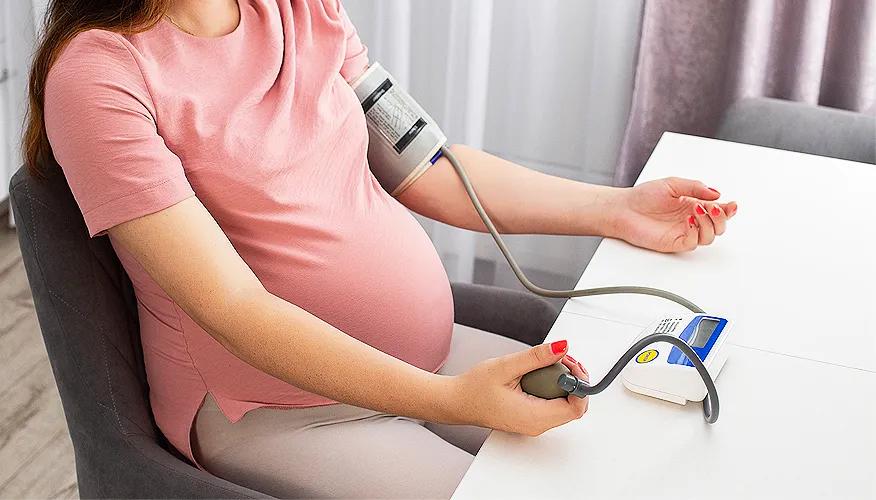
Your cardiovascular system becomes a superhero during pregnancy, working overtime to support both you and your baby. Here's what's happening behind the scenes:
- Hormonal changes flood your system, particularly progesterone, which acts like a natural muscle relaxer for your blood vessels. This causes them to widen and become more flexible.
- Your heart rate increases by about 10-20 beats per minute to pump more blood through your expanded circulatory system.
- Blood vessel dilation reduces the resistance your heart faces when pumping blood. This ensures maximum blood flow reaches your uterus and placenta, giving your baby the best possible supply of nutrients and oxygen.
These changes typically peak during your second trimester, which is why many women experience their lowest blood pressure readings around this time.
What is considered low blood pressure during pregnancy?
While there's no one-size-fits-all number for low blood pressure in pregnancy, healthcare providers generally consider readings with a systolic pressure (top number) below 90 mmHg or a diastolic pressure (bottom number) below 60 mmHg as hypotensive.
To put this in perspective, a reading like 90/60 in pregnancy would be considered on the lower end, whereas a reading of 110 over 60 while pregnant might be perfectly normal for many women.
What matters more than the exact numbers are your symptoms and how you feel. A reading that causes dizziness and fatigue in one woman might be perfectly comfortable for another. Your doctor will always consider your individual baseline readings and symptoms when evaluating your blood pressure.
Causes of low blood pressure during pregnancy
Understanding why low blood pressure in pregnancy happens can help you feel more in control of the situation.
Here are the main culprits:
- Natural pregnancy hormones are the primary cause. Progesterone relaxes your blood vessel walls, creating more space for blood to flow with less pressure.
- Dehydration is surprisingly common during pregnancy. Morning sickness, increased sweating, or simply not drinking enough water can quickly drop your blood pressure.
- Nutritional deficiencies play a major role. Low iron levels (anemia), insufficient folic acid, or vitamin B12 deficiency can all contribute to hypotension in pregnancy.
- Postural changes can trigger temporary drops. Standing up quickly after sitting or lying down can cause that familiar dizzy feeling as your blood pressure momentarily dips.
Other factors include:
- Prolonged bed rest
- Certain medications
- Infections or bleeding
- Being underweight or having low muscle mass
Typical blood pressure levels at different stages of pregnancy
Your blood pressure follows a predictable pattern throughout pregnancy, almost like a gentle wave:
| Trimester | Blood Pressure Pattern | Why This Happens |
|---|---|---|
| First (1-12 weeks) | Begins to decrease | Early hormonal changes start affecting blood vessels |
| Second (13-26 weeks) | Reaches lowest point | Maximum blood vessel dilation occurs |
| Third (27-40 weeks) | Gradually rises back toward normal | The body prepares for delivery and blood loss |
Common symptoms of low blood pressure in pregnancy

Recognizing the signs of hypotension in pregnancy can help you take action before symptoms become severe.
Many of these overlap with normal pregnancy discomforts, but they tend to be more pronounced with low blood pressure:
- Dizziness and lightheadedness are the most common symptoms, especially when changing positions quickly. You might feel like the room is spinning or that you're about to lose your balance.
- Fainting episodes can occur, though they're less common. If you feel like you might faint, sit down immediately and put your head between your knees.
- Unusual fatigue goes beyond typical pregnancy tiredness. You might feel completely drained even after resting well.
- Other symptoms include:
- Nausea (beyond morning sickness)
- Blurred vision
- Cold, clammy skin
- Rapid, shallow breathing
- Unusual thirst
- Difficulty concentrating
Is low blood pressure dangerous in pregnancy?
Most cases of low blood pressure in pregnancy are mild, temporary, and pose little risk to you or your baby. Your body is remarkably good at adapting to these changes.
Generally safe scenarios:
- Occasional dizziness when standing up
- Feeling tired but still able to function normally
- Mild symptoms that don't interfere with daily activities
- Blood pressure readings that are low but stable
When to be more cautious:
- Frequent fainting episodes that increase fall risk
- Symptoms so severe that they prevent you from eating or drinking adequately
- Persistent symptoms that don't improve with rest and hydration
With proper monitoring and simple management strategies, most women navigate through low blood pressure episodes without any complications.
Risks and effects on the baby
While most cases are harmless, it's important to understand potential risks so you can stay vigilant:
- Reduced placental blood flow is the main concern with severe hypotension. Your placenta is your baby's lifeline, delivering oxygen and nutrients while removing waste products.
- Fetal growth restriction can occur in severe, untreated cases where blood flow to the placenta is consistently compromised.
- Preterm birth risks may increase if hypotension is severe and persistent, though this is uncommon.
- Maternal fainting poses physical risks from falls, which could potentially harm both you and your baby.
These complications are rare and usually only occur with severe, untreated hypotension. Regular prenatal care and open communication with your healthcare provider help prevent these scenarios.
Safe ways to manage low blood pressure during pregnancy
Managing hypotension in pregnancy doesn't require dramatic lifestyle changes; often, simple adjustments make a significant difference:
- Move slowly and deliberately when changing positions. Take a moment to sit on the edge of your bed before standing up in the morning.
- Avoid prolonged standing whenever possible. If you must stand for work, shift your weight from foot to foot and take regular breaks.
- Dress comfortably in loose-fitting clothes that don't restrict circulation. Tight waistbands or sleeves can worsen symptoms.
- Stay cool in hot weather. Heat causes blood vessels to dilate further, which can worsen low blood pressure symptoms.
- Rest frequently and listen to your body's signals. Pregnancy is not the time to push through fatigue.
Home remedies for low blood pressure during pregnancy

Several safe, natural approaches can help you feel more comfortable while managing low blood pressure pregnancy symptoms.
Hydration strategies
Staying well hydrated is important for your health and comfort during pregnancy:
- Drink plenty of water: Aim for 8-10 glasses daily, more if you're experiencing morning sickness.
- Include electrolytes: Coconut water or homemade oral rehydration solutions can be helpful.
- Eat water-rich foods: Fruits like watermelon and oranges and vegetables like cucumber add both hydration and nutrients.
Rest and recovery
- Giving your body enough rest helps you cope better with the changes of pregnancy
- Take frequent breaks: Listen to your body's signals for rest.
- Practice gentle relaxation: Deep breathing or meditation can help manage symptoms.
- Prioritize sleep: Adequate rest supports your cardiovascular system's adaptation.
Foods that may help with low blood pressure in pregnancy
Nutrition plays a crucial role in managing hypotension in pregnancy. The right foods can help stabilize your blood pressure naturally:
Iron-rich foods are essential for preventing anemia-related low blood pressure:
- Dark leafy greens (spinach, kale)
- Lentils and beans
- Lean meats and poultry
- Fortified cereals
Folate and vitamin B12 sources support healthy red blood cell production:
- Eggs and dairy products
- Citrus fruits
- Fortified grains
- Nutritional yeast
Hydrating foods help maintain blood volume:
- Fresh fruits with high water content
- Soups and broths
- Coconut water
- Herbal teas
Moderate salt intake can help maintain fluid balance, but always discuss this with your doctor first, especially if you have any history of high blood pressure.
Related: Foods To Ditch During Your Pregnancy
When to call a doctor
Knowing when to seek medical attention is crucial for your peace of mind and safety. Contact your healthcare provider if you experience:
- Frequent fainting episodes or severe dizziness
- Chest pain, shortness of breath, or heart palpitations
- Persistent, severe fatigue that doesn't improve with rest
- Severe headaches or vision changes
- Signs of dehydration (dark urine, inability to keep fluids down)
- Any concerns about reduced fetal movements
Trust your instincts—if something feels wrong or different, it's always better to check with your doctor. They are there to support you through every aspect of your pregnancy journey.
Conclusion
Low blood pressure during pregnancy is a common experience that affects many women as their bodies adapt to support their growing babies. While symptoms like dizziness and fatigue can feel concerning, most cases are mild and temporary, requiring only simple lifestyle adjustments for effective management.
Understanding how to prevent low blood pressure in pregnancy through proper hydration, nutrition, and gradual position changes can help you feel more confident and comfortable throughout your pregnancy journey. Your body is doing incredible work to nurture your baby, and these temporary changes in blood pressure are often just signs of that amazing process.
If you're experiencing concerning symptoms, don't hesitate to reach out to your doctor. With proper monitoring and care, you can navigate through any challenges that hypotension in pregnancy might bring while keeping both you and your baby healthy and safe.
Meet our expert
.webp&w=1920&q=75)
Meet our expert
Dr. Kulyk Alexander Petrovich is a Ukraine-based gynecologist, with extensive experience in women's health. In 1995, he graduated from the Kyiv Medical University, and specialized in gynecology. He then went on to work as a gynecologist in the Institute of Pediatric, Obstetrics and Gynecology in Kyiv, where he worked until the year 2000.



How was the experience with article?
We'd love to know!