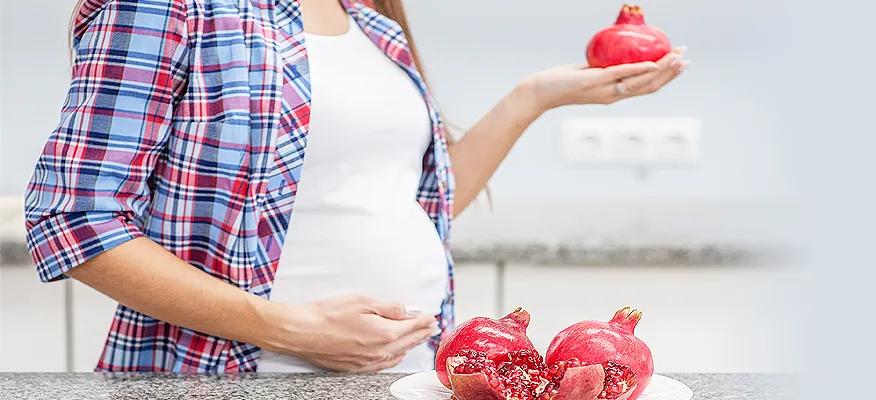
Pregnancy is a time of immense joy and anticipation, but it also brings significant changes and challenges to a woman’s body.
Ensuring a balanced and nutritious diet during this period is crucial for the health and development of both the mother and the baby. Among the plethora of fruits available, pomegranate stands out for its rich nutritional profile and numerous health benefits.
Is it safe to eat pomegranate during pregnancy? In this blog, we will delve into whether pomegranate is safe during pregnancy, the benefits of pomegranate in pregnancy, and how this superfood can be incorporated into your daily routine.
Nutritional benefits of pomegranate
Pomegranate, often celebrated for its vibrant color and refreshing taste, is more than just a delicious fruit. It is packed with an array of essential vitamins, minerals, and other nutrients that provide substantial health benefits.
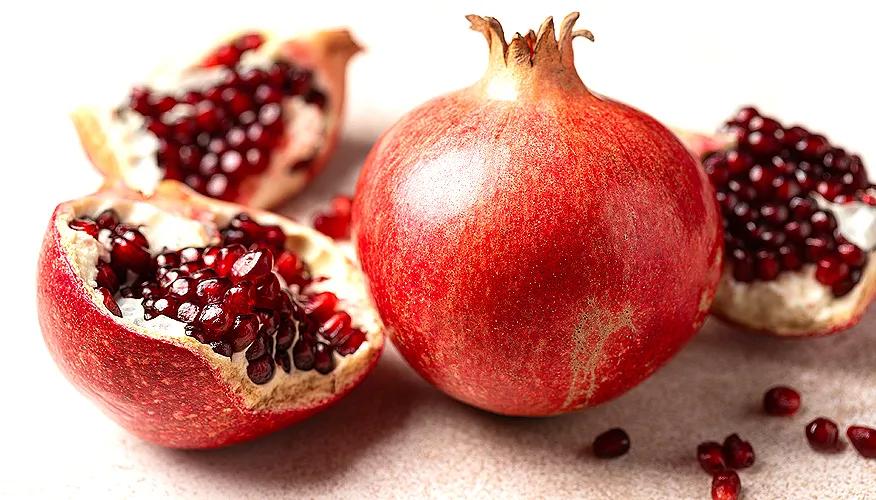
From boosting the immune system to supporting cardiovascular health, pomegranate offers a variety of nutritional advantages that can be particularly beneficial during pregnancy.
Let’s explore the rich nutritional profile of pomegranate:
Rich source of vitamins and minerals
Pomegranate in pregnancy is a powerhouse of essential vitamins and minerals that are critical for the overall health and well-being of pregnant women.
Let’s explore these nutrients in detail:
Vitamin C
- Pomegranate in early pregnancy or late pregnancy is an excellent source of vitamin C, a potent antioxidant that plays a vital role in maintaining a robust immune system.
- During pregnancy, a strong immune system is crucial to protect both the mother and the developing baby from infections and illnesses.
- Iron is a critical nutrient during pregnancy, as it is necessary for the production of hemoglobin, the protein in red blood cells that carries oxygen to the body's tissues.
- Adequate iron intake helps prevent anemia, which can lead to fatigue, weakness, and complications during pregnancy.
Folate (Vitamin B9)
- Folate, also known as vitamin B9, is essential for the proper development of the baby's neural tube, which forms the brain and spinal cord.
- Pomegranate provides a significant amount of folate, contributing to the recommended daily intake for pregnant women.
Vitamins K and E
- Pomegranate is also a good source of vitamins K and E.
- Vitamin K is important for blood clotting, which helps prevent excessive bleeding during childbirth.
- Vitamin E, on the other hand, is a powerful antioxidant that protects cells from damage and supports skin health.
- It also plays a role in the immune function, which is essential during pregnancy.
Potassium
- Potassium is a vital mineral that helps maintain proper fluid balance, supports muscle function, and regulates blood pressure.
- During pregnancy, maintaining healthy blood pressure levels is crucial to prevent complications such as preeclampsia.
- Pomegranate is rich in potassium, which can help support cardiovascular health and prevent hypertension.

Magnesium
- Magnesium is another important mineral found in pomegranate.
- It plays a crucial role in more than 300 biochemical processes within the body, including the regulation of muscle and nerve function, blood sugar levels, and blood pressure.
- Adequate magnesium intake during pregnancy can help prevent leg cramps, support bone health, and reduce the risk of preterm labor.
Calcium
- Pomegranate provides a good amount of calcium, contributing to the overall calcium needs of pregnant women.
- Ensuring adequate calcium intake is crucial to prevent the mother from losing bone density as the baby draws calcium for its growth.
High in antioxidants
- Antioxidants are compounds that protect the body from oxidative stress and free radical damage.
- Pomegranates are extraordinarily rich in antioxidants, especially punicalagins and anthocyanins.
- These powerful antioxidants help reduce inflammation, support cellular health, and may even lower the risk of chronic diseases.
Fiber content and its importance
- Fiber is an essential component of a healthy diet, especially during pregnancy.
- Pomegranates are a good source of dietary fiber, which aids in digestion and helps prevent constipation, a common issue faced by many pregnant women.
- Consuming fiber-rich foods like pomegranate can also help regulate blood sugar levels and support healthy weight management.
Benefits of pomegranate during pregnancy
Let’s explore the benefits of pomegranate during pregnancy for expectant mothers:
Boost immunity
- A strong immune system is essential during pregnancy to ward off infections and illnesses.
- The vitamin C and other immune-boosting compounds in pomegranates help enhance the body's natural defense mechanisms.
- Regular consumption of pomegranate can help maintain a robust immune system, reducing the risk of common colds and infections.
Improves digestion
- Digestive issues are common during pregnancy, ranging from mild discomfort to severe constipation.
- The fiber content in pomegranate aids in smooth digestion and regular bowel movements.
- Additionally, the fruit contains enzymes that promote better digestion and nutrient absorption, ensuring that both the mother and the baby receive adequate nutrition.

Supports healthy blood pressure
- Keeping blood pressure levels healthy during pregnancy is essential to avoid complications like preeclampsia.
- Pomegranates are known for their blood pressure-lowering properties, thanks to their potassium content and antioxidant activity.
- Regular consumption of pomegranate can help support cardiovascular health and maintain optimal blood pressure levels.
Provides essential nutrients
- Pomegranate during pregnancy third trimester or anytime during pregnancy is a powerhouse of essential nutrients that are vital for a healthy pregnancy.
- The combination of vitamins, minerals, and antioxidants ensures that the mother receives adequate nutrition to support the growing baby.
- Folate, in particular, is crucial for preventing neural tube defects and supporting the baby's brain and spine development.
Promotes heart health
- Heart health is paramount during pregnancy, as the heart works harder to pump blood to support both the mother and the baby.
- The antioxidants in pomegranates help reduce cholesterol levels and improve arterial health, promoting better heart function.
- Consuming pomegranates regularly can contribute to a healthy cardiovascular system, reducing the risk of heart-related complications.
Rich in antioxidants
- As mentioned earlier, pomegranates are loaded with antioxidants that offer numerous health benefits.
- During pregnancy, oxidative stress can pose risks to both the mother and the baby.
- The high antioxidant content in pomegranates helps combat this stress, protecting cells from damage and supporting overall health.
How to incorporate pomegranate into your diet
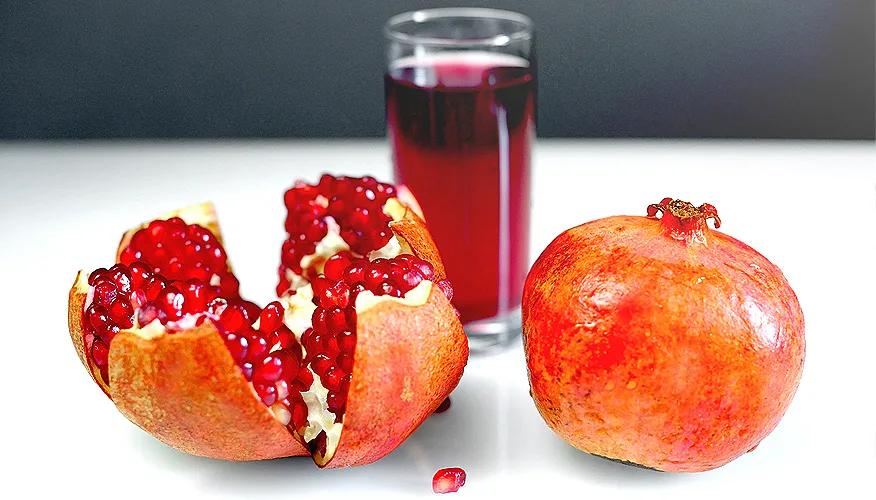
Here’s the daily intake recommendation and some ways to incorporate pomegranate in pregnancy:
Daily intake recommendations
- While pomegranate is highly nutritious, it is essential to consume it in moderation as part of a balanced diet.
- A daily intake of one pomegranate or a glass of pomegranate juice is generally considered safe and beneficial for pregnant women.
- However, it is always best to consult with a healthcare provider to determine the appropriate amount based on individual health needs.
Ways to eat pomegranate
Pomegranate is a versatile fruit that can be enjoyed in many delicious and creative ways. Incorporating pomegranate in pregnancy into your diet not only enhances the flavor of your meals but also boosts their nutritional value.
Here are some inventive and delightful methods to include pomegranate in your daily diet:
Fresh
- One of the simplest and most enjoyable ways to consume pomegranate is by eating the fresh seeds, also known as arils.
- These juicy gems can be enjoyed on their own as a healthy snack.
- Alternatively, sprinkle them over your breakfast cereal, yogurt, or oatmeal for an extra burst of flavor and nutrition.
- The vibrant color and sweet-tart taste of pomegranate seeds can make your morning meals more appealing and nutritious.
Juice
- Pomegranate juice in pregnancy is a popular and convenient way to enjoy the benefits of this superfruit.
- Freshly squeezed pomegranate juice is packed with antioxidants and essential nutrients.
- However, it’s important to be mindful of the sugar content in store-bought versions, which may have added sugars.
- Opt for 100% pure pomegranate juice without any added sweeteners to maximize the benefits of pomegranate juice during pregnancy.
Salads
- Pomegranate salad is a great option. Pomegranate seeds add a delightful crunch and a burst of sweetness to salads.
- They pair well with a variety of ingredients, including leafy greens, nuts, cheese, and other fruits.
- Try adding pomegranate seeds to a spinach and feta salad, a quinoa and kale salad, or a fruit salad with citrus and berries.
- The addition of pomegranate can elevate the flavor and nutritional profile of your salads.
Smoothies
- Blend pomegranate seeds or juice with other fruits and vegetables to create a refreshing and nutrient-rich smoothie.
- Pomegranate pairs well with ingredients like bananas, berries, spinach, and Greek yogurt.
- You can also add a handful of pomegranate seeds to your favorite smoothie recipe for an antioxidant boost.
- Smoothies are an excellent way to incorporate pomegranate into your diet, especially if you’re looking for a quick and easy meal or snack.
Desserts
- Pomegranate seeds make an excellent topping for a variety of desserts.
- Their sweet and tart flavor complements creamy and rich desserts like ice cream, pudding, and mousse.
- You can also sprinkle pomegranate seeds over fruit salads, parfaits, and cheesecakes.
- For a healthy dessert option, try mixing pomegranate seeds with Greek yogurt and a drizzle of honey.
Sauces and dressings
- Pomegranate seeds and juice can be used to create delicious sauces and dressings.
- Pomegranate molasses, made by reducing pomegranate juice, is a popular ingredient in Middle Eastern cuisine.
- It can be used to drizzle over roasted vegetables, or mix into salad dressings.
- You can also make a simple pomegranate vinaigrette by whisking together pomegranate juice, olive oil, vinegar, honey, and a pinch of salt.
Baked goods
- Incorporating pomegranate seeds into baked goods is a fun and tasty way to enjoy this superfruit.
- Add pomegranate seeds to muffin, bread, or scone batter for a burst of flavor and color.
- Pomegranate seeds can also be used to garnish cakes and cupcakes, adding a beautiful and nutritious touch to your baked creations.
Garnishes
- Pomegranate seeds make a lovely garnish for a variety of dishes. Sprinkle them over soups, stews, and chili for a pop of color and flavor.
- They can also be used to garnish cocktails and mocktails, adding a festive and nutritious touch to your beverages.
Conclusion
Pomegranates are a versatile and nutritious fruit that can provide numerous health benefits during pregnancy.
From boosting immunity to supporting healthy digestion and blood pressure, pomegranate in pregnancy is a valuable addition to your diet.
By incorporating pomegranate into your daily routine, you can ensure that both you and your baby receive the essential nutrients needed for a healthy and happy pregnancy.
Meet our expert

Meet our expert
Deborah Onoja, a dedicated Registered Nutritionist-Dietitian, holds a Bachelor's degree in Nutrition & Dietetics from the Federal University of Agriculture, Abeokuta. She furthered her expertise with a Master's degree in Clinical Nutrition and Diet Therapy from the University of Ibadan.


How was the experience with article?
We'd love to know!