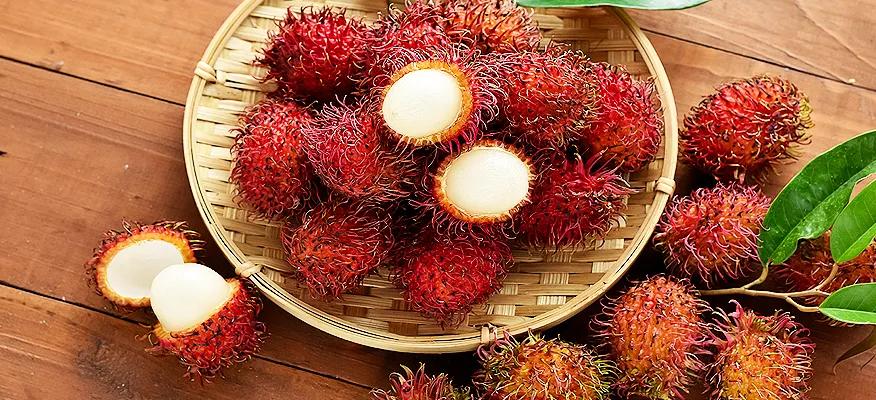
Pregnancy brings a whirlwind of questions about food choices, and tropical fruits like rambutan often spark curiosity. This exotic, spiky-skinned fruit might look intimidating, but many expecting mothers wonder about its safety and benefits.
With its sweet, juicy flesh and impressive nutritional profile, understanding whether rambutan is good for pregnant women can help you make informed dietary decisions during this crucial time.
Is rambutan safe during pregnancy?
Yes, the good news is that rambutan is generally safe for pregnant women when consumed in moderation. This tropical fruit can be a healthy addition to your pregnancy diet, provided you choose fresh, properly washed fruit and don't overindulge.
Unlike some foods that require complete avoidance during pregnancy, rambutan falls into the "safe in moderation" category. The key is understanding what "moderation" means and being aware of any individual sensitivities you might have.
Some cultural beliefs suggest that rambutan generates "heat" in the body and could be harmful during early pregnancy. However, these concerns lack scientific backing. The real considerations are more practical, like managing sugar intake and ensuring proper food hygiene.
If you're new to eating rambutan, start with small amounts to see how your body responds. Most women can enjoy this fruit without any issues, but every pregnancy is unique.
Nutritional profile of rambutan fruit
Understanding what's inside this spiky fruit helps explain why rambutan is beneficial for pregnant women's nutrition. A medium-sized rambutan packs a wealth of impressive nutrients into its small package.
Here's what you'll find in this tropical powerhouse:
| Nutrient | Benefit During Pregnancy |
| Vitamin C | Boosts immunity, enhances iron absorption |
| Iron | Supports healthy blood production, prevents anemia |
| Folate | Critical for fetal neural development |
| Calcium | Supports bone health for mother and baby |
| Potassium | Maintains fluid balance, supports muscle function |
| Dietary Fiber | Aids digestion, helps prevent constipation |
Each fruit contains approximately 75 calories, making it a relatively low-calorie snack option.
The combination of less than 1 gram each of protein and fat, about 2 grams of carbohydrates, and natural sugars creates a balanced nutritional profile.
The antioxidants, including flavonoids and phenolic compounds, add extra protective benefits that support overall health during pregnancy.
Why you may eat rambutan during pregnancy
Pregnancy increases your body's nutritional demands, and rambutan is a good choice for pregnant women, offering several compelling reasons to include it in your diet.
- The high vitamin C content stands out as particularly beneficial. This nutrient doesn't just boost your immune system; it also helps your body absorb iron more efficiently. Because iron deficiency is common during pregnancy, this dual benefit makes rambutan especially valuable.
- The natural iron content directly supports healthy red blood cell production. As your blood volume increases during pregnancy, maintaining adequate iron levels becomes crucial for preventing anemia and ensuring both you and your baby receive a proper oxygen supply.
- Digestive comfort is another compelling reason. The fiber in rambutan can help address one of pregnancy's most common complaints: constipation. Rather than relying solely on supplements, incorporating fiber-rich fruits like rambutan provides a natural, gentle solution.
- The high water content and electrolytes, such as potassium, make rambutan naturally hydrating. This becomes especially important if you're dealing with morning sickness and struggling to maintain proper hydration levels.
Health benefits of rambutan during pregnancy

The specific ways rambutan benefits pregnancy extend beyond basic nutrition, addressing several common concerns related to pregnancy.
Prevents anemia and improves blood health
Iron deficiency anemia affects many pregnant women; however, the iron content of rambutan, combined with vitamin C for enhanced absorption, creates a natural defense system. Regular consumption can help maintain healthy levels of hemoglobin.
Supports the immune system
Pregnancy naturally suppresses your immune system to protect the developing baby. The vitamin C and antioxidants in rambutan help compensate for this, providing extra protection against common illnesses.
Promotes digestive wellness
The fiber content promotes healthy digestion and regular bowel movements. This becomes increasingly important as pregnancy hormones slow digestive processes and the growing baby puts pressure on your digestive organs.
Morning sickness relief
Many women find that rambutan's mild sweetness and refreshing taste help settle their stomachs during episodes of nausea. The natural sugars provide quick energy without being overpowering.
Supports fetal development
Folate plays a crucial role in the development of the neural tube during early pregnancy. While rambutan shouldn't be your only source of folate, it contributes to meeting your increased folate needs.
Possible risks of eating rambutan during pregnancy
While generally safe, understanding potential risks helps you make informed decisions about including rambutan in your pregnancy diet.
- Natural sugar content: This is the most significant concern. Rambutan contains natural sugars that, when consumed in excess, could contribute to elevated blood glucose levels. This becomes particularly important if you have gestational diabetes or are at risk of developing it.
- Digestive sensitivity: Some women experience bloating, gas, or even diarrhea when eating too much fruit, particularly if they're not accustomed to high-fiber foods. Starting with small portions helps you gauge your tolerance.
- Allergic reactions: Although rare, allergic reactions are possible. If you've never eaten rambutan before, watch for symptoms like itching, swelling, or difficulty breathing after your first taste. Any concerning symptoms warrant immediate medical attention.
- Mild stomach upset: The natural fruit acids might also cause mild stomach upset in women who are particularly sensitive during pregnancy, especially if eaten on an empty stomach.
How to include rambutan in your pregnancy diet?
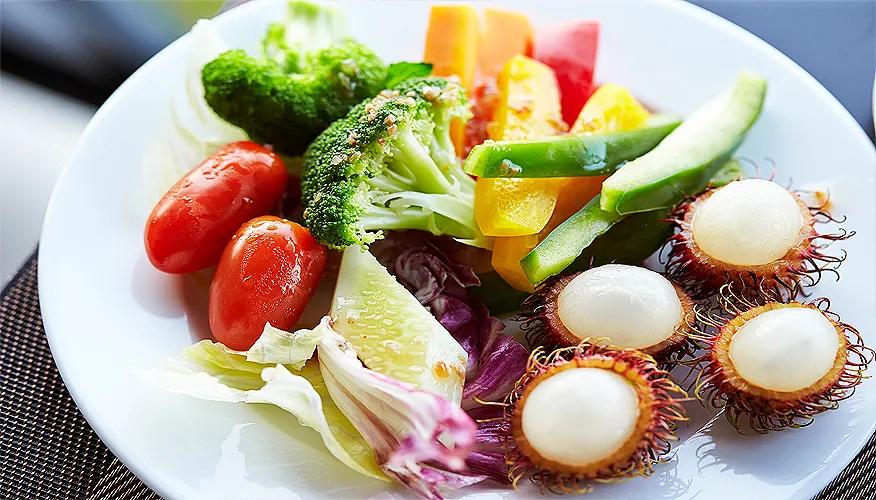
Incorporating this exotic fruit into your daily meals doesn't have to be complicated. The key is choosing fresh, ripe fruit and preparing it safely.
Start by selecting rambutans that feel firm and have bright, vibrant spines. Avoid any that appear dried out, have dark spots, or have a fermented smell. Always wash the fruit thoroughly before peeling, even though you don't eat the skin.
Simple ways to enjoy rambutan include:
- Fresh and simple: Peel and eat as a midday snack.
- Fruit salad additions: Mix with other pregnancy-safe fruits like apples and oranges.
- Breakfast enhancement: Add to yogurt or oatmeal for extra nutrition.
- Hydrating treats: Freeze peeled segments for a refreshing summer snack.
The question "How many rambutans can I eat a day?" often comes up. Generally, 3-5 rambutans per day is considered moderate for most pregnant women, but this can vary based on your overall diet and any specific health considerations.
Pregnancy-safe recipes with rambutan
Creating delicious, nutritious meals with rambutan doesn't require culinary expertise. These simple recipes focus on maximizing nutrition while keeping preparation minimal.
- Refreshing rambutan mint salad: Combine peeled rambutan segments with cucumber slices, fresh mint leaves, and a squeeze of lime juice. This provides hydration, vitamins, and helps with nausea.
- Pregnancy power smoothie: Blend rambutan with banana, spinach (you won't taste it!), and coconut milk for a nutrient-packed drink that's easy to digest.
- Rambutan yogurt parfait: Layer Greek yogurt with chopped rambutan and a sprinkle of chia seeds for protein, probiotics, and omega-3 fatty acids.
- Tropical fruit bowl: Mix rambutan with mango, papaya, and a drizzle of honey for natural sweetness and a variety of vitamins.
These recipes avoid processed ingredients and excessive added sugars while providing balanced nutrition that supports both maternal and fetal health.
Side effects of rambutan while pregnant
Most women tolerate rambutan well during pregnancy, but being aware of potential side effects helps you respond appropriately if they occur.
- Gastrointestinal upset is the most common issue. Eating too many rambutans at once might cause bloating, gas, or loose stools. This typically resolves by reducing portion sizes and eating the fruit more slowly.
- Blood sugar fluctuations can occur in sensitive individuals, particularly those with gestational diabetes. Symptoms might include feeling shaky, dizzy, or unusually tired after eating several rambutans.
- Some women report experiencing mild heartburn after eating acidic fruits, such as rambutan, especially later in pregnancy when the growing baby puts pressure on the stomach.
- Rare but serious allergic reactions could include hives, swelling of the face or throat, or difficulty breathing. These require immediate medical attention.
Who should avoid rambutan during pregnancy?
While most pregnant women can safely enjoy rambutan, certain conditions warrant extra caution or complete avoidance.
- Women with gestational diabetes or pre-existing diabetes should significantly limit their intake of rambutan. The natural sugars can affect blood glucose levels, potentially disrupting carefully managed diabetes care plans. Always consult your healthcare provider before adding new fruits to your diet if you have diabetes.
- Those with a history of severe food allergies, particularly to tropical fruits, should exercise extreme caution. Consider discussing with an allergist before trying rambutan for the first time during pregnancy.
- If you have inflammatory bowel conditions or chronic digestive issues that worsen with high-fiber foods, rambutan might exacerbate symptoms. The fiber content, while generally beneficial, could cause discomfort in sensitive individuals.
- Women taking certain medications should also check with their healthcare providers, as fruit acids can sometimes affect medication absorption.
How to select and store rambutan fruit?
Choosing quality rambutan ensures you get maximum nutritional benefits while minimizing food safety risks during pregnancy.
Selection tips:
- Look for bright red or yellow skin (depending on variety) with firm, flexible spines.
- Avoid fruits with brown, dried spines or dark spots on the skin.
- Choose rambutans that feel heavy for their size, indicating good water content.
- Skip any that smell fermented or overly sweet, as these may be overripe.
Storage guidelines:
- Fresh rambutans keep best at room temperature for 2-3 days.
- Refrigerate in a breathable bag for longer storage (up to a week).
- Avoid storing in plastic bags, as trapped moisture can promote spoilage.
- Wash just before eating, not before storing.
Proper selection and storage practices become especially important during pregnancy, when foodborne illness poses greater risks to both the mother and the baby.
Conclusion
Rambutan is good for pregnant women when enjoyed as part of a balanced diet. This nutrient-rich tropical fruit offers valuable vitamins, minerals, and antioxidants that support both maternal health and fetal development. The iron, vitamin C, folate, and fiber content make it particularly beneficial during pregnancy.
However, moderation remains key. The natural sugar content means that women with gestational diabetes should be cautious, and everyone should avoid excessive consumption. By choosing fresh, properly prepared rambutan and limiting intake to 3-5 fruits per day, most pregnant women can safely enjoy this exotic treat.
As with any dietary changes during pregnancy, consulting with your healthcare provider ensures that rambutan fits appropriately into your individual nutritional plan. When eaten mindfully, this tropical fruit can be a delicious and nutritious addition to your pregnancy journey.
Meet our expert

Meet our expert
She holds a Bachelor of Nutrition & Community Health with Distinction from Universiti Putra Malaysia and has been a dedicated healthcare professional since 2014. As the Customer Care Manager, she leads a team of skilled dietitians and nutritionists, committed to serving the community.



How was the experience with article?
We'd love to know!