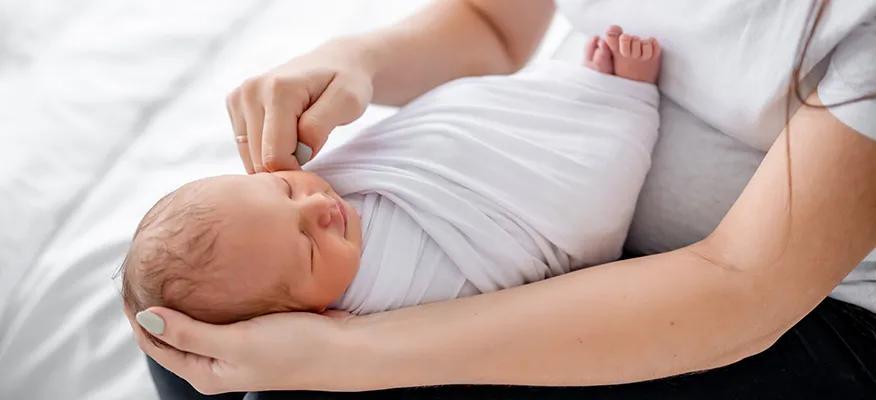
Swaddling is a timeless technique passed down through generations, offering comfort and security to newborns. This snug wrapping can soothe a fussy baby, reduce anxiety, and promote better sleep patterns, both for infants and their exhausted parents.
Mastering the art of swaddling can seem daunting at first. However, with the right approach, it becomes a simple, yet profoundly effective method to ensure your little one feels safe and secure.
In this step-by-step guide, we'll walk you through the basics of swaddling, from choosing the right materials to safely securing your baby for a restful night's sleep.
What is swaddling?
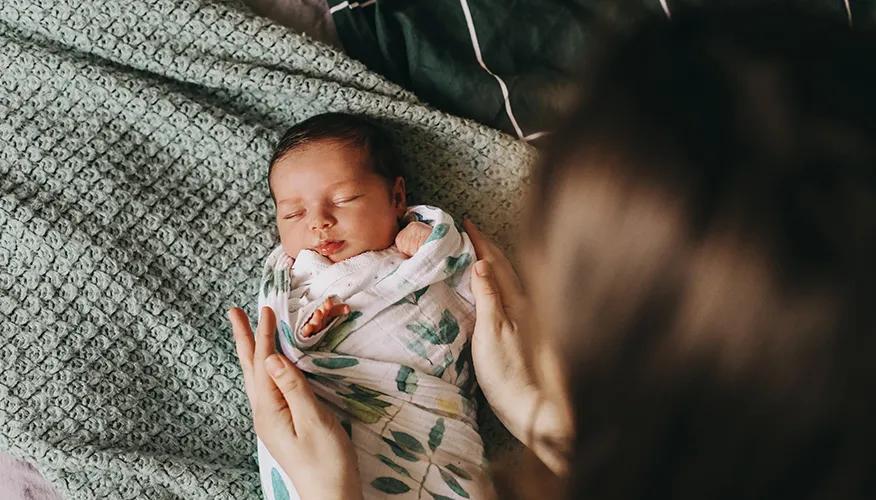
Swaddling is the practice of wrapping a baby snugly in a blanket to mimic the coziness of the womb. This wrapping technique helps soothe and calm infants, as it can limit their startle reflex, which is common in newborns and can often wake them up.
Swaddling also provides warmth and a sense of security, potentially enhancing the baby’s sleep quality. When done correctly, it can be an effective method to help settle a baby and reduce excessive crying.
Is swaddling safe?
Swaddling is generally safe when practiced correctly, but it’s essential to adhere to specific guidelines to ensure your baby’s well-being. Proper techniques and materials can make swaddling a secure method to comfort and calm your baby, potentially improving sleep quality and reducing anxiety.
Parents must also ensure that the swaddle is not too tight, to facilitate easy breathing and prevent any risks related to overheating. Additionally, transitioning out of swaddling at the appropriate developmental stage is vital to maintain safety and promote healthy growth.
What are the benefits of swaddling a baby?
Swaddling offers several benefits, including:
- Soothing and comfort: Swaddling helps recreate the snug and secure feeling of the womb, which can soothe and comfort newborns, assisting them in feeling more secure and less inundated by the world's new sensory experiences.
- Improved sleep: By reducing the startle reflex (a natural reflex that causes newborns to feel as if they are falling), swaddling can help babies sleep more soundly and for longer periods. This is beneficial for both the baby's development and the well-being of parents.
- Temperature regulation: Proper swaddling can help keep a baby warm and cozy when room temperatures may be cooler, especially in the first few weeks when they have more difficulty regulating their own body temperature.
- Easier transition: For newborns, the world can be a vast and sometimes overstimulating place. Swaddling can help ease the transition from the womb to the world, offering a buffer to sudden noises, lights, and other sensory inputs that might be distressing.
How to swaddle a baby step by step?
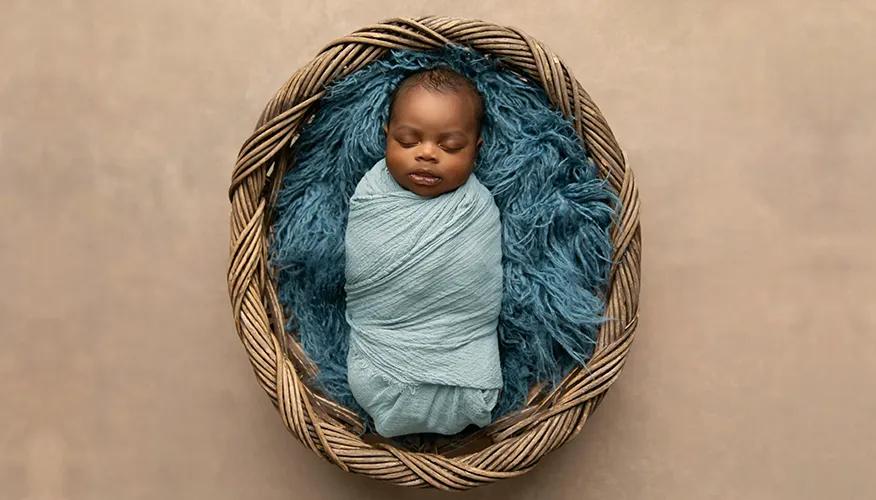
Here’s a step-by-step guide to help you swaddle your baby:
Materials needed
A lightweight, breathable swaddle blanket (usually a large square of cotton or muslin).
Steps to swaddle a baby
- Spread the blanket: Lay the swaddle blanket on a flat surface in a diamond shape, and fold the top corner down to form a straight edge.
- Place the baby: Gently place your baby face-up on the blanket, with their head above the folded edge. The baby’s shoulders should be slightly below the fold.
- Secure the right arm: Take the baby’s right arm and lay it slightly bent at their side. Pull the left corner of the blanket across the baby’s body and tuck it snugly around and under the left side of the baby, ensuring it is loose around the hips to allow leg movement.
- Fold the bottom: Fold the bottom corner of the blanket up over the baby’s feet and tuck it behind the first shoulder. Make sure there is enough room for the baby’s legs to bend up and out at the hips.
- Secure the left arm: Take the baby’s left arm and lay it slightly bent at their side. Pull the right corner of the blanket across your baby’s left arm and chest, and tuck it under the right side of the baby’s back.
- Double-check for safety: Ensure the blanket is not too loose, as it could become a suffocation hazard.
How long do you swaddle a baby?
The duration for which you swaddle a baby typically depends on the baby's development and individual needs. Here are some key points to consider regarding when to stop swaddling:
- Rolling over: You should stop swaddling your baby when they start showing signs of being able to roll over. This developmental milestone usually occurs around 3 to 4 months of age but can be earlier for some babies. Continuing to swaddle after a baby can roll over increases the risk of suffocation, as they might not be able to free their arms to adjust their position.
- Discomfort or disinterest: Some babies might start to resist being swaddled as they grow because they want more freedom of movement. If your baby seems unhappy or more active when swaddled, it may be time to transition out of swaddling.

What kind of blanket is best for swaddling?
The best blankets for swaddling are those that are lightweight, breathable, and soft. This helps ensure the baby is comfortable, not overheated, and securely wrapped.
Here are some key characteristics to look for in a swaddle blanket:
- Material: Choose natural fibers like cotton, muslin, or bamboo.
- Size: A good swaddle blanket should be large enough to wrap around the baby securely without being too bulky. Typically, blankets that are about 40 to 45 inches square are ideal for creating a snug swaddle.
- Shape: Square blankets are generally preferred because they are easier to fold into a swaddle.
When do you swaddle a newborn?
Swaddling is most commonly used from the very first days after a newborn arrives and continues to be effective until they start rolling over.
Here’s a brief overview of when and how swaddling is used for a newborn:
- Early weeks: Newborns often respond well to swaddling in the early weeks because it mimics the tight, cozy environment of the womb.
- Sleep and naps: Swaddling can be part of the bedtime or naptime routine. It helps to cue the baby that it’s time to sleep and can improve the quality and duration of sleep.
- After feeding: Swaddling after feeding can help soothe babies and reduce discomfort from gas.
- Calming down: If a baby is fussy due to overstimulation, swaddling can help by reducing the external stimuli.
- Pre and post medical procedures: Swaddling is also used in medical settings to calm newborns after procedures such as vaccinations.
When do I stop swaddling my baby?
It's recommended to stop swaddling your baby when they show signs of being able to roll over on their own, or when they no longer seem comforted by swaddling. This occurs around 2 to 4 months of age, but it can vary depending on the individual development of each baby.
Here’s what to do to make the transition smoother and help your baby adjust to sleeping without being swaddled:
- One arm out: Start by swaddling your baby with one arm out. This allows them to get used to more freedom gradually.
- Both arms out: Next, you can swaddle them with both arms out, which still provides some of the snugness around their torso but leaves their arms free.
- Swaddle transition products: Consider using a swaddle transition product, such as a sleep sack or wearable blanket.
Tips for swaddling a baby correctly?
Here are some tips for swaddling a baby correctly:
- Use the right blanket: Opt for a lightweight, breathable blanket, such as cotton or muslin, that's large enough to wrap around the baby without being too bulky.
- Proper placement: Lay your baby face-up on the blanket with their shoulders just below the folded edge, ensuring their head and neck remain uncovered.
- Snug, not tight: The swaddle should be snug so it doesn't unravel, allowing you to fit two to three fingers between the blanket and your baby’s chest, with enough room at the bottom for leg movement.
- Secure wrap: Wrap the blanket securely around the baby, keeping arms slightly bent at the sides or across the chest, and ensure the hips and legs can move freely.
Conclusion
By following the step-by-step guide provided, you can master the art of swaddling, ensuring your baby is snug, secure, and most importantly, safe. Remember to observe your baby’s cues for when it might be time to phase out swaddling and always prioritize their comfort and safety. With these skills in your parenting toolkit, you’re well on your way to nurturing a happy, healthy baby.
Meet our expert

Meet our expert
A graduate from Lugansk State Medical University in 1995, Dr Viktorovona holds a distinguished qualification in pediatrics, ultrasound diagnostics, and pediatric gastroenterology.



How was the experience with article?
We'd love to know!