
That sharp, throbbing pain in your tooth can feel overwhelming on any regular day, but when you're pregnant? It becomes a whole different challenge.
You're already navigating morning sickness, fatigue, and countless body changes, and now you're wondering if it's safe to take anything for the pain or even visit the dentist.
Experiencing a toothache during pregnancy is common, affecting millions of expecting mothers worldwide. The good news? There are safe, effective ways to manage it.
Is a toothache common during pregnancy?
Toothaches during pregnancy are far more common than many women realize. In fact, research shows staggering numbers; approximately 90% of pregnant women in Thailand experience gingivitis and tooth decay. Additionally, studies across East Africa have revealed dental caries affecting 40%-65% of expecting mothers, depending on the region.
Factors such as dietary habits, limited access to dental care, and varying levels of oral health awareness contribute to the problem. However, regardless of where you live, pregnancy naturally increases your risk of dental issues, and that includes the uncomfortable reality of a toothache in pregnancy.
What causes a toothache during pregnancy?
Your body goes through incredible changes during pregnancy, and your mouth isn't immune to these shifts. Several interconnected factors work together to increase your risk of developing tooth pain.
1. Hormonal changes
The increase in estrogen and progesterone levels doesn't just affect your mood and energy levels, it also makes your gums more sensitive and prone to inflammation. This condition, called pregnancy gingivitis, causes your gums to swell, bleed, and become more susceptible to bacterial infections that can lead to tooth pain.
2. Dietary changes
Intense cravings for sweets or frequent snacking throughout the day to combat nausea can expose your teeth to more sugar and acid than usual. Each time you eat something sugary, bacteria in your mouth feast on it, producing acids that attack your tooth enamel.
3. Morning sickness
When you vomit, stomach acid comes into direct contact with your teeth. This acid is strong enough to erode enamel over time, making your teeth more sensitive and prone to decay, both of which can trigger significant pain.
4. Neglecting oral hygiene
Between exhaustion, nausea that makes brushing uncomfortable, and simply being overwhelmed with other pregnancy concerns, daily dental care sometimes takes a backseat.
5. Limited access to dental care
Cost concerns, misconceptions about dental safety during pregnancy, and simply not knowing where to find pregnancy-safe dental care can lead to small problems becoming painful emergencies.
Other Oral Problems During Pregnancy
Pregnancy can affect oral health in several ways beyond toothache. Hormonal changes, dietary shifts, and increased blood flow to the gums may increase the risk of certain dental and gum conditions. Recognizing these issues early helps prevent discomfort and complications.
Pregnancy gingivitis:
Pregnancy gingivitis is a common condition caused by increased levels of estrogen and progesterone. These hormonal changes make the gums more sensitive to plaque, leading to redness, swelling, tenderness, and bleeding while brushing or flossing. Maintaining good oral hygiene and regular dental check-ups can help prevent gingivitis from progressing into more serious gum disease.
Gum swelling or pregnancy tumors:
Some pregnant women develop small, soft, non-cancerous growths on the gums, often referred to as pregnancy tumors. These growths may bleed easily and usually appear during the second trimester. They are harmless and often resolve after childbirth, especially with improved oral hygiene and professional dental care.
Loose teeth:
Hormonal changes during pregnancy can temporarily affect the ligaments and bones that support the teeth, sometimes causing teeth to feel loose. This can occur even without gum disease. If you notice tooth mobility or discomfort while chewing, it is important to consult a dentist promptly.
Increased tooth sensitivity:
Many women experience heightened tooth sensitivity during pregnancy, especially to hot, cold, or sweet foods. This may be linked to enamel erosion from morning sickness, gum recession, or changes in oral hygiene habits. Using a soft-bristled toothbrush and sensitivity-friendly toothpaste can help reduce discomfort.
Paying attention to these oral changes and seeking timely dental care ensures better comfort and supports overall pregnancy health.
Symptoms to watch for
Recognizing the early signs of dental problems can help you address issues before they become severe. Some symptoms are obvious, while others might seem unrelated to your teeth at first glance.
- Pain and sensitivity: You might notice discomfort when drinking something cold, eating sweet foods, or even just breathing in cool air. This sensitivity often starts mild but can escalate to constant, throbbing pain that interferes with eating and sleeping.
- Gum-related symptoms: These are equally important to monitor:
- Swollen, tender gums that feel puffy to the touch
- Bleeding when you brush or floss (even gently)
- Gums that appear redder than usual
- A receding gumline that makes your teeth look longer
- Other warning signs: These include persistent bad breath that does not improve with brushing, a bad taste in your mouth that will not go away, or visible pus around your gumline.
Safe treatments for a toothache during pregnancy
The fear of harming your baby often keeps pregnant women from seeking dental treatment, but this hesitation can actually be more dangerous than getting proper care.
Most dental treatments are not only safe during pregnancy but are also recommended to protect your health and your baby's development.
- Professional dental care is safest during the second trimester, although urgent issues can be addressed at any stage of pregnancy. Your dentist will prioritize non-medication approaches first, including professional cleaning to remove bacteria and plaque or treating cavities before they worsen.
- Pain management during pregnancy requires careful consideration. Paracetamol (acetaminophen) is generally considered the safest pain reliever for pregnant women, but always consult your doctor before taking any medication. Your doctor can advise on appropriate dosages and frequency.
- Antibiotics may be necessary if you develop a dental infection. Penicillin and amoxicillin are typically safe options during pregnancy, but certain antibiotics such as tetracycline should be avoided as they can affect your baby's developing teeth and bones.
- Local anesthetics like lidocaine are safe when properly administered by a qualified dentist. The small amounts used for dental procedures don't reach significant levels in your bloodstream or affect your baby.
- X-rays are generally avoided unless absolutely necessary. When required, they're performed with protective lead aprons and thyroid collars to minimize any exposure to you and your baby.
Home remedy for a toothache for pregnant women
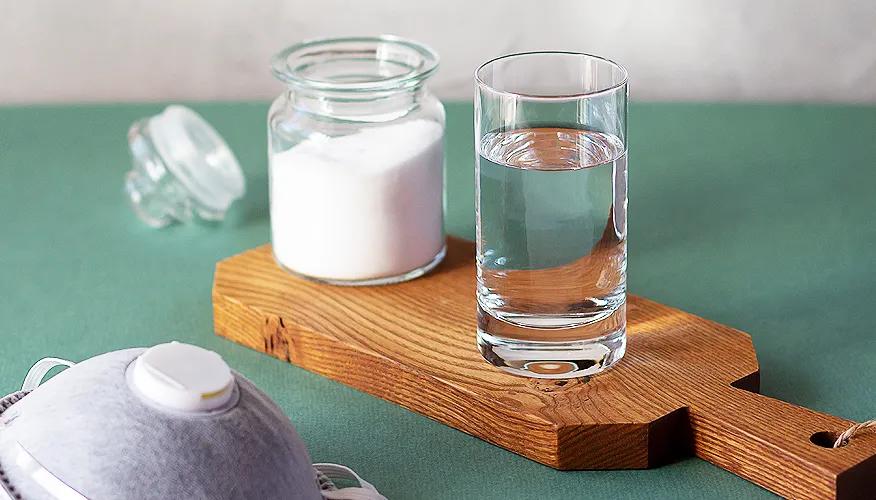
While professional dental care is essential, several safe home remedies can provide temporary relief from tooth pain during pregnancy.
Salt water rinses
Mix half a teaspoon of salt in a cup of warm water and gently swish it around your mouth for 30 seconds before spitting it out. This simple solution helps reduce inflammation and can provide surprising relief from pain.
Cold compresses
These are applied to the outside of your cheek and can help numb pain and reduce swelling. Wrap ice cubes in a thin towel and hold them against the affected area for 15-20 minutes at a time.
Elevation
Keep your head elevated when lying down. Prop yourself up with extra pillows to reduce blood flow to the affected area, which can decrease throbbing pain.
Gentle oral hygiene
This remains crucial even when your mouth hurts. Use a soft-bristled toothbrush and be extra gentle around the painful area, but don't skip brushing and flossing entirely. Clean teeth heal faster than dirty ones.
Important caution
While you might be tempted to try herbal remedies or essential oils, many have not been tested for safety during pregnancy. Stick to these proven, simple approaches and save the more complex treatments for after you have consulted with your doctor.
Clove or Clove Oil (Use with Caution)
Clove contains eugenol, a natural compound with pain-relieving and antiseptic properties. A small amount of clove oil applied to the affected tooth using a cotton swab may help ease discomfort. Avoid swallowing clove oil and discontinue use if irritation occurs.
Garlic
Garlic is known for its natural antibacterial properties due to a compound called allicin. Gently placing a crushed garlic clove near the painful area may help reduce bacteria and discomfort. However, prolonged contact can irritate sensitive gums, so it should be used sparingly.
Aloe Vera (For Gum Discomfort)
Aloe vera has soothing and antibacterial properties that may help calm inflamed gums during pregnancy. Applying a small amount of fresh aloe vera gel to the gums can reduce irritation. Aloe vera should not be swallowed unless recommended by a healthcare professional.
Milk and Calcium-Rich Foods
Calcium and vitamin K support strong teeth and healthy gums. Drinking warm milk or consuming calcium-rich foods may help reduce gum sensitivity and bleeding. Maintaining proper brushing and flossing is essential, as milk can increase plaque buildup.
Pomegranate Juice (Sugar-Free)
Pomegranate has antibacterial properties that can help fight plaque-causing bacteria. Rinsing with or drinking sugar-free pomegranate juice may support gum health and reduce inflammation.
Toothache Treatment During Different Trimesters
Dental care during pregnancy is safe, but the type and timing of treatment may vary depending on the trimester. Understanding trimester-specific care helps protect both the mother and the developing baby.
First trimester (Weeks 1–12):
During the first trimester, the baby’s vital organs are forming, so dentists usually avoid non-essential dental procedures. Routine treatments such as fillings or cosmetic work are postponed unless there is severe pain or infection. If a toothache occurs, dentists focus on pain relief, infection control, and conservative care. Emergency dental treatment should never be delayed during this stage.
Second trimester (Weeks 13–27):
The second trimester is considered the safest and most comfortable period for dental treatment during pregnancy. Procedures such as professional cleanings, cavity fillings, and root canal treatments can be safely performed if needed. Many dentists recommend scheduling necessary dental care during this stage to prevent infections from worsening later in pregnancy.
Third trimester (Weeks 28–40):
In the third trimester, dental treatments are usually limited to urgent or emergency care. Long dental appointments may be uncomfortable due to body positioning and pressure on blood vessels. Dentists typically keep visits short and focus on managing pain or infection until delivery, unless immediate treatment is required.
Proper communication with both your dentist and healthcare provider ensures safe and effective toothache management at every stage of pregnancy.
What to Avoid for Toothache During Pregnancy
When dealing with a toothache during pregnancy, certain practices and substances should be avoided to protect both the mother and the developing baby. Some common remedies may seem helpful but can pose potential risks if used without professional guidance.
1. Avoid self-medicating with painkillers:
Not all pain relief medications are safe during pregnancy. Medicines such as ibuprofen, aspirin, and other non-steroidal anti-inflammatory drugs (NSAIDs) should be avoided unless specifically prescribed by a healthcare provider. Always consult a doctor before taking any medication for tooth pain.
2. Avoid using clove oil or essential oils without medical advice:
Clove oil and other essential oils are often suggested as natural remedies, but their safety during pregnancy has not been well established. Direct application may irritate gums or cause unwanted side effects, so it is best to avoid them unless approved by a dentist or doctor.
3. Avoid unverified herbal remedies:
Herbal treatments and home remedies found online may lack scientific evidence for pregnancy safety. Some herbs can interfere with hormonal balance or medications, making professional guidance essential before use.
4. Avoid delaying dental treatment due to pregnancy myths:
Many women avoid dental visits because they believe treatment is unsafe during pregnancy. Delaying care can allow minor dental problems to develop into serious infections. Timely dental treatment is safer than ignoring symptoms.
5. Avoid poor oral hygiene practices:
Skipping brushing or flossing due to gum sensitivity or nausea can worsen dental problems. Gentle but consistent oral hygiene is crucial, even when experiencing discomfort.
Making informed and cautious choices helps manage toothache safely during pregnancy and reduces the risk of complications.
Can a tooth infection affect pregnancy?
This question weighs heavily on many expecting mothers' minds, and the answer is yes, untreated dental infections can potentially impact both your health and your baby's development.
Risks to your health:
Severe dental infections can spread beyond your mouth, potentially leading to systemic illness. In rare cases, this can result in serious complications that affect your overall health during pregnancy.
Potential effects on your baby:
Research suggests that untreated dental infections may increase the risk of:
- Preterm birth
- Low birth weight
- Pregnancy complications
However, it is important to note that having a simple toothache does not automatically put your pregnancy at risk. The concern is primarily with severe, untreated infections that spread. The takeaway? Don't let fear of dental treatment during pregnancy prevent you from seeking care. The risks of untreated dental problems almost always outweigh the minimal risks of safe dental procedures.
Preventing toothache during pregnancy
Prevention truly is the best medicine when it comes to dental health during pregnancy. A few simple changes to your daily routine can significantly reduce your risk of developing painful dental problems.
Daily oral hygiene forms the foundation of prevention:
- Brush twice daily with fluoride toothpaste, spending at least two minutes each time
- Floss once daily, being gentle around sensitive gums
- Consider using an antimicrobial mouthwash if your dentist recommends it
Dietary modifications can make a huge difference:
- Limit sugary snacks and drinks, especially between meals.
- When you do indulge in sweets, try to eat them with meals rather than as standalone snacks.
- Choose tooth-friendly snacks like cheese, nuts, or vegetables.
- Drink plenty of water throughout the day to help wash away food particles and bacteria.
Managing morning sickness effects on your teeth:
- Rinse your mouth with water or a baking soda solution after vomiting.
- Wait at least 30 minutes before brushing after vomiting; your enamel is temporarily softened by stomach acid.
- Chew sugar-free gum to stimulate saliva production, which helps neutralize acid.
Regular professional care shouldn't be postponed during pregnancy:
- Schedule a dental check-up early in your pregnancy, ideally during the second trimester.
- Don't skip routine cleanings; they're safe and important for preventing problems.
- Address any existing dental issues before they worsen.
Education and awareness play crucial roles, especially in regions where myths about pregnancy and dental care persist. Understanding that dental treatment is safe and necessary during pregnancy empowers you to make informed decisions about your oral health.
Is Dental Treatment Safe During Pregnancy?
Yes, dental treatment during pregnancy is safe and strongly recommended. Leading health authorities confirm that routine dental care helps prevent infections that may affect both mother and baby.
Dental cleanings, cavity treatments, and emergency procedures can be safely performed during pregnancy. Local anesthesia such as lidocaine is considered safe when administered by a qualified dentist. Dental X-rays may be done if necessary, using protective lead aprons to minimize exposure.
Informing your dentist about your pregnancy ensures appropriate precautions and safe care.
When to see a dentist immediately
While some dental discomfort during pregnancy can be managed temporarily at home, certain symptoms require urgent professional attention. Recognizing these warning signs can prevent minor issues from becoming serious complications.
- Severe or persistent pain that doesn't respond to safe pain relievers or home remedies needs immediate evaluation. If you're experiencing difficulty eating, sleeping, or functioning due to tooth pain, don't wait for a convenient appointment time.
- Signs of infection require emergency dental care:
- Swelling in your gums, face, or jaw
- Pus or discharge around a tooth or gum area
- Fever accompanying dental pain
- Red streaks extending from the affected area
- Difficulty with basic functions indicates a serious problem:
- Trouble opening your mouth fully
- Difficulty swallowing
- Problems speaking clearly due to swelling or pain
- Facial swelling is particularly concerning during pregnancy. What starts as minor gum swelling can quickly progress to a serious infection that affects your breathing or swallowing, both dangerous situations for you and your baby.
- Trauma or injury to your teeth or mouth, whether from a fall, accident, or even aggressive vomiting, requires prompt evaluation, even if pain isn't severe initially.
Conclusion
Toothache during pregnancy is a common challenge that affects millions of women worldwide, but it doesn't have to derail your pregnancy journey. Understanding the causes, from hormonal changes to dietary shifts and morning sickness effects, empowers you to take proactive steps in managing your oral health.
The most important message is this: dental care during pregnancy is not only safe but also essential. Whether you're dealing with a cure for a toothache for pregnant women or wondering about toothache medicine for pregnant mothers, professional dental care should never be delayed due to pregnancy concerns. Most treatments, from routine cleanings to necessary procedures, can be safely performed, especially during the second trimester.
Prevention remains your strongest ally. Simple daily practices like proper brushing, flossing, and mindful eating can prevent many problems before they start. When issues do arise, safe home remedies can provide temporary relief, but they're never substitutes for professional evaluation and treatment. If you experience persistent tooth pain during pregnancy, seeking timely dental care is one of the safest and healthiest decisions you can make for both yourself and your baby.
This article is for informational purposes only and does not replace professional medical or dental advice. Always consult your doctor or dentist for personalized care during pregnancy.
Meet our expert

Meet our expert
Dr. Lynda Odoh-Anikwe, holding a Bachelor of Medicine and Bachelor of Surgery (M.B.B.S) degree, she pursued her Master of Public Health (MPH) at the University of Manchester. Actively engaged in advancing preventive healthcare, she is a member of the Society of Lifestyle Medicine Nigeria. Dr. Odoh-Anikwe aims to attain certification as a Lifestyle Medicine Physician from the International Board of Lifestyle Medicine by the final quarter of 2022.



How was the experience with article?
We'd love to know!