
When it comes to pregnancy, every woman wants to ensure both her health and the health of her baby. Navigating through the vast array of dietary choices can be challenging, and the use of herbs during pregnancy is a topic that often generates considerable interest and concern.
Herbs have been used for centuries to alleviate pregnancy symptoms, from morning sickness to labor preparation. However, it’s crucial to discern which herbs are safe and which pose risks during pregnancy.
In this blog, we'll explore herbal remedies and their applications during pregnancy.
Are herbs safe during pregnancy?
The safety of herbs during pregnancy varies widely depending on the type, amount, and timing of use. Some herbs are generally considered safe and can provide benefits during pregnancy.
For example, ginger is well-known for its ability to alleviate nausea, which is a common issue during the first trimester. Peppermint, on the other hand, can be helpful for digestion, offering relief from bloating and discomfort.
However, not all herbs are safe for use during pregnancy. There are significant concerns regarding certain herbs due to their potential effects on both the mother and the developing fetus.
Benefits of herbs for pregnancy
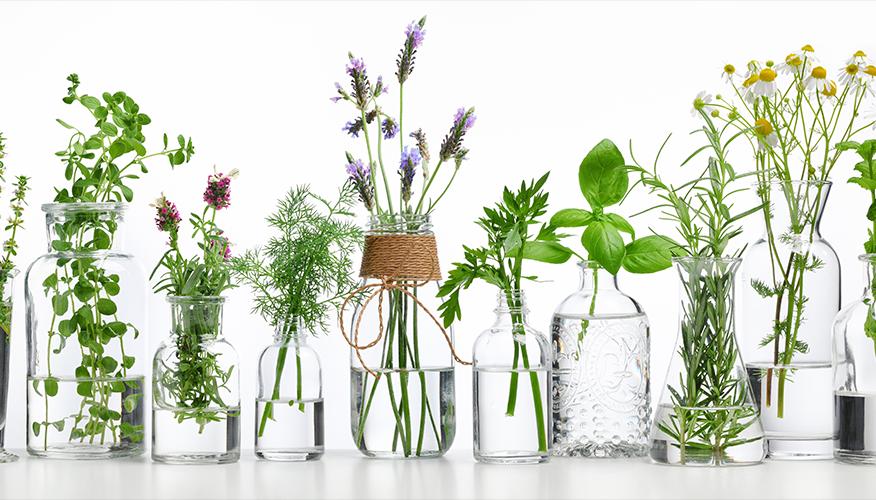
Herbs have been used for centuries to support health and wellness during pregnancy. They can offer general support to a pregnant woman’s body, helping to manage symptoms and promote overall well-being like:
- Boosting nutritional intake: Some herbs are rich in vitamins and minerals, supplementing a pregnant woman’s diet with essential nutrients.
- Reducing nausea: Herbs like ginger are well-known for their ability to alleviate morning sickness and general gastrointestinal discomfort.
- Enhancing sleep and reducing anxiety: Herbs such as chamomile can be used to promote relaxation, improve sleep quality, and reduce anxiety levels.
- Supporting uterine health: Raspberry leaf is traditionally used in the third trimester to tone the uterine muscles, potentially making labor smoother.
Benefits of herbs during the first trimester
The first trimester is a critical time for the development of the baby, and certain herbs can help manage early pregnancy symptoms:
- Ginger: Helps reduce nausea and vomiting, commonly known as morning sickness.
- Peppermint: Eases digestive issues and morning sickness.
- Vitamin-rich herbs: Nettle (in small amounts) can provide vitamins and minerals, supporting overall nutrition.
Benefits of herbs during the second trimester
During the second trimester, as the discomforts of early pregnancy wane, the focus shifts to maintaining a healthy pregnancy:
- Red raspberry leaf: Some midwives recommend starting red raspberry leaf tea in the second trimester to strengthen the uterus.
- Dandelion: Rich in vitamin A, calcium, and iron, dandelion can support liver health and help with mild edema by increasing urine production.
Benefits of herbs during the third trimester
In the third trimester, the emphasis is on preparing for labor and continuing to support the body’s increased demands:
- Red raspberry leaf: Continued use can tone the uterus, potentially leading to a more efficient labor.
- Garlic and Echinacea: May boost the immune system, which can be helpful as the body prepares for labor and delivery.
Best herbs for pregnancy

Using herbs during pregnancy can offer various benefits, but it's crucial to focus on those with a strong safety profile and evidence of efficacy.
Below are some of the best herbs considered safe and beneficial for use during pregnancy, when used under the guidance of a healthcare provider:
Indian Tulsi (Basil)
- Stress relief: Tulsi is known for its adaptogenic properties, helping the body manage stress.
- Immune support: It has powerful antibacterial, antiviral, and antifungal properties, which can help boost the immune system.
- Anti-inflammatory: Tulsi can reduce inflammation and promote general health.
Mint
- Digestive aid: Mint helps soothe the digestive system, reducing nausea, gas, and bloating.
- Respiratory health: It can relieve symptoms of respiratory issues like congestion and colds.
- Energy boost: The refreshing aroma and taste of mint can provide a natural energy boost.
Lavender
- Relaxation: Lavender is renowned for its calming effects, helping to reduce anxiety and promote relaxation.
- Sleep aid: It can improve sleep quality by easing insomnia and promoting restful sleep.
- Pain relief: Lavender has mild analgesic properties that can help reduce headaches and muscle pain.
Turmeric
- Anti-inflammatory: Turmeric is a potent anti-inflammatory, helping to reduce swelling and pain.
- Antioxidant: It has strong antioxidant properties that protect cells from damage.
- Digestive health: Turmeric supports healthy digestion and can help alleviate gastrointestinal issues.
Moringa
- Nutrient-dense: Moringa is rich in vitamins and minerals, including iron, calcium, and vitamin C.
- Energy boost: Its nutrient profile helps to boost energy levels and combat fatigue.
- Anti-inflammatory: Moringa has anti-inflammatory properties that support overall health.

Ginger
- Nausea relief: Ginger is highly effective in reducing nausea and vomiting, especially morning sickness.
- Digestive aid: It promotes healthy digestion and can alleviate indigestion and bloating.
- Anti-inflammatory: Ginger helps reduce inflammation and pain.
Red Raspberry Leaf
- Uterine tonic: It strengthens and tones the uterine muscles, potentially aiding in labor preparation.
- Rich in nutrients: Red raspberry leaf is high in vitamins and minerals, such as vitamin C, E, and magnesium.
- Digestive health: It supports digestive health and alleviates gastrointestinal discomfort.
Dandelion
- Detoxification: Dandelion supports liver function and detoxification.
- Digestive aid: It promotes healthy digestion and alleviates bloating and gas.
- Diuretic: Dandelion can help reduce water retention and swelling.
Chamomile
- Relaxation: Chamomile promotes relaxation and reduces anxiety.
- Sleep aid: It helps improve sleep quality by easing insomnia.
- Digestive health: Chamomile soothes the digestive system and can relieve indigestion.
Oat Straw
- Nutrient-rich: Oat straw is high in vitamins and minerals, including calcium and magnesium.
- Nervous system support: It supports the nervous system, helping to reduce stress and anxiety.
- Energy boost: Oat straw can enhance energy levels and combat fatigue.
Nettle
- Rich in nutrients: Nettle is packed with vitamins and minerals, including iron, calcium, and vitamin K.
- Blood health: It supports healthy blood circulation and can help prevent anemia.
- Anti-inflammatory: Nettle has anti-inflammatory properties that promote general health.
Garlic
- Immune support: Garlic has strong antibacterial and antiviral properties, boosting the immune system.
- Heart health: It helps maintain healthy blood pressure and cholesterol levels.
- Anti-inflammatory: Garlic reduces inflammation and supports overall health.
Echinacea
- Immune boost: Echinacea is known for its ability to strengthen the immune system and fight off infections.
- Anti-inflammatory: It reduces inflammation and can help alleviate symptoms of colds and flu.
- Antioxidant: Echinacea has antioxidant properties that protect cells from damage.
Herbs to avoid during pregnancy
When considering the use of herbs during pregnancy, it's crucial to approach with caution as not all herbs are safe.
Here are some herbs that are generally advised to be avoided during pregnancy due to their potential risks:
- Saw palmetto: Known for its hormonal activity, which may be harmful during pregnancy.
- Goldenseal: May cross the placenta and affect fetal development.
- Dong quai: Known for its uterine stimulant and relaxant effects, which can be risky.
- Ephedra: Associated with significant health risks and is advised against during pregnancy.
- Yohimbe: Known to induce uterine contractions.
- Pennyroyal: Highly toxic and can cause serious complications, including potential abortifacient effects.
- Blue Cohosh: A uterine stimulant that can induce labor and is unsafe before term.
- Black Cohosh: Should only be used if at term under professional guidance due to its effects on the uterus.
Safety tips for using herbs while pregnant
Here are some safety tips for using herbs while pregnant:
- Consult healthcare providers: Before using any herbs, consult with your healthcare provider. They can provide guidance based on your health history and specific pregnancy needs.
- Avoid high-risk herbs: Some herbs are known to be risky during pregnancy because they might stimulate uterine contractions or affect the fetus in other ways.
- Use culinary herbs with caution: While culinary herbs are generally safe when used in food amounts, medicinal quantities might pose risks. Herbs such as rosemary, sage, and others should be used cautiously.
- Be aware of allergic reactions: If you have a history of allergies, particularly to plants, be mindful that you could react to herbs as well.
- Avoid herbal supplements in the first trimester: Unless advised by a healthcare provider, it’s often recommended to avoid herbal supplements during this time.
Monitor for side effects: If you choose to use herbs, monitor your body’s response closely and report any unusual symptoms or side effects to your healthcare provider immediately.
FENZA
Conclusion
As you navigate through your pregnancy, it's important to approach the use of herbal remedies with care and informed judgment.
Herbs, while natural, are not automatically safe for pregnancy and can have profound effects on your health and that of your baby.
While some herbs like ginger and peppermint have been shown to safely alleviate certain pregnancy symptoms, others pose significant risks and should be avoided. The decision to use herbs during pregnancy should always be guided by professional advice.
Meet our expert

Meet our expert
Dr Jatin Bhide is an Ayurvedic doctor with over 16 years of enriching experience in Marketing and Strategy across OTC/FMHG, herbal medicine and Nutraceuticals (Europe) industries. He did his Bachelor of Ayurvedic Medicine and Surgery (BAMS) from Mumbai University, before moving on to do a Post Graduate Diploma in Pharmaceuticals and Healthcare Management.



How was the experience with article?
We'd love to know!