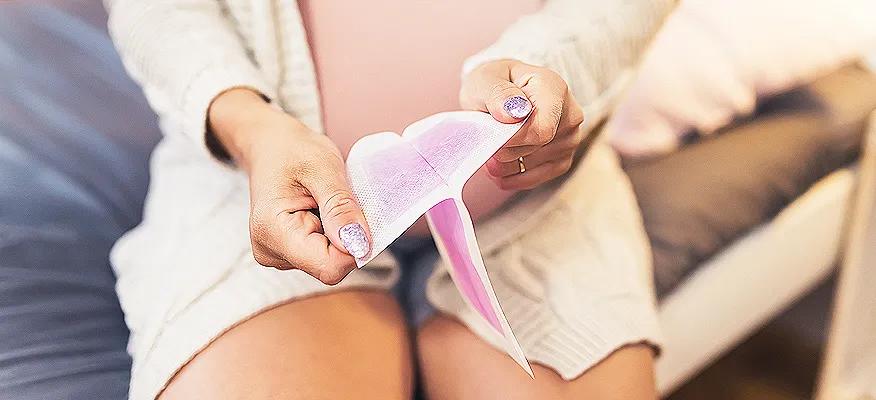
Pregnancy brings all kinds of changes, including unexpected hair in places you didn’t expect. If shaving is starting to feel like a full-body workout, you might be wondering: Can I wax instead?
The answer is yes, but with the right precautions. Waxing during pregnancy is usually safe, especially when done by a trained professional.
Is waxing safe during pregnancy?
The short answer is yes! Waxing during pregnancy is generally safe for most women, especially those with low-risk pregnancies. There's no scientific evidence linking waxing to miscarriage or any direct harm to your unborn baby.
However, your body goes through significant changes during pregnancy that can affect your waxing experience. Hormonal fluctuations and increased blood circulation make your skin more sensitive than usual, which means you might experience:
- More intense pain during the procedure
- Increased redness or swelling afterward
- Longer healing time
The key is practicing good hygiene and avoiding waxing over problem areas. Never wax over broken skin, rashes, infections, or varicose veins, as these can increase your risk of irritation or infection.
If you have a high-risk pregnancy, skin disorders, or other medical conditions, it's always best to check with your healthcare provider before booking that appointment.
Why does hair growth increase during pregnancy
Ever wondered why you're suddenly sprouting hair in unexpected places? Blame it on your hormones; specifically, the increased estrogen and androgen levels coursing through your body.
These hormonal changes don't just affect the hair on your head (which often becomes thicker and more lustrous). They also stimulate hair growth on your face, abdomen, and other parts of your body.
Your enhanced blood circulation during pregnancy also plays a role. Better blood flow means more nutrients reach your hair follicles, promoting even more growth. However, these changes are typically temporary.
Most women notice hair shedding after childbirth as hormone levels return to normal.
Benefits of waxing during pregnancy
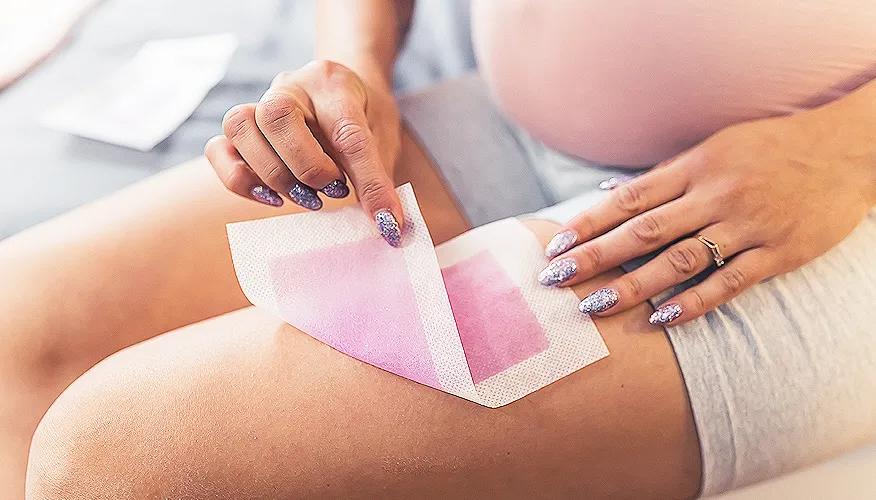
When done safely, waxing while pregnant offers several advantages that make it an attractive option for many expectant mothers.
- Long-lasting results and convenience:
- Results typically last 3-6 weeks, which is much longer than that for shaving
- Reduces the need for daily grooming routines
- Perfect for hard-to-reach areas as your belly grows
- Less frequent maintenance means more time for other pregnancy priorities
- Skin health benefits:
- Smoother skin texture as waxing exfoliates dead skin cells
- Reduces the risk of razor bumps and ingrown hairs
- Eliminates the risk of nicks and cuts from shaving, especially as your belly grows
- It can be less irritating than shaving for women prone to razor burn
- Minimizes dark shadow or stubble after hair removal
- Safety and hygiene advantages:
- No harsh chemicals involved, unlike some hair removal creams
- A hygienic option before delivery, avoiding potential bacteria from razor cuts
- Repeated treatments slow down hair regrowth over time
- Safe for most body areas when performed correctly
- Comfort and confidence factors:
- Boosts confidence and supports self-care during pregnancy
- Helps some women feel cleaner and more comfortable, especially in hot climates
- Suitable for hard-to-reach areas as your body changes
- Can be customized for sensitive skin with hypoallergenic products
- Available at most salons with prenatal waxing experience
- Can be adapted to your comfort level and trimester
- Supports personal hygiene preferences during labor preparation
Types of waxing during pregnancy
Not all waxing methods are optimal when you're expecting. Understanding your options helps you choose the most comfortable approach for your changing body.
- Strip waxing (soft wax): This traditional method uses cloth or paper strips to remove wax and hair. It's ideal for larger areas like legs and arms, but can be more aggressive on sensitive skin.
- Hard wax (stripless): Applied directly to the skin and peeled off without strips, hard wax is often gentler on sensitive areas like the bikini line, underarms, and face. Many pregnant women find this more comfortable.
- Brazilian wax: When considering if you can get a Brazilian wax while pregnant, the answer is generally yes, but extra care is needed. Many salons offer specialized prenatal Brazilian waxing services, using gentler techniques and positioning to accommodate your growing belly and increased sensitivity.
- Sugaring: This natural alternative uses a paste made from sugar, water, and lemon. It's considered gentler than traditional wax and less likely to irritate sensitive pregnancy skin.
- Threading and tweezing: Perfect for small, precise areas like eyebrows or upper lip hair. These methods are safe throughout pregnancy and don't involve any chemicals.
Remember to avoid waxing over varicose veins, inflamed or broken skin, and any lesions or unusual marks that have appeared during pregnancy.
Things to consider before waxing while pregnant
Before waxing during pregnancy, there are several pregnancy-specific factors to keep in mind that can affect your experience.
Increased skin sensitivity
Your skin is likely more sensitive now than before pregnancy. Hormonal changes and increased blood flow can make you more prone to irritation, swelling, or even bruising. What felt manageable before might be pretty uncomfortable now.
Risk of hyperpigmentation
Pregnant women are more susceptible to melasma (dark patches). Waxing over affected areas might make this condition worse, so discuss any skin changes with your esthetician.
Hygiene and professional standards
This becomes even more critical during pregnancy. Ensure your chosen salon uses disposable applicators, maintains strict cleanliness standards, and follows proper sanitation protocols to reduce the risk of infection.
Timing considerations
The second trimester is often the sweet spot for waxing. Morning sickness has usually subsided, but you're still mobile and comfortable. Avoid waxing in the last four weeks of pregnancy, especially the bikini area, to reduce infection risk near labor.
Tips for safe waxing during pregnancy
Making your waxing experience as safe and comfortable as possible requires some extra preparation and communication.
- Before your appointment:
- Inform your esthetician that you're pregnant so they can adapt their approach.
- Do a patch test if you're trying a new wax product.
- Moisturize your skin and avoid sun exposure beforehand.
- During the session:
- Communicate any discomfort immediately.
- Ask for gentler products if you're feeling sensitive.
- Don't hesitate to request position changes for comfort.
- Stay hydrated and speak up if you feel dizzy or unwell.
- Choose the right professional:
- Book with reputable salons that have experience with pregnant clients.
- Look for technicians who understand pregnancy-related skin changes.
- Ensure they use high-quality, hypoallergenic products.
When to avoid waxing during pregnancy
While waxing is generally safe, there are specific situations where you should skip your appointment and consider alternatives.
- Skin conditions and complications:
- Any rashes, open wounds, or skin infections in the area
- Active varicose veins where you want to wax
- When diagnosed with melasma or severe hyperpigmentation
- Unusual moles, skin tags, or new growths
- Medical considerations:
- High-risk pregnancy or complications
- Recent diagnosis of gestational diabetes
- Blood clotting disorders
- If you're taking blood-thinning medications
- Timing restrictions:
- The last four weeks of pregnancy, particularly for bikini area waxing
- If you're experiencing Braxton Hicks contractions
- During periods of severe morning sickness or fatigue
Side effects of waxing during pregnancy
Understanding potential side effects helps you prepare and know what's normal versus when to seek help.
- Common and expected reactions:
- Increased pain and sensitivity during the procedure
- Redness and mild swelling that typically resolves within a few hours
- Temporary skin irritation or tenderness
- Less common but possible issues:
- Mild bleeding or bruising, especially on sensitive areas
- Allergic reactions to wax ingredients
- Burns if the wax temperature isn't properly controlled
- Worsening of existing hyperpigmentation
- When to seek medical attention:
- Contact your healthcare provider if you experience persistent redness, swelling, pus, fever, or any signs of infection after waxing.
- While rare, infections can be more serious during pregnancy.
Alternatives to waxing during pregnancy
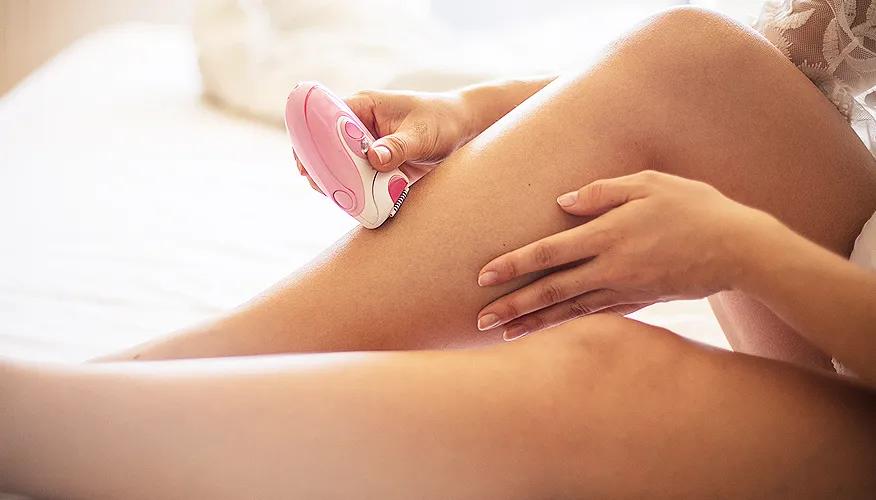
If waxing doesn't feel right for you, several other hair removal methods remain safe during pregnancy.
- Shaving: Still the most common choice, though it may require assistance as your pregnancy progresses. Use a sharp, clean razor and moisturize well afterward.
- Sugaring: Often gentler than traditional wax, using only natural ingredients. Many women find this more comfortable during pregnancy.
- Threading and tweezing: Excellent for facial hair and small areas. No chemicals involved, and you can do touch-ups at home.
- Depilatory creams: Use these with extreme caution and only with your doctor's approval. The chemicals can be more irritating during pregnancy and may be absorbed through the skin.
Post-waxing care tips for pregnant women
Proper aftercare becomes even more critical when you're expecting, as your skin needs extra love and care to heal properly.
- Immediate care (first 24 hours):
- Apply gentle, fragrance-free moisturizer or aloe vera gel.
- Avoid tight clothing that might rub against waxed areas.
- Skip hot showers, saunas, or heated pools.
- Keep the area clean and dry.
- Ongoing care:
- Use mild, unscented soaps for the first few days.
- Avoid harsh scrubs or exfoliants initially.
- Wear breathable, loose-fitting clothing.
- Stay hydrated to help your skin heal.
- Watch for warning signs:
- If you notice persistent redness, increasing pain, pus, or any signs of infection, contact your healthcare provider immediately.
- During pregnancy, it's always better to be cautious about potential complications.
Conclusion
Waxing during pregnancy can be a safe and effective hair removal option when approached thoughtfully. While your skin may be more sensitive and the experience might be more uncomfortable than usual, there's no evidence that proper waxing harms you or your baby. The key is choosing experienced professionals, maintaining excellent hygiene standards, and listening to your body throughout the process.
Remember that every pregnancy is unique. What works for your friend might not be right for you, and that's perfectly okay. Whether you choose waxing, stick with shaving, or try natural alternatives like sugaring, the most important thing is feeling comfortable and confident in your choice.
Always consult with your healthcare provider if you have concerns, especially if you have a high-risk pregnancy or existing skin conditions. They can provide personalized guidance based on your specific situation and help you make the best decision for both you and your growing baby.
Meet our expert

Meet our expert
She holds a Bachelor of Nutrition & Community Health with Distinction from Universiti Putra Malaysia and has been a dedicated healthcare professional since 2014. As the Customer Care Manager, she leads a team of skilled dietitians and nutritionists, committed to serving the community.



How was the experience with article?
We'd love to know!