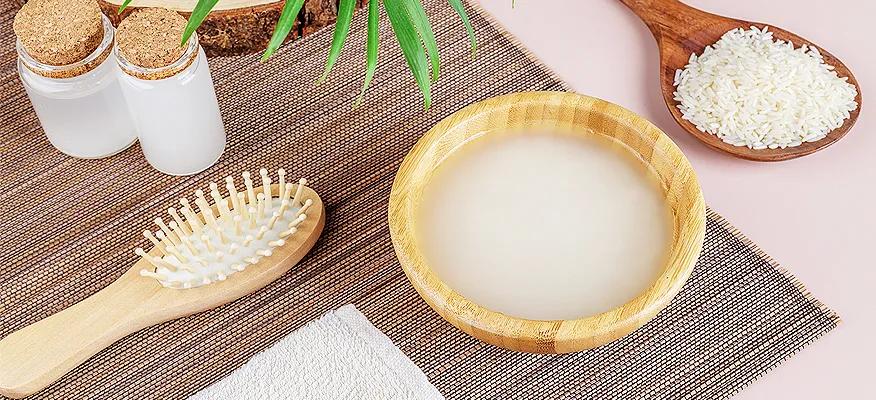
When your grandmother told you to save that cloudy water after washing rice, you probably thought she was being overly frugal. But turns out, she was onto something incredible. Rice water has been a beauty secret across Asian cultures for centuries, and modern science is finally catching up to what our ancestors knew all along.
The benefits of rice water for skin are backed by real compounds that can transform your skincare routine naturally and affordably.
What is rice water?
Rice water is simply the starchy liquid that remains after rinsing, soaking, or boiling rice. Think of it as the nutrient-rich essence that gets released when rice meets water. This cloudy, milky liquid is packed with bioactive compounds, including vitamins, minerals, antioxidants, and amino acids.
What makes rice water special is the powerhouse of skin-loving nutrients it contains. From vitamin E to amino acids, this humble kitchen byproduct carries everything your skin craves for repair, protection, and rejuvenation.
The best part? You can easily prepare it at home using regular rice from your pantry, making it one of the most accessible skincare ingredients available.
Is rice water good for the face?
Rice water is considered one of the gentlest and safest skincare ingredients for most skin types, with minimal risk of adverse reactions.
This makes it particularly valuable for those with sensitive skin who often struggle to find products that don't cause irritation or breakouts. The natural compounds in rice water work harmoniously with your skin's biology rather than fighting against it.
Rice water's gentle nature doesn't mean it's weak; emerging scientific evidence shows it contains substances that actively benefit skin repair and protection. The antioxidants and hydrating agents naturally present in rice water can help address various skin concerns without the harsh side effects often associated with synthetic alternatives.
Top benefits of rice water for skin
The benefits of rice water for the skin extend far beyond basic hydration. Here's what this simple ingredient can do for your complexion:
Brightens the complexion
Rice water helps reduce dullness and adds a natural glow to your skin. Its enzymes and nutrients work together to improve overall skin tone while helping to reduce dark patches that can make your complexion appear uneven.
Reduces hyperpigmentation and dark spots
Regular use of rice water can help fade acne scars, sun spots, and other pigmentation issues. Research suggests that compounds in rice water can help regulate melanin synthesis, supporting a more even skin tone over time through its mild exfoliating and brightening properties.
Soothes inflammation and irritation
The anti-inflammatory effects of rice water make it excellent for calming red, irritated, or inflamed skin. This is especially beneficial for those with sensitive skin, acne-prone skin, or conditions like eczema, where gentle soothing is essential.
Tightens pores
Rice water acts as a natural astringent, helping to tighten skin and reduce the appearance of large pores. This gives your skin a smoother, more refined texture without the drying effects of harsh chemical toners.
Anti-aging properties
The antioxidants in rice water, particularly inositol, help fight free radicals and slow down skin aging. Studies indicate that rice water can inhibit elastase, an enzyme responsible for skin aging, potentially reducing the appearance of fine lines and maintaining skin elasticity.
Improves skin barrier function
Rice water contains compounds like ceramides that help strengthen your skin's natural barrier. This prevents moisture loss and keeps your skin hydrated and healthy while protecting against environmental irritants.
Controls excess oil
For those with oily and combination skin, rice water helps balance oil production naturally. It keeps your skin matte and fresh without over-drying, which can actually trigger more oil production.
Treats sunburn and tanning
The cooling and healing properties of rice water can provide relief for sunburn and may help address sun damage and tanning. Its soothing compounds offer gentle relief for heat-damaged skin.
Promotes skin healing
The amino acids and minerals in rice water help accelerate your skin's natural healing process for minor cuts, acne lesions, or areas of irritation, supporting faster recovery and reduced scarring.
How to make rice water
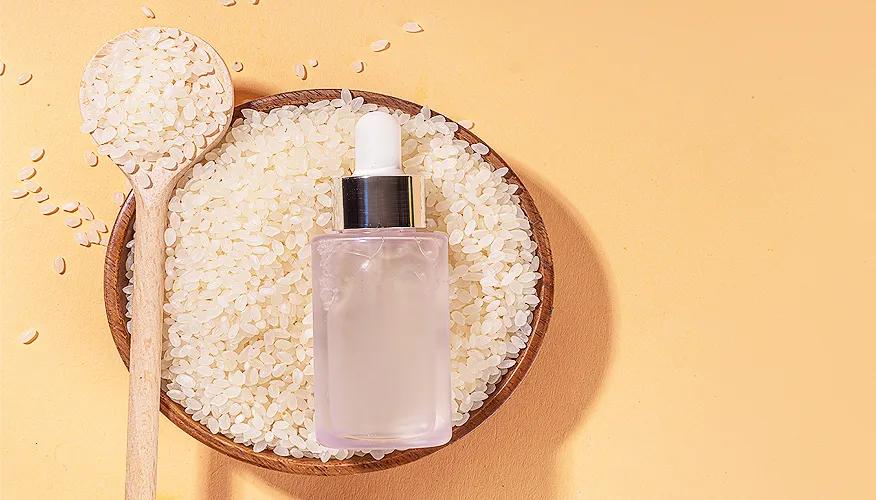
Creating rice water at home is incredibly simple, and you have three effective methods to choose from:
Soaking method (quick & easy)
This is the most straightforward approach for beginners:
- Rinse ½ cup of uncooked rice to remove any impurities.
- Soak the rice in 2–3 cups of clean water for 30 minutes.
- Strain the water and store the cloudy liquid in a clean container.
- The rice can still be cooked and eaten afterward.
Boiling method
For a more concentrated version:
- Boil rice with extra water (about twice the normal amount).
- Strain the starchy water after it cools completely.
- Dilute before use if the consistency seems too thick.
Fermented rice water (more potent)
This method enhances the beneficial properties:
- Follow the soaking method described above.
- Let the strained rice water sit at room temperature for 24–48 hours until it develops a slightly sour smell.
- Store in the refrigerator and dilute before use.
- Fermented rice water can be more potent due to enhanced antioxidant and skin-soothing properties.
How to use rice water for the face
Understanding how to use rice water for your face treatments properly ensures you get maximum benefits while avoiding any potential issues.
- Face wash replacement: Use rice water as a gentle cleanser by splashing it over your face after your regular cleansing routine, or apply it with a soaked cotton pad as a natural toner.
- Timing matters: Rice water works well both morning and evening. Morning use can provide antioxidant protection for the day ahead, while evening application supports overnight skin repair.
- Application technique: Always apply rice water to clean skin for better absorption. Gently pat or press it into your skin rather than rubbing vigorously.
- Storage and freshness: Store your rice water in the refrigerator and use it within 3–5 days to prevent spoilage. Fresh rice water is always more effective and safer than old, potentially contaminated batches.
Ways to use rice water on skin
The versatility of rice water for skin care allows for multiple application methods:
- Daily toner: Apply with a cotton pad after cleansing to balance and prepare your skin
- DIY sheet mask base: Soak cotton pads or cloth in rice water for an instant hydrating mask
- Facial pack ingredient: Mix with natural clays, sandalwood powder, or honey for targeted treatments
- Herbal combinations: Blend with turmeric or other beneficial powders for enhanced effects
- Gentle cleanser: Use as a mild alternative cleanser for sensitive or irritated skin
- Refreshing mist: Pour into a spray bottle for on-the-go hydration throughout the day
- Bath additive: Add rice water to your bathwater for overall skin soothing and hydration.
Precautions when using rice water
While rice water is generally safe, following these precautions ensures the best experience:
- Patch testing: Always test rice water on a small area of skin first, especially if you have sensitive skin or known allergies.
- Watch for reactions: Discontinue use immediately if you experience redness, itchiness, or any discomfort. While rare, some people may be sensitive to rice proteins.
- Fermentation caution: Fermented rice water can be more potent, so start with shorter contact times and always dilute before use.
- Storage safety: Never use rice water that smells off, appears contaminated, or has been stored improperly. When in doubt, make a fresh batch.
- Allergy awareness: If you have a known rice allergy, avoid using rice water on your skin entirely.
- Quality control: Use clean utensils and containers when preparing and storing rice water to prevent bacterial contamination.
DIY rice water skincare recipes
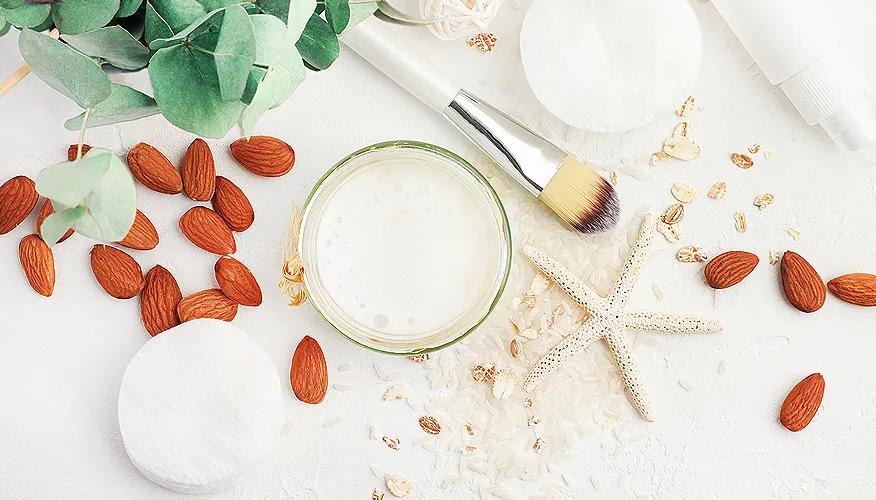
These simple recipes help you maximize the rice benefits for skin through targeted treatments:
Basic rice water toner
This one is perfect for daily maintenance and pore tightening.
- Prepare rice water using the soaking method.
- Strain and pour into a clean bottle.
- Refrigerate and use daily with a cotton pad.
Hydrating face mask
Use this if you have dry or dehydrated skin.
- Combine 2 tablespoons of rice water with 1 tablespoon of natural clay.
- Add 1 teaspoon of honey for extra moisture.
- Apply evenly, leave for 10–15 minutes, then rinse.
Rice water and sandalwood acne pack
Research shows this combination can be particularly effective for acne and scarring.
- Mix equal parts rice water and sandalwood powder to form a smooth paste.
- Apply to affected areas and leave for 10–15 minutes.
- Rinse thoroughly with lukewarm water.
- Use 2–3 times per week for best results.
Refreshing rice water mist
This one is great for hot weather or air-conditioned environments.
- Strain fresh rice water and pour it into a clean spray bottle.
- Store in the refrigerator for a cooling effect.
- Spritz on face whenever your skin needs a hydration boost.
Conclusion
The benefits of rice water for skin are both timeless and practical, making this humble kitchen staple a powerful ally in your beauty routine. From brightening dull complexions to soothing irritation and even supporting anti-aging, rice water proves that sometimes the most effective solutions come from nature’s simplest resources.
What makes rice water especially appealing is its accessibility. With just a handful of rice and some water, you can create a skincare ingredient that’s affordable, gentle, and versatile enough for daily use. Whether you prefer it as a toner, face mask, or refreshing mist, incorporating rice water into your routine is an easy step toward healthier, glowing skin.
As with any natural remedy, consistency and care matter most. Listen to your skin, use fresh batches, and enjoy the process of nurturing yourself with a tradition that has stood the test of time. By making rice water part of your beauty habits, you’re tapping into an age-old secret that blends simplicity with powerful results.
Meet our expert

Meet our expert
In her role as the Product Consultant Manager at Mega BiO-LiFE, Jillian Lai Mei Siew is instrumental in fostering a cohesive team spirit among all Product Consultants. Her primary objective is to ensure that each consultant is equipped with accurate and relevant health and nutritional information to better serve clients.


How was the experience with article?
We'd love to know!