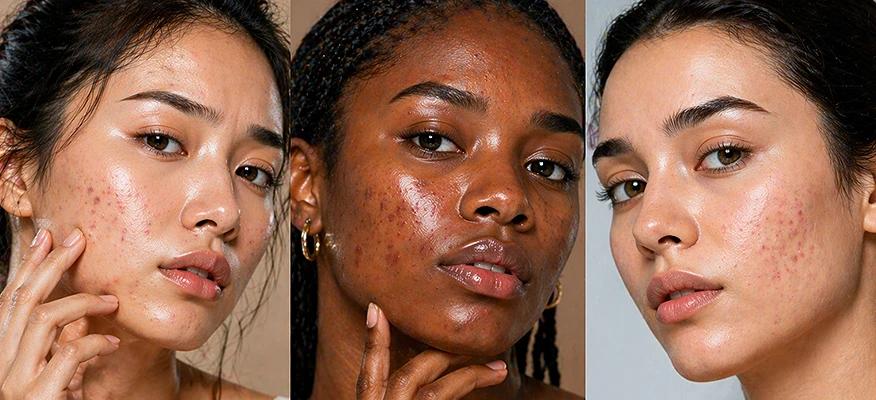
If you’ve ever looked in the mirror and felt frustrated by breakouts, you’re not alone — and you’re definitely not the only one searching for answers.
Acne is one of the most common skin conditions in the world, and it hits close to home for people across Southeast Asia and Africa.
Globally, about 1 in every 5 people has acne — a worldwide prevalence of 20.5%. But in our regions, the numbers are even higher. And it's not slowing down: acne prevalence in Western Sub-Saharan Africa has surged by over 212% in recent decades, and South East Asia has seen a rise of over 91%.
Yet despite how common acne is, it remains one of the most misunderstood skin conditions — surrounded by myths, home remedies passed down through generations, and a flood of products that promise everything but deliver little.
So, what actually causes acne? Why does it affect some people more than others? And most importantly, what treatments actually work — especially for darker skin tones common across our communities?
This guide answers all of that. Whether you’re a teenager dealing with your first breakout, an adult frustrated that acne followed you past your twenties, or a parent trying to help your child, this is the one resource you need.
What is acne?
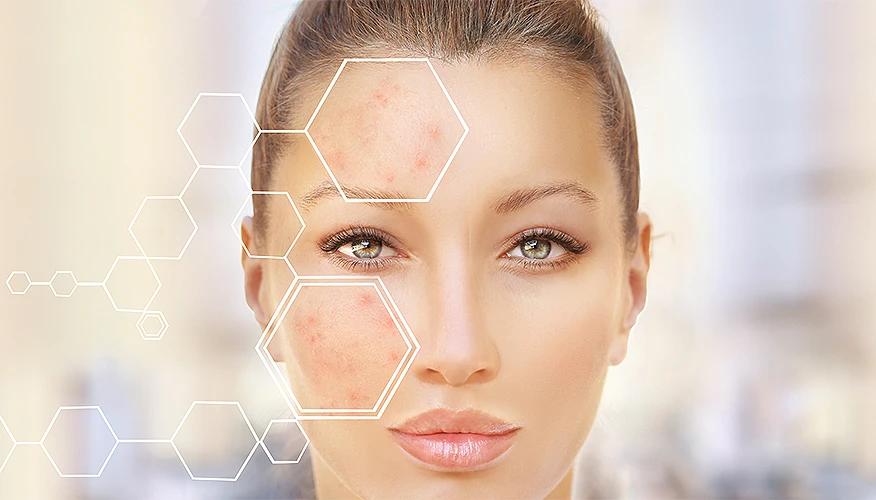
Acne is your skin's way of telling you that something's gone wrong in the tiny hair follicles scattered across your face, chest, and back. Think of each follicle as a small tunnel that houses a hair and connects to an oil gland beneath your skin.
When everything works properly, oil (sebum) travels up through the follicle to moisturize your skin naturally. But sometimes, this system gets clogged. Dead skin cells that should shed normally instead stick together with excess oil, creating a plug. Add bacteria called Cutibacterium acnes into this blocked environment, and you've got the perfect recipe for those red, inflamed bumps we call pimples.
The acne meaning goes beyond just "bad skin"; it's actually a complex interaction among your hormones, genetics, and environment. For many women, especially those with darker skin tones common in urban areas across Asia and Africa, acne often comes with an added challenge: a higher risk of scarring and dark spots that can last long after the original pimple heals.
Types of acne
Understanding the different types of acne can help you choose the right treatment approach and know when it's time to seek professional help.
- Non-inflammatory acne:
- Blackheads (open comedones): Those dark spots aren't dirt; they're clogged pores where the plug has oxidized and turned dark when exposed to air.
- Whiteheads (closed comedones): Small, flesh-colored bumps where the pore stays closed over the clog.
- Inflammatory acne:
- Papules: Small, red, tender bumps without a visible head
- Pustules: Red bumps with white or yellow centers filled with pus
- Nodules: Large, painful lumps deep under the skin
- Cysts: Deep, painful, pus-filled lumps that can cause permanent scarring
Women with darker skin types often experience more inflammatory forms of acne, which unfortunately increases the likelihood of developing acne scars and post-inflammatory hyperpigmentation (PIH), dark marks that linger long after the pimple itself heals.
Causes of acne
Four main factors work together to create the perfect storm for breakouts:
- Excess oil production: Your sebaceous glands can go into overdrive, especially during hormonal fluctuations. This is why many women notice their skin getting oilier during certain times of their menstrual cycle.
- Clogged pores: Dead skin cells that should naturally shed can stick together with that excess oil, creating a blockage in your hair follicles.
- Bacterial growth: Cutibacterium acnes bacteria thrive in this oxygen-free environment, multiplying rapidly and causing inflammation.
- Inflammation: Your immune system responds to the bacterial overgrowth, creating the redness, swelling, and pain associated with inflammatory acne.
For many urban women, additional factors like humidity, pollution, and stress can make these underlying causes worse. Diet and acne connections are also becoming clearer, with high-sugar and high-dairy diets potentially triggering hormonal responses that worsen breakouts.
Who does acne affect?
While teenagers often get the spotlight when it comes to acne discussions, the reality is quite different. Adult acne, particularly in women aged 25-45, is incredibly common and often more stubborn than teenage breakouts.
Research suggests that acne affects women 1.3 times more than men globally, with many women experiencing their first serious breakouts in their mid-twenties. This adult-onset acne often follows different patterns than teenage acne, typically appearing along the jawline and chin area where hormonal fluctuations have the strongest impact.
Women living in urban areas face additional challenges. The combination of stress, pollution, humidity, and lifestyle factors common in city environments can trigger or worsen acne-prone skin.
Cultural factors also play a role. In many Asian and African communities, the pressure for flawless skin can make dealing with acne particularly emotionally challenging.
How common is acne?
The numbers might surprise you. Acne is one of the most common skin conditions worldwide, affecting up to 91% of people in some Southeast Asian studies. In urban areas of East Africa, rates can reach 90% among adolescents, with many cases persisting into adulthood.
What's particularly concerning is the rising prevalence among adult women. Studies reveal that 25% of women in their 40s still deal with acne, and for many, it's actually getting worse with age rather than better.
The statistics also reveal significant regional differences. Higher-income areas in the Asia Pacific show some of the highest rates globally. In contrast, rural areas often report lower prevalence; however, this may partly reflect differences in healthcare access and reporting rather than actual occurrence.
Symptoms of acne
The condition presents differently depending on severity and skin type, and early identification can prevent long-term complications.
Mild symptoms include:
- Occasional blackheads and whiteheads
- A few small red bumps
- Minimal inflammation
Moderate symptoms involve:
- Multiple inflammatory lesions
- Some pustules with visible pus
- Increased redness and irritation
Severe symptoms feature:
- Deep, painful nodules and cysts
- Widespread inflammation
- Risk of permanent scarring
Where on my body will I have acne?
Your acne face map tells a story about what's happening inside your body. Different areas tend to break out for different reasons, and understanding these patterns can guide your treatment approach.
- Facial acne is most common because your face has the highest concentration of oil glands. The T-zone (forehead, nose, and chin) typically sees the most action, while adult women often notice breakouts concentrated along the jawline and chin due to hormonal fluctuations.
- Body acne commonly appears on:
- Chest and upper back (where oil glands are dense)
- Shoulders (especially if you wear tight clothing or exercise frequently)
- Along the hairline (from hair products)
Acne on different skin types
Your skin type significantly influences both how acne develops and how it should be treated.
| Skin Type | Acne Characteristics | Special Considerations |
| Darker skin (Fitzpatrick IV-VI) | More inflammatory lesions, higher scarring risk (up to 87.5%) | Post-inflammatory hyperpigmentation in 65-83% of cases |
| Asian skin | More inflammatory than comedonal acne | Higher sensitivity to certain treatments |
| Oily skin | More frequent blackheads and whiteheads | Requires oil control without over-drying |
| Sensitive skin | Increased irritation from treatments | Needs gentler formulations |
The prevalence of acne is 37% among African American women, compared with 24% among Caucasian women. More importantly, darker skin types are significantly more prone to developing acne scars and persistent dark marks that can last for months or years after the original breakout heals.
Treatment for acne
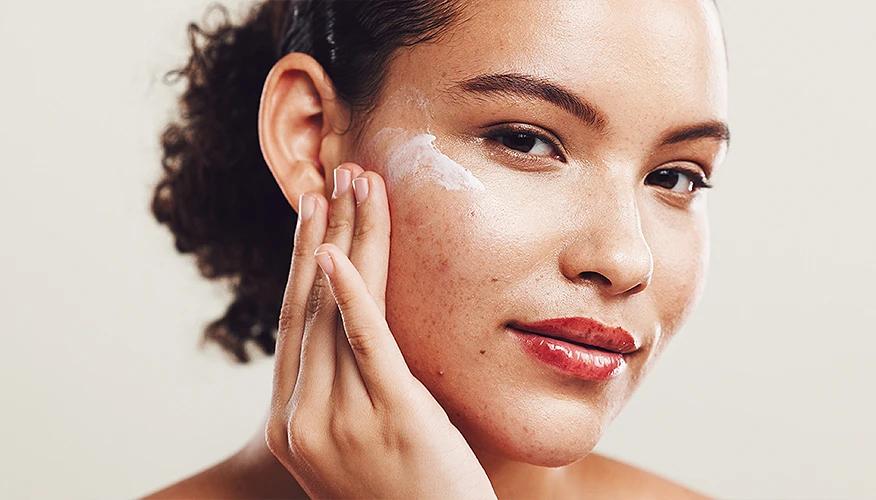
Effective acne treatment requires a tailored approach based on your skin type, acne severity, and individual circumstances. The good news is that almost all cases of acne can be successfully managed with the right combination of treatments.
Topical treatments:
- Retinoids: Help unclog pores and reduce inflammation
- Benzoyl peroxide: Kills bacteria and helps remove dead skin cells
- Salicylic acid: Helps unclog pores and reduce inflammation
- Topical antibiotics: Reduce bacteria and inflammation
Oral medications:
- Antibiotics: For moderate to severe inflammatory acne
- Hormonal therapy: Birth control pills or spironolactone for hormonal acne
- Isotretinoin: For severe, cystic acne that doesn't respond to other treatments
Professional treatments:
- Chemical peels: Help unclog pores and improve skin texture
- Light therapy: Reduces bacteria and inflammation
- Extraction procedures: Professional removal of blackheads and whiteheads
For women in resource-limited areas, early intervention is particularly crucial because the higher risk of scarring in darker skin types means that even mild acne can lead to permanent marks if left untreated.
What are the risk factors for developing acne?
Some factors you can control, while others are simply part of your genetic makeup.
Non-modifiable risk factors:
- Female gender (women are 1.3 times more likely to develop acne)
- Darker skin tone (higher risk of inflammatory acne and scarring)
- Family history of acne
- Hormonal fluctuations during menstrual cycles
Lifestyle risk factors:
- Living in urban, high-humidity environments
- High-stress lifestyle
- Diets high in sugar and processed foods
- Using comedogenic skincare or makeup products
- Frequent touching or picking at the skin
Women from Sub-Saharan Africa and East Asia face particularly elevated risks due to the combination of genetic factors, environmental conditions, and higher rates of scarring and hyperpigmentation in darker skin types.
How severe can acne get?
Acne severity ranges from mild occasional breakouts to severe, painful conditions that can significantly impact quality of life and result in permanent scarring. Understanding this spectrum helps set realistic treatment expectations and timelines.
- Mild acne involves fewer than 30 total lesions, mostly comedones with minimal inflammation. Even at this level, women with darker skin tones need to be cautious, as mild breakouts can still lead to long-term dark spots.
- Moderate acne features 30-125 lesions with a mix of comedones and inflammatory papules or pustules. This level typically requires prescription treatments for effective management.
- Severe acne involves more than 125 lesions, including painful nodules and cysts. This form carries the highest risk of permanent scarring and often requires aggressive treatment with medications like isotretinoin.
What causes acne scars is primarily the deep inflammation associated with moderate to severe acne, especially when lesions are picked or squeezed.
How is acne diagnosed?
Diagnosing acne is typically straightforward and doesn't require complex testing. A qualified dermatologist can usually identify the condition through visual examination and discussion of your symptoms and triggers.
During your consultation, your doctor will:
- Examine your skin to identify lesion types and distribution patterns
- Assess your skin type and tone
- Grade the severity of your acne
- Discuss your medical history and potential triggers
- Rule out other skin conditions that might mimic acne
Laboratory tests aren't usually necessary unless your doctor suspects underlying hormonal conditions such as polycystic ovary syndrome (PCOS) or other endocrine disorders that may be contributing to your breakouts.
For women in East Africa and Southeast Asia, dermatologists are particularly trained to recognize the higher prevalence of scarring and post-inflammatory hyperpigmentation, which influences treatment recommendations from the very beginning.
Home remedies for acne
While severe acne typically requires professional treatment, mild cases often respond well to consistent home care and gentle remedies. The key is choosing approaches that won't irritate your skin or worsen existing inflammation.
Gentle cleansing routine:
- Use a mild, non-comedogenic acne face wash twice daily
- Avoid scrubbing or harsh exfoliation
- Pat skin dry rather than rubbing
Natural ingredients that may help:
- Tea tree oil: Has antimicrobial properties (always dilute before use)
- Green tea: Can be used as a gentle toner for its anti-inflammatory effects
- Honey: Raw honey has antibacterial properties and can be used as a gentle mask
Lifestyle modifications:
- Change pillowcases frequently
- Avoid touching your face throughout the day
- Remove makeup thoroughly before bed
- Choose non-comedogenic skincare and makeup products
For women with PIH-prone skin, sun protection is crucial even with mild acne, as UV exposure can worsen dark spots and make them last longer.
How long does it take for acne to go away?
Patience is perhaps the most challenging part of any acne treatment journey. Understanding realistic timelines helps set appropriate expectations and prevents the frustration that leads many people to abandon effective treatments too early.
- Mild acne typically shows improvement within 4-8 weeks of consistent treatment. However, complete clearing may take 2-3 months.
- Moderate acne often requires 3-6 months of treatment to see significant improvement, with some cases taking up to a year for complete resolution.
- Severe acne can take 6 months to several years to fully resolve, especially when scarring is involved. The process is often slower for darker skin types due to the additional time needed for post-inflammatory hyperpigmentation to fade.
Adult female acne tends to be particularly stubborn and often persists without proper intervention. Unlike teenage acne, which may resolve naturally with time, adult acne typically requires ongoing management to maintain clear skin.
How to prevent acne
Prevention is always easier than treatment, especially when you understand your personal triggers and risk factors. A proactive approach can help minimize breakouts and prevent scarring and hyperpigmentation, which are common concerns for many women.
Daily skincare routine:
- Cleanse gently twice daily with a suitable acne face wash
- Use non-comedogenic moisturizers and sunscreen
- Introduce active ingredients gradually (retinoids, salicylic acid)
- Remove makeup thoroughly each night
Lifestyle modifications:
- Maintain a balanced diet low in processed sugars
- Manage stress through exercise, meditation, or other healthy outlets
- Get adequate sleep (7-9 hours per night)
- Stay hydrated
Environmental considerations:
Urban women in humid climates should prioritize oil control while avoiding over-drying the skin. Regular cleansing after sweating and choosing breathable fabrics can help minimize pore-clogging in high-humidity environments.
When to see a dermatologist
Knowing when to seek professional help can prevent long-term complications and save you time, money, and frustration from trying ineffective over-the-counter solutions.
Seek professional care if:
- Over-the-counter treatments haven't improved your skin after 6-8 weeks
- You're experiencing painful cysts or nodules
- Acne scars are developing
- Dark spots persist for months after breakouts heal
- Your acne is causing emotional distress or affecting your confidence
Urgent consultation needed for:
- Sudden, severe breakouts
- Signs of infection (increased redness, warmth, pus)
- Scarring that's actively forming
- Severe emotional impact affecting daily life
Early, appropriate treatment can prevent the permanent skin changes that are unfortunately common when acne goes untreated for a long time.
Conclusion
Acne affects millions of women worldwide, with particularly challenging implications for those with darker skin tones who face higher risks of scarring and hyperpigmentation. Understanding what acne is, how it forms, and the various treatment options available empowers you to take control of your skin health.
Remember that effective acne treatment is rarely a quick fix. It requires patience, consistency, and often professional guidance. Whether you're dealing with occasional breakouts or persistent adult acne, the right combination of proper skincare, lifestyle modifications, and professional treatment can help you achieve clearer, healthier skin. Don't let frustration lead you to give up too early; with the right approach, almost all cases of acne can be successfully managed.
Meet our expert

Meet our expert
Dr. Irina Borisovna Stefanenko, a medical doctor based in Ukraine, graduated from Vinnitsa State Medical University in 1995. Between 1995 and 2000, Dr. Stefanenko pursued postgraduate studies and engaged in scientific activities at Vinnytsa Medical University in Ukraine.
How was the experience with article?
We'd love to know!