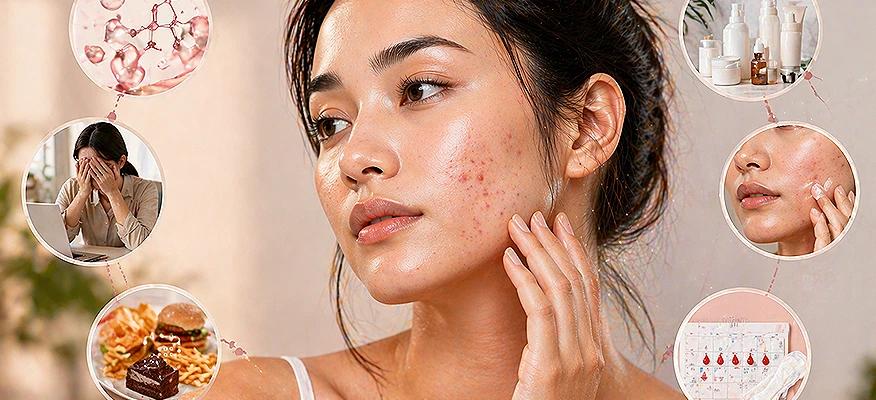
Acne doesn’t always end after your teenage years; in fact, many adults continue to deal with unexpected breakouts well into their 20s, 30s, and beyond. So, what is adult acne? Adult acne is a form of Acne vulgaris that appears or persists after the age of 25, often showing up as stubborn, recurring pimples—especially around the chin, jawline, and lower face.
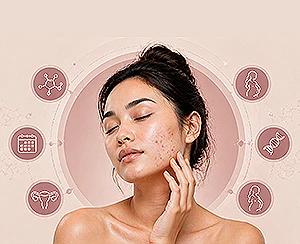
A key question most people have is: what causes adult acne? The answer lies in a mix of internal and external triggers. Hormonal fluctuations (including menstrual cycles or conditions like Polycystic Ovary Syndrome), chronic stress, diet, and even certain skincare or cosmetic products can all contribute. Guidance aligned with the American Academy of Dermatology also notes that adult acne tends to be more inflammatory, deeper, and slower to heal than teenage acne.
For many adults across Southeast Asia and Africa, this can feel particularly frustrating—especially when breakouts continue despite following a skincare routine.
In simple terms, understanding adult acne causes is the first step toward treating it effectively. Once you know what’s triggering your skin, it becomes easier to choose the right treatments and build habits that help prevent future breakouts.
What is adult acne?

Adult acne is an inflammatory skin condition that shows up as pimples, blackheads, and cysts on your face, chest, and back; but here's the catch: it either continues from your teenage years or appears for the first time after age 25.
When everything flows smoothly, you get that healthy glow. But when dead skin cells pile up, and oil gets trapped in your pores, it's like a traffic jam that creates the perfect environment for bacteria to multiply.
What makes adult acne particularly tricky is that it often behaves differently from teenage acne. While teens typically see breakouts across their T-zone (forehead, nose, and chin), adult acne loves to camp out along your jawline and lower face. This isn't a coincidence. It's often tied to hormonal fluctuations that become more pronounced as we age.
Individuals with mixed ethnicity have the highest prevalence of acne, followed by Asians. In many urban areas across Asia and Africa, dermatologists are seeing sharp increases in adult acne cases, especially among working women aged 25-45. Men also show notable increases, particularly in certain regions like East Asia. The combination of stress, pollution, and lifestyle changes in these rapidly developing regions creates a perfect storm for persistent breakouts.
Common causes of adult acne
Let's break down the main culprits behind those unwelcome visitors on your skin.
- Oil overproduction happens when your sebaceous glands go into overdrive, often triggered by hormonal changes or stress. In humid climates common across Southeast Asia, this excess oil becomes even more problematic as it mixes with sweat and environmental pollutants.
- Clogged pores occur when dead skin cells don't shed properly and instead stick together, blocking your hair follicles. It's like trying to drink through a straw that's partially blocked—things back up quickly.
- Bacterial overgrowth follows naturally. When oil and dead skin create a cozy, oxygen-free environment, Propionibacterium acnes bacteria multiply rapidly, leading to inflammation and those angry red bumps.
- Environmental factors play a bigger role than many realize. Urban pollution, high humidity, and even the blue light from our screens can trigger inflammatory responses in sensitive skin. Women living in major cities often notice their skin acting up more during high-pollution days.
- Lifestyle triggers include:
- Touching your face frequently (we all do it more than we realize)
- Using heavy, pore-clogging skincare products
- Wearing tight clothing or masks that trap sweat and bacteria
- Not changing pillowcases regularly
Signs and symptoms of adult acne
Adult acne doesn't always announce itself the same way teenage acne does. Here's what to watch for:
- Location matters. While teenage acne typically spreads across the forehead and nose, adult acne prefers the lower half of your face—think jawline, chin, and around your mouth. This pattern often points to hormonal influences.
- Texture differences are notable, too. Adult breakouts tend to be deeper, more inflamed, and often feel tender to touch. Instead of the surface-level whiteheads you might remember from your teens, you're dealing with painful bumps that seem to lurk beneath the skin.
- Persistent dark spots become a bigger concern with adult acne. Women with darker skin tones, particularly common in East African and South Asian populations, often struggle with post-inflammatory hyperpigmentation that can last months after the original pimple heals.
- Timing patterns can offer clues. Many women notice their breakouts follow a monthly cycle, appearing about a week before their period and gradually clearing afterward. This cyclical pattern is a strong indicator of hormonal adult acne.
- Pain levels tend to be higher with adult acne. Those deep, cystic bumps can be genuinely painful, affecting your confidence and comfort throughout the day.
Types of adult acne
Understanding which type you're dealing with helps determine the best treatment approach.
- Comedonal acne consists mainly of blackheads and whiteheads. These are the "quieter" types - not inflamed or painful, but persistent and often covering large areas of your face. Think of them as traffic jams in your pores that haven't turned into full-blown accidents yet.
- Inflammatory acne includes those red, tender papules and pustules that seem to appear overnight. These are your body's immune response to bacteria and blocked pores, creating the classic "angry" pimple that's tempting to squeeze (but please don't!).
- Adult cystic acne represents the most severe form, with deep, painful nodules that can take weeks to resolve. These often leave scars and are particularly common along the jawline in women. Cystic acne requires professional treatment; home remedies simply aren't strong enough to address the deep inflammation involved.
- Combination acne affects many adults, where you might have blackheads on your nose but cystic bumps along your jaw. This mixed presentation reflects the complex interplay of hormones, lifestyle, and genetics that characterize adult skin.
Adult acne on the body
Your face isn't the only area that can rebel against you. Body acne affects the chest, back, and shoulders, creating challenges that go beyond skincare routines.
- Back acne (often called "bacne") thrives in areas where sweat and friction meet. In tropical climates across Southeast Asia and parts of Africa, the combination of heat, humidity, and tight clothing creates ideal conditions for bacterial overgrowth.
- Chest acne often correlates with hormonal changes and can be particularly stubborn. The skin here is thicker than facial skin but also more prone to scarring, making early treatment crucial.
- Shoulder breakouts frequently result from hair products, workout gear, or bag straps that trap oil and bacteria against your skin. It's amazing how something as simple as a purse strap can trigger a breakout pattern.
Body acne requires a different approach than facial acne:
- Use antibacterial body washes with salicylic acid
- Change out of sweaty clothes immediately after exercise
- Choose breathable fabrics, especially in humid climates
- Shower immediately after workouts to prevent bacterial buildup
Hormonal factors in adulthood
Hormones are often the puppet masters behind adult acne. Monthly cycles create predictable patterns for many women. Estrogen levels drop in the week before your period, while testosterone remains steady, creating a relatively higher androgen environment that stimulates oil production.
Polycystic Ovary Syndrome (PCOS) affects up to 10% of women of reproductive age and often manifests as persistent jawline acne. Women with PCOS have elevated androgen levels, leading to increased oil production and more severe, treatment-resistant breakouts.
Pregnancy and postpartum periods can also bring dramatic hormonal shifts. Some women experience the "pregnancy glow" from increased estrogen, while others develop new acne patterns that can persist through breastfeeding. Perimenopause introduces another layer of complexity as estrogen levels begin their gradual decline, often starting in the late thirties or early forties. This hormonal shift can trigger adult acne in women who have never experienced significant breakouts before.
How to treat adult acne
Finding the best acne treatment for adults requires a strategic approach that considers your skin type, acne severity, and lifestyle factors.
- Topical treatments form the foundation of most adult acne regimens:
- Retinoids help speed up cell turnover, preventing clogged pores
- Benzoyl peroxide kills bacteria and reduces inflammation
- Salicylic acid dissolves the "glue" holding dead skin cells together
- Professional treatments become necessary for moderate to severe cases:
- Chemical peels can help with both active acne and post-inflammatory hyperpigmentation
- Light therapy targets bacteria and reduces inflammation
- Extraction procedures safely remove stubborn blackheads and whiteheads
- Oral medications may be recommended for persistent cases:
- Antibiotics reduce bacterial overgrowth and inflammation
- Hormonal treatments like spironolactone can be particularly effective for jawline acne
- Isotretinoin remains the gold standard for severe, scarring acne
The key is starting with gentle treatments and gradually increasing intensity based on your skin's response. Many adults make the mistake of being too aggressive too quickly, leading to irritation that actually worsens breakouts.
Skincare for adult acne

Adult skin requires a more nuanced approach than teenage acne care. Your skin is dealing with not just acne, but also early signs of aging, environmental damage, and often increased sensitivity.
- Gentle cleansing twice daily removes oil and bacteria without stripping your skin's protective barrier. Look for non-foaming cleansers with ingredients like salicylic acid or glycolic acid that work while being kind to mature skin.
- Treating your skin becomes important as an adult with skin concerns. Use retinoids or other treatment acids and serums according to your concerns after consulting your dermatologist.
- Moisturizing isn't optional, even with oily, acne-prone skin. Skipping moisturizer often leads to increased oil production as your skin tries to compensate for dryness. Choose lightweight, non-comedogenic formulas that won't clog pores.
- Sun protection becomes even more critical with adult acne. Many acne treatments increase photosensitivity, and dark spots from healed breakouts can become permanent without proper sun protection. Use broad-spectrum SPF 30 or higher daily.
Remember, consistency matters more than perfection. A simple routine followed daily beats an elaborate regimen used sporadically.
Home remedies for adult acne
While professional treatments often provide the most dramatic results, several home remedies can support your skin health and provide gentle relief for mild breakouts.
- Tea tree oil has natural antibacterial properties that can help reduce inflammation. Always dilute it before applying—pure tea tree oil can be too harsh for facial skin. Mix a few drops with a carrier oil like jojoba or apply as part of a gentle cleanser.
- Aloe vera provides soothing anti-inflammatory benefits, particularly helpful for irritated skin. Fresh aloe gel can be applied directly to inflamed areas, offering cooling relief that's especially welcome in hot, humid climates.
- Dietary considerations may help some people, though the evidence isn't definitive for everyone. Some women find that reducing dairy intake or limiting high-glycemic foods like white bread and sugary snacks helps reduce breakouts.
- Stress management techniques like meditation, regular exercise, or even just ensuring adequate sleep can have surprising effects on your skin. Chronic stress elevates cortisol levels, which can worsen acne by increasing oil production.
However, it's important to set realistic expectations. Home remedies work best for mild acne and as supportive measures alongside professional treatments. Severe adult cystic acne typically requires medical intervention to prevent scarring.
Preventing adult acne
Prevention strategies for adult acne focus on maintaining skin health while addressing the underlying factors that trigger breakouts.
Consistent skincare habits form your first line of defense:
- Remove makeup thoroughly every night
- Change pillowcases at least twice weekly
- Clean makeup brushes and phone screens regularly
- Avoid touching your face throughout the day
Lifestyle modifications can significantly impact your skin:
- Manage stress through regular exercise, adequate sleep, and relaxation techniques
- Stay hydrated to help your body naturally detoxify
- Eat a balanced diet rich in antioxidants and omega-3 fatty acids
- Limit processed foods and excess sugar
Environmental awareness helps you avoid common triggers:
- Use oil-free, non-comedogenic products
- Be mindful of hair products that might migrate to your face
- Choose breathable fabrics, especially in humid climates
- Consider air quality when planning outdoor activities in urban areas
Hormonal balance requires a holistic approach:
- Track your cycle to anticipate breakout patterns
- Discuss hormonal contraception options with your healthcare provider
- Consider supplements like omega-3s or zinc (with professional guidance)
- Address underlying conditions like PCOS or thyroid disorders
When to see a dermatologist
Knowing when to seek professional help can save you months of frustration and prevent permanent scarring. Here are clear indicators that it's time to consult a dermatologist.
- Failed self-treatment after 6-8 weeks of consistent over-the-counter care suggests you need stronger interventions. Don't waste time and money on products that aren't working for your specific situation.
- Scarring or dark spots that persist for more than three months after breakouts heal warrant professional attention. This is particularly important for women with darker skin tones, who are more prone to post-inflammatory hyperpigmentation.
- Painful, deep cysts that don't respond to over-the-counter treatments need medical intervention. These can lead to permanent scarring and often require prescription medications or in-office procedures.
- Hormonal patterns like persistent jawline acne that worsens before your period may respond better to hormonal treatments that only doctors can prescribe.
- Emotional impact shouldn't be underestimated. If acne is affecting your confidence, relationships, or daily life, professional treatment can provide both physical and emotional relief.
In many developing regions, access to dermatological care can be limited, but telemedicine options are increasingly available, making professional guidance more accessible than ever before.
Conclusion
Adult acne affects millions of women worldwide, with particularly high rates in urban areas across Southeast Asia and East Africa. Understanding adult acne causes, from hormonal fluctuations to environmental factors, empowers you to take targeted action rather than trying random treatments.
The key takeaways for managing adult acne include maintaining gentle, consistent skincare routines, addressing hormonal factors when present, and seeking professional help when needed. Remember that foods that cause acne in adults and lifestyle factors play supporting roles, but the foundation of treatment remains proper skincare and medical intervention when necessary.
The best acne treatment for adults typically combines patience, consistency, and professional guidance when needed. Your skin's journey is unique, and with the right approach, clearer, healthier skin is absolutely achievable.
Meet our expert

Meet our expert
Dr. Lynda Odoh-Anikwe, holding a Bachelor of Medicine and Bachelor of Surgery (M.B.B.S) degree, she pursued her Master of Public Health (MPH) at the University of Manchester. Actively engaged in advancing preventive healthcare, she is a member of the Society of Lifestyle Medicine Nigeria. Dr. Odoh-Anikwe aims to attain certification as a Lifestyle Medicine Physician from the International Board of Lifestyle Medicine by the final quarter of 2022.

How was the experience with article?
We'd love to know!