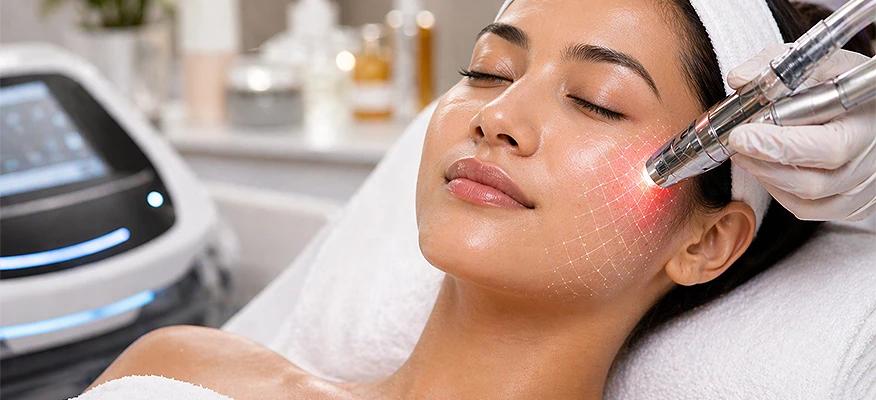
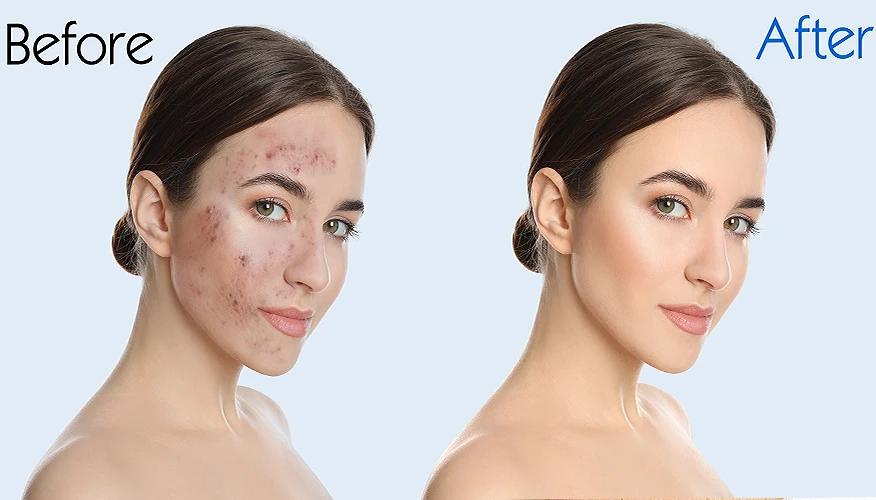
Acne doesn’t always end with the last breakout. For many, it leaves behind something harder to treat — uneven texture, dark marks, and scars that linger long after the skin has “cleared.”
So, what are skin resurfacing treatments for acne? Simply put, these are dermatologist-led procedures that help renew the skin’s surface: reducing scars, smoothing texture, and restoring a more even tone.
Guidance aligned with the American Academy of Dermatology shows that treatments like chemical peels, laser therapy, and microdermabrasion work by speeding up skin renewal and boosting collagen helping the skin repair itself from within. They’re often recommended when regular skincare is no longer enough.
This becomes especially relevant across Southeast Asia and Africa, where post-acne pigmentation and uneven tone are common, and where the wrong treatment can sometimes do more harm than good. Skin type matters. So does choosing the right approach.
In simple terms, skin resurfacing can visibly improve acne scars and marks but the results depend on selecting the right treatment, at the right time, for your skin.
When acne finally clears, you’d think the battle is over. But for many of us, the real frustration begins when we're left with marks, scars, and uneven texture that seem impossible to fade. If you've tried every serum and cream on the shelf without seeing the dramatic improvement you hoped for, skin resurfacing treatments might be the missing piece of your skincare puzzle.
What is skin resurfacing?
Skin resurfacing is a medical approach that removes or remodels the top layers of your skin to improve texture, tone, and scars. Think of it as giving your skin a controlled "reset" that encourages fresh, smoother skin to form in its place.
Unlike your daily skincare routine that works on the surface, skin resurfacing creates controlled micro-injuries that trigger your skin's natural healing response. This process stimulates collagen production while evening out irregularities left behind by acne.
The main targets include:
- Acne scars and indentations
- Post-acne dark spots (hyperpigmentation)
- Enlarged pores
- Rough, uneven texture
- Fine lines and early signs of aging
What sets resurfacing apart from topical treatments is its ability to create structural improvements in your skin, not just temporary surface changes.
What are skin resurfacing treatments?
Skin resurfacing treatments are non-surgical or minimally invasive procedures performed by dermatologists or trained professionals. These treatments work at different depths of your skin, depending on your specific concerns and skin type.
The main categories include:
- Chemical treatments: Acid solutions that peel away damaged layers
- Light and energy-based treatments: Lasers, intense pulsed light (IPL), and radiofrequency devices
- Mechanical treatments: Microneedling, microdermabrasion, and dermabrasion
Additionally, treatments are classified by how deep they penetrate:
- Superficial treatments work mostly on the epidermis (top layer) and are generally safer for darker skin tones
- Medium-depth treatments reach the upper dermis for more dramatic results, but require more careful selection for skin of color
- Deep treatments penetrate further but carry higher risks of pigmentation changes, especially in Asian and African skin
The choice depends on your skin type, the severity of your concerns, how much downtime you can manage, and your budget. For women with darker skin tones, superficial to medium treatments are often the safest starting point.
Why is skin resurfacing used in acne care
After acne inflammation heals, many people develop two main issues that topical products struggle to address effectively: textural scars and persistent dark marks.
Skin resurfacing tackles these problems by:
- Smoothing surface irregularities: Mild to moderate atrophic (indented) scars can be significantly improved through collagen stimulation
- Improving post-inflammatory hyperpigmentation: Those stubborn dark spots that linger long after the pimple is gone
- Strengthening skin structure: By stimulating collagen and elastin production, treatments help reduce scar depth over time
For women who still deal with occasional breakouts, certain resurfacing methods like salicylic acid peels can actually help prevent new acne by unclogging pores and reducing oil buildup, making it both a treatment and prevention strategy.
Common skin resurfacing treatments for acne
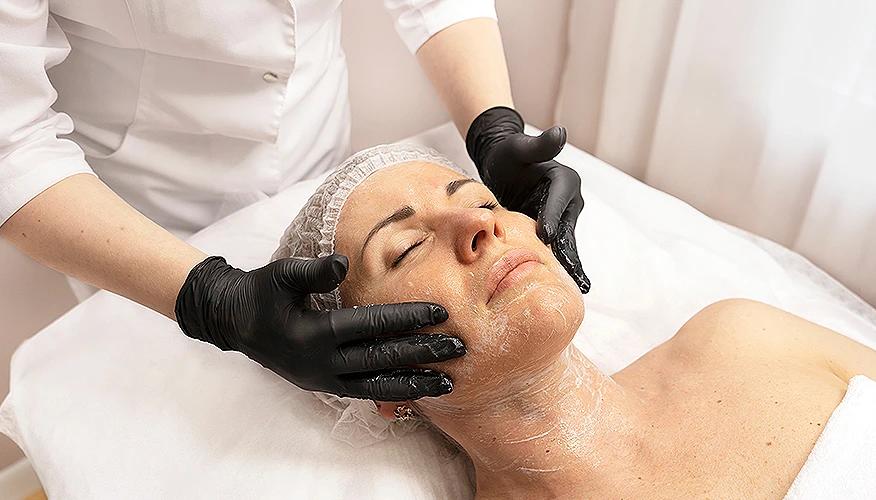
Skin resurfacing treatments address acne and acne-related damage by improving skin texture, unclogging pores, and supporting collagen renewal. The following professional options are commonly used to manage active acne, reduce marks, and improve the appearance of scars when selected appropriately for skin type and concern.
Chemical peels
Chemical peels use acid solutions to remove controlled layers of skin, revealing fresher skin underneath. They're particularly effective for acne-related concerns because many acids target the same issues that cause breakouts.
Popular acids for acne and acne marks:
- Salicylic acid: Oil-soluble, so it penetrates pores effectively. Reduces sebum production and unclogs comedones while being relatively gentle on darker skin
- Glycolic acid: Improves texture, superficial scars, and dark marks. Often used in lower concentrations for skin of color
- Lactic and mandelic acids: Gentler options that work well for sensitive skin or first-time peel users
- Trichloroacetic acid (TCA): More intensive option for deeper concerns, but requires careful application in darker skin to avoid pigmentation issues
Benefits include unclogged pores, reduced blackheads, improved mild inflammatory acne, and gradual fading of dark marks. However, strict sun protection and proper aftercare are essential to prevent complications like temporary darkening or irritation.
Laser treatments
Laser resurfacing uses concentrated light energy to remove or heat skin layers, stimulating collagen production and remodeling scars. Modern laser technology offers options for different skin types and concerns.
Two main approaches:
- Ablative lasers(CO2, erbium): Remove thin layers of skin for dramatic results, but involve more downtime and a higher risk in darker skin
- Non-ablative lasers: Heat deeper skin without removing the surface, leading to collagen remodeling with minimal downtime
Additionally, fractional technology is particularly beneficial because it treats microscopic columns of skin while leaving surrounding tissue intact. This promotes faster healing and can be safer for darker skin when properly selected and performed by experienced practitioners.
Microneedling
Microneedling uses a device with fine needles to create tiny, controlled punctures in your skin. These micro-injuries stimulate your body's natural healing response, boosting collagen and elastin production.
This treatment is particularly valuable because it's:
- Effective for rolling and superficial boxcar scars
- Safe for darker skin tones with a lower risk of pigmentation changes
- Suitable for combination with other treatments or topical agents
Sessions are typically spaced 4-6 weeks apart, with most people needing 3-6 treatments for optimal results. Side effects are usually mild, with temporary redness, slight swelling, and pinpoint bleeding that resolves within a few days with proper aftercare.
Subcision
Subcision is a minor surgical technique specifically for rolling acne scars that are "tethered" or pulled down by fibrous bands beneath the skin. A needle is inserted under the scar to break these bands, allowing the skin to lift naturally.
This procedure is often combined with other treatments like fillers, microneedling, or chemical peels for comprehensive scar improvement. While bruising and swelling are common short-term effects, the technique can provide significant improvement for the right type of scars.
Professional acne extraction
While not technically a resurfacing treatment, professional extraction is often part of comprehensive acne care. Dermatologists use sterile tools to remove comedones without damaging surrounding skin, a much safer approach than at-home picking or squeezing.
Professional extraction helps topical medications work better by clearing clogged pores and may reduce future scarring risk compared to aggressive self-extraction habits.
Skin resurfacing vs skincare products
Your daily skincare routine and professional treatments serve different but complementary roles in acne care and scar improvement.
Topical products excel at:
- Reducing oiliness and acne bacteria
- Improving cell turnover gradually
- Lightening pigment marks over time
- Strengthening your skin barrier
- Providing daily protection and maintenance
Skin resurfacing procedures offer:
- Deeper penetration into structural skin layers
- More dramatic improvement in moderate to severe scarring
- Faster visible results for texture and pigmentation issues
- Collagen stimulation that topicals can't match
The most effective approach combines both strategies. Think of skincare as your daily foundation and resurfacing as targeted interventions for specific concerns. In hot, sunny climates, daily sunscreen becomes even more critical to protect your investment in professional treatments.
Who may benefit from skin resurfacing?
Skin resurfacing treatments work best for specific types of acne-related concerns. It can be particularly beneficial for women dealing with:
- Atrophic acne scars (rolling, superficial boxcar scars)
- Persistent post-acne dark spots and uneven tone
- Enlarged pores and rough skin texture
- Early fine lines and sun damage
- Stubborn acne that hasn't fully responded to medication and skincare
Ideal candidates typically:
- Have realistic expectations about gradual improvement rather than perfection
- Are not pregnant or breastfeeding (safety varies by procedure)
- Can commit to sun protection and aftercare instructions
- Don't have uncontrolled medical conditions or active skin infections
For women with darker skin tones living in high-UV environments, starting with gentler treatments like superficial peels and microneedling often provides the best balance of safety and effectiveness.
Are skin resurfacing procedures safe?
When performed by qualified professionals using appropriate protocols, skin resurfacing is generally safe, including for darker skin types. However, understanding potential risks helps you make informed decisions.
Common short-term effects:
- Redness, swelling, and dryness
- Mild peeling and temporary discomfort
- Temporary darkening or lightening, especially in skin of color
Less common but more serious risks:
- Burns or prolonged pigmentation changes
- Infection or scarring
- Reactivation of cold sores around the mouth
Risk reduction strategies include:
- Choosing treatments appropriate for your skin type
- Ensuring your provider has experience with darker skin
- Following pre-treatment preparation when recommended
- Avoiding DIY high-strength treatments or unregulated devices
How many sessions are needed?
Patience is essential with skin resurfacing as improvement happens gradually over multiple sessions spaced weeks apart.
Typical treatment schedules:
- Superficial chemical peels: Every 2-4 weeks, often 4-8 sessions for acne and pigmentation
- Microneedling: Every 4-6 weeks, commonly 3-6 sessions
- Non-ablative fractional lasers: Often 3-5 sessions spaced a few weeks apart
- Subcision: Can be repeated every few months, depending on scar response
The exact number depends on your skin's response, the severity of concerns, and your treatment goals. Some women choose occasional maintenance sessions to preserve results, but consistent skincare and sun protection remain essential long-term.
What skin resurfacing cannot do
Managing expectations is crucial for satisfaction with any cosmetic treatment. Skin resurfacing has limitations:
- It cannot guarantee completely "perfect" or poreless skin, as improvement is typically partial but meaningful
- It doesn't replace the need for ongoing acne control because new scars can form if breakouts continue
- Severe deep scars, ice-pick scars, or keloid scarring may need additional procedures and may never fully disappear
- It cannot change your natural skin tone, so proper treatment should smooth and even, not lighten, your skin
- It doesn't provide permanent immunity from sun damage or future breakouts
When to consider professional procedures
Knowing when to move beyond home care to professional treatment can save you time, money, and frustration. It may be time to consult a dermatologist if you notice:
- Visible acne scars or dark marks persisting for months despite consistent skincare
- Feeling self-conscious about skin texture affecting your confidence or professional life
- Regular formation of new marks or scars from ongoing acne
- Plateaued results from over-the-counter products and home remedies
- Temptation to pick or aggressively scrub your skin, increasing scarring risk
Key points to remember
Skin resurfacing works by removing damaged layers and stimulating your body's natural healing response, not by "scraping off" all your skin. Before beginning on this journey, remember:
- Start with proper assessment: Work with a qualified professional to identify your scar type, skin type, and current acne activity before choosing treatments.
- Embrace the combination approach: The best results typically come from combining lifestyle changes, consistent skincare, acne medications when needed, and targeted procedures.
- Prioritize safety for darker skin: Gentler, staged treatments with strong emphasis on sun protection and anti-pigment care often provide the best outcomes.
- Plan for the journey: Expect gradual improvement over months, not overnight transformations. Multiple sessions and patience are part of the process.
- Commit to aftercare: Gentle cleansing, moisturizing, daily sunscreen, and avoiding harsh products are essential for preventing complications and supporting healing.
Conclusion
Skin resurfacing offers evidence-based solutions for acne scars, texture issues, and pigmentation problems that skincare products alone often cannot fully address. For women with darker skin tones, safe and effective results are absolutely achievable when treatments are carefully selected to match your skin type and concerns, performed by experienced professionals, and supported by consistent acne control and sun protection.
Remember that the goal isn't perfection but healthier, smoother, more confident skin that makes you feel comfortable in your own body. With realistic expectations, proper professional guidance, and commitment to the process, skin resurfacing can be a valuable tool in your journey toward clearer, more even-toned skin.
Meet our expert

Meet our expert
Dr. Lynda Odoh-Anikwe, holding a Bachelor of Medicine and Bachelor of Surgery (M.B.B.S) degree, she pursued her Master of Public Health (MPH) at the University of Manchester. Actively engaged in advancing preventive healthcare, she is a member of the Society of Lifestyle Medicine Nigeria. Dr. Odoh-Anikwe aims to attain certification as a Lifestyle Medicine Physician from the International Board of Lifestyle Medicine by the final quarter of 2022.
How was the experience with article?
We'd love to know!