
Your morning cup of tea might be doing more for you than just providing that gentle caffeine boost. That steaming mug holds potent compounds that work quietly to support your skin from within, helping address everything from dullness to inflammation.
For busy women juggling work, family, and personal wellness, finding the best tea for skin health offers a simple yet powerful addition to your daily routine.
The connection between tea and your skin
Tea contains potent bioactive compounds called polyphenols, including catechins and flavonoids, that directly influence how your skin looks and feels. These natural compounds work like tiny shields, protecting your skin cells from damage caused by pollution, stress, and sun exposure.
When you sip green or black tea regularly, these polyphenols travel through your bloodstream and help neutralize harmful free radicals that would otherwise break down collagen and cause premature aging. Clinical studies show that women who drink tea consistently experience improved skin texture, better hydration, and increased resilience against environmental stressors.
For women living in urban areas where pollution and sun intensity are daily challenges, tea's protective qualities become especially valuable. The antioxidants in tea help your skin repair itself more effectively while building stronger defenses against future damage.
Why tea is good for your skin
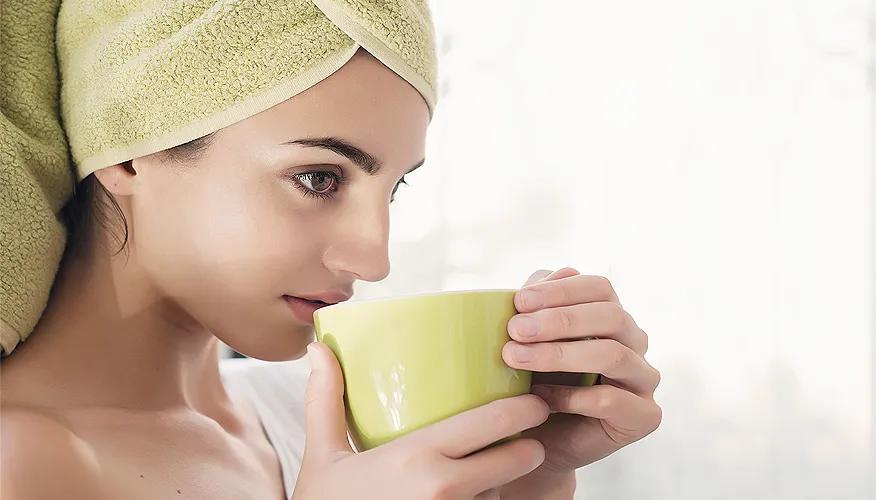
The secret lies in tea's unique combination of antioxidant and anti-inflammatory properties. The star compound, epigallocatechin gallate (EGCG), acts like an internal skincare treatment, working to reduce oxidative stress that leads to fine lines, dark spots, and uneven texture.
Think of tea as a daily dose of skin nutrition. Just as you might take vitamins for overall health, drinking tea provides your skin with specific nutrients it needs to maintain its barrier function and stay hydrated. The improved blood flow from regular tea consumption also means better nutrient delivery to your skin tissues.
Unlike topical treatments that only work on the surface, the benefits of drinking tea for the skin work from within, supporting your skin's natural repair processes and helping to maintain a healthy glow even during stressful periods.
The benefits of tea for skin
Regular tea consumption offers several scientifically backed advantages for your skin:
- Photoprotection: Tea extracts help shield your skin from UV damage, reducing your risk of sunburn and age spots. This is particularly important if you spend time outdoors or live in sunny climates.
- Enhanced hydration and elasticity: Studies show that women who drink green tea daily experience measurably improved skin elasticity and moisture levels within weeks.
- Reduced inflammation: The anti-inflammatory compounds in tea help calm redness and irritation, making it beneficial for sensitive skin or conditions like eczema.
- Acne improvement: Green tea catechins can help reduce oil production and combat acne-causing bacteria, resulting in clearer skin over time.
- Evening skin tone: Certain tea polyphenols help minimize sun-induced pigmentation, gradually improving overall skin tone and reducing dark spots.
Best teas for skin and their benefits
Different teas offer unique advantages for various skin concerns. Here's what tea is best for skin based on your specific needs:
| Tea Type | Primary Skin Benefits | Best For |
|---|---|---|
| Green Tea | UV protection, hydration, and acne reduction | Overall skin health, oily/acne-prone skin |
| White Tea | Anti-aging, collagen protection | Mature skin, fine lines |
| Chamomile Tea | Soothing inflammation, calming irritation | Sensitive skin, redness |
| Rooibos Tea | Reducing allergic reactions, calming redness | Eczema, allergic skin reactions |
| Black Tea | Antioxidant protection, improving skin tone | Dull skin, uneven complexion |
| Peppermint Tea | Mild acne treatment, cooling inflammation | Occasional breakouts, irritated skin |
| Spearmint Tea | Hormonal balance, reduced sebum, acne control | Hormonal acne, PCOS-related breakouts |
| Hibiscus Tea | Brightening, collagen support, anti-aging | Dull skin, pigmentation, early wrinkles |
| Ginger Tea | Boosts circulation, reduces puffiness, adds glow | Tired-looking skin, uneven skin tone |
Green tea consistently ranks as the best tea for acne due to its potent antibacterial properties, while chamomile tea's benefits for skin whitening come from its gentle lightening compounds that work over time.
Easy ways to use tea in your skincare routine
Beyond drinking tea, you can maximize tea benefits for skin through these simple applications:
Internal Use:
- Drink 2-3 cups daily of green or white tea for maximum antioxidant benefits
- Replace your afternoon coffee with chamomile tea to reduce stress-related skin issues
- Sip rooibos tea in the evening to support overnight skin repair
Topical Applications:
- Use cooled green tea as a toner by applying it with a cotton pad after cleansing
- Place used tea bags on puffy eyes for 10 minutes to reduce swelling
- Create a face mist by mixing cooled green tea with rose water in a spray bottle
Weekly Treatments:
- Make a DIY mask by mixing matcha powder with honey for deep pore cleansing
- Add cooled chamomile tea to your bath for full-body skin soothing
- Use black tea as a final rinse after washing your face to boost antioxidant protection
These methods work because they deliver tea's beneficial compounds directly to your skin while also providing the internal benefits of regular tea consumption.
Tea and lifestyle for glowing skin
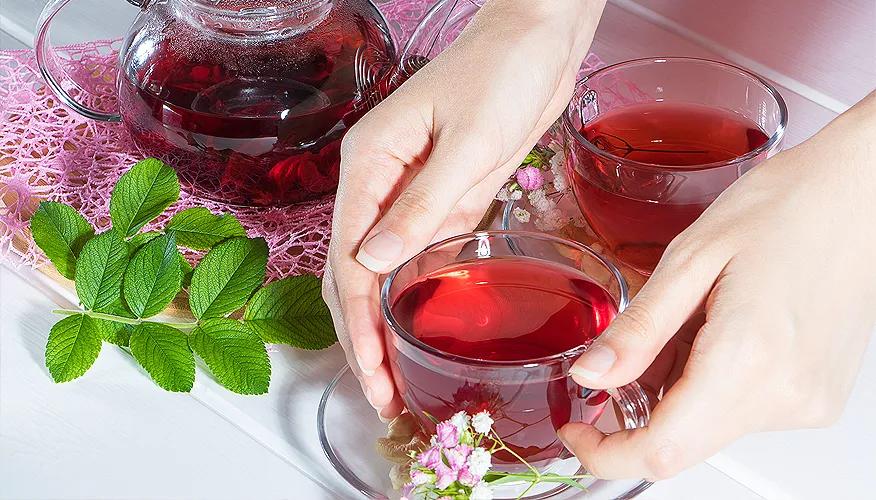
Incorporating tea into your daily lifestyle can amplify its skin benefits, not just through what you drink, but also when and how you enjoy it.
Morning Ritual: Start your day with a warm cup of green tea to kickstart metabolism and protect skin from oxidative stress throughout the day.
Afternoon Reset: Swap coffee for white or spearmint tea to avoid caffeine crashes and hormonal fluctuations that may affect your skin.
Evening Wind-Down: End the day with chamomile or rooibos tea, both caffeine-free and ideal for supporting overnight skin repair.
Pairing Teas with Foods for Skin Health:
- Green tea + citrus fruits → boosts antioxidant absorption
- Hibiscus tea + berries → enhances collagen production
- Rooibos tea + nuts/seeds → provides vitamin E and omega-3s for hydration
Precautions
- Caffeine sensitivity: Green and black teas contain caffeine, which may not be suitable during pregnancy, breastfeeding, or if you're sensitive to stimulants. Herbal options like chamomile and rooibos are naturally caffeine-free.
- Medication interactions: Green tea can affect how certain medications work, particularly blood thinners. Consult your healthcare provider if you take prescription medications regularly.
- Quality matters: Choose organic, high-quality teas when possible to avoid pesticides and contaminants that could irritate sensitive skin.
- Patch testing: Before using tea topically, test a small amount on your inner wrist to check for allergic reactions, especially with new varieties.
Conclusion
The best tea for skin health combines inner nourishment with outer care, offering a natural way to support radiant, youthful skin. From green tea’s acne-fighting and protective qualities to chamomile’s soothing effects, each variety provides unique benefits that can be tailored to your skin type and lifestyle.
What makes tea especially powerful is its ability to work from within, complementing your regular skincare routine rather than replacing it. While topical products treat the surface, drinking tea supplies antioxidants, vitamins, and calming compounds directly to your body, helping your skin stay resilient against daily stressors like pollution, sun exposure, and hormonal changes.
By making tea a consistent part of your day, you create both a wellness ritual and a skincare solution. Over time, this simple habit can lead to visible improvements in hydration, tone, and overall glow, making tea one of the easiest and most enjoyable ways to care for your skin naturally.
Meet our expert

Meet our expert
In her role as the Product Consultant Manager at Mega BiO-LiFE, Jillian Lai Mei Siew is instrumental in fostering a cohesive team spirit among all Product Consultants. Her primary objective is to ensure that each consultant is equipped with accurate and relevant health and nutritional information to better serve clients.
How was the experience with article?
We'd love to know!