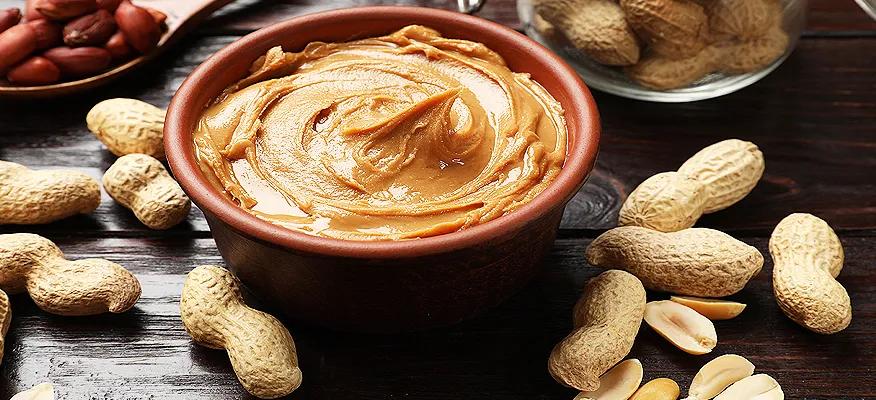
You're enjoying your regular morning toast with peanut butter when you notice a new pimple in the mirror. Could your favorite breakfast spread be the culprit? If you've ever wondered, "does peanut butter cause acne?", you've come to the right place.
Many women find themselves questioning their skincare routine and diet when breakouts appear, especially when they can't pinpoint an obvious trigger. Let's look at what science actually reveals about this common concern.
Is there a link between peanut butter and acne?
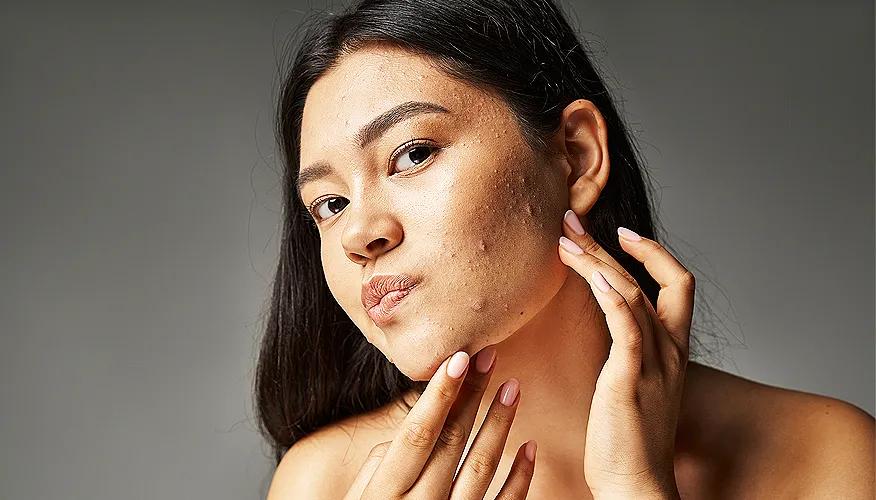
The short answer might surprise you: there's no direct scientific evidence that peanut butter causes acne. However, the relationship between your skin and your jar of peanut butter isn't that simple.
Certain ingredients in peanut butter, especially those found in processed varieties, may worsen acne in individuals who are already prone to breakouts. Your individual response matters most here.
Some women notice a clear pattern between their peanut butter consumption and acne flares, while others can enjoy it daily without any skin issues. The key is paying attention to your own body's signals.
- Your skin's natural sensitivity levels
- The type of peanut butter you choose (natural vs. processed)
- How much do you consume regularly
- Your overall diet and lifestyle factors
If you're someone who breaks out easily or has hormone-related acne, you might be more likely to notice changes when you eat peanut butter regularly.
What does peanut butter contain?
Understanding what's actually in your peanut butter jar helps explain why some people might experience skin reactions. Not all peanut butters are made with the same quality of ingredients, and the ingredient list can vary dramatically between brands.
Natural peanut butter typically contains:
- Peanuts
- Maybe a pinch of salt
Processed peanut butter often includes:
- Peanuts as the base
- Added sugars (corn syrup, sugar, or honey)
- Extra salt for flavor
- Preservatives to extend shelf life
- Hydrogenated or partially hydrogenated oils
- Stabilizers to prevent oil separation
From a nutritional standpoint, peanuts themselves are rich in protein, healthy fats, and omega-6 fatty acids, which are beneficial in moderation. However, peanuts are naturally high in phytoestrogens, plant compounds that can mimic hormones in your body.
The omega-6 content is particularly important when discussing acne. While these fatty acids aren't harmful, an imbalance between omega-6 and omega-3 in your diet can tip your body toward inflammation.
Does peanut butter really cause or worsen acne?
Current research doesn't confirm that peanut butter directly causes acne. But that doesn't mean it's completely off the hook either. Several components in peanut butter have been linked to factors that may increase acne risk in people who are already susceptible:
- High omega-6 fatty acid content can promote inflammation.
- Added sugars spike insulin levels, which may trigger hormonal changes.
- Preservatives and additives in processed versions might contribute to skin irritation.
If you have a tendency toward inflammatory acne or hormone-related breakouts, you might notice your skin acting up more when you eat peanut butter regularly. It's not that peanut butter is inherently "bad" – it's more about how your individual system responds to certain compounds.
Additionally, if you're wondering, "Can peanuts cause acne on their own?" The same principle applies: Not for everyone, but if you're sensitive to high omega-6 foods or have inflammatory skin conditions, you might notice a connection.
Scientific studies on diet and acne
When it comes to research on diet and acne, most studies focus on broader dietary patterns rather than specific foods, such as peanut butter. This is actually helpful because it provides a broad understanding of how food affects our skin.
Current research suggests that dietary patterns high in refined carbohydrates, sugars, and certain types of fats may exacerbate acne. However, peanut butter has a medium glycemic index, which means it doesn't cause the dramatic blood sugar spikes associated with high-glycemic foods.
Studies have revealed an association between omega-6 fatty acids (which are abundant in peanuts) and increased skin inflammation in some people. This could indirectly influence acne development, but it's important to note that omega-6 fats aren't inherently "bad"; they're essential fatty acids that your body needs. The issue arises when they're consumed in excess without enough omega-3s to balance them out.
What's missing from current research is direct studies conclusively linking peanut butter alone to acne development. Most diet-acne research focuses on dairy products, high-glycemic foods, and overall dietary patterns, rather than specific nut butters.
Components of peanut butter that affect skin acne
Understanding which components in peanut butter might affect your skin can help you make more informed choices about what you eat and when.
- Omega-6 fatty acids are the primary concern. While these are essential fats your body needs, they can become pro-inflammatory when consumed in excess without an adequate balance of omega-3s. For many women, especially those following typical urban diets, the omega-6 to omega-3 ratio is already skewed, so adding more omega-6-rich foods, such as peanut butter, might tip the scale further toward inflammation.
- Added sugars in processed varieties can lead to increased insulin production and hormonal fluctuations. These hormonal changes can stimulate your sebaceous glands to produce more oil, potentially clogging pores and creating an environment that allows acne-causing bacteria to thrive.
- Preservatives and stabilizers may trigger reactions in sensitive individuals. While not everyone reacts to these additives, some individuals find that their skin responds better when they opt for more natural food options.
Should you avoid peanut butter if you have acne?
After tackling the question, "Does peanut butter cause acne?" Let's address whether you should avoid peanut butter. For most people, moderate consumption of natural peanut butter is unlikely to cause or worsen acne. However, if you're experiencing persistent breakouts, it's worth investigating further.
Consider limiting peanut butter if:
- You notice breakouts consistently after eating it.
- You have inflammatory or hormone-driven acne.
- You're sensitive to high omega-6 foods.
- Your current acne treatments aren't working well.
Before you eliminate it completely:
- Keep a food and skin diary for 2-3 weeks.
- Try switching to natural, unsweetened peanut butter first.
- Pay attention to portion sizes.
Questions to ask yourself:
- Does peanut butter cause acne in my case?
- Do I notice patterns between my peanut butter consumption and skin flares?
- Am I eating processed peanut butter with lots of added ingredients?
Remember, correlation doesn't always mean causation. Your breakouts might coincide with peanut butter consumption, but they may actually be caused by stress, hormonal changes, or other dietary factors.
How to cure acne associated with peanut butter?
If you suspect peanut butter is aggravating your skin, here's a systematic approach to address it:
Step 1: Elimination trial
Remove peanut butter completely from your diet for 2-4 weeks. This gives your skin time to reset and helps you observe any changes.
Step 2: Gradual reintroduction
If your skin improves, try reintroducing natural peanut butter in small amounts. Watch for reactions over the next week.
Step 3: Optimize your overall approach
- Switch to natural, additive-free peanut butter
- Balance your omega fatty acid intake with omega-3 rich foods
- Maintain a consistent skincare routine
- Consider consulting a dermatologist for personalized treatment
Step 4: Dietary adjustments
- Include anti-inflammatory foods like leafy greens and fatty fish
- Reduce processed foods and added sugars overall
- Stay hydrated and get adequate sleep
- Manage stress through exercise or meditation
What are the healthy alternatives to peanut butter?
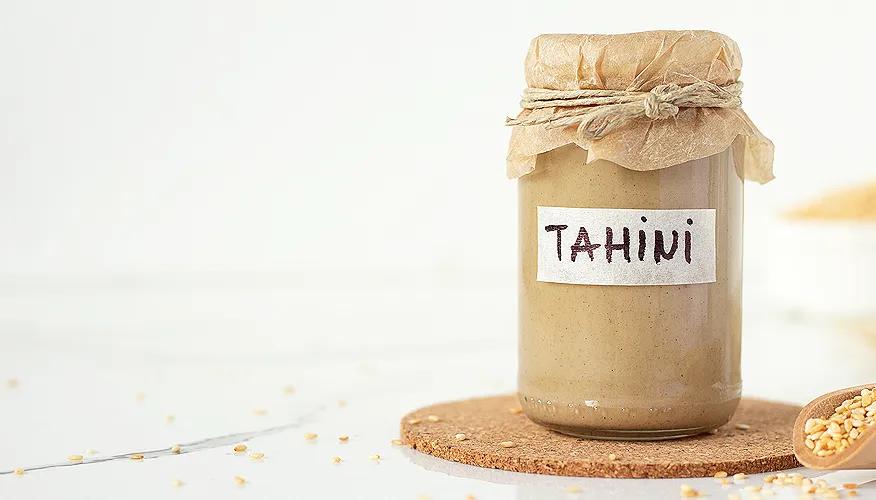
If you've determined that eating peanuts cause pimples for you, there are plenty of delicious alternatives that might be gentler on your skin.
- Almond butter: Often better tolerated because it has a more favorable omega-6 to omega-3 ratio and is rich in vitamin E, which supports skin health. It has a slightly sweeter, more delicate flavor than peanut butter.
- Sunflower seed butter: An excellent option if you have nut allergies or sensitivities. It's creamy, nutritious, and tends to be less inflammatory for most people.
- Tahini (sesame seed paste): Offers a unique, slightly bitter flavor that works beautifully in both sweet and savory applications. Interestingly, while some people wonder do sesame seeds cause acne, tahini is generally well-tolerated and provides beneficial minerals like calcium and magnesium.
- Homemade nut or seed spreads: This gives you complete control over ingredients. You can make your own using a food processor and avoid all the additives found in commercial varieties.
When trying alternatives, always check labels for minimal additives and added sugars, just as you would with peanut butter.
What is the recommended peanut butter quantity?
Moderation is key when it comes to peanut butter consumption, especially if you're concerned about skin health. Most nutrition guidelines recommend that 1-2 tablespoons (15-30 g) per day is a reasonable amount for healthy adults.
This portion size helps you enjoy the nutritional benefits of peanuts without overdoing the omega-6 fatty acids or calories. It's also enough to satisfy cravings while keeping your overall dietary fat intake in a healthy range.
Also, consider your total daily fat and calorie needs. If you're eating other nuts, seeds, or oils throughout the day, you might want to adjust your peanut butter portion accordingly.
Conclusion
So, does peanut butter cause acne? The science shows it's not a universal acne trigger. However, certain components, particularly the high omega-6 content, added sugars, and preservatives in processed varieties, may worsen breakouts in people who are already prone to acne or sensitive to these factors.
Your individual response is what matters most. Some women can enjoy peanut butter daily without any skin issues, while others notice clear connections between their consumption and breakouts. The key is to pay attention to your own patterns, choose high-quality natural versions when possible, and maintain moderation.
If you suspect peanut butter might be affecting your skin, try the elimination approach. Remember, healthy skin comes from a combination of good skincare, balanced nutrition, adequate sleep, and effective stress management, rather than just avoiding a particular food.
When in doubt, consult with a dermatologist or registered dietitian who can help you create a personalized plan that works for both your skin and your lifestyle.
Meet our expert

GHBY Team
GHBY TeamMeet our expert
GHBY Team comprises content writers and content editors who specialise in health and lifestyle writing. Always on the lookout for new trends in the health and lifestyle space, Team GHBY follows an audience-first approach. This ensures they bring the latest in the health space to your fingertips, so you can stay ahead in your wellness game.
How was the experience with article?
We'd love to know!