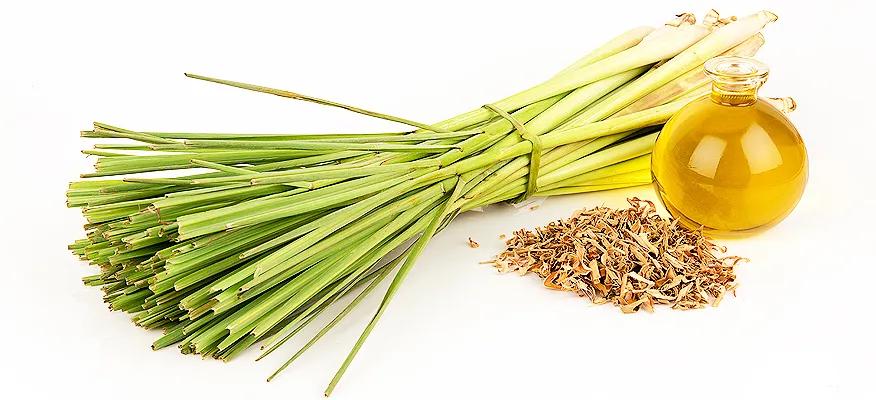
That familiar, lemony fragrance wafting from your evening chai or Thai curry? That's lemongrass working its aromatic magic. But this humble grass offers much more than flavor; it's been quietly earning recognition as a powerhouse ingredient for healthy, glowing skin. Understanding the lemongrass benefits for skin can transform your skincare routine from ordinary to extraordinary, backed by science and centuries of traditional wisdom.
What is lemongrass?
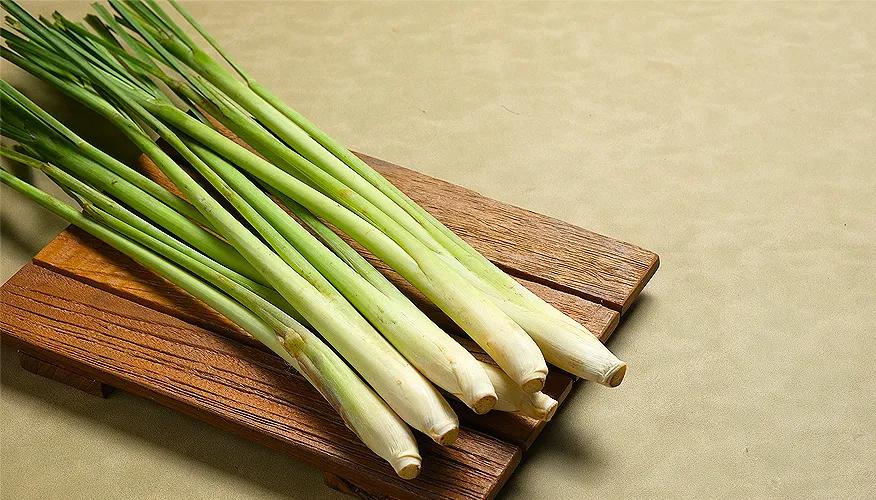
Lemongrass (Cymbopogon citratus or Cymbopogon flexuosus) is a tall, aromatic grass that thrives in tropical regions across Southeast Asia and parts of Africa. You've probably encountered it in your kitchen—those long, pale green stalks that add that distinctive citrusy punch to curries and teas.
What makes lemongrass special isn't just its culinary versatility. This grass produces an essential oil extracted from its leaves and stalks that carries a fresh, uplifting scent and remarkable therapeutic properties. Traditional medicine systems have recognized their healing potential for centuries, and modern skincare is finally catching up.
Its fibrous texture and intense aroma come from the concentrated oils stored in its cellular structure—the same oils that make it so valuable for skin health. What makes lemongrass particularly interesting for modern skincare is its dual nature: it is gentle enough for regular use when properly diluted, yet powerful enough to tackle stubborn skin issues that conventional products sometimes struggle with.
Key nutrients in lemongrass that benefit skin
Think of lemongrass as nature's multivitamin for your skin. Its therapeutic power comes from a unique blend of bioactive compounds that work together like a well-coordinated team.
- Citral: This takes center stage as the primary active compound. This powerhouse ingredient delivers strong anti-inflammatory and antimicrobial properties, making it particularly effective against skin concerns like acne and irritation.
- Flavonoids and phenolic compounds: These act as your skin's personal bodyguards, fighting off free radicals that cause premature aging and damage. These antioxidants shield your skin cells from environmental damage like pollution, UV rays, and the daily stress that shows up on your face.
- Quercetin: A specific flavonoid found in lemongrass that deserves special mention. This compound provides additional antioxidant power while helping to calm inflamed skin, particularly useful if you are dealing with conditions like eczema or dermatitis.
- Vitamins and minerals: These round out lemongrass's skin-loving profile. Trace amounts of vitamins A and C support cellular repair and that natural radiance we all crave, while minerals like magnesium and potassium help maintain healthy skin function.
Top lemongrass benefits for skin
The science behind lemongrass reveals why this aromatic herb deserves a spot in your skincare routine. The following lemongrass benefits for skin address common concerns that many of us face daily.
Fights acne and bacterial infections
- Your skin constantly battles bacteria, and lemongrass oil is like having a gentle but effective security system. The antimicrobial action specifically targets the bacteria responsible for acne, folliculitis, and other minor skin infections. Unlike harsh chemical treatments that can strip your skin bare, lemongrass works more selectively.
- Research shows that lemongrass oil inhibits the growth of both bacteria and fungi, making it particularly valuable for those dealing with persistent breakouts. This is especially relevant if you live in humid climates where bacterial growth thrives, or if you're frequently exposed to pollution that clogs pores and creates breeding grounds for skin problems.
Reduces inflammation and redness
- If your skin seems to react to everything, stress, weather changes, and new products, lemongrass's anti-inflammatory properties can be a game-changer. The oil works by downregulating key inflammatory biomarkers, essentially telling your skin to calm down and heal rather than overreact.
- This translates to visible improvements in redness, swelling, and general irritation. Whether you're dealing with occasional flare-ups or chronic sensitivity, lemongrass offers a gentler alternative to stronger anti-inflammatory treatments.
- It is particularly helpful for those mornings when your skin looks angry and inflamed, and you need something that soothes without causing additional irritation.
Provides antioxidant protection against aging
- Free radicals from pollution, sun exposure, and daily stress constantly attack your skin cells, breaking down collagen and accelerating the aging process. Lemongrass's high antioxidant content acts like an invisible shield, neutralizing these harmful molecules before they can cause lasting damage.
- This protection supports your skin's natural repair processes and helps prevent premature signs of aging like fine lines, wrinkles, and age spots. Think of antioxidants as your skin's maintenance crew: they're constantly working behind the scenes to keep everything running smoothly and looking fresh. Regular use of antioxidant-rich ingredients like lemongrass can help maintain that youthful resilience your skin naturally had when you were younger.
Tightens pores and controls oil production
- Large pores and excess oil can make your skin look dull and feel uncomfortable, especially during humid months or stressful periods when oil production ramps up. Lemongrass oil's natural astringent properties work to temporarily tighten pores and reduce excess sebum production.
- This creates a smoother, more refined skin texture and helps control that midday shine that can make you feel self-conscious. The tightening effect also allows for a more even application and lasting effect of makeup. Unlike alcohol-based astringents that can be overly drying, lemongrass provides this benefit while still maintaining your skin's natural moisture balance.
Improves circulation for a healthy glow
- Good circulation brings oxygen and nutrients directly to your skin cells, creating that natural radiance that no highlighter can truly replicate. Topical application of diluted lemongrass oil stimulates blood flow, encouraging this nutrient delivery system to work more efficiently.
- Improved circulation also helps your skin eliminate waste products more effectively, reducing dullness and promoting cellular turnover. This is why many people notice their skin looks brighter and more alive after incorporating lemongrass into their routine. It's like giving your skin a gentle, energizing massage that wakes up tired, sluggish cells and restores that healthy glow.
How to use lemongrass for skin

The key to getting lemongrass benefits for skin safely lies in proper preparation and application. Lemongrass essential oil is potent, so treating it with respect ensures you get results without irritation.
Diluted essential oil applications
- Never use lemongrass essential oil directly on your skin; it is too potent and can cause irritation or burns. Instead, mix with a carrier oil, such as jojoba, coconut, or sweet almond oil.
- This creates a gentle yet effective treatment that you can use as a facial oil or spot treatment for problem areas. The dilution of lemongrass oil provides therapeutic benefits while protecting your skin from potential sensitivity reactions.
Natural toners
- This offers an easy way to incorporate lemongrass into your daily routine. Create a refreshing lemongrass water by steeping fresh lemongrass stalks in boiling water, then cooling and straining the liquid. This makes an excellent natural toner that helps tighten pores and refresh tired skin.
- You can also add essential oil to distilled water for a more potent version. Store in a spray bottle and mist over cleansed skin, or apply with a cotton pad, focusing on oily areas.
Facial steams
- These provide a spa-like experience at home. Steep fresh lemongrass stalks in hot water for 10 minutes, then lean over the bowl with a towel draped over your head.
- The steam opens pores and allows the beneficial compounds to penetrate deeply.
Related: Benefits Of Steaming Face
Face Masks and Scrubs
- Combine lemongrass with natural clays like bentonite or kaolin for a purifying mask, or mix it with gentle exfoliants for a clarifying scrub. The herb's properties enhance these treatments, making them more effective for deep cleaning and skin renewal.
- Always start with lower concentrations and gradually increase as your skin adapts. What works for your friend might be too strong for your skin type, so patience and observation are key.
Precautions when using lemongrass on skin
Understanding what are the benefits of lemongrass includes knowing its limitations and potential risks. Even natural ingredients can cause problems when misused.
- Skin sensitivity is the primary concern. Lemongrass oil is concentrated and can cause irritation, burning, or redness, especially on sensitive skin. Always perform a patch test by applying a small amount of diluted oil to your inner wrist and waiting 24 hours to check for reactions.
- Proper dilution cannot be overstated. Never apply undiluted lemongrass oil directly to your skin. Even a few drops of pure oil can cause chemical burns or severe irritation.
- Sun sensitivity may increase after using lemongrass oil. Like many essential oils, it can make your skin more susceptible to UV damage. Apply sunscreen diligently or use lemongrass treatments in your evening routine.
- Pregnancy and medical conditions require extra caution. Consult your healthcare provider before using lemongrass oil if you're pregnant, breastfeeding, or managing chronic skin conditions like eczema or psoriasis.
DIY lemongrass skincare ideas
Creating your own lemongrass skincare products allows you to control the ingredients and customize formulations to meet your specific needs. These simple recipes harness the lemongrass water and oil benefits safely.
| Recipe | Ingredients | Instructions | Best For |
|---|---|---|---|
| Balancing Toner | 1 cup distilled water 1 tbsp witch hazel 5 drops lemongrass oil | Combine all ingredients in a spray bottle. Shake well before each use. | Oily, acne-prone skin |
| Spot Treatment | 1 tsp jojoba oil 1 drop lemongrass oil | Mix well and apply directly to active breakouts using a cotton swab. | Active breakouts |
| Brightening Mask | 2 tbsp plain yogurt 2 drops lemongrass oil 1 tsp honey | Blend all ingredients. Apply for 10 minutes, then rinse with warm water. | Dull, tired skin |
Storage tips: Keep DIY products in dark, cool places and use within 1-2 weeks for oil-based recipes, or 1 week for water-based formulations.
Application guidelines: Start with once-weekly use to assess tolerance, then gradually increase frequency as your skin adapts.
Conclusion
The lemongrass benefits for skin offer a natural, effective approach to common skincare concerns, from acne and inflammation to dullness and premature aging. This aromatic herb bridges the gap between traditional wisdom and modern skincare science, providing antimicrobial, anti-inflammatory, and antioxidant benefits that address the unique challenges faced by busy, health-conscious women.
Whether you choose to incorporate lemongrass through DIY recipes or look for products containing this powerful ingredient, remember that consistency and proper dilution are key to success. Your skin deserves care that works with its natural processes, and lemongrass offers exactly that, gentle yet effective support for healthier, more radiant skin.
Meet our expert

GHBY Team
GHBY TeamMeet our expert
GHBY Team comprises content writers and content editors who specialise in health and lifestyle writing. Always on the lookout for new trends in the health and lifestyle space, Team GHBY follows an audience-first approach. This ensures they bring the latest in the health space to your fingertips, so you can stay ahead in your wellness game.


How was the experience with article?
We'd love to know!