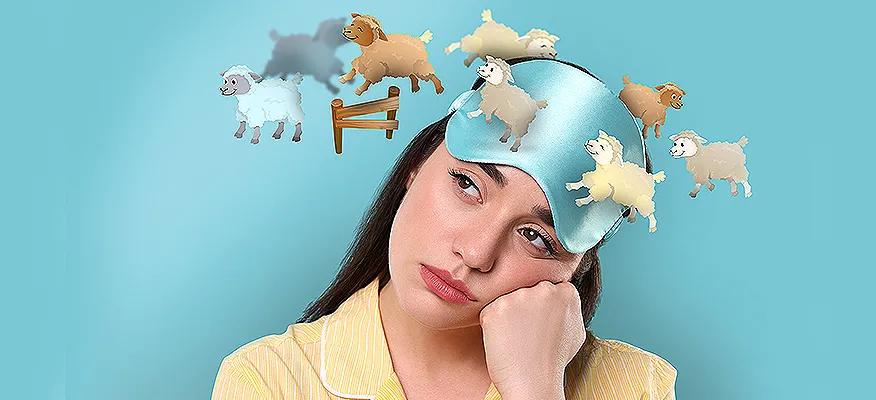
Ever had one of those days where you just couldn’t seem to shake the foggy feeling in your head? Or perhaps you’ve spent an entire day yawning, wrestling with a gnawing headache, or simply feeling less sharp than usual. If this resonates with you, you might be experiencing the effects of sleep deprivation.
In our busy urban and semi-urban lifestyles, replete with work pressures, family responsibilities, and social engagements, sleep often becomes a luxury rather than a necessity. Whether it's occasional sleepless nights causing temporary discomfort or chronic sleep deprivation leading to serious complications, lack of adequate sleep and rest can significantly impact our overall health and well-being.
In this blog post, we will take a closer look at what sleep deprivation truly means. Together, we’ll understand the causes, recognize the symptoms, and explore effective treatments.
What is sleep deprivation?

Sleep deprivation, also known as sleep deficiency, is a state where individuals do not get enough sleep or experience poor-quality sleep.
This condition leads to physical or mental symptoms and impacts the ability to perform daily tasks effectively.
There are two main types of sleep deprivation:
- Acute sleep deprivation involves going a whole night without sleep or sleeping very little for one or two nights.
- Chronic sleep deprivation is when a person consistently sleeps for a shorter amount of time than their body requires or experiences low-quality sleep due to repeated disruptions.
What is the difference between sleep deprivation and insomnia?
Defining the line between sleep deprivation and insomnia can be confusing as both conditions involve a lack of satisfactory sleep. However, these are distinct states.
Sleep deprivation occurs when a person is physically able to sleep but does not get enough sleep due to external factors such as a demanding schedule or environmental interruptions.
Insomnia, on the other hand, is characterized by difficulty falling asleep, maintaining sleep, or experiencing short sleep duration despite having ample opportunity and circumstances to sleep.
Signs and symptoms of sleep deprivation
If you're wondering "Am I sleep deprived?", look out for these common symptoms:
- Reduced alertness and slower reaction times
- Trouble focusing and impaired cognitive abilities
- Mood changes, including irritability, anxiety, and depression
- Decreased sex drive
- Poor judgment or decision-making skills
- Experiencing "microsleeps" (brief, unplanned periods of drowsiness)
- Increased risk of car crashes and workplace mishaps due to lack of focus
- Reduced participation in social activities because of tiredness
- Lowered immunity, making it harder for your body to fight off infections
Causes of sleep deprivation
There's a wide spectrum of causes of sleep deprivation, including:
- Inadequate sleep duration, typically less than 7 hours per night
- Disruption of the body's natural sleep-wake cycle due to shift work, jet lag, or an irregular lifestyle
- Sleep disorders such as insomnia, obstructive sleep apnea, and narcolepsy
- Environmental factors like excessive noise, light, or discomfort in the sleeping area
- High levels of stress and overloading work schedules
- Health conditions that impact sleep quality, such as chronic pain or certain mental health disorders.

Stages of sleep deprivation
There are five stages of sleep deprivation:
- Stage 1 (after 24 hours of sleep deprivation): After 24 hours without sleep, you feel tired and experience reduced attention, alertness, and cognitive function. Mistakes and accidents become more likely, and your reaction time is impaired, similar to having a BAC of 0.10%. Though not life-threatening, performance and focus suffer significantly.
- Stage 2 (after 36 hours of sleep deprivation): At 36 hours, sleep pressure intensifies, causing extreme fatigue and hunger. Microsleeps become more frequent, and hallucinations may occur, affecting your ability to function normally. The body’s need for rest becomes overwhelming.
- Stage 3 (after 48 hours of sleep deprivation): By 48 hours, sleep deprivation severely impacts cognitive and emotional stability. Microsleeps increase, and you may experience depersonalization, confusion, anxiety, and perceptual distortions. Emotional regulation is compromised, and basic tasks become difficult.
- Stage 4 (after 72 hours of sleep deprivation): After three days, your perception of reality becomes distorted. Hallucinations and delusions may arise, and thinking becomes fragmented. Sleep pressure is extreme, and staying awake feels nearly impossible. Cognitive and emotional functions deteriorate significantly.
- Stage 5 (after 96 hours of sleep deprivation): At 96 hours, you experience severe psychosis-like symptoms. Reality becomes nearly unrecognizable, and delusions, paranoia, and confusion dominate. Sleep deprivation at this level makes it nearly impossible to remain awake, and recovery requires significant rest.
Sleep deprivation effects on the body
The impact of sleep deprivation on your body can be wide-ranging and severe:
- Heart and circulatory health: Sleep deprivation increases the risk of high blood pressure and high cholesterol, which can lead to cardiovascular problems like heart disease and stroke. Chronic lack of sleep puts additional strain on the heart, making it work harder.
- Metabolic disruption: Chronic sleep deprivation can interfere with insulin sensitivity, increasing the risk of developing Type 2 diabetes. It also affects appetite-regulating hormones, often leading to overeating and weight gain.
- Immune function: Inadequate sleep weakens the immune system, making the body less capable of fighting infections. Sleep-deprived people tend to get sick more often and take longer to recover.
- Nervous system and pain sensitivity: Lack of sleep heightens pain sensitivity, making discomfort feel more intense. This can also impair motor coordination, increasing the risk of accidents.
- Brain function and memory: Sleep is essential for cognitive functions like learning and memory. Sleep deprivation impairs focus, decision-making, and long-term memory. It may also contribute to neurodegenerative diseases like Alzheimer's.
- Mental health: Sleep deprivation is closely linked to mood disorders such as anxiety and depression. Lack of sleep affects emotional regulation, making it harder to cope with stress and negative emotions.
How does this condition affect my body?
The impact of sleep deprivation on your body is wide-ranging, affecting almost every aspect of your health and well-being.
You may experience physical exhaustion, reduced strength and endurance, and mental fatigue leading to decreased productivity.
Mood disturbances are common and can increase the risk of mental illnesses like depression and anxiety.
The risk for chronic diseases such as diabetes, obesity, and cardiovascular disease also increases with sleep deprivation.
Complications of sleep deprivation
Prolonged sleep deprivation can lead to several complications, including:
- Increased risk for potentially life-threatening conditions such as car accidents due to drowsy driving, or severe sleep disorders left untreated.
- In extreme cases, hallucinations and severe mood swings can occur.
- Chronic sleep deprivation also raises the likelihood of stroke, severe asthma attacks, and other chronic diseases.
Diagnosing sleep deprivation
Diagnosis of sleep deprivation typically involves:
- A clinical evaluation of your sleeping patterns and symptoms
- Use of questionnaires and sleep diaries to assess sleep quality and duration
- A physical examination to rule out other health conditions that may contribute to poor sleep
- In some cases, sleep studies or polysomnography may be used to diagnose underlying sleep disorders.
Treatment for sleep deprivation
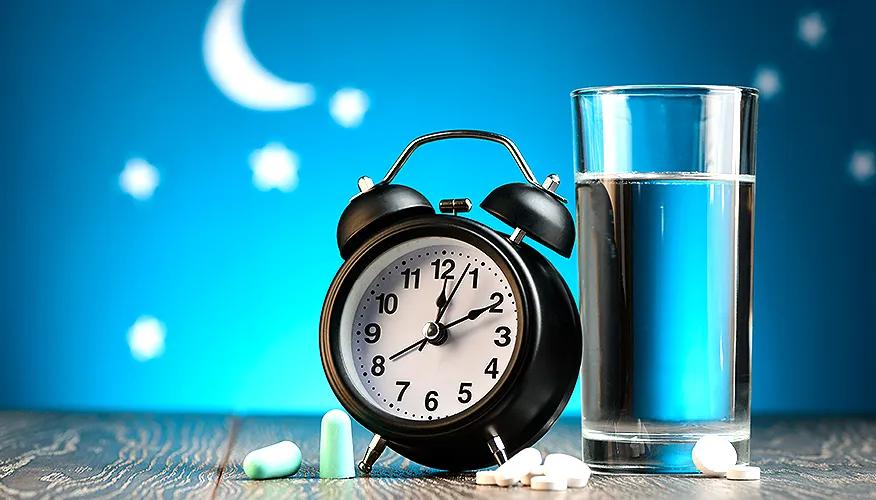
Treatment for sleep deprivation focuses on addressing the root causes:
- Establishing a consistent sleep schedule and improving the sleeping environment
- Managing stress through relaxation techniques or therapies
- Treating underlying sleep disorders such as insomnia or sleep apnea
- Avoiding stimulants like caffeine and alcohol before bedtime and limiting exposure to screens
- Ensuring adequate sleep duration - ideally 7-9 hours per night for adults
Prevention for sleep deprivation
Preventive strategies often include:
- Maintaining a regular sleep-wake cycle
- Creating a sleep-conducive environment that is dark, quiet, and cool
- Avoiding caffeine, nicotine, and electronic screens close to bedtime
- Engaging in relaxing activities before sleep
- Addressing work-related stress and ensuring ample time for rest and relaxation
Conclusion
Sleep deprivation is a significant health concern with far-reaching consequences on our physical health, mental well-being, productivity, and quality of life.
Recognizing the causes, symptoms, and complications is critical to seeking timely intervention and prevention.
By adopting healthy sleep habits, addressing underlying issues, and seeking professional help when needed, it's possible to mitigate the risks associated with sleep deprivation.
Meet our expert

Meet our expert
Dr. Sharmila Samararanayake (MBBS, DCH) is a distinguished medical practitioner, currently serving in the Dermatology unit at the esteemed National Hospital of Sri Lanka. Graduating with honors from the renowned Faculty of Medicine in Colombo, Sri Lanka, she has continually pursued excellence in her field. Dr. Samararanayake holds a Diploma in Child Health from PGIM Colombo and a Diploma in Child Psychology from the American College, further expanding her expertise.



How was the experience with article?
We'd love to know!