
Plant-based diets are centred around fruits, vegetables, whole grains, legumes, and nuts- everything you can get from plants. These diets have gained popularity in the recent past for their numerous health benefits. However, researchers are exploring how these dietary choices may influence mental health beyond their impact on physical well-being.
Let’s learn more about how plant-based foods can cause stress and anxiety relief, shedding light on the potential mechanisms through which these foods may contribute to a greater sense of calm and resilience.
How do plant-based foods lower stress and anxiety?
Ample research states the benefits of plant-based foods for stress and anxiety. A few suggested ways by which plant-based foods may reduce stress and anxiety include:
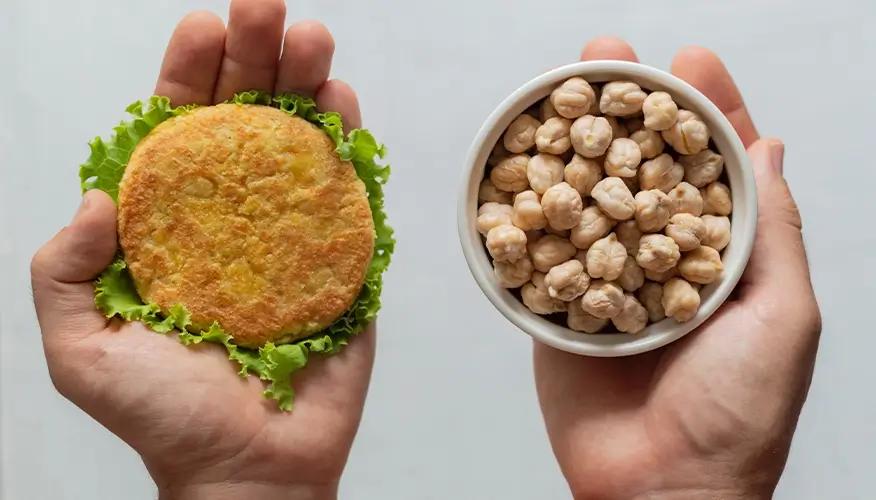
Plant-based foods can help lower stress and anxiety through various mechanisms:
1. Nutrient content: Plant-based foods, such as fruits, vegetables, whole grains, legumes, and nuts, are rich in essential nutrients, including vitamins, minerals, and antioxidants. These nutrients are crucial in maintaining overall brain health and supporting proper neurotransmitter function, which can positively impact mood and reduce stress.
2. Presence of fibre: Plant-based foods are usually high in dietary fibre. This fibre helps regulate blood sugar levels and maintains stable energy levels. Stable blood sugar levels can contribute to a more balanced mood and reduce the likelihood of mood swings and irritability.
3. Anti-inflammatory properties: Many plant-based foods possess anti-inflammatory properties due to antioxidants and phytochemicals. Chronic inflammation in the body has been linked to increased stress and anxiety. By consuming plant-based foods that have anti-inflammatory effects, individuals may experience reduced stress-related symptoms.
4. Improves gut health: Plant-based foods are usually a rich source of prebiotic fibres (which serve as food for helpful gut bacteria). A healthy gut microbiome has been associated with improved mental health, including reduced episodes of anxiety and depression. The gut-brain axis, a bidirectional (two-way) communication pathway between the gut and the brain, plays a crucial role in this relationship.
5. Omega-3 fatty acids: While primarily found in fatty fish, plant-based sources of omega-3 fatty acids, such as flaxseeds, chia seeds, and walnuts, are also beneficial. Omega-3 fatty acids support brain health and decrease anxiety and depression.
6. Breakdown monoamine oxidase: Monoamine oxidase (MAO) is an enzyme that breaks down serotonin, dopamine, and noradrenaline- the three neurotransmitters that regulate mood. When MAO levels in the body are high, it breaks down these neurotransmitters, resulting in mood disorders like stress, anxiety, and depression. Some plant products are rich in quercetin, which prevents monoamine oxidase activity, thereby increasing the anti-stress neurotransmitter levels. A few foods rich in quercetin include apples, kale, berries, grapes, green tea, and onion.
Plant-based foods to fight stress and anxiety
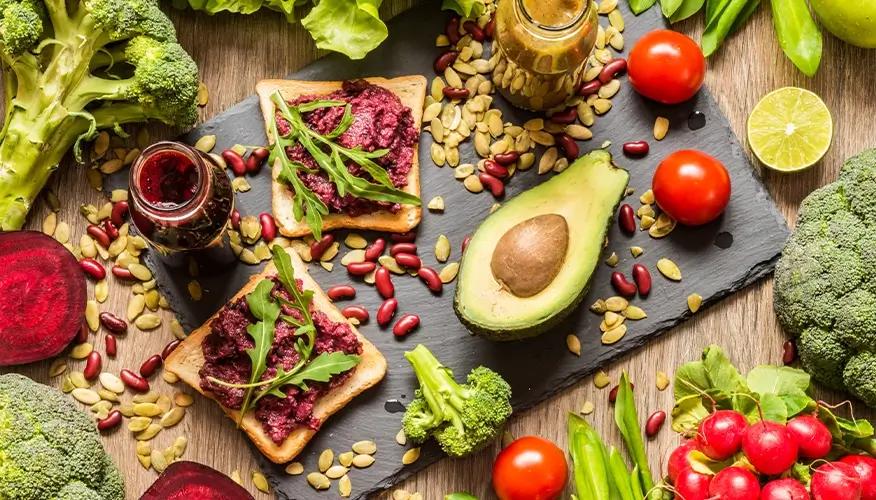
Now that you know the mental health benefits of plant-based foods, here are a few foods to include:
Green leafy veggies
- Leafy greens are a must in your diet. Some common ones you can include are spinach, lettuce, kale, coriander, parsley, etc.
- These leafy greens are packed with magnesium, which regulates cortisol and controls its level.
- These vegetables also contain folate, known to play a critical role in producing dopamine, one of the ‘happy hormones’.
Sweet potatoes
- These are root vegetables packed with plenty of nutrients to lower the effects of stress. Sweet potatoes are rich in magnesium, potassium, and vitamin B6, all of which encourage the production of the ''feel good'' hormones dopamine and serotonin.
- These hormones help lower the physical symptoms of stress and anxiety symptoms, enabling you to deal with them better.
Black beans
- Legumes like black beans are loaded with fibre and protein.
- But, besides these nutrients, black beans also contain magnesium and omega-3 fatty acids that help relax the nervous system and balance stress hormones.
- So, to reduce your stress and anxiety symptoms, include black beans in your diet today!
Lentils
- A high source of protein for vegans and vegetarians, lentils are also rich in antioxidants and minerals like potassium, magnesium, zinc, and B vitamins.

Nuts and seeds
- Nuts and seeds like almonds, cashews, walnuts, chia seeds, and pumpkin seeds are rich vegan sources of omega-3 and omega-6 fatty acids (healthy fats).
- These anti-stress foods are versatile; add them to your breakfast cereal, salads, soups, and snacks.
Avocados
- Called one of the superfoods of this century, avocados are rich in fibre, omega-3 fatty acids, phytochemicals, and vitamin B6.
- Vitamin B6 plays a vital role in serotonin production, which helps improve mood and lower stress and anxiety.
- The omega-3 fatty acids also help regulate moods and lower anxiety levels.
Oats
- A popular whole grain, oats are a rich source of complex carbohydrates, making them great for people with high blood sugar.
- These complex carbohydrates stimulate serotonin production, lowering stress levels and improving overall health and well-being.
Conclusion
Plant-based foods provide a nutrient-rich solution that can help reduce signs of stress and anxiety. They offer valuable support in alleviating these conditions with their high fibre content, anti-inflammatory properties, and positive impact on gut health.
By nourishing our bodies with various fruits, vegetables, whole grains, legumes, and nuts, we can ensure an abundant supply of essential nutrients that support brain health and promote a more balanced mood.
Switching to a plant-based diet is an excellent way to bring your stress and anxiety to manageable levels. This strategy also goes well with other anxiety and stress-busting techniques like exercise, yoga, meditation, and mindfulness.
Meet our expert

Meet our expert
Chai Jie Qi is a passionate nutritionist and fitness professional with a strong background in healthcare, wellness, and fitness. With over five years of experience in the healthcare industry and a journey in fitness and wellness since 2015, Chai is dedicated to helping individuals achieve their health goals through a well-rounded approach.


How was the experience with article?
We'd love to know!