
Key takeaways
- Several herbs like fenugreek, cinnamon, and bitter melon show promise in blood sugar control.
- Herbal remedies are most effective when paired with diet and exercise.
- Always consult your doctor before adding new herbs to your routine.
- In emergencies, insulin, hydration, and light activity may help lower blood sugar.
- Natural approaches should support, not replace, prescribed diabetes treatments.
Diabetes continues to be one of the fastest-growing health challenges globally, with projections suggesting that over 5.4% of the world’s population will be affected by the end of this year. As more people grapple with type 2 diabetes, the search for solutions has expanded beyond conventional medication and lifestyle adjustments. Increasingly, herbal remedies are being explored as complementary tools to help manage blood sugar levels.
In fact, recent studies reveal that nearly 68% of people living with type 2 diabetes have turned to herbal medicines at some point—most commonly cinnamon, ginger, and fenugreek. While the scientific community continues to investigate the full scope of their efficacy, these natural options remain popular due to their affordability, accessibility, and perceived lower risk of side effects.

This article takes a closer look at the growing role of herbal remedies in blood sugar management.
We’ll examine their potential benefits, review current research, and highlight important considerations to help you make informed decisions about integrating these options into your diabetes care routine.
What helps to reduce blood sugar? Understanding the basics
As a diabetes patient, you can try reducing your blood sugar in a few ways, which are mostly combined in a strategic plan to manage blood glucose levels traditionally. The primary goal is to maintain blood sugar within a healthy range, and this involves several evidence-based strategies.
Regular physical activity, for example, has been shown to improve insulin sensitivity by up to 40%, according to the American Diabetes Association.
Dietary adjustments, especially increasing fibre from whole grains, legumes, and vegetables, mostly low-GI foods, can slow glucose absorption and help prevent spikes as well.
When both are combined, clinical trials also reveal that losing just 5 to 7% of your body weight can reduce the risk of developing type 2 diabetes by more than 50%. These foundational steps remain essential, even as interest in herbal remedies continues to grow.
Herbal remedies and blood sugar: What does research say?
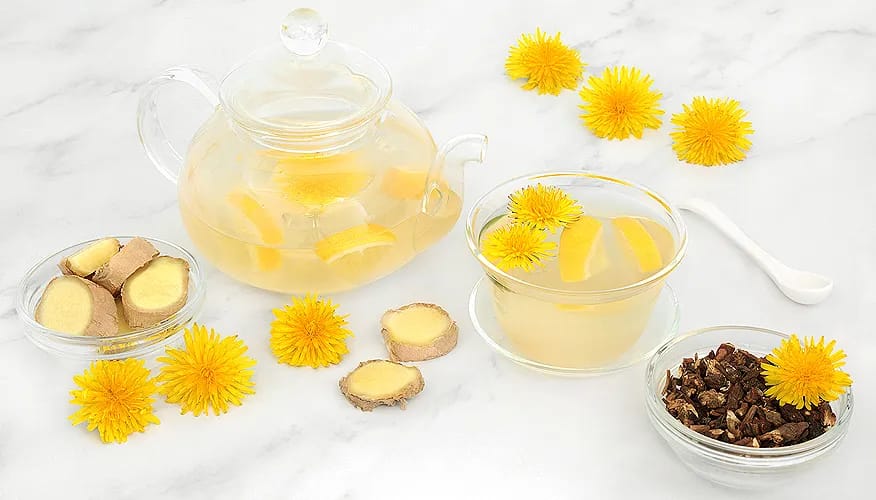
Herbs and plant-based extracts have been used in traditional medicine systems for centuries, but only in recent decades have they become the subject of scientific study for managing blood sugar.
Here’s a closer look at some of the most commonly used herbs and what the research currently tells us:
1. Cinnamon (Cinnamomum verum or Cinnamomum cassia)
- How it works: Cinnamon is believed to help improve insulin sensitivity and slow the breakdown of carbohydrates in the gut, reducing post-meal blood sugar spikes.
- What the studies say: Several small-scale studies suggest cinnamon may lower fasting blood sugar by 10–29% in people with type 2 diabetes. However, results are mixed, and more large-scale trials are needed.
- How to use: Typically consumed as a powder or capsule. Clinical trials often use doses between 1–6 grams per day.
2. Fenugreek (Trigonella foenum-graecum)
- How it works: Fenugreek seeds contain soluble fiber, which helps slow carbohydrate digestion and absorption. They may also stimulate insulin secretion.
- What the studies say: Some research indicates fenugreek can help reduce fasting blood glucose and improve glucose tolerance. One meta-analysis found significant reductions in blood sugar and HbA1c levels among participants who used fenugreek regularly.
- How to use: Typically soaked seeds, ground powder, or supplements. The recommended dosage is around 5–25 grams daily depending on the form.
3. Ginger (Zingiber officinale)
- How it works: Ginger may improve insulin sensitivity, reduce oxidative stress, and lower inflammation—factors that can contribute to better blood sugar control.
- What the studies say: Some studies have shown that daily ginger supplementation can reduce fasting blood sugar levels and improve HbA1c in people with type 2 diabetes. However, the results are preliminary and more rigorous research is needed.
- How to use: Fresh or powdered ginger, teas, or standardized supplements, with common dosages ranging from 1–3 grams daily.
Proceed with caution: Herbal does not mean harmless
- While herbal remedies offer promise, they are not a substitute for medical treatment. Blood sugar management requires a holistic approach, including diet, exercise, and regular monitoring.
- Herbal supplements may interact with prescription medications, sometimes leading to hypoglycemia (low blood sugar) or other side effects.
- Always consult your healthcare provider before adding herbal remedies to your routine—especially if you are already on diabetes medication.

How to lower blood sugar quickly in an emergency at home
The medical term for raised blood glucose to a dangerous level is hyperglycemia.
If you’re experiencing an episode characterised by fatigue, low energy, frequent urination, thirst, and hunger, and need to lower it quickly at home, the quickest way is to take fast-acting insulin, given that it’s prescribed and you have clear instructions.
If you don’t use insulin, light exercise like walking can help your body use up extra glucose, but avoid this if your blood sugar is above 240 mg/dL or if you have KDA. Keep drinking water, as it helps flush excess sugar through your kidneys.
Avoid sugary foods and monitor your blood sugar closely. Furthermore, seek emergency help if you experience nausea or confusion.
How to reduce blood sugar level immediately, naturally
Despite what you might hear, there’s no magic drink or food, other than plain water, that can reduce blood sugar levels immediately, naturally.
While herbal teas, coffee, or vegetable juices are often effective in long-term blood sugar benefits, they can’t provide immediate results in an emergency.
Then what to drink to lower blood sugar immediately?
Water remains your best option, helping flush excess glucose through your kidneys and supporting hydration, which is crucial for blood sugar regulation.
Related: Home Remedies For Lowering Blood Sugar Levels: 10 Best Natural Foods
Herbal remedies: Safety, effectiveness, and precautions
Here are more details about herbal remedies for blood sugar you should be aware of:
| Category | Details |
| Effectiveness of Herbal Remedies | As mentioned, research supports the use of several herbs in managing blood sugar, especially for type 2 diabetes. Clinical research shows that herbs like barberry, cinnamon, fenugreek, bitter melon, black seed, aloe vera, and American ginseng can manage blood sugar and improve HbA1c. |
| Factors Influencing Effectiveness | The impact of herbal remedies depends on the specific herb and its form. Your stage and severity of diabetes and other health conditions may also influence its effectiveness. |
| Safety Considerations | While many herbs are safe when used properly, some can lower blood sugar too much, especially when combined with diabetes medications, increasing the risk of hypoglycemia. Herb-drug interactions are also a concern, especially considering factors like berberine and aloe vera intensifying the effects of oral medication. |
| Precautions and Best Practices | It's important to consult a healthcare provider before starting any herbal remedy. Monitor your blood sugar more closely when adding herbs to your regimen. Begin with low doses to observe how your body responds. |
Managing blood sugar naturally: Integrating herbs with lifestyle
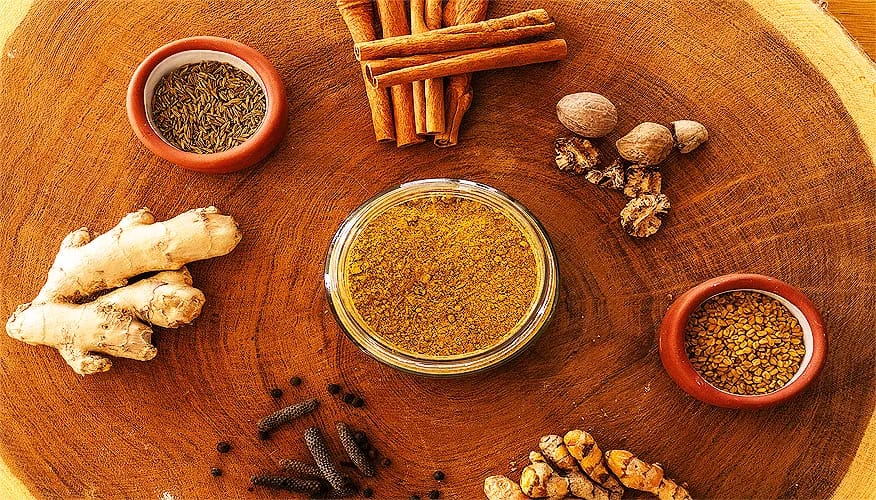
Blending herbal remedies with healthy lifestyle habits can offer a holistic approach to blood sugar management. Research highlights herbs like fenugreek, cinnamon, bitter gourd, and turmeric for their ability to improve insulin sensitivity and help regulate glucose metabolism.
For example, adding fenugreek seeds to your meals or enjoying a pinch of cinnamon in your tea can be simple ways to harness their benefits. Pair these with regular physical activity and a balanced diet rich in fibre and low in processed carbs. However, if you’re asking what foods lower blood sugar immediately? You’re in for a disappointing ride.
However, always consult your healthcare provider before starting any new herbs, changing your diet, and ensuring they complement your overall diabetes care plan.
Conclusion
Herbal remedies offer a promising, low-cost supplement to traditional diabetes management, especially when combined with lifestyle changes like diet and exercise. While not a replacement for prescribed treatments, herbs such as fenugreek, cinnamon, and bitter melon may help improve blood sugar control and insulin sensitivity.
It is equally critical to approach these natural options thoughtfully and under medical guidance to ensure safety and effectiveness. Ultimately, integrating herbal remedies for blood sugar control can empower individuals to take a more active role in managing their health. All the best!
How was the experience with the article?
We'd love to know