
Key takeaways
- Melatonin is a natural hormone that regulates the sleep-wake cycle.
- Rising stress and screen time increase melatonin use in Sri Lanka.
- Safe usage includes appropriate dosage and timing.
- Potential side effects include drowsiness and vivid dreams.
- Consider natural methods to boost melatonin, reduce blue light, and create a better sleep routine.
If you've been tossing and turning at 2 AM, scrolling through your phone after a long day juggling work deadlines and family responsibilities, you're not alone. Many women across Sri Lanka are discovering melatonin as a potential solution to their sleep struggles.
But before you consider melatonin in Sri Lanka, understanding how this natural hormone works and whether it's right for you can make all the difference in your sleep journey.
What Is Melatonin And How Does It Work?
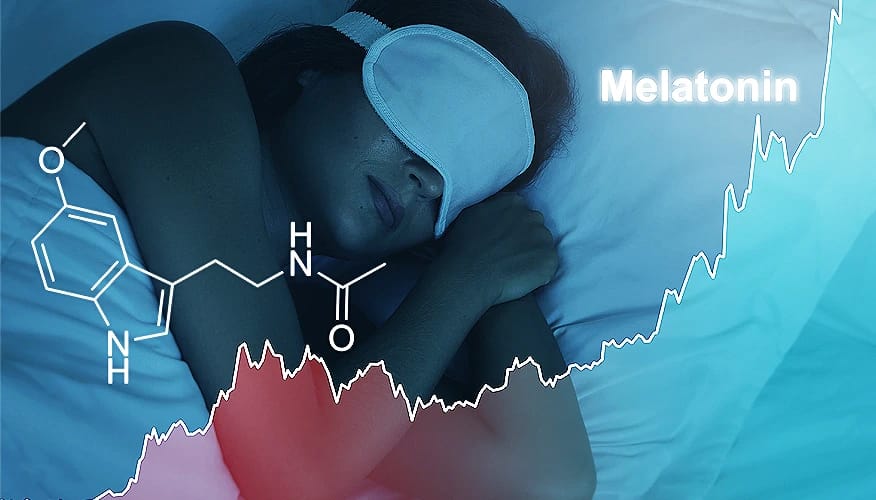
Understanding melatonin starts with recognizing it as your body's own built-in sleep signal. This is not a foreign chemical; it is something your brain naturally produces to help you sleep.
1. Natural Hormone
Melatonin is a naturally occurring hormone created by a tiny gland deep in your brain called the pineal gland. Think of it as your body's internal pharmacy, synthesizing this chemical messenger from an amino acid called L-tryptophan through a series of precise biological steps.
What makes melatonin fascinating is its light-dependent production. When darkness falls, your brain receives a signal to increase melatonin production. When morning light hits your eyes, production drops to nearly undetectable levels. This elegant system has evolved over millions of years to keep humans synchronized with the 24-hour day-night cycle.
Your brain's master clock, the suprachiasmatic nucleus, orchestrates this entire process. It monitors environmental light through your eyes and sends instructions to your pineal gland accordingly. This is why your body naturally produces the most melatonin around seven hours after sunset, helping you stay asleep through the night.
2. Regulates the sleep-wake cycle
Melatonin's primary job is maintaining your circadian rhythm, the internal biological clock that governs when you feel alert and when you feel sleepy. When melatonin levels rise in the evening, this hormone communicates with specific receptors in your brain, essentially telling your body it is time to shift from wakefulness to sleep preparation.
- The process works through two main receptor types.
- The MT1 receptor creates immediate drowsiness by suppressing the brain's alerting signals.
- The MT2 receptor helps your circadian rhythm adjust to seasonal changes and time zone shifts.
Together, they allow your body's natural need for rest to take over.
Melatonin also directly affects your eyes, reducing light sensitivity as evening approaches. This multi-system coordination ensures that as melatonin rises, your body temperature drops, blood pressure decreases, and every aspect of your physiology aligns for sleep. In the morning, when melatonin production stops, your retinas become more responsive to light and your body naturally feels alert again.
Why Melatonin Use Is Rising In Sri Lanka
The growing interest in melatonin tablets in Sri Lanka reflects broader changes in how we live and work. Modern life creates unique challenges for natural sleep patterns, particularly for those managing multiple responsibilities.
1. Stress, Screen Time, Urban Lifestyles
Urban lifestyles in Sri Lanka have created a perfect storm for sleep disruption. Women aged 25-45 often find themselves caught between demanding careers and family obligations, creating persistent stress that interferes with natural melatonin production. Add evening screen time from smartphones, laptops, and tablets, and you have a recipe for disrupted sleep-wake cycles.
Blue light at night from screens is particularly problematic because it directly suppresses melatonin production. When you spend hours before bedtime responding to work emails or scrolling social media, your pineal gland receives a signal that it's still daytime. This prevents the natural evening rise in melatonin that should help you fall asleep.
For those managing both career and household responsibilities, evening screen time often extends into what should be the sleep-preparation window. This creates a cycle in which insufficient sleep leads to daytime fatigue, which in turn drives increased caffeine consumption and evening stimulation, further disrupting natural sleep patterns.
2. Growing Awareness Of Sleep Health
Alongside these disruptive factors, there has been a significant increase in awareness about sleep health across Sri Lanka and the broader South Asian region. As digital health information becomes more accessible, more women are seeking solutions to sleep problems rather than accepting poor sleep as inevitable.
This growing consciousness has shifted sleep from a luxury to a foundational aspect of overall health. People in urban and semi-urban areas are more likely to research sleep solutions and consider supplementation as part of a broader wellness strategy.
The recognition that sleep affects immunity, mental health, metabolism, and cognitive performance has driven demand for evidence-based sleep aids, such as melatonin, in Sri Lanka.
How To Take Melatonin Safely
Safe melatonin use requires understanding proper dosing, timing, and individual considerations.
1. Dosage Guidelines
Individual factors like age, body weight, and sensitivity to supplements influence optimal dosing. Individuals seeking melatonin supplementation should always follow their healthcare provider's instructions carefully.
It is important to understand that melatonin is not a sedative; it signals the onset of sleep rather than forcing sleep. Taking more does not necessarily lead to better sleep and may even cause next-day grogginess. Hence, dosage instructions should always be strictly adhered to.
2. Best Time To Take It
Timing is critical for melatonin effectiveness. Taking melatonin too early or too late reduces effectiveness. The timing also affects melatonin's ability to adjust your circadian rhythm. Evening doses advance your sleep-wake cycle (making you sleepier earlier), while morning doses can delay it.
Consistency matters significantly. Taking melatonin at the same time each evening helps reinforce circadian alignment and maximizes the supplement's benefits for establishing a regular sleep routine.
3. Who Should Avoid It
While generally safe for healthy adults, certain populations should use melatonin with caution or avoid it without medical supervision.
- Pregnant women should consult healthcare providers before use, as safety data in pregnancy remains limited.
- Breastfeeding women similarly need medical guidance, since melatonin passes into breast milk.
- Children require special consideration, as they naturally produce high levels of melatonin and have developing circadian systems. Self-directed melatonin use in children can potentially interfere with natural rhythm development and should only occur under pediatric medical supervision.
- Elderly individuals may be more sensitive to melatonin's effects and often take multiple medications with potential interactions.
- People with autoimmune conditions, seizure disorders, depression, or hormone-sensitive conditions should avoid melatonin without medical clearance, as it can theoretically exacerbate these conditions.
Possible Side Effects And Warnings
Understanding potential side effects helps you use melatonin safely and recognize when adjustments are needed. Most side effects are mild and manageable with proper dosing and timing.
1. Drowsiness, Vivid Dreams, Types Of Headaches
The most common side effect is daytime drowsiness or grogginess, particularly when doses are too high or taken too close to waking time. Some users experience headaches, which may result from dehydration or individual sensitivity to the supplement.
A subset of melatonin users report more vivid, intense dreams or nightmares during the night after taking melatonin. This occurs because melatonin influences REM sleep architecture, potentially intensifying dream recall or vividness.
These side effects are typically mild and transient, resolving within a few days to a week as your body adjusts. If daytime drowsiness persists or interferes with daily activities, reducing the dose or adjusting timing usually resolves the issue. If vivid dreams become distressing, discontinuing the supplement or discussing alternatives with a healthcare provider is advisable.
2. Interactions With Other Medications
Melatonin can interact with several medication classes.
- Blood pressure medications may have additive effects with melatonin, potentially causing excessive blood pressure reduction.
- Anticoagulants and antiplatelet medications may interact since melatonin has mild blood-thinning properties.
- Immunosuppressive medications may conflict with melatonin, as melatonin stimulates immune function.
- Combining sedative medications with melatonin can cause excessive drowsiness.
- Antidiabetic medications warrant caution, as melatonin may influence glucose metabolism.
People taking any prescription medications regularly should consult healthcare providers before starting melatonin to prevent adverse interactions and ensure safe use.
Natural Ways To Boost Melatonin Without Supplements
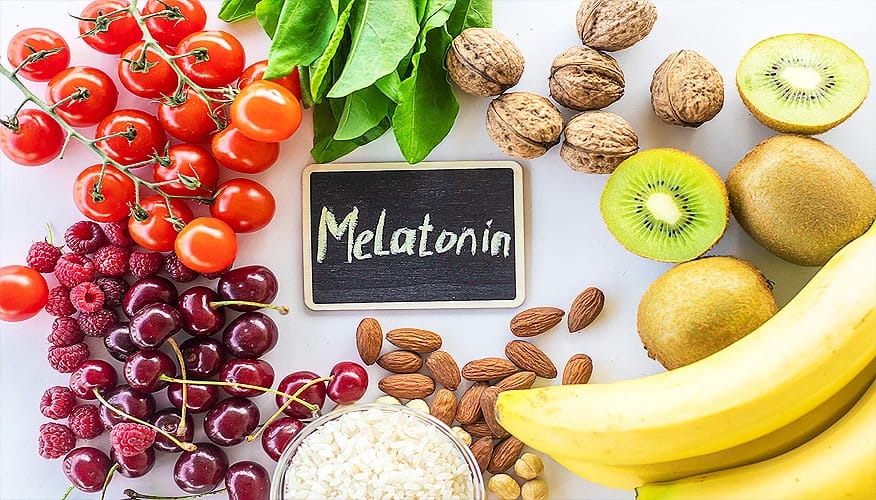
Your body's natural melatonin production can be optimized through dietary and lifestyle strategies that support healthy sleep-wake cycles without supplementation.
1. Diet And Lifestyle Tips
Your diet and daily habits play a significant role in natural melatonin production:
Consuming foods rich in tryptophan, the amino acid precursor to melatonin, supports your pineal gland's ability to synthesize adequate amounts naturally. Foods high in tryptophan include chicken, turkey, eggs, cheese, nuts (particularly almonds and walnuts), seeds, legumes, and whole grains.
Magnesium and B vitamins (particularly B6) are cofactors in melatonin production. Including magnesium-rich foods like leafy green vegetables, pumpkin seeds, and legumes supports the enzymatic processes that convert tryptophan to melatonin.
Limiting caffeine intake, particularly after 2-3 PM, is crucial since caffeine blocks brain receptors that typically accumulate throughout the day to promote sleep. Shift these beverages to morning hours, which significantly improves evening melatonin production.
Alcohol, while it may initially promote drowsiness, disrupts melatonin production and sleep quality.
2. Reducing Blue Light At Night
Managing screen time is one of the most effective ways to protect your natural melatonin production:
- Set a "digital sunset" 1-2 hours before bed
- Use blue light filters on your devices after sunset
- Choose warm, dim lighting in the evening
- Keep phones out of the bedroom or use airplane mode
If you must use devices in the evening, consider blue light-blocking glasses or apps that automatically adjust screen color temperature.
3. Creating A Sleep-friendly Routine
Your pineal gland operates on a predictable rhythm, and consistency reinforces this natural pattern.
Establishing a consistent sleep routine—going to bed and waking at the same times daily, even on weekends—is one of the most powerful tools for optimizing melatonin production.
Morning light exposure is equally important. Spending 15-30 minutes in bright natural light within the first hour of waking strengthens your circadian rhythm and ensures robust melatonin production that evening. In Sri Lanka's tropical climate, intentionally spending time outdoors in the morning provides this crucial circadian signal.
Stress reduction practices directly support melatonin production, as chronic stress elevates cortisol, a hormone that antagonizes melatonin's effects. Incorporating meditation, gentle yoga, deep breathing exercises, or journaling into an evening routine reduces psychological tension and creates mental space for sleep.
Conclusion
Using melatonin in Sri Lanka can support better sleep when used safely and paired with healthy sleep habits. Melatonin works best alongside consistent sleep schedules, reduced screen time, and stress management that support your natural circadian rhythm.
Rather than relying only on supplements, addressing root causes of poor sleep leads to lasting benefits. Prioritizing sleep health improves immunity, mental clarity, emotional balance, and long-term well-being.
How was the experience with the article?
We'd love to know