
Ever felt numb and wriggled with a tingling sensation? Yes, you might have. That’s your body’s way of saying- “Hey, your blood flow needs a boost!”
Good blood circulation is like your body’s personal highway system — it keeps oxygen and nutrients moving to every organ, tissue, and cell. When circulation is smooth, you feel energized, focused, and healthy. But when it slows down? Fatigue, cold hands and feet, and even serious heart-related issues can creep in.
Poor circulation is when one or more parts of your body receive insufficient blood flow. It can lead to fatigue, cold hands and feet, numbness, and even cardiovascular issues. Also, it can delay wound healing and increase the risk of infections.
Thankfully, certain vitamins for blood circulation can naturally support healthy blood flow and overall vascular health.
In this blog, let us discuss the vitamins that improve blood circulation and the vitamins good for blood.
Why blood circulation matters
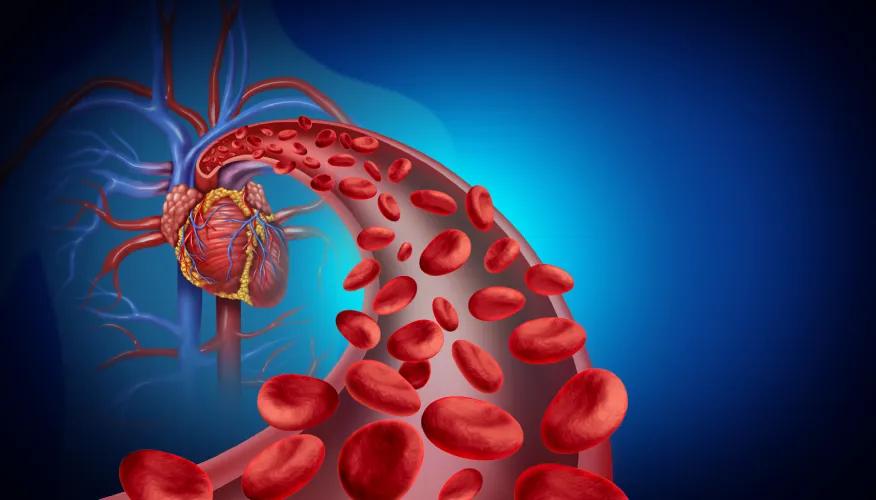
Efficient blood circulation ensures that all organs and tissues receive enough oxygen and nutrients.
It also helps remove metabolic waste, supports immune function, and regulates temperature. Poor blood flow can cause serious complications over time, including blood clots and nerve damage, and increase the risk of various cardiovascular conditions, such as high blood pressure, heart disease, and stroke.
Symptoms of poor blood circulation
Poor blood circulation can come with subtle symptoms that are easy to ignore. You should watch out for symptoms like:
- Cold hands and feet
- Numbness or tingling in the feet or hands
- Muscle cramps
- Swelling in the lower limbs
- Fatigue or lack of energy
- Slow-healing wounds
- Hair loss on your feet or legs
- A pale blue colour to the skin of your legs
- Dry or cracked skin, particularly of the feet
- Brittle toenails
- Erectile dysfunction.
NOTE: If you have diabetes, slow-healing wounds can be a serious concern. Talk to your doctor if a wound isn't healing or if you have any injuries on your feet.
Top vitamins that improve blood circulation
Poor blood circulation is more common than you think. If left untreated, it may impact your brain function or even cause erectile dysfunction.
But there’s hope. Some vitamins for blood circulation can help in this condition. Vitamins good for blood flow, support heart health, boost oxygen delivery, and improve overall circulation.
Be sure to consult your doctor first, as supplements can interfere with medications. When used right, the best supplements for blood circulation can improve and protect your long-term health.
Vitamin E
- Known as one of the best vitamins for blood, Vitamin E helps widen blood vessels and prevent clot formation by reducing the chances of platelets sticking together.
- Vitamin E is a powerful antioxidant that protects your cells from damage. It stops LDL (bad) cholesterol from building up as plaque in your arteries and keeps your blood vessels healthy. This improves blood circulation and lowers the risk of heart attacks and strokes.
- Vitamin E helps relax and widen blood vessels, improving blood flow. This is especially helpful for people with narrowed arteries, high blood pressure, or poor circulation. Better blood flow means more oxygen and nutrients reach your body’s tissues.
- It may also help prevent leg cramps caused by poor circulation.
- Vitamin E reduces the risk of various vascular diseases, including deep vein thrombosis and pulmonary embolism.
Vitamin C
- Vitamin C supports blood vessel health by helping blood vessels dilate, improving blood flow, and lowering heart disease risk.
- It also boosts collagen production, which keeps skin, tendons, and blood vessels strong and healthy.
- It speeds up wound healing by helping new tissue grow and strengthening the immune response.
- It acts as an antioxidant, protecting cells from damage caused by free radicals.
- It reduces inflammation, helping the body recover faster and easing symptoms of inflammation-related issues.
Vitamin B3 (Niacin)
- Niacin is one of the most effective vitamins for blood circulation.
- It promotes vasodilation, or the widening of blood vessels, which helps improve blood circulation and lower blood pressure.
- This essential nutrient also raises HDL (good) cholesterol and lowers LDL (bad) cholesterol, reducing plaque buildup in arteries and supporting heart health.
- That’s why niacin is considered a vitamin good for blood and one of the best supplements for blood circulation.
- Most adults need around 14–18 mg daily, but higher doses may be recommended by doctors for specific health concerns.
Vitamin D
- Vitamin D supports healthy blood circulation by keeping blood vessels functioning well.
- It helps regulate blood pressure, reduce inflammation, and improve overall heart health.
- It also boosts nitric oxide production, which helps blood vessels relax and widen, leading to improved blood flow.
- This makes Vitamin D one of the vitamins good for blood and a valuable addition to your routine if you are looking for the best supplement for blood circulation.
- Low levels of Vitamin D have been linked to a higher risk of heart disease, including high blood pressure and other cardiovascular issues.
- Vitamin D helps regulate blood pressure, reduce stiffness in the arteries, and improve blood vessel function.
- All these support a healthy heart and better blood circulation, making Vitamin D one of the top vitamins good for blood and overall cardiovascular health.
Vitamin K
- Vitamin K is best known for its role in blood clotting.
- It supports faster wound healing, prevents excessive bleeding, and helps reduce bruising, making it essential for maintaining healthy blood and vascular function.
- Few trials have investigated the effects of vitamin K supplementation on arterial calcification or coronary heart disease risk.
Other key nutrients for better circulation
Iron:
- Helps carry oxygen in the blood.
- Iron supplements make it easy to meet your daily needs. But you can also get enough iron naturally by eating leafy green vegetables and other iron-rich foods.
Magnesium:
- Magnesium relaxes blood vessels and improves blood circulation.
- Animal studies show that magnesium boosts the production of prostacyclin and nitric oxide (NO), which help relax blood vessels and improve blood flow.
- Animals low in magnesium showed high levels of endothelin-1, a substance that narrows blood vessels. These levels dropped after magnesium supplementation.
Omega-3 Fatty Acids:
- Support heart health and reduce inflammation in blood vessels.
- Omega-3 fatty acids like EPA and DHA help release nitric oxide, which relaxes blood vessels and improves blood flow. Their anti-inflammatory effects may also support healthy blood vessel function, reducing the risk of heart disease, especially in people who smoke or have a high BMI.
- The FDA advises not to take more than 5 grams of EPA and DHA per day from supplements.
Lifestyle tips to support circulation

Along with taking supplements and vitamins for blood circulation, you can improve blood circulation naturally by adopting a healthy lifestyle that includes:
- Stay physically active with walking, running, biking, swimming or cardio. Yoga is a gentle way to boost blood flow. Set a goal to exercise for 30 minutes, 5 to 7 days a week. Movements bring oxygen to your cells, twists send blood to your organs, and upside down poses help blood flow to your heart and brain.
- Avoid sitting for long periods. Sitting too long can slow blood flow in your legs and weaken muscles, increasing the risk of clots. Try using a standing desk to boost circulation. Standing helps leg veins push blood back to your heart.
- Elevate your legs. Lie on the floor or a yoga mat with one shoulder near the wall. Turn and lift your legs the wall, moving your hips close to it. Stretch your arms out, palms down, for balance.
- Control your blood pressure. High blood pressure can harden your arteries and reduce blood flow. Aim for 120/80 mmHg or less, but check with your doctor for your ideal range. Monitor it monthly using a home device or a pharmacy kiosk.
- Stay hydrated. Blood is about 50% water, so staying hydrated helps keep it flowing. Aim for 8 glasses of water daily, and drink more if you are active or it's hot.
- Quit smoking. Nicotine in cigarettes, e-cigarettes, and chewing tobacco damages your arteries and thickens your blood, making it harder to flow. If you smoke, try to quit. Your doctor or pharmacist can support you.
- Eat a diet rich in fruits, vegetables, and whole grains
- Compression socks gently squeeze your legs to help blood move back to your heart instead of pooling. Ask your doctor which type and pressure level is right for you.
- Avoid saturated fats found in red meat, chicken, cheese, and other animal products. Limit salt intake to maintain a healthy weight, cholesterol, and blood pressure, keeping your arteries clear.
- Use a dry body brush with firm bristles on your skin before showering. Start from your feet and brush upwards using long strokes on your arms and legs, and circular motions on your belly and back. It helps boost circulation and removes dry skin.
- A warm bath can improve blood circulation by helping your arteries and veins widen, allowing more blood to flow. Hot water or tea can have a similar effect.
When to consider vitamin supplements
- If you experience symptoms of poor circulation or have a nutrient deficiency, your healthcare provider may suggest the best supplement for blood circulation.
- Supplements can be helpful when dietary intake alone is not sufficient.
- Omega-3 supplements help reduce inflammation and support healthy blood vessels. They improve blood flow and lower the risk of heart problems.
- Supplements can fix specific nutrient deficiencies that affect circulation. For example, Vitamin B12 helps make red blood cells. Low B12 can cause poor oxygen supply and weak circulation.
- Taking the right supplements supports healthy blood flow and heart health.
Incorporating supplements or vitamins for blood circulation into one's daily routine, the deficiency symptoms can be alleviated, and overall health can be enhanced.
Conclusion
Poor circulation can negatively affect your overall health, but making smart choices with diet and lifestyle can make a big difference. Vitamins for blood circulation, like Vitamin E, C, and B3, along with other nutrients, can naturally improve blood flow and support a healthier you.
Many people ignore early signs like cold hands and feet, numbness, or constant tiredness. These may point to poor blood flow or vitamin deficiencies. It's best to visit your doctor, get tested, and understand what your body needs.
Before starting any supplement, always seek medical advice to ensure proper dosage and suitability for your individual health goals. Prevention is always better than a cure!
Meet our expert

Meet our expert
Rama Manikumar is a seasoned nutritionist and lifestyle consultant with over two decades of experience in the health industry. With a Bachelor's degree in Biology and specialized training in Nutrition & Dietetics from Pennsylvania State University, USA, Rama brings a wealth of knowledge and expertise to her practice.



How was the experience with article?
We'd love to know!