Have you ever experienced that sudden sharp pain in your muscles when you've barely even moved? Or perhaps you’ve been coping with a constant, nagging muscle tension that just doesn't seem to go away? If you’ve nodded along, you’re not alone.
Unwanted muscle aches and pains have a way of sneaking into our lives, just like that unexpected guest who always happens to drop by when we're the busiest. And let's face it, in our bustling urban lives filled with juggling work, home, and everything in between, who has the time for such unwelcome visits?
Many of us turn to a hot bath, a massage, or a painkiller to get quick relief. But what if I told you that there's a mighty mineral that might be the secret weapon you need against these troublesome muscle tensions and pains?
Intrigued? Well, prepare yourself as we delve into the world of magnesium - the unsung hero in the fight against muscle pain and tension. Stick around as we unravel the magnificent benefits this mineral has to offer!
Understanding magnesium
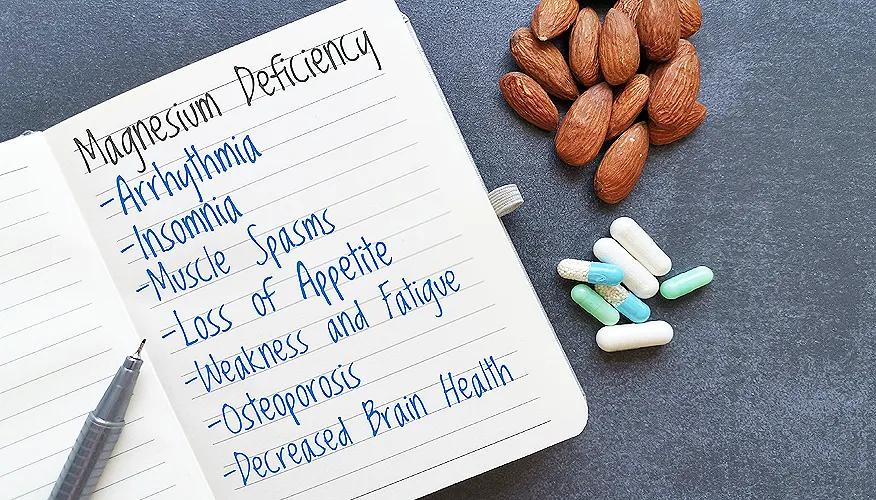
Magnesium is an essential mineral that your body needs to function optimally. It is involved in over 300 biochemical reactions in the body, which include protein synthesis, muscle and nerve function, blood glucose control, and bone development.
But what exactly is magnesium? Simply put, it's a mighty mineral that plays a crucial role in many aspects of your health, including muscle relaxation.
Your body contains about 25 grams of magnesium. About 50% to 60% of this resides in your bones, while the rest is found in tissues and organs. Your body works tirelessly to keep a consistent level of magnesium in your blood.
If you consume less than what your body requires, it will take from your bones and tissues to make up for the deficiency.
The connection between magnesium and muscle pain
After understanding what magnesium is and its functions in our body, let's explore how it specifically relates to muscle pain and tension. Our muscles contract and relax through a series of electrical signals in our nervous system.
Magnesium acts as a natural calcium blocker, helping your muscle cells relax after contracting. Without enough magnesium, these cells may contract too much, leading to muscle cramps or spasms.
Here are some other ways magnesium impacts muscle health:
- Decreases inflammation: High levels of inflammation in the body can lead to various health issues, including muscle pain. Magnesium has been found to lower inflammatory markers, which can help reduce muscle soreness and improve overall muscle function.
- Improves exercise performance: During exercise, magnesium plays a crucial role in moving blood sugar into your muscles and disposing of lactate. Lactate buildup during exercise can cause muscle fatigue and discomfort. By aiding in lactate disposal, magnesium helps improve endurance and performance.
- Reduces muscle damage: Some studies suggest that taking magnesium supplements may help reduce symptoms of muscle damage and speed up recovery time after intense exercise. This can be particularly beneficial for athletes or anyone engaged in regular physical activity.
- Supports electrolyte balance: Magnesium is an essential electrolyte, and maintaining proper electrolyte balance is crucial for preventing muscle cramps and spasms. Electrolytes help regulate nerve and muscle function, hydration, and blood pH levels.
- Prevents magnesium deficiency: A deficiency in magnesium can lead to a range of muscle-related issues, from mild cramps to severe spasms. Ensuring adequate magnesium intake through diet or supplements can help prevent these problems and maintain muscle health.
Role of Magnesium in Muscle Relaxation
Now, let's talk about how magnesium plays its role in muscle relaxation. Its key function is to aid nerve transmission and muscle contraction.
When we talk about muscle contraction, we should also mention muscle relaxation, as it's equally important. The two processes work hand-in-hand: after the muscle contracts, it needs to relax again. This is where magnesium comes into play.
Here's how it works: When a muscle contracts, calcium floods into the muscle cells, which triggers the shortening of muscle fibers (this is the contraction).
Once this process is done, magnesium then pushes calcium out of the cells, causing them to relax. This process happens countless times throughout the day without us even noticing. But when there's a deficiency in magnesium levels, calcium can overstay in the cells, leading to prolonged contractions — that's when you experience cramps or spasms.
How to incorporate magnesium into your diet
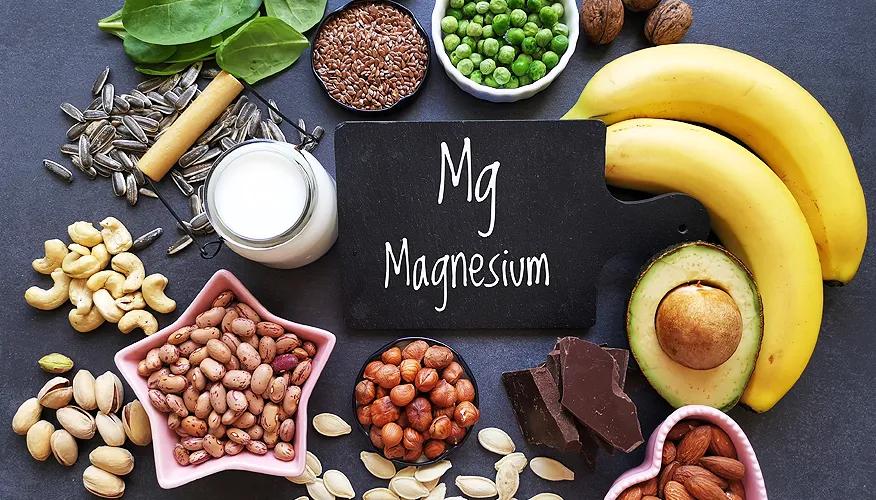
Incorporating magnesium into your diet is straightforward and beneficial for your health. Here are some easy ways to ensure you're getting enough magnesium:
- Leafy Greens: Add spinach, kale, and Swiss chard to your meals. These greens are not only rich in magnesium but also packed with other essential nutrients.
- Nuts and Seeds: Snack on almonds, cashews, and pumpkin seeds. They are convenient and magnesium-rich.
- Whole Grains: Include brown rice, quinoa, and whole wheat bread in your diet. These grains provide a solid magnesium boost along with fiber.
- Legumes: Beans, lentils, and chickpeas are versatile and nutritious additions to soups, salads, and stews.
- Seafood: Eat mackerel, salmon, and tuna. These fish are excellent sources of magnesium and also provide healthy omega-3 fatty acids.
- Dairy Products: Enjoy yogurt, milk, and cheese. Dairy is a good source of magnesium, especially for those who consume it regularly.
- Fruits: Incorporate bananas and avocados into your diet. These fruits are not only delicious but also high in magnesium.
For those who find it hard to get enough magnesium from food alone, consider supplements. Common forms include magnesium citrate, magnesium oxide, and magnesium glycinate. Always consult with a healthcare professional before starting supplements.

The potential side effects of magnesium
While magnesium is crucial for our health, it's equally important to be aware of the potential side effects of too much magnesium. The term for excessive magnesium in the blood is hypermagnesemia, which is usually caused by excessive consumption of magnesium supplements.
Symptoms can range from minor issues like diarrhea and cramping to more serious problems such as kidney failure, lethargy, difficulty breathing, irregular heartbeat, and even cardiac arrest.
Hypermagnesemia primarily occurs when high-dose magnesium supplements are taken without medical supervision. The body generally regulates magnesium levels effectively through dietary sources, so toxicity from food alone is extremely rare.
However, people with certain health conditions, such as kidney disease, are more susceptible to hypermagnesemia because their kidneys cannot efficiently excrete excess magnesium. This is why it's critical for individuals with compromised kidney function to be particularly cautious with magnesium supplements.
Additionally, overuse of magnesium-containing antacids and laxatives can contribute to elevated magnesium levels. It's essential to follow dosage instructions on over-the-counter products and seek medical advice if you're using these products frequently.
It's worth noting that these side effects are rare and typically only occur when consuming high-dose supplements without medical supervision. The best approach to ensuring adequate magnesium intake is through a balanced diet rich in magnesium-filled foods.

Conclusion
To wrap up, magnesium truly is a mighty mineral. Not only does it play a vital role in our overall health and well-being, but it's also key to muscle relaxation - helping to alleviate muscle tension and discomfort.
By being mindful of our dietary choices and incorporating magnesium-rich foods into our daily routines, we can help ensure our bodies have plenty of this essential nutrient.
Lastly, while we have focused on the importance of magnesium for muscle relaxation in this blog post, remember that this is just one aspect of a comprehensive approach to health and wellness.
So, take this knowledge as part of your holistic health journey and continue exploring how nutrition and lifestyle choices can support your well-being. After all, your health is your wealth!
Meet our expert

Meet our expert
Dr Jatin Bhide is an Ayurvedic doctor with over 16 years of enriching experience in Marketing and Strategy across OTC/FMHG, herbal medicine and Nutraceuticals (Europe) industries. He did his Bachelor of Ayurvedic Medicine and Surgery (BAMS) from Mumbai University, before moving on to do a Post Graduate Diploma in Pharmaceuticals and Healthcare Management.



How was the experience with article?
We'd love to know!